Mold Assessment & Remediation Protocols
An independent scope of work a remediator can follow.
Short answer
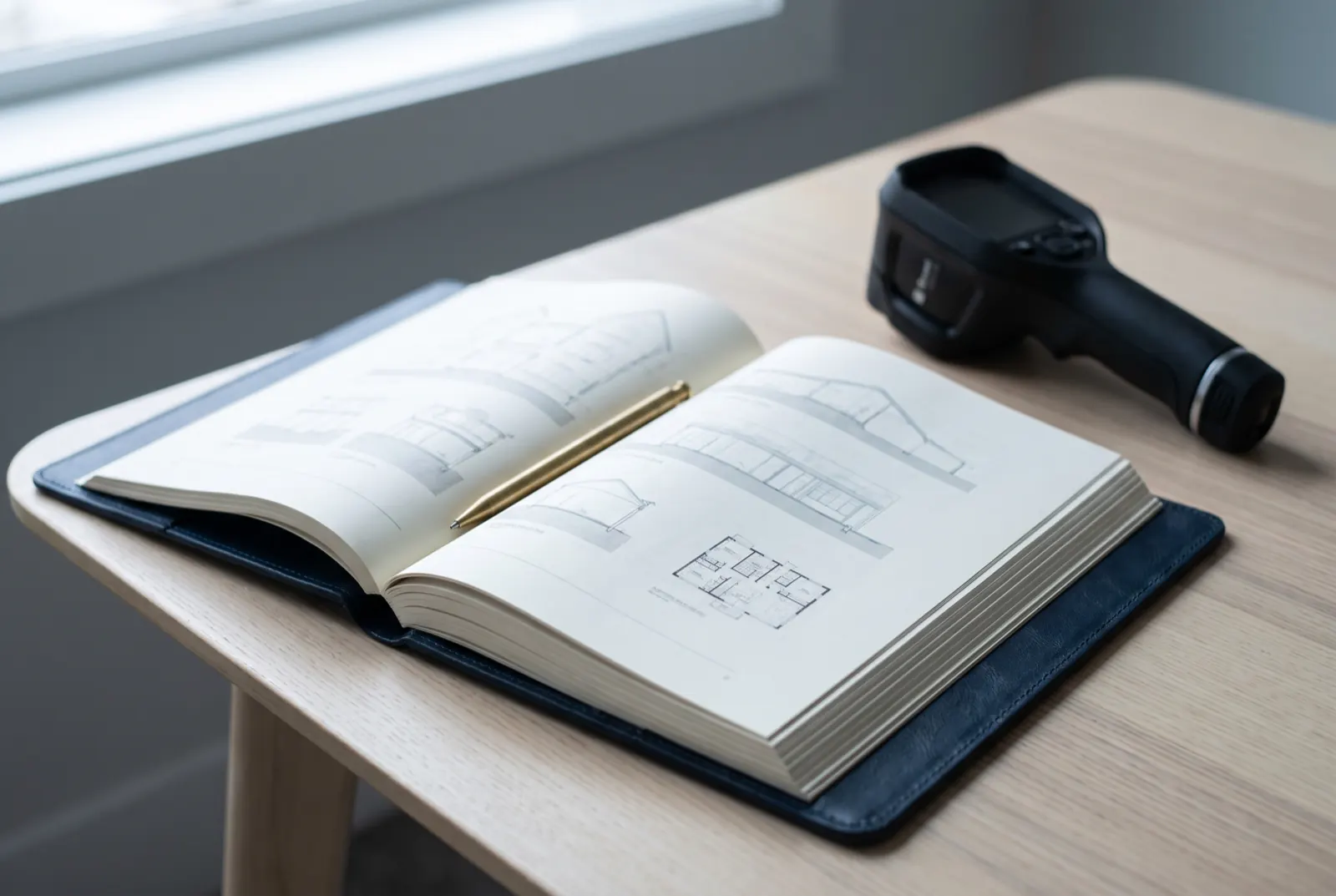
A mold assessment evaluates the whole building and its moisture conditions and, when remediation is needed, produces a written remediation protocol — a clear scope of work for a remediation contractor. Florida law bars the assessor that writes your protocol from remediating your home for 12 months, so Sterling's scope reflects the property's needs, not a repair upsell.
Also called: mold remediation protocol, mold protocol, remediation scope of work
What this service investigates
- The full extent of affected materials and moisture
- What must be contained, removed, cleaned, or dried
- Engineering controls and work-area requirements
- The criteria that define successful completion
Who needs it
- Owners who need a defined scope before hiring a remediator
- Property managers coordinating repairs
- Buyers or attorneys needing an independent scope
- Anyone who wants the assessor and remediator to be separate parties
- FL Licensed Mold Assessor · MRSA5798
- FL Licensed Mold Remediator · MRSR5761
- IICRC Certified Water Restoration Tech
- NORMI-Certified Assessor & Remediator
- Insured · GL + E&O
- Independent Inspections · FL 12-Month Rule
What's included — and what isn't
Clear scope, honestly stated.
Included
- Whole-building moisture and mold assessment
- A written remediation protocol / scope of work when remediation is warranted
- Recommended containment and engineering controls
- Defined clearance criteria for verification afterward
- Documentation the remediation contractor can follow
Not included
- Performing the remediation itself
- Guaranteeing any outcome
- Presenting fogging or antimicrobial treatment as a substitute for correcting moisture and removing affected materials
A calm, methodical process.
Step 1: Assess
We evaluate the building and moisture conditions, not just a single spot.
Step 2: Define scope
We document what needs to be addressed and how the work area should be controlled.
Step 3: Set clearance
We define the criteria a later verification will check against.
Step 4: Hand off
You give the protocol to a remediation contractor of your choice.
Where Florida homes hide moisture.
Explore the zones we investigate on every inspection. Finding and correcting the moisture source is what actually resolves a mold problem — and prevents it from returning.
Tap a zone to explore
Attic & roof deck
High riskWarm, humid air rises and condenses on cool roof sheathing. Bath fans venting into the attic and undersized ventilation drive recurring growth here.
Methods & equipment
- Whole-building assessment
- Moisture and thermal diagnostics
- Written protocol / scope of work
- Defined clearance criteria
What you receive
- Assessment findings
- Written remediation protocol (scope of work)
- Containment and clearance criteria
Typical timing
The on-site assessment is completed in a visit; the written protocol follows shortly after, depending on complexity.
Pricing
$350
$350 for a written protocol covering up to 3 affected areas, $450 for more than that. If the scope changes, an amendment from documents is $150 and an amendment with a site visit is $295. No protocol is ever charged when the inspection found nothing to remediate.
Mold Assessment & Remediation Protocols — questions
Not on the same structure within 12 months. Florida Statute § 468.8419(1)(d) bars a mold assessor from remediating a structure it assessed in the last 12 months, and § 468.8419(2)(d) bars a remediator from assessing one it remediated. Sterling holds both licenses and follows both rules: when Sterling writes your protocol, a different licensed remediator does the work.
You may also need

Mold Inspections
An independent, documented evaluation of accessible areas, moisture readings, and any visible or suspected mold — with clear next steps.
Learn more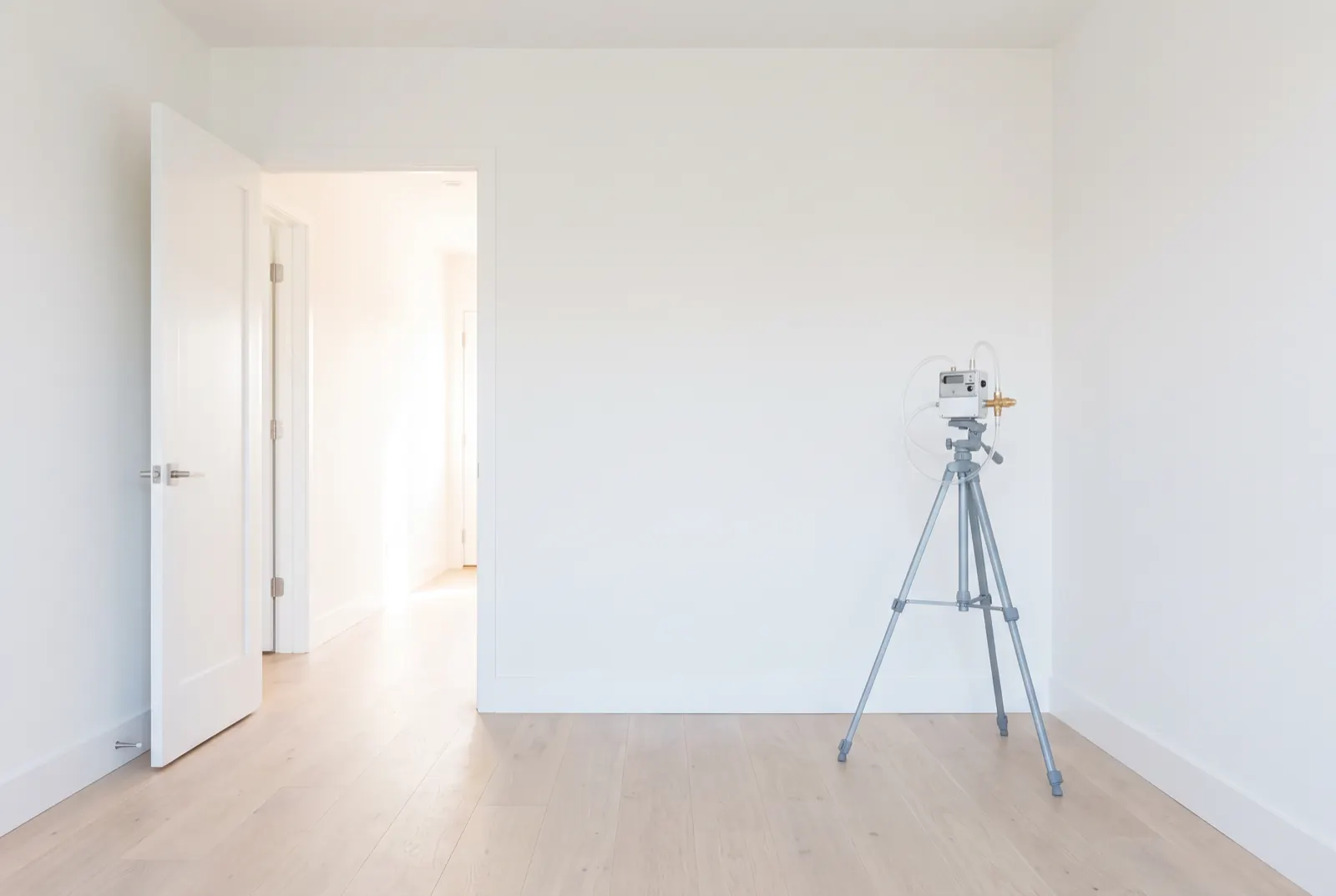
Post-Remediation Verification
Independent post-remediation clearance: visual verification, moisture confirmation, and laboratory sampling on every verification, against defined criteria.
Learn more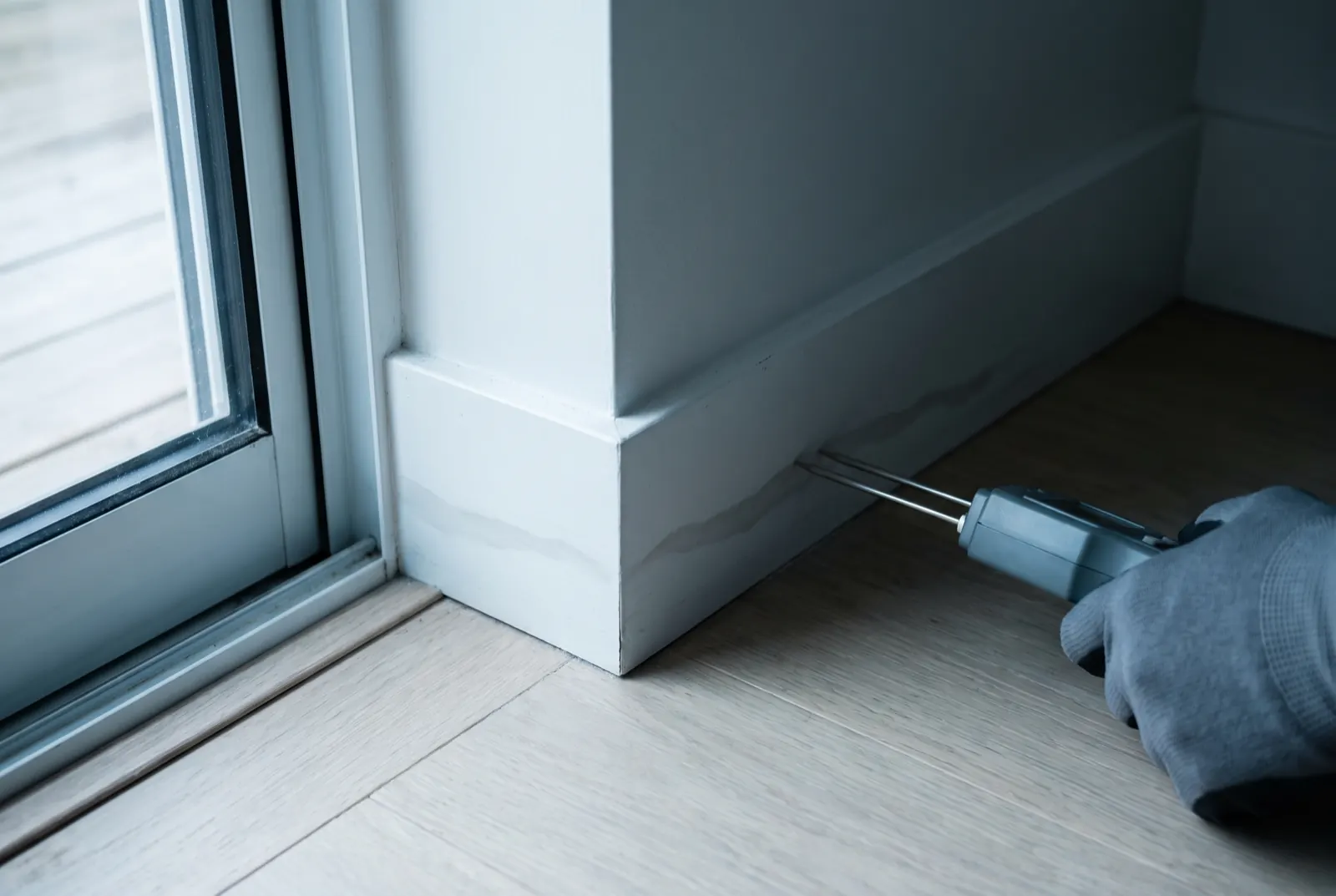
Moisture Intrusion Investigations
Source-focused moisture diagnostics that follow water through the building envelope and systems — the step most likely to prevent recurring mold.
Learn moreMold Assessment & Remediation Protocols by city
Local mold assessment & remediation protocols pages for the communities Sterling serves — from the Treasure Coast to Palm Beach County.
What you receive
See what this service produces
Every inspection ends in a written assessment, and where sampling is involved, an accredited laboratory analysis with a licensed interpretation. Published in full.
See every section of every document
Ready for clear answers about moisture and mold?
Request an inspection or call Sterling. We explain what we find, what it means, and what to do next — with no remediation upsell.