Understand mold and moisture — clearly, without the fear.
Straightforward, sourced explanations from an independent assessor. In-depth guides here; quick, snippet-style answers in the Answers hub.
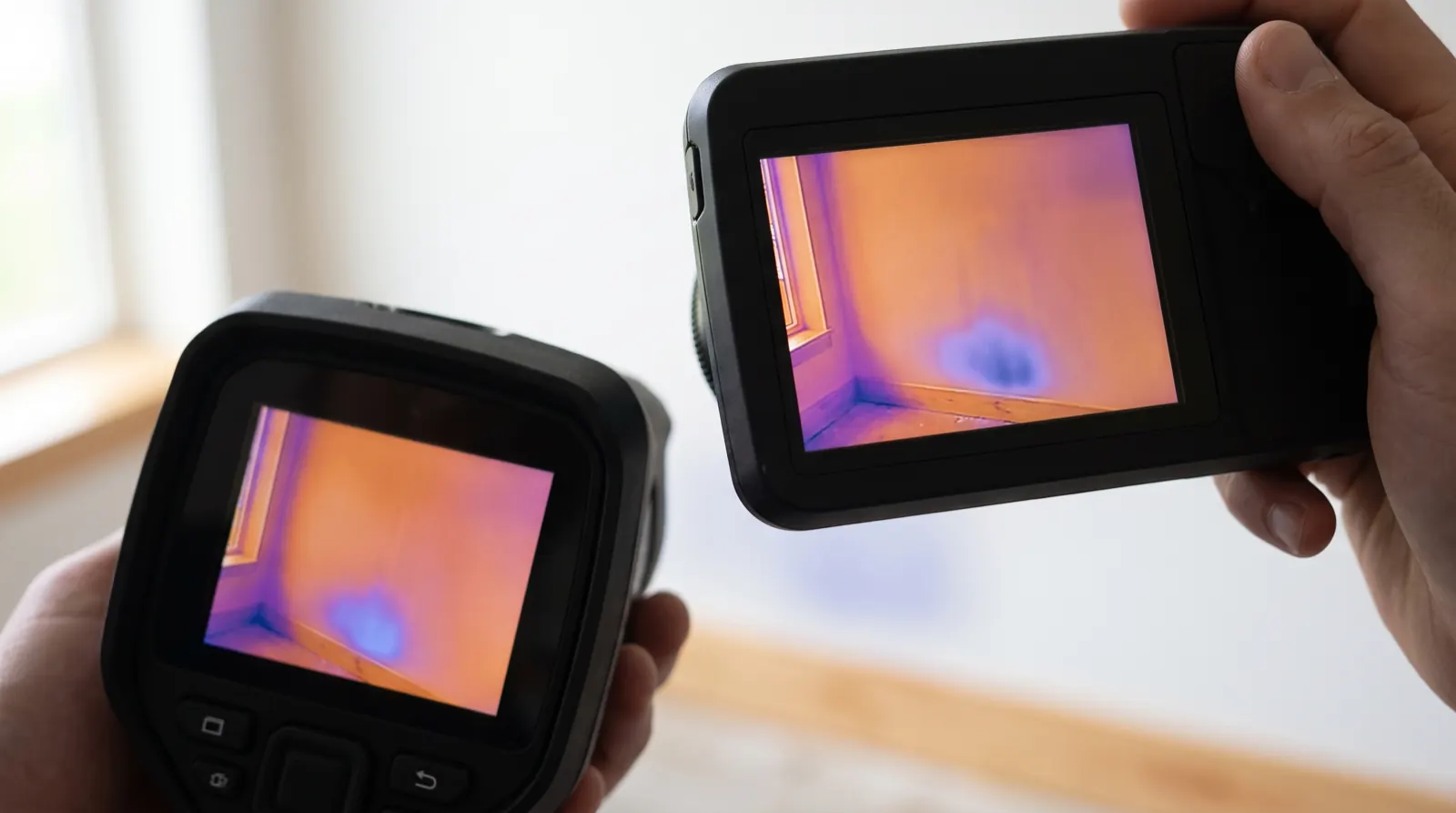
Short answer
Mold is a moisture problem first. These guides explain how inspections work, when testing helps, what Florida's assessor/remediator rules mean, and how humidity, HVAC systems, and storms drive indoor mold — so you can make informed decisions.
 Featured guide
Mold assessor vs. mold remediator: why independence matters
Florida separates the roles of assessing mold and remediating it. Here's what each does, why the distinction protects you, and what 'independent' really means.
Looking for a quick answer?
The Answers hub covers cost, testing vs. inspection, black mold, HVAC mold, disclosure, and more — short, straight answers to the questions people ask most.
Field notes
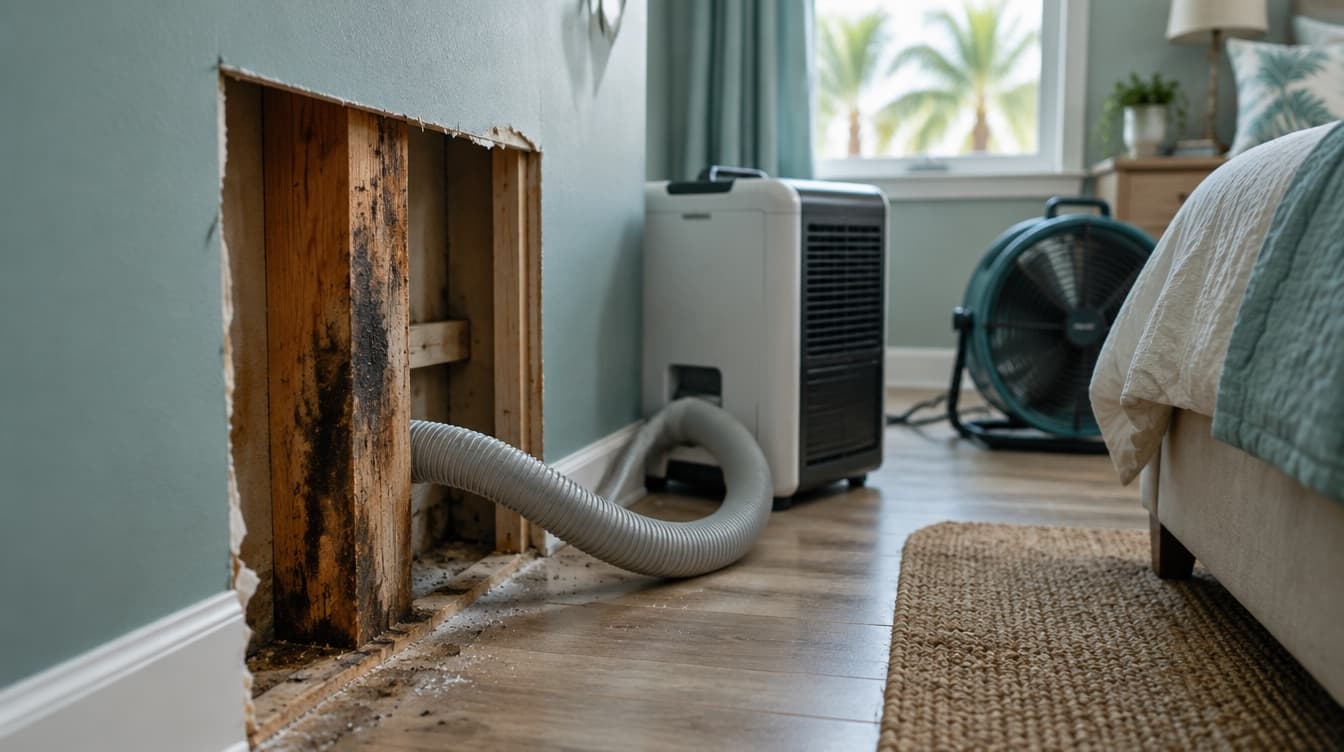
What to Do if Your Mold Inspection Finds Mold
What to do when a mold inspection finds mold: fix the source first, decide what you can handle yourself, scope remediation in writing, then verify.
How Often Should You Get a Mold Inspection?
How often to get a mold inspection in Florida: the events that should trigger one, the homes that benefit from a yearly check, and when the answer is never.
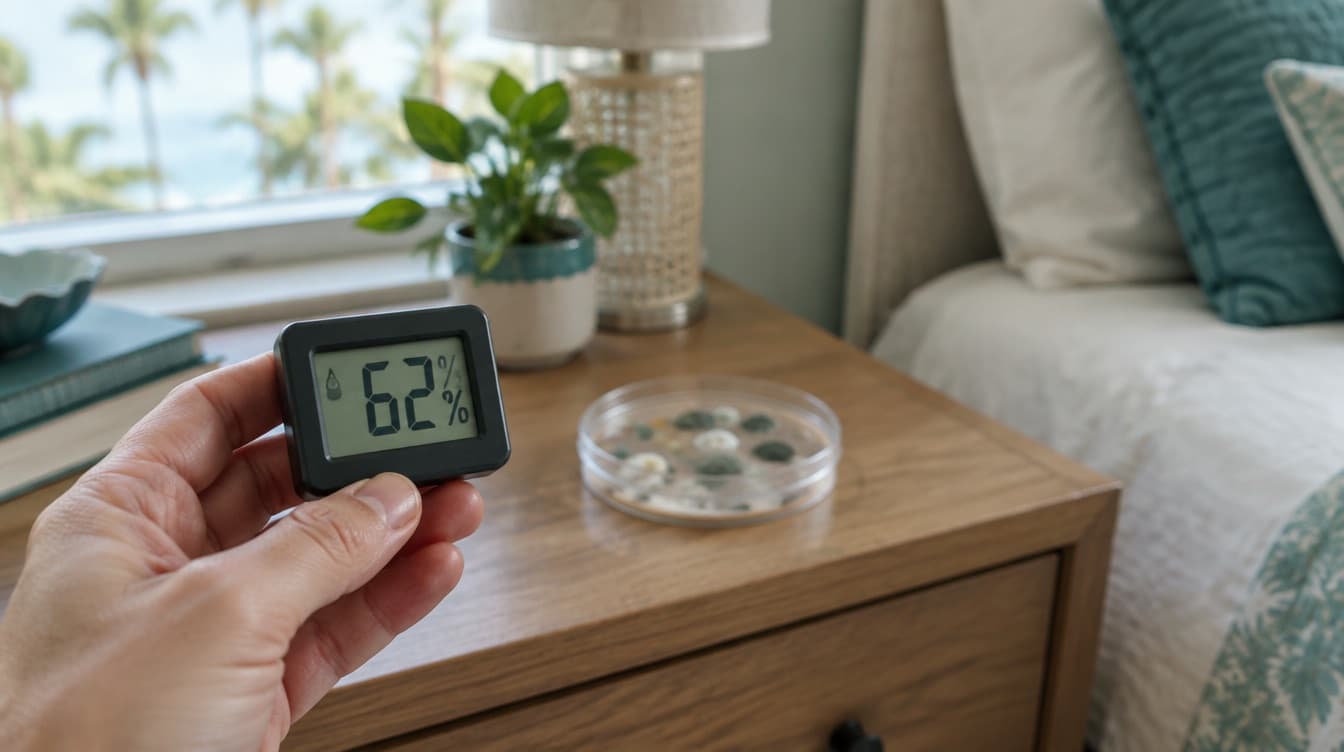
Can I Test for Mold Myself or Do I Need a Pro?
What you can honestly check for mold yourself with a hygrometer, a flashlight, and your nose, where DIY kits mislead, and when a licensed assessor is worth it.
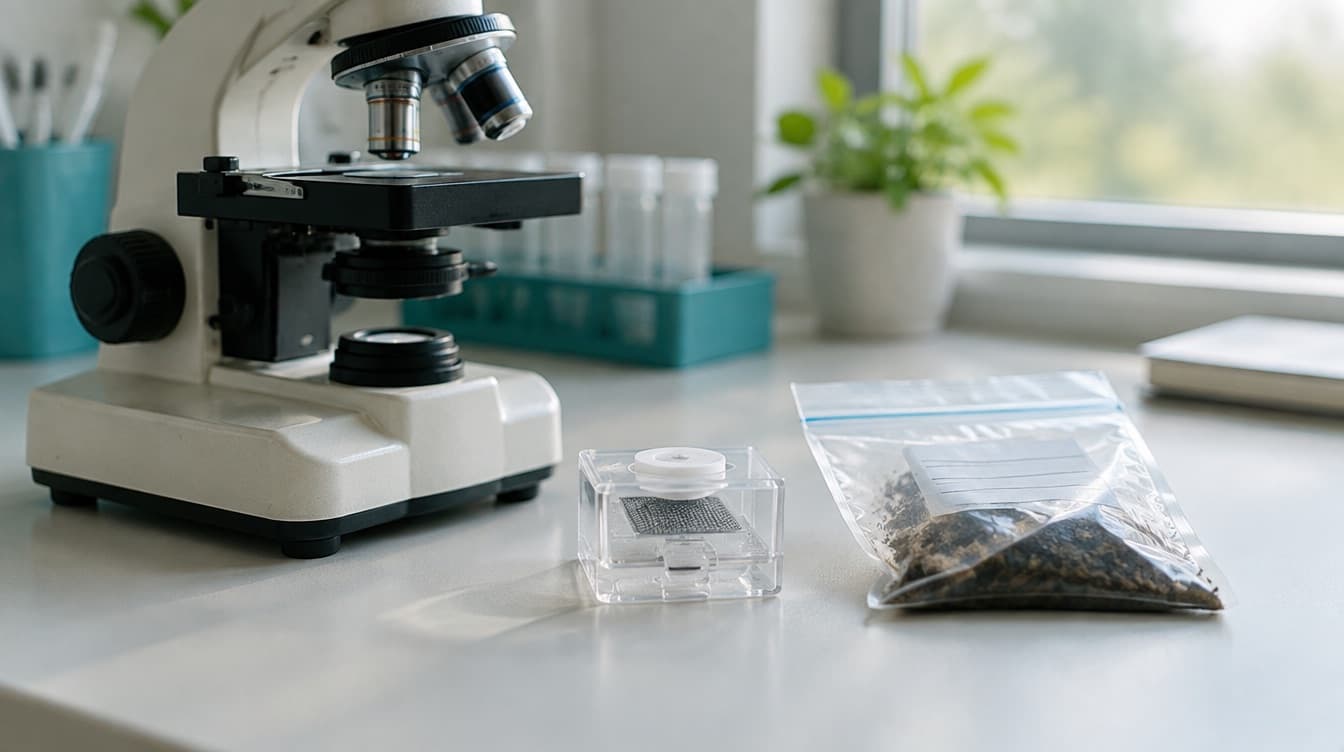
What's the Most Accurate Way to Test for Mold?
The most accurate mold test depends on the question: a surface sample for identity, paired air samples for the air, and a moisture inspection for the cause.
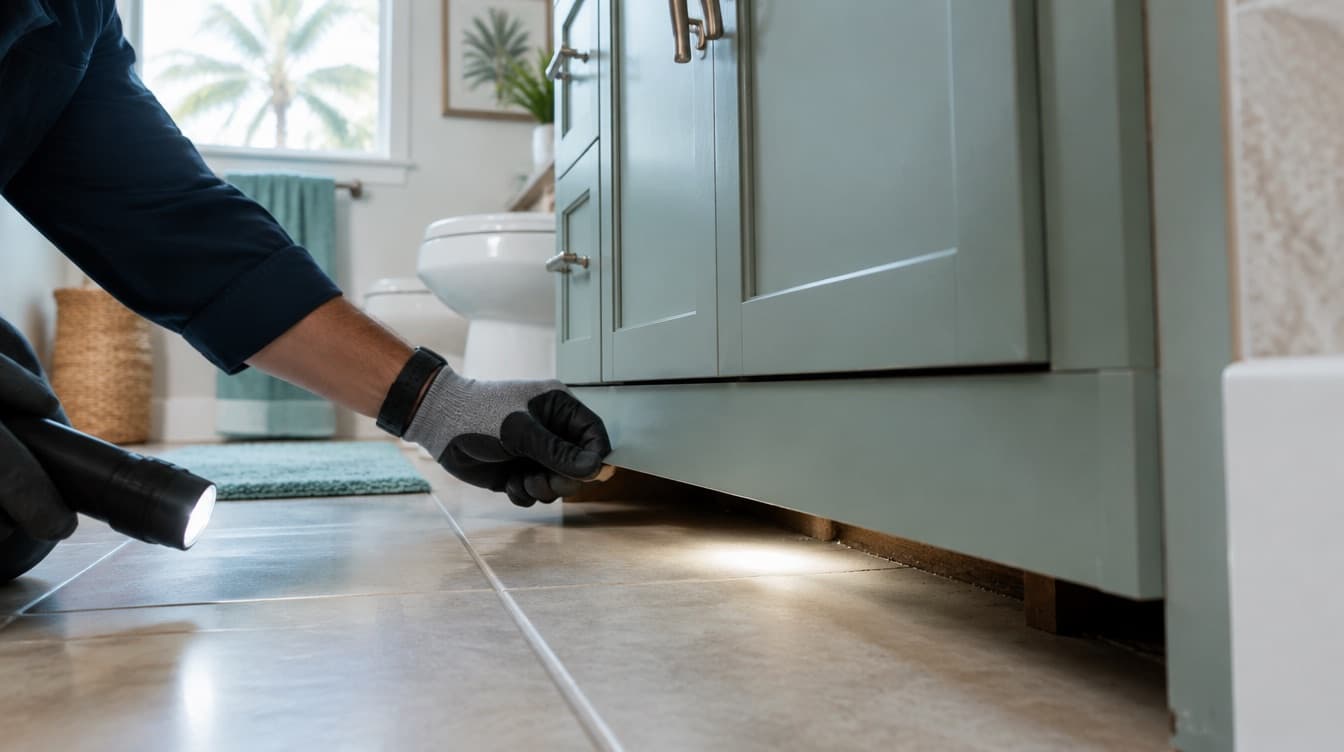
What Does a Mold Inspector Look For?
What a mold inspector looks for, room by room: moisture paths, the air handler, the attic, closets on exterior walls, humidity, and the clues that date a stain.
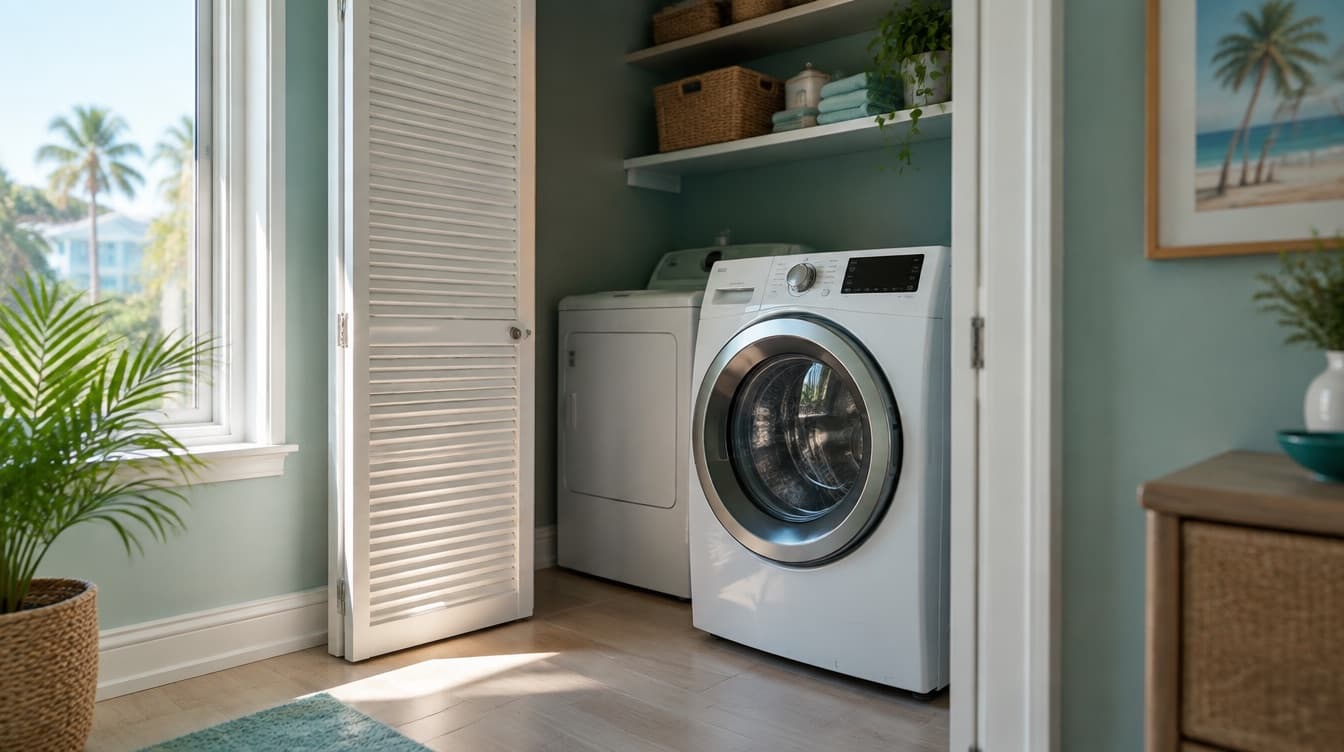
How to Prepare Your Home for a Mold Inspection
How to prepare for a mold inspection: what to clear, what to leave alone, why the AC should stay on, what to write down beforehand, and what not to clean.
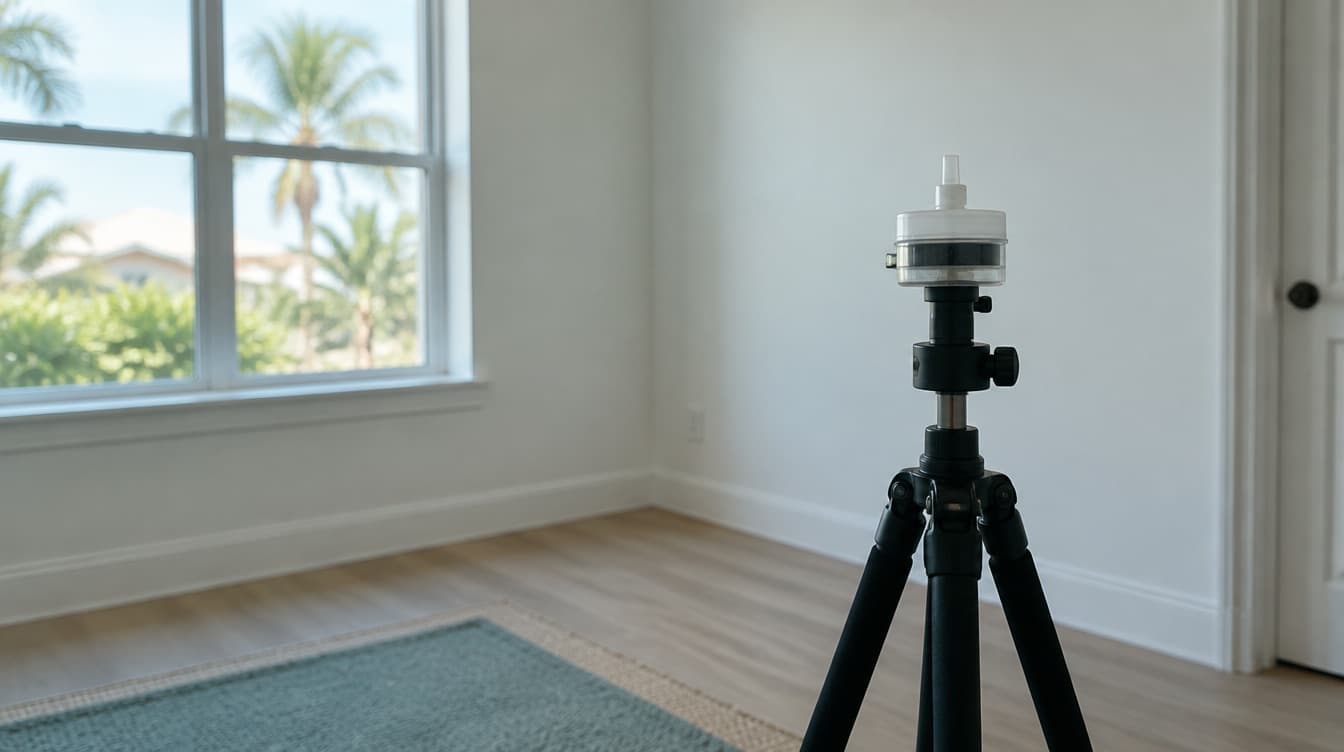
Should I Test for Mold if I Don't See Any?
Whether to test for mold when nothing is visible: what a musty smell, symptoms, humidity, and a past leak mean, and when air sampling is worth it in Florida.
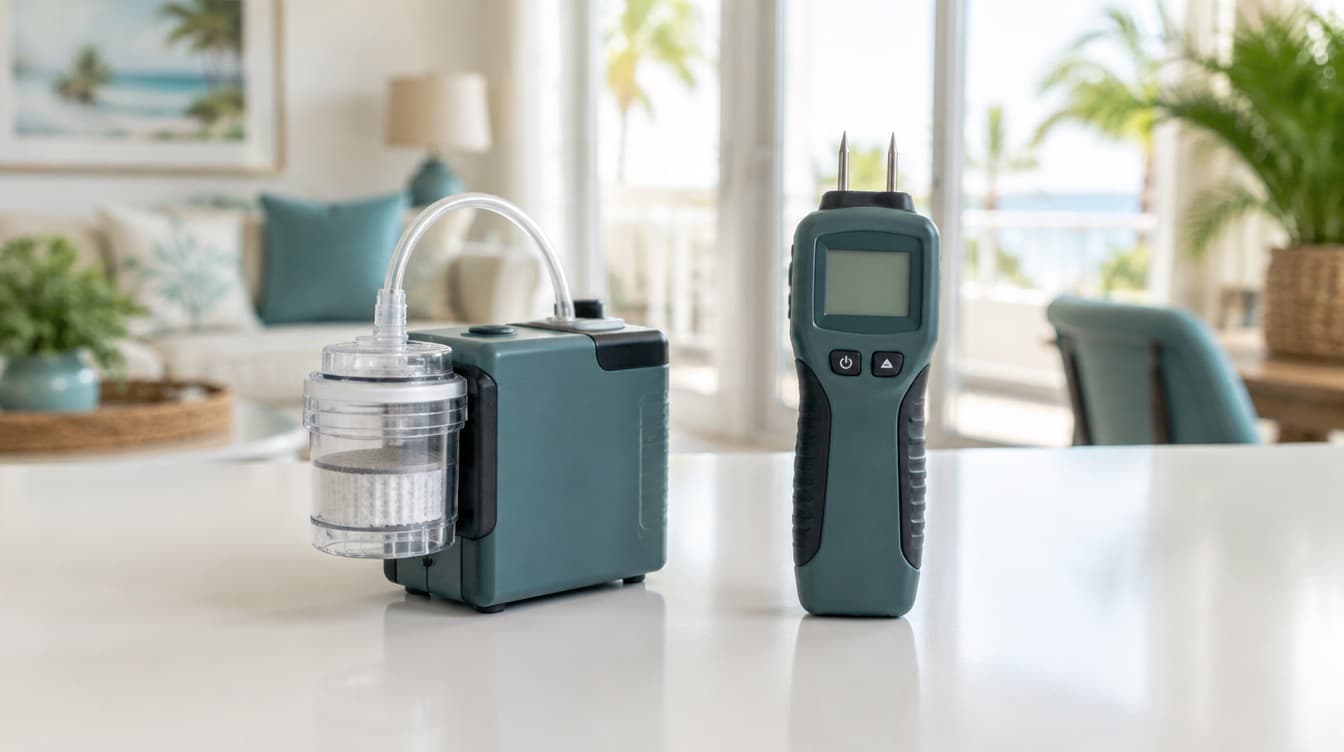
Mold Inspection vs. Mold Testing: Which Do You Need?
Mold inspection vs. mold testing, decided by your situation: an odor with no source, visible growth, a tenant dispute, a home purchase, or post-remediation.
How Long a Mold Inspection Takes in Florida
How long a mold inspection takes in Florida: the on-site visit by property type, the written report, and lab turnaround, with what makes each part longer.
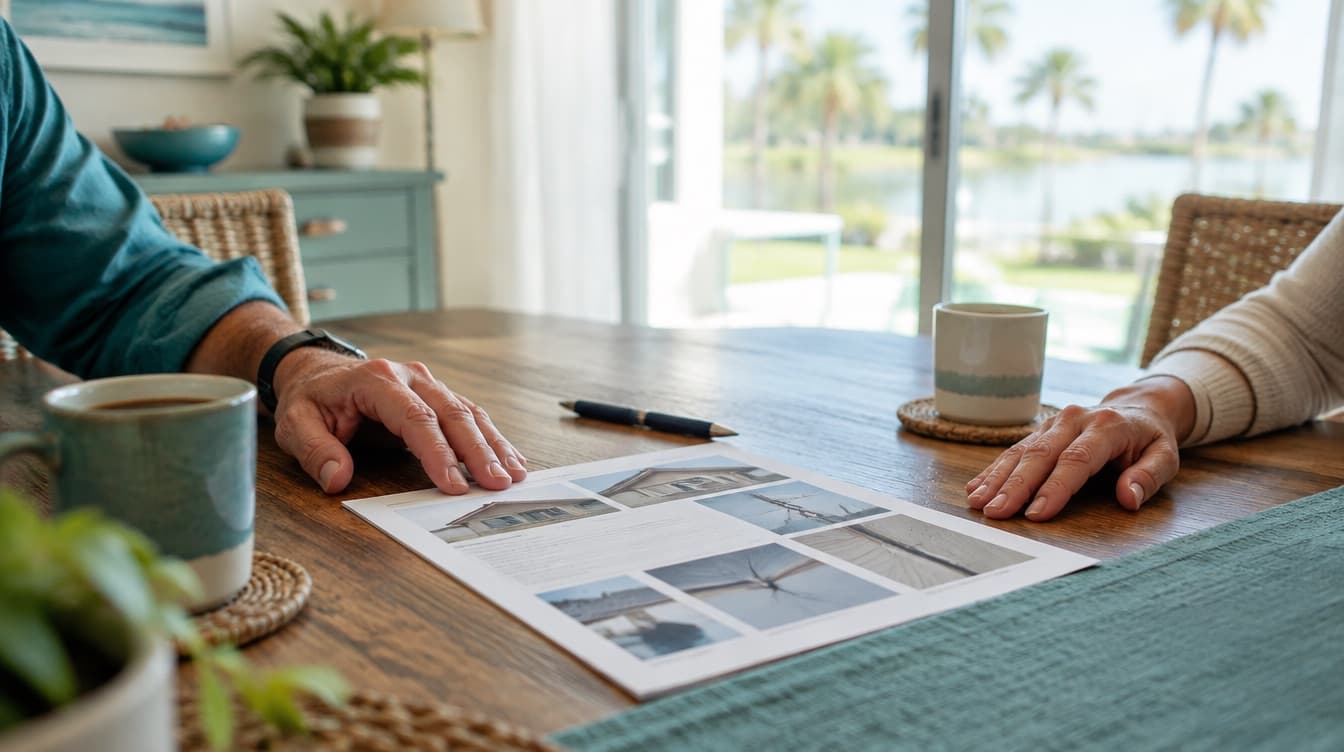
Questions to Ask Your Mold Inspector
The questions to ask a mold inspector before, during, and after the visit, with the answers a licensed Florida assessor gives and the ones to worry about.
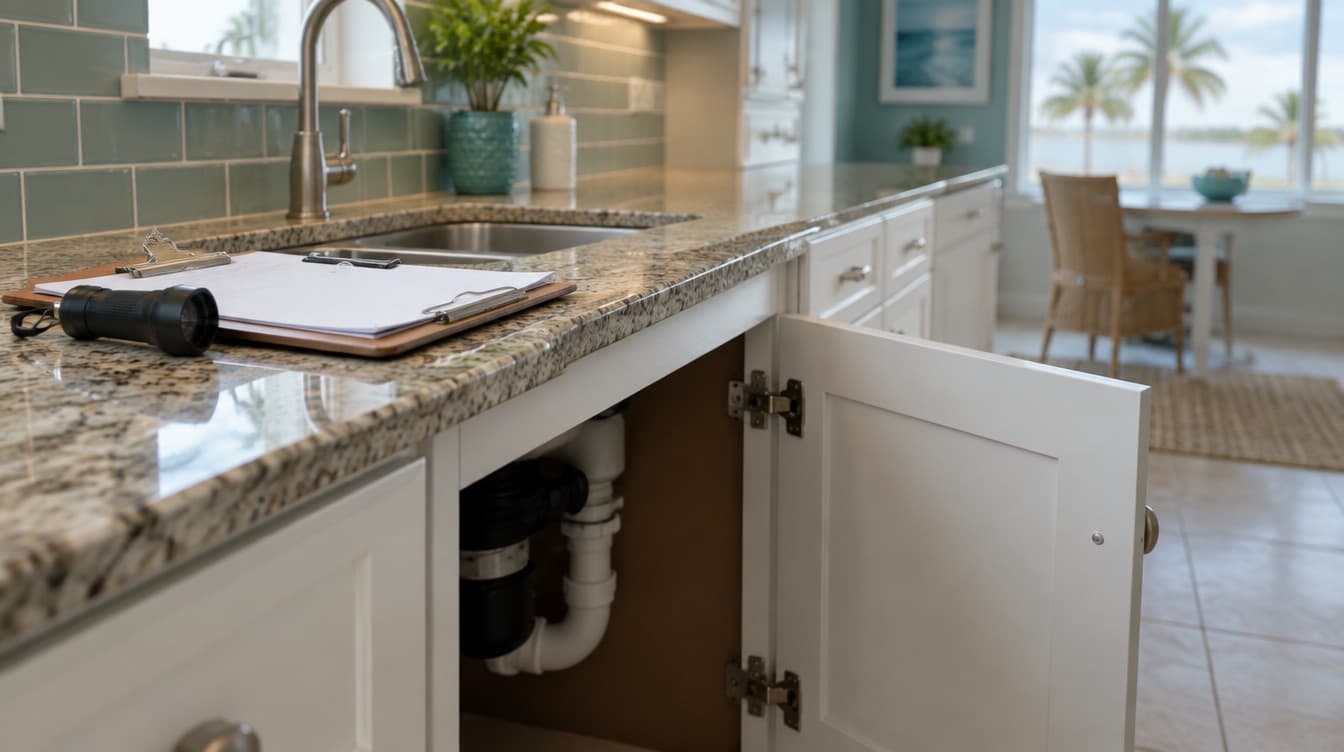
Can a Home Inspector Detect Mold?
Can a home inspector detect mold? What a general home inspection can and cannot tell you about mold in Florida, and when to call a licensed assessor.
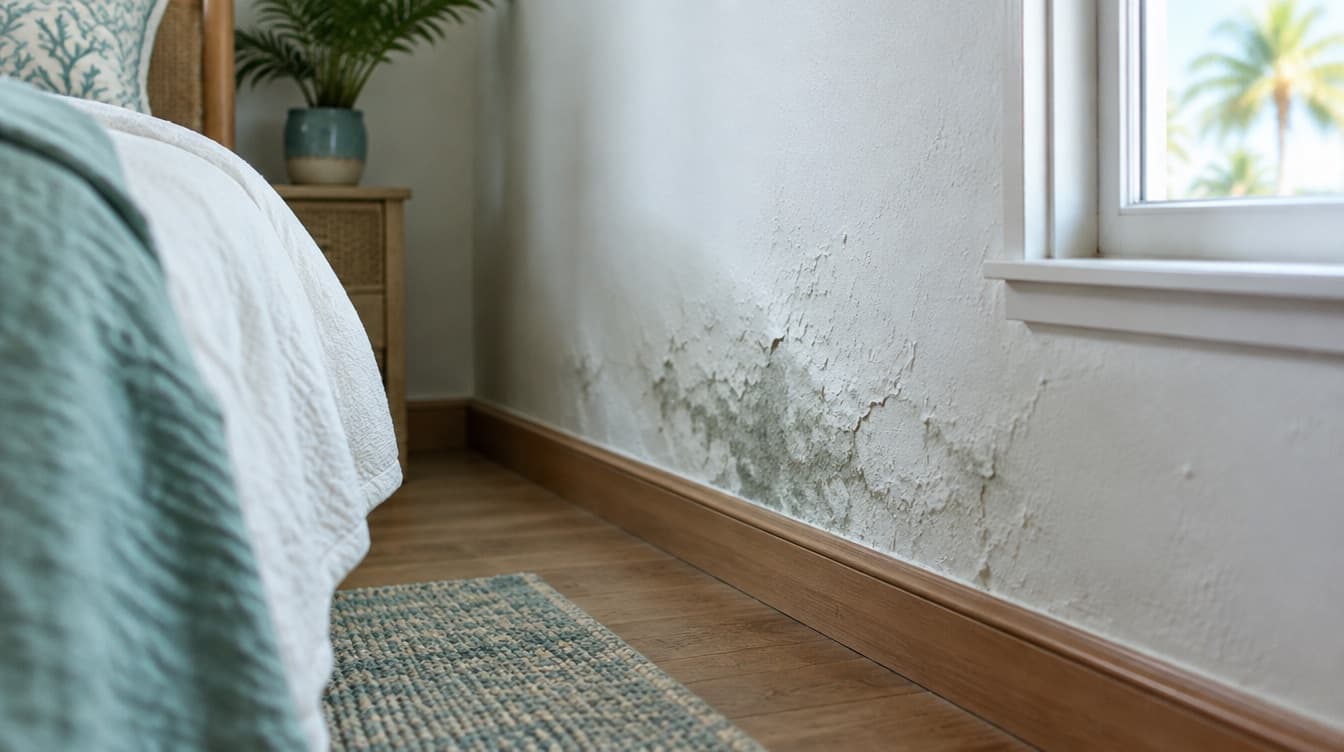
What Are the Signs of Mold in Your House?
The signs of mold in a house from a licensed Florida assessor: what growth looks like on each surface, the odor, paint and baseboard clues, where to look first.
Do I Need a Mold Inspection When Buying a House?
Do you need, or are you required to get, a mold inspection to buy a Florida house? What the law says, who can require one, and the signs that decide it.
How to Find a Good Mold Inspector Near Me
How to find a good mold inspector near you in Florida: license lookup, independence from remediation, sample reports, and the questions that expose a weak one.
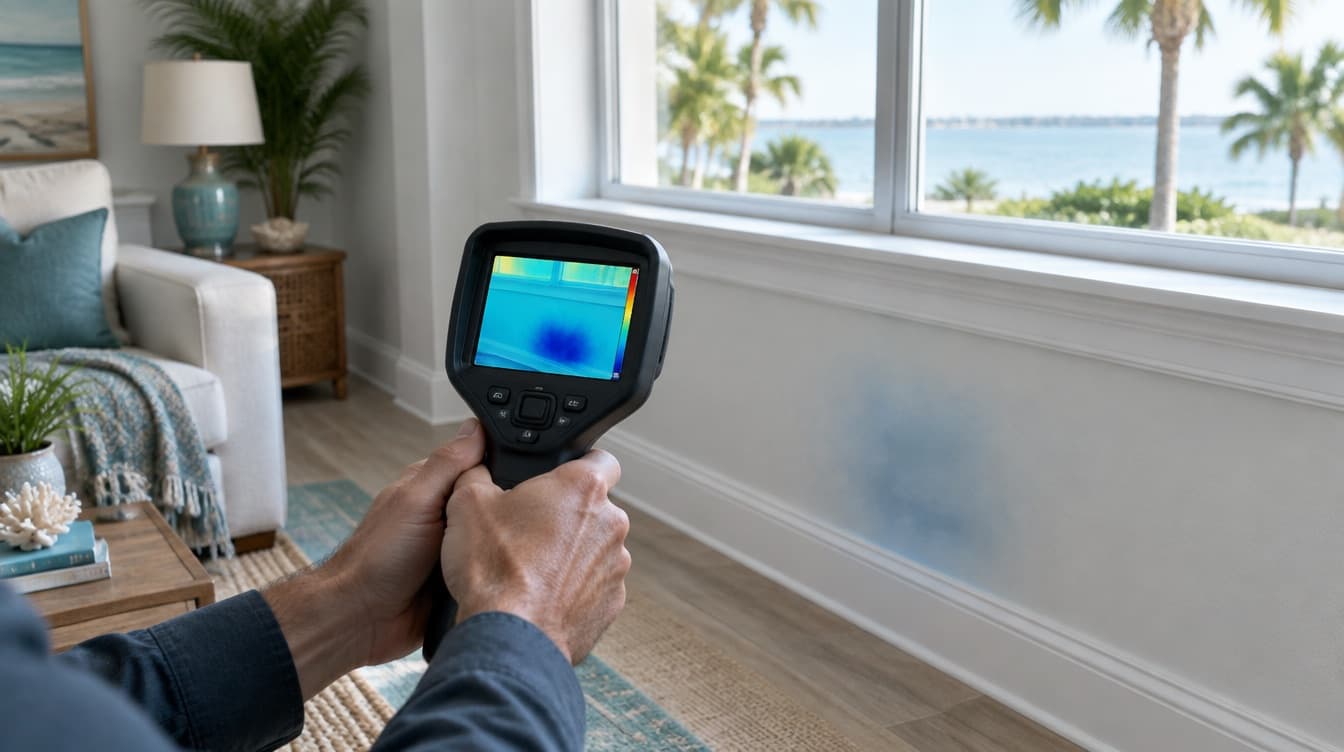
What Does a Mold Inspection Include?
What a professional mold inspection includes, and what it does not: moisture investigation, instruments, climate readings, sampling logic, and the report.
Bathroom exhaust fans: the cheapest mold defense
A working bathroom exhaust fan is the cheapest humidity control in a Florida home. How to test yours, size it right, and spot the ones making mold worse.
Slab or crawl space: how Florida homes get damp
Florida slabs wick moisture up from wet soil and crawl spaces collect condensation from humid air. Here is how to tell which one your house has.
Why mold keeps coming back after cleaning
Mold keeps coming back after cleaning because the water source is still there. Here is how to find the moisture, fix it, and know when to test.
Mold clearance testing: what passing means
Mold clearance testing confirms a remediation actually worked. Here is what a passing result proves, what it does not, and how to read the report.
Possible microbial growth: what buyers should do
Your home inspector flagged possible microbial growth. Here is what that phrase really means, what it does not mean, and how to handle it before closing.
Wind-driven rain: how water gets through stucco
Wind-driven rain rarely soaks through stucco itself. It enters at windows, joints, and penetrations. Here is where Florida walls leak and what to check.
Ceiling water stain: old leak or active leak?
A ceiling water stain that feels cool, soft, or keeps growing is active. Here is how to tell an old leak from a live one before you prime and repaint.
Indoor humidity in Florida: what it should be
Keep indoor humidity between 45 and 55 percent in coastal Florida. Here is why that range matters, how to measure it honestly, and how to actually hold it.
AC condensate drain clogs: a quiet mold cause
A clogged AC condensate drain line spills water into closets and walls for weeks before anyone notices. How to spot it, clear it, and know when it caused mold.
Oversized AC: why your Florida home feels humid
An oversized AC cools fast, shuts off, and never runs long enough to dehumidify. Here is why that leaves Florida homes humid and what actually fixes it.
Air sampling vs surface sampling for mold
Air sampling measures what you are breathing. Surface sampling identifies what is growing on a material. Here is when each one earns its cost.
How to read a mold lab report: spore counts
Your mold lab report makes sense once you know the reading order. Here is what spore counts, the outdoor control, and each genus actually tell you.
Musty smell, no visible mold: how we track it
A musty odor with nothing visible means water is sitting somewhere you cannot see. Here is how a Florida inspector narrows it down without guessing.
Welcome to Sterling's Field Notes
Field notes on mold assessment, moisture intrusion, and indoor air quality across the Treasure Coast and Palm Beach County.
Florida mold inspection fundamentals
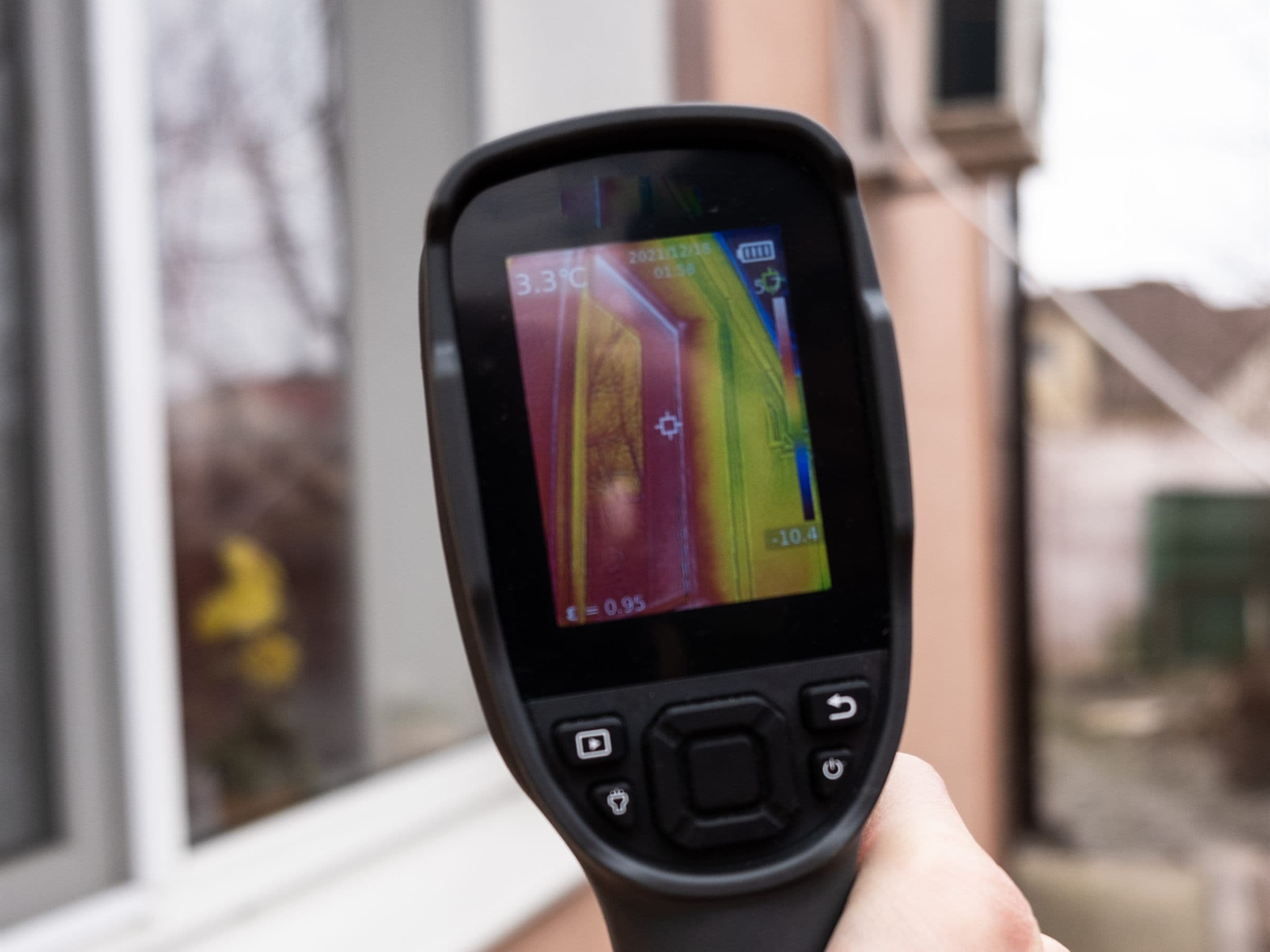
How does Florida license mold assessors and remediators?
Florida licenses mold assessors and remediators separately and keeps the roles independent.
How much does a mold inspection cost in Port St. Lucie?
What a mold inspection actually costs on the Treasure Coast and what drives the price. Sterling publishes flat pricing: $400 and $700.
“Black mold”: myths and facts
“Black mold” is a colour, not a species, and colour cannot tell you what an organism is or how urgent it is.
Florida humidity and HVAC-related moisture
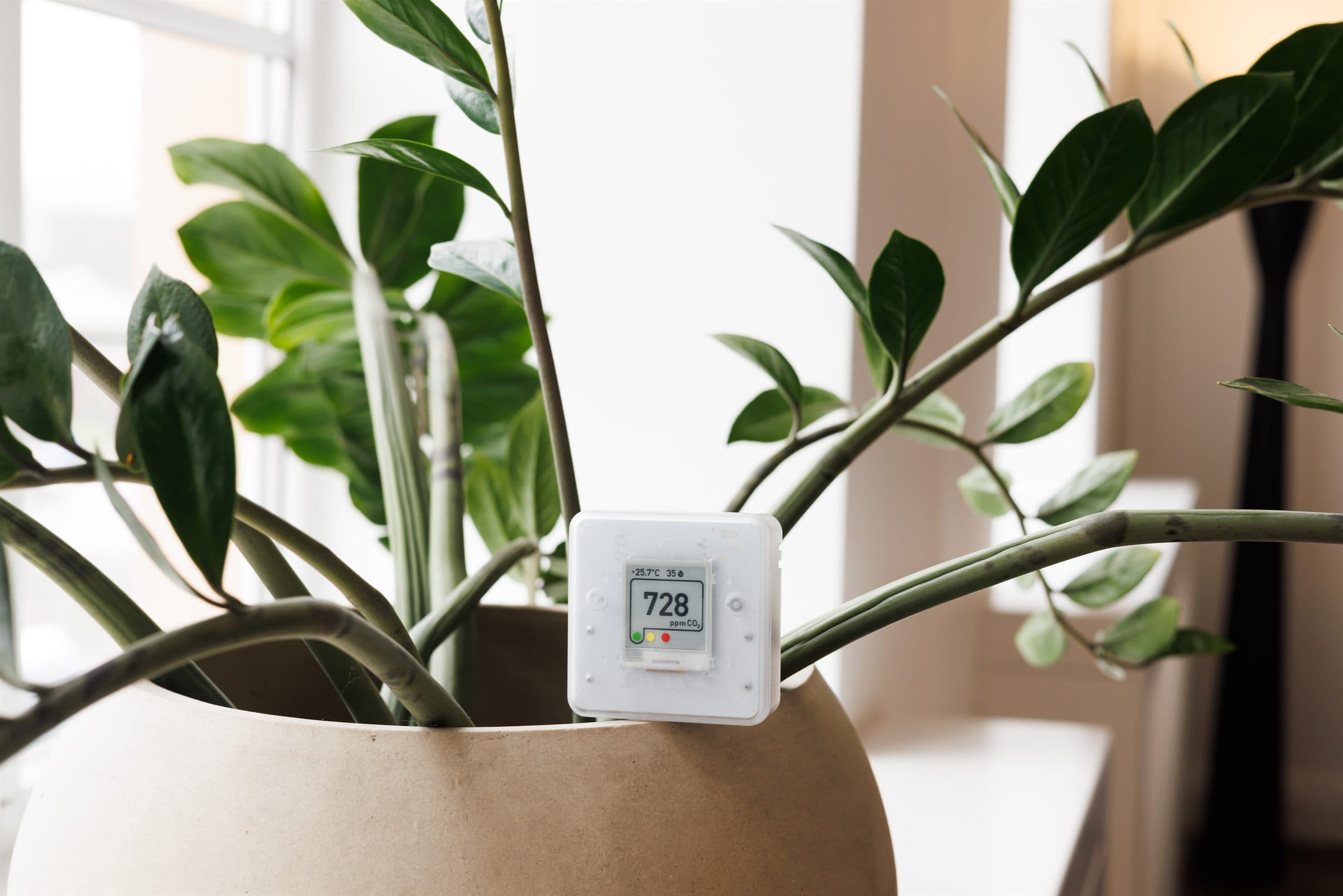
Florida humidity and indoor mold
Why Florida's climate keeps indoor moisture high, how humidity and HVAC systems contribute, and practical ways to reduce the conditions mold needs.
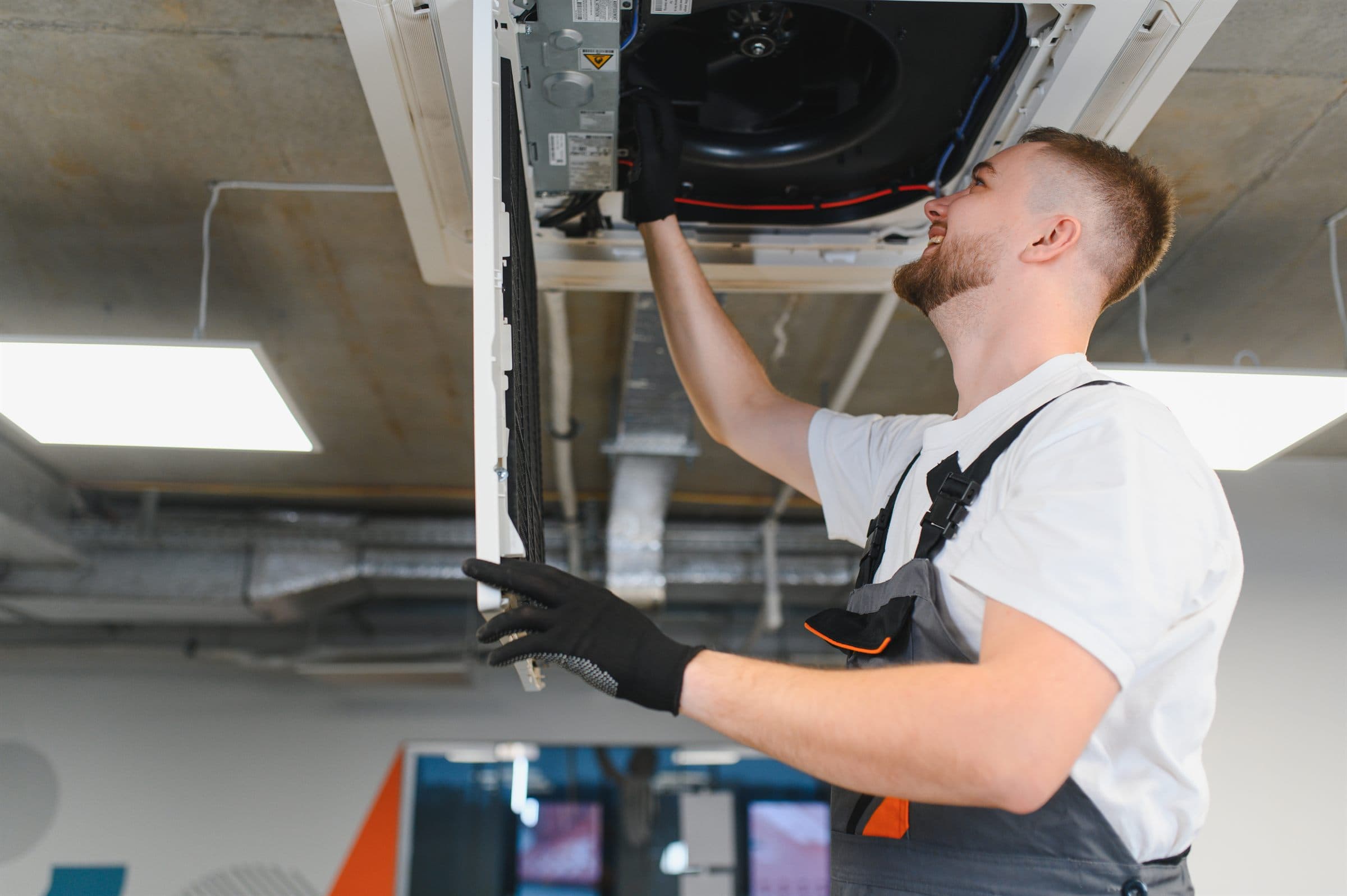
What causes HVAC mold in Florida homes, and what should you do?
Florida air conditioners run constantly and pull water out of the air — which is exactly why HVAC systems grow mold.
Moisture and building diagnostics
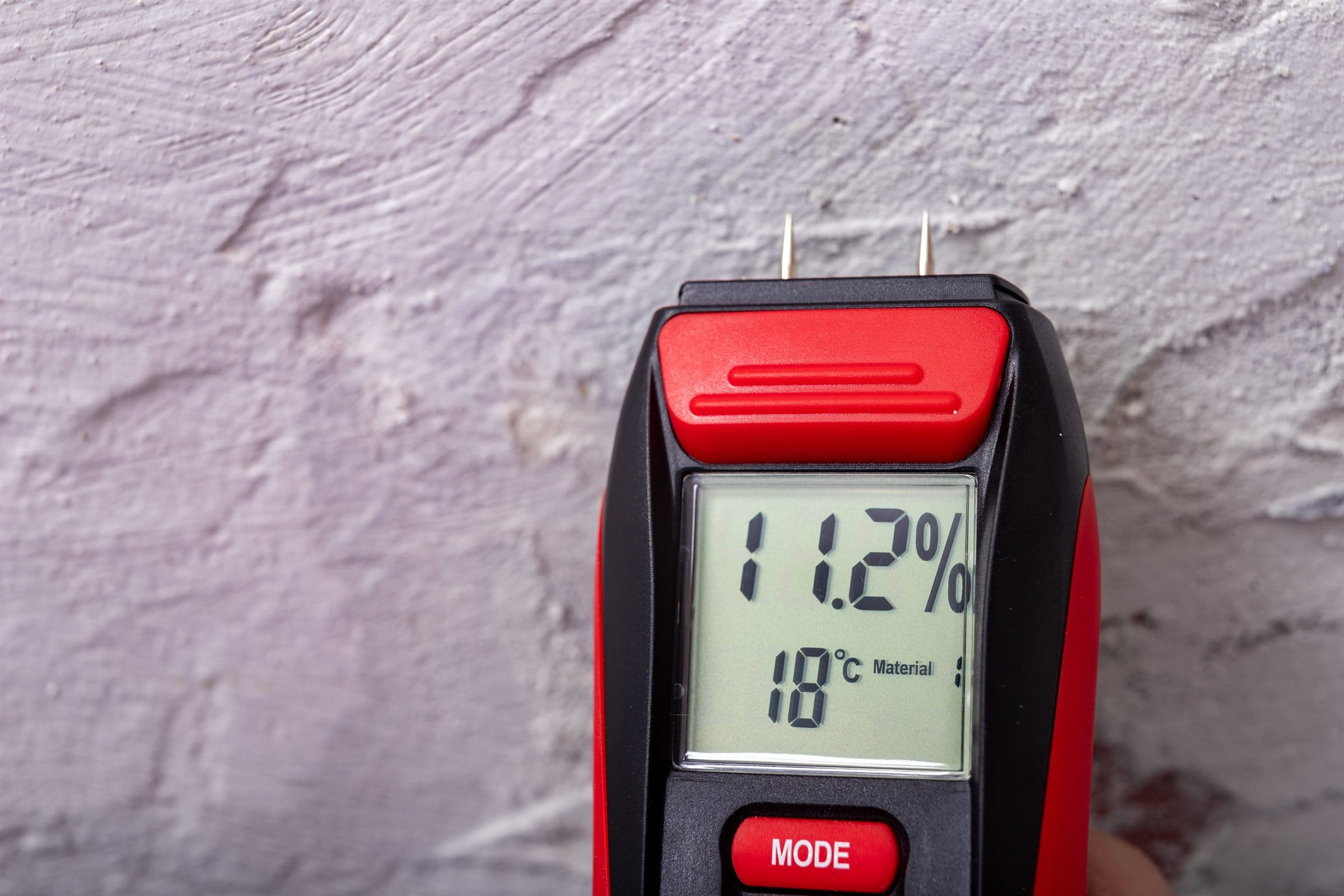
Prevention and next-step education

What is the mold timeline after hurricane flooding?
After a storm floods a Treasure Coast home, mold can begin within 24–48 hours.
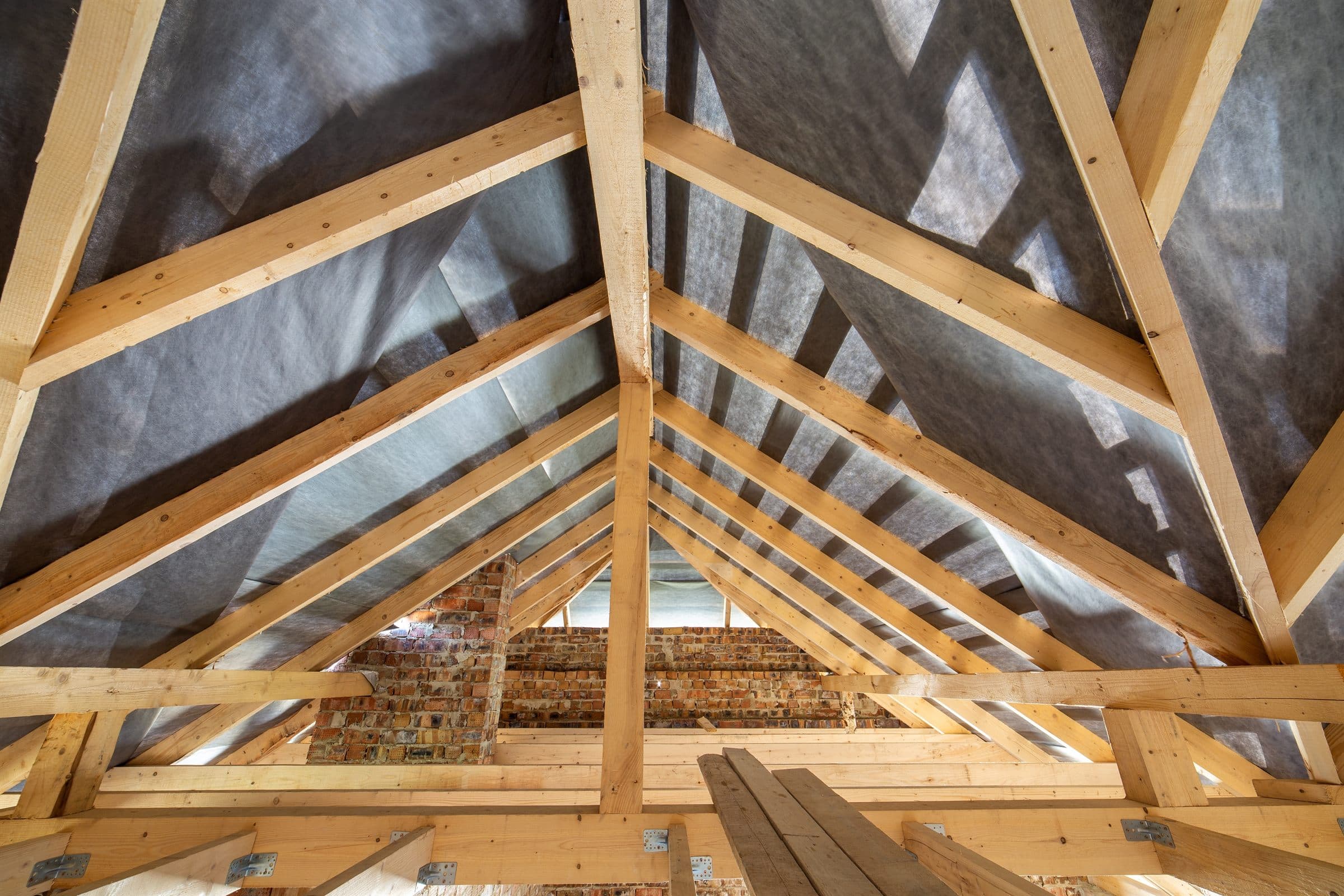
How do you prevent mold in a Florida home?
Mold prevention in Florida comes down to controlling moisture — especially humidity.
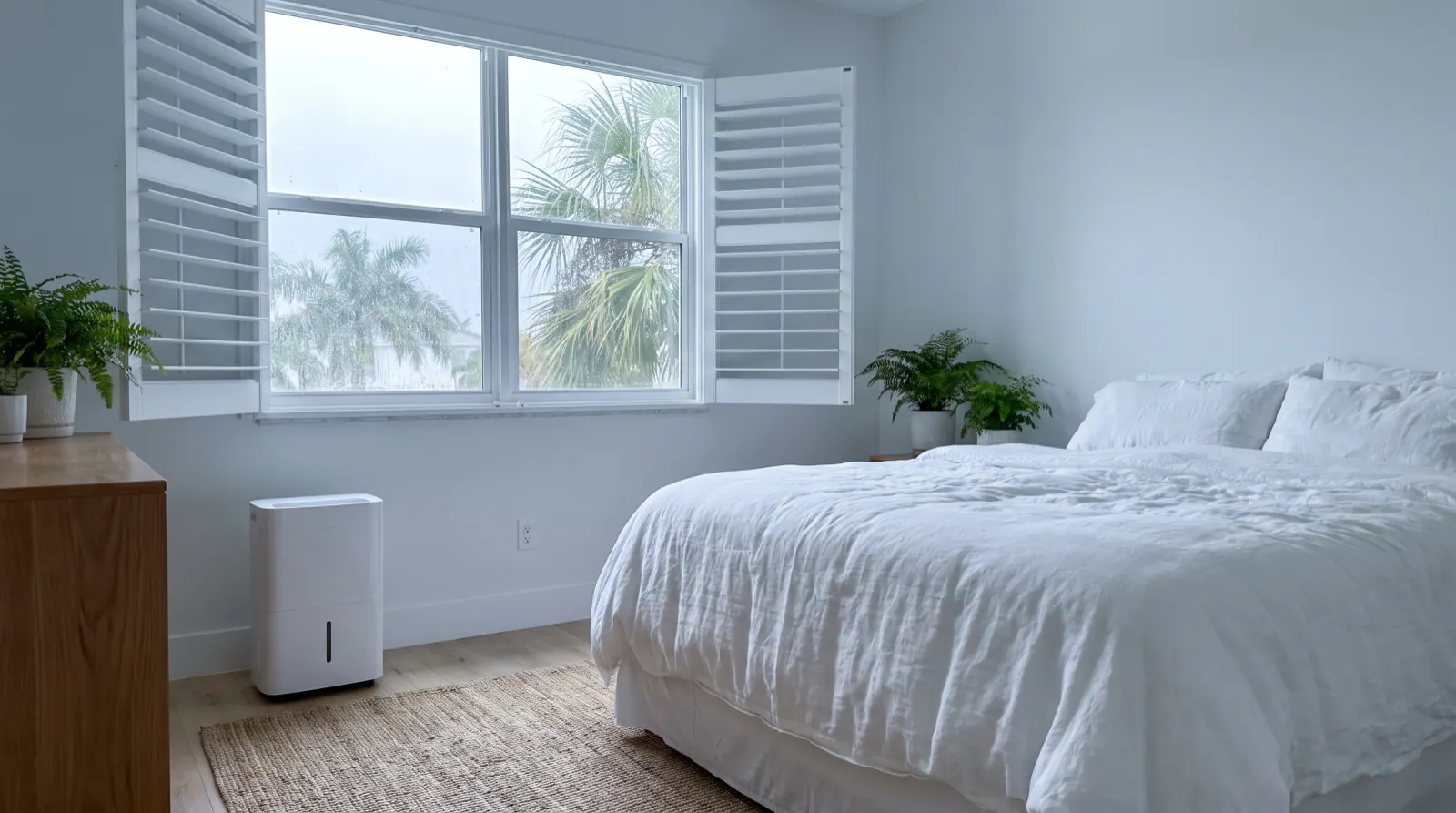
What to do in the first 48 hours after water damage
A practical guide to the window that decides whether a water event becomes a mold problem — what to do immediately, what to document, and the mistakes that cost.
Real estate transactions

Sampling and laboratory interpretation
More guides in progress
Topics we're actively writing, organized by theme. These are planned — not yet published.
Moisture and building diagnostics
- Can mold grow behind drywall?
- Can a thermal camera detect mold?
- Can a moisture meter detect mold?
Plumbing, roof, slab, and appliance leaks
- What to do after a roof leak
- What to do after a plumbing leak
Real estate transactions
- Why sellers benefit from a mold inspection
Commercial and property-management concerns
- What property managers should document about moisture
- Landlords, tenants, and moisture documentation
- Mold in condos: shared walls and shared systems
Insurance-claim documentation
- Documenting water damage for an insurance claim
Florida mold inspection fundamentals
- Mold vs. mildew: what's the difference?

Ready for clear answers about moisture and mold?
Request an inspection or call Sterling. We explain what we find, what it means, and what to do next — with no remediation upsell.