Short answer
Stop the water, make the area safe, and begin drying immediately — the first 24 to 48 hours is the window in which most water events are still just water events. Remove standing water, pull up saturated soft materials, increase air movement and dehumidification, and photograph everything before you move it. Mold growth on wet building materials can begin within roughly 24 to 48 hours under favorable conditions, which in Florida is most of the year. Document as you go: the photographs you take in the first hours are the ones an insurer or an assessor will most want later.
Hour zero: stop the water and make it safe
Shut off the source. For a supply-line or appliance failure that means the fixture stop valve or the main shutoff — worth locating before you ever need it. For a roof leak, containment and a tarp is usually all that is possible until weather allows a repair.
Treat water and electricity as a serious hazard. If water has reached outlets, wiring, or the electrical panel, or if you are dealing with a ceiling holding water above light fixtures, cut power to the affected area at the breaker or call an electrician. If the water came from sewage or floodwater, treat it as contaminated and limit contact.
Hours 1–6: photograph before you move anything
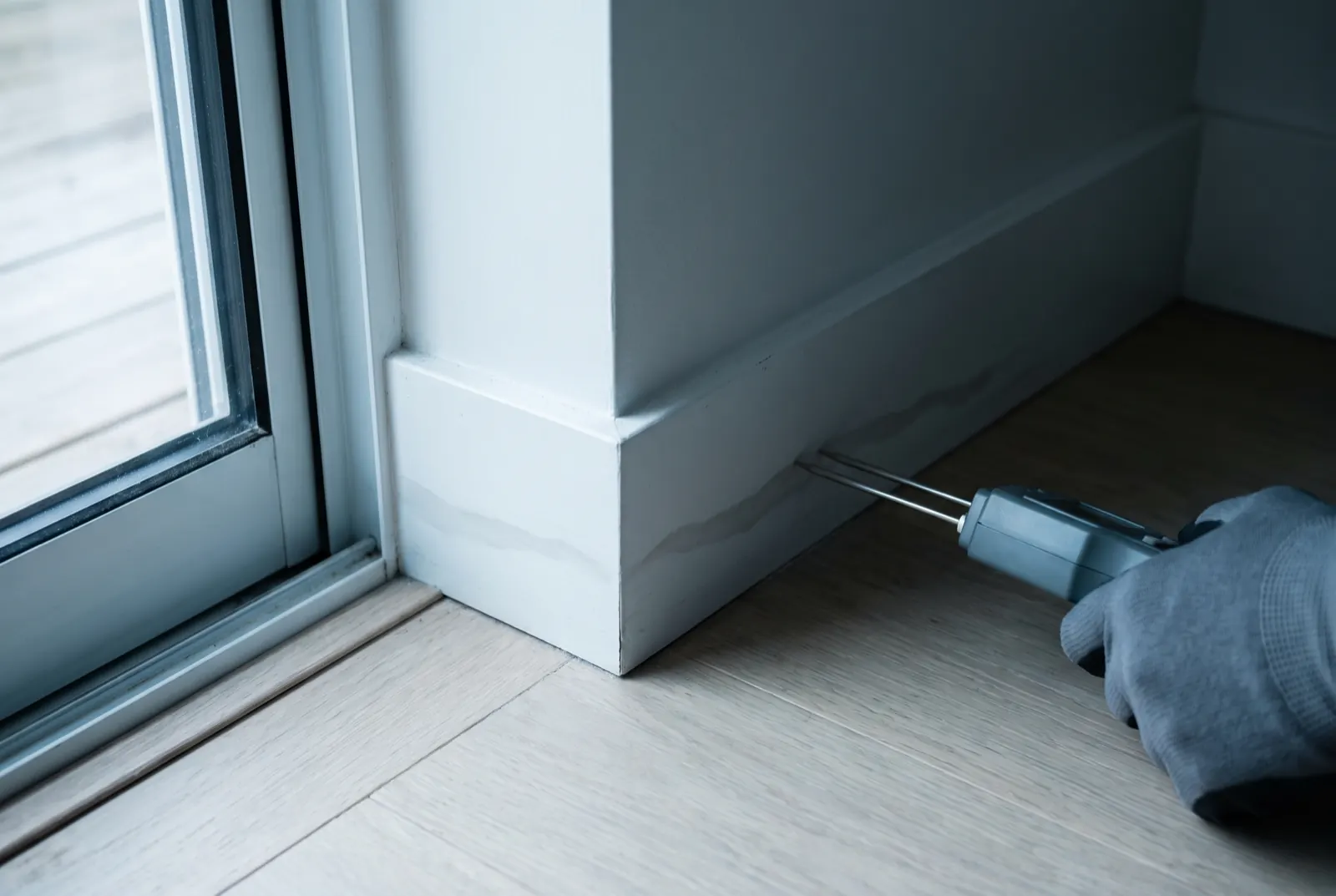
This is the step people skip and regret. Before you extract water or move furniture, photograph the scene widely and then closely: the source, the standing water, affected walls and flooring, damaged contents, and the water line on baseboards and cabinet toe-kicks.
Photograph serial numbers and model plates on any failed appliance or water heater. Keep whatever failed — a burst supply hose is evidence, and throwing it away can complicate a claim.
Then start a simple log with dates and times: when you discovered it, when the water was shut off, who you called, when equipment arrived. A contemporaneous timeline is far more persuasive than a reconstruction weeks later.
Hours 1–24: get it dry, and understand what dry means
Remove standing water. Pull up saturated carpet padding — padding acts as a sponge and is rarely worth saving. Move contents off wet flooring, and put foil or blocks under furniture legs so finishes do not bleed into carpet.
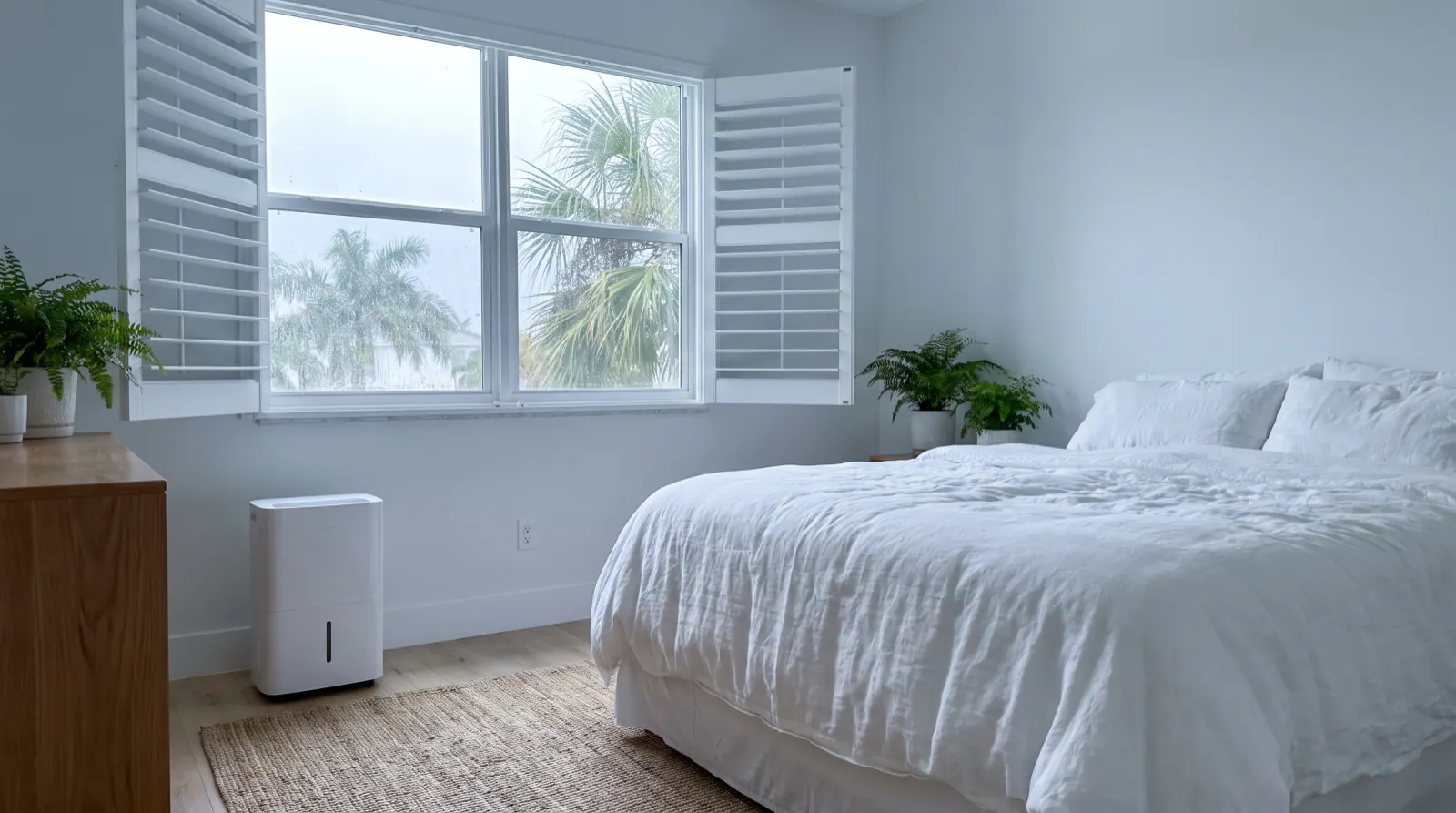
Increase air movement and lower humidity. In Florida this usually means running the air conditioning along with dehumidifiers, not opening windows: outdoor air here is frequently more humid than indoor air, so opening up can add moisture rather than remove it.
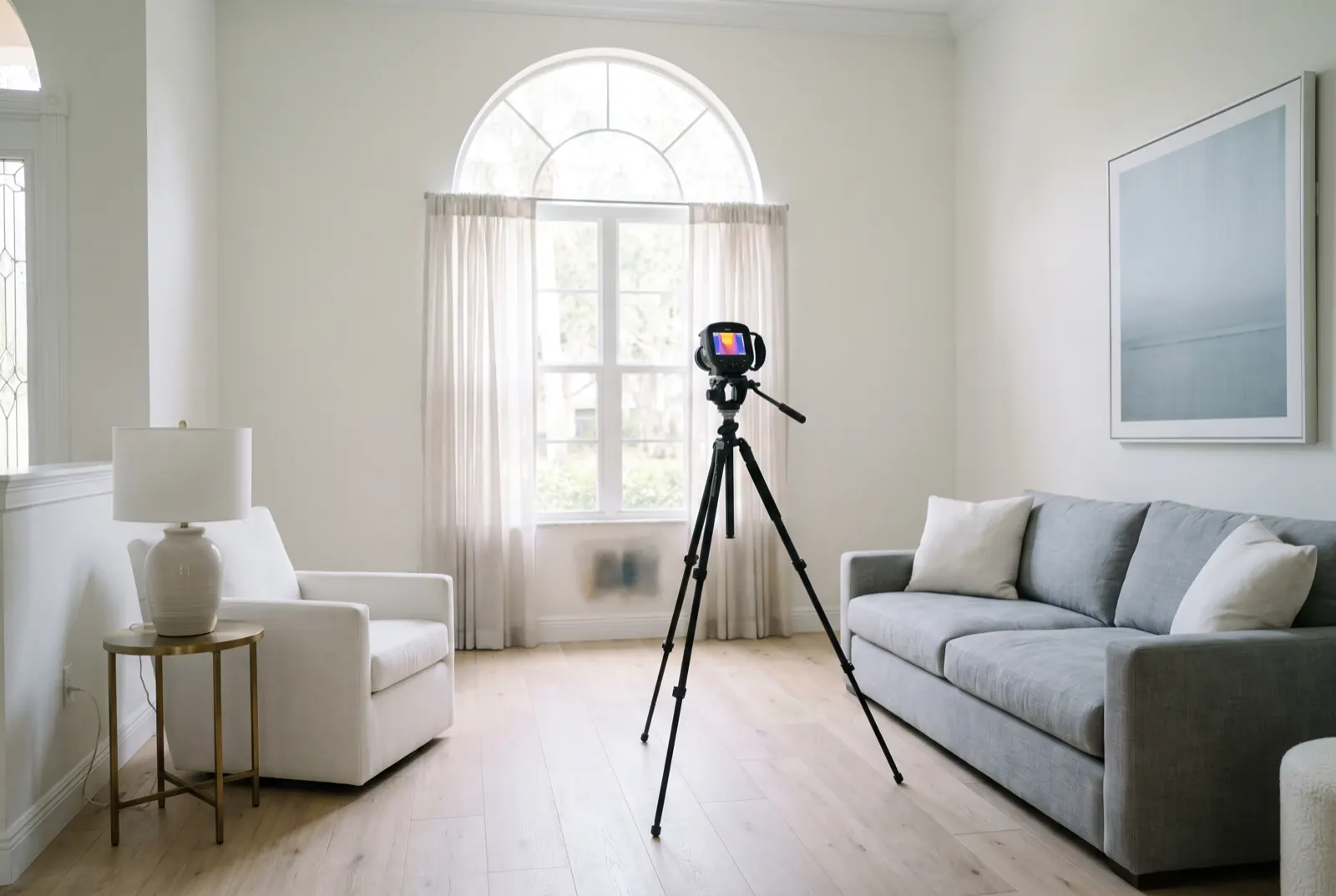
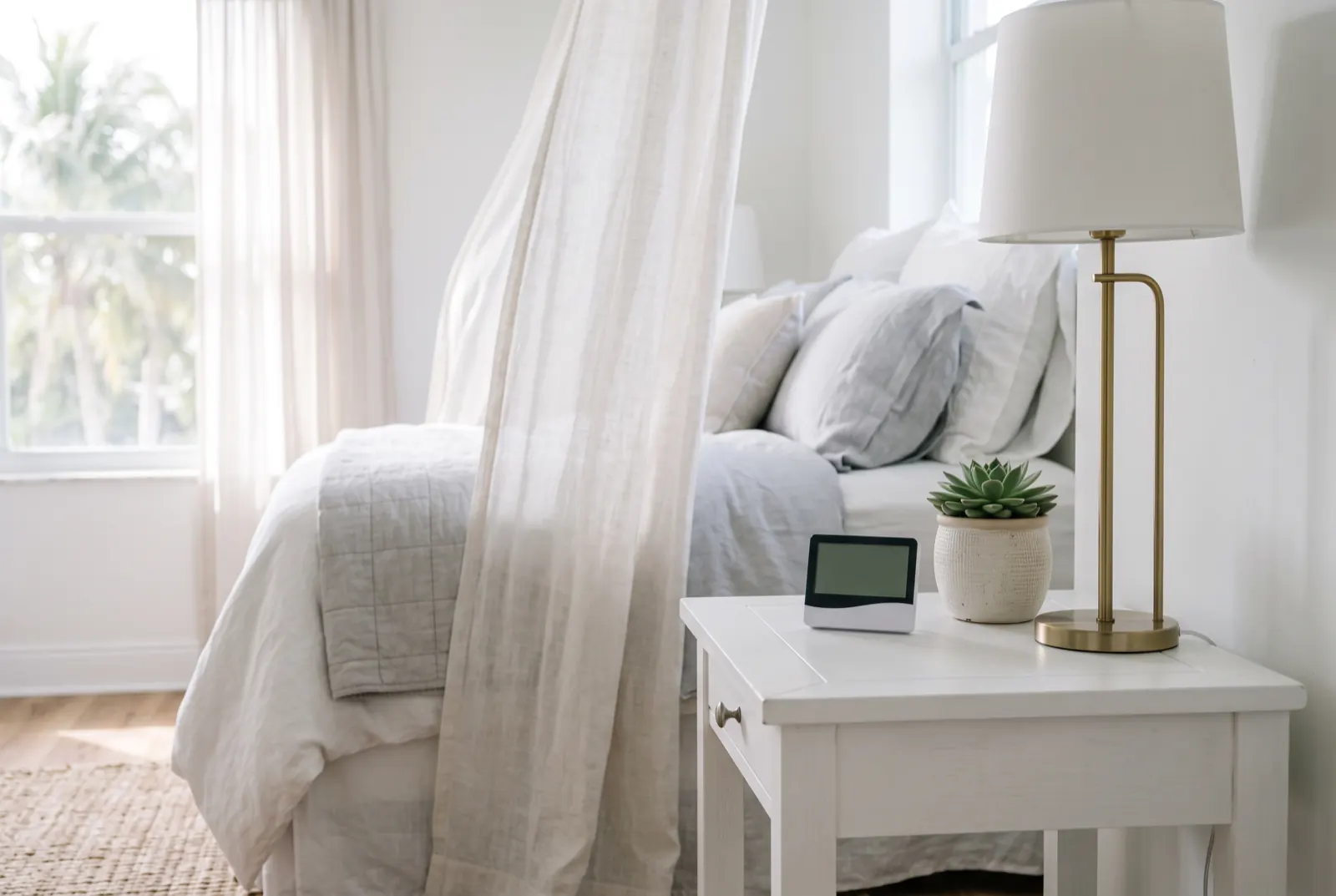
Understand that surfaces feeling dry to the touch is not the same as materials being dry. Water wicks into drywall, migrates under flooring, and sits inside wall cavities and under cabinets where no airflow reaches. This is precisely why moisture meters and thermal imaging exist, and why a surface-dry room can still be actively wet inside the assembly.
Hours 24–48: the window closes
Guidance from public health and environmental agencies consistently places the onset of mold growth on wet building materials at roughly 24 to 48 hours under favorable conditions. Florida's warmth and humidity make conditions favorable most of the year.
This is why urgency is real here and not a sales tactic. The difference between a water event and a mold project is very often just how quickly the materials were dried. Within this window, aggressive drying frequently prevents the second problem entirely.
If materials are still wet at the 48-hour mark, or if water penetrated wall cavities, under flooring, or into an HVAC system, that is the point to bring in someone with instruments rather than continuing to guess.
Notify your insurer early — and write everything down
Report the loss promptly, and keep receipts for everything, including fans, dehumidifiers, and emergency repairs.
The distinction between a sudden accidental discharge and long-term seepage is often the central question in a water claim, which is another reason contemporaneous documentation of when the event started matters so much.
Do not rely on memory for any of this. Write it down while it is happening.
The mistakes that cost the most
Painting or sealing over a stain before the cavity is dry traps moisture and hides the evidence. Replacing drywall before the framing behind it is dry guarantees a second demolition. Both are common and both are expensive.
Assuming the air handler is unaffected is another. Water intrusion near return ducts or the air handler can distribute contamination through every room the system serves, which turns a localized event into a whole-home one.
The last one is waiting to see whether an odor goes away. Musty odor is produced by microbial activity; it is information, not a nuisance to be masked. If it appears after a water event, something is still wet.
When to bring in an independent assessor
Call for an assessment when water reached wall cavities, subfloor, or the HVAC system; when materials are still damp after 48 hours of active drying; when odor develops; when you need documentation for a claim or a dispute; or when a remediation company has given you a scope and price and you want an independent read before committing thousands of dollars to it.
An independent assessor who won't be doing the remediation has no financial stake in whether it happens, which is what makes that second opinion worth having.