Mold and water damage questions, answered.
Straightforward answers about inspections and testing, mold remediation, drying out water damage, and what Florida's rules mean. No scare tactics.
Short answer
An inspection evaluates a property's moisture and mold conditions; remediation removes mold growth inside containment; water mitigation extracts water and dries the structure. Florida keeps the assessor and remediator roles separate on the same home: if Sterling inspects your home, we can't be the ones who remediate it for 12 months, and if we remediate, your clearance comes from an independent assessor.
Basics
A mold inspection is a visual and instrument-assisted evaluation of a property's moisture conditions and any visible or suspected mold. Sterling assesses accessible areas, takes moisture and humidity readings, uses thermal imaging, documents findings with photos, and explains whether sampling or further investigation is warranted.
Florida & licensing
A mold assessor evaluates conditions and, when needed, writes the remediation protocol (scope of work). A remediator performs the physical cleanup. Florida's licensing framework (Ch. 468, Part XVI, F.S.) treats them as distinct roles. Sterling holds both licenses (MRSA5798 and MRSR5761), but if Sterling inspects your home, it can't be the company that remediates it — Florida law bars it for 12 months.
Process & equipment
Sterling reviews your concerns and the property's history, visually assesses accessible areas, measures moisture and humidity, uses thermal imaging to reveal hidden moisture, collects samples only if warranted, and delivers a documented report with clear next steps.
Causes & climate
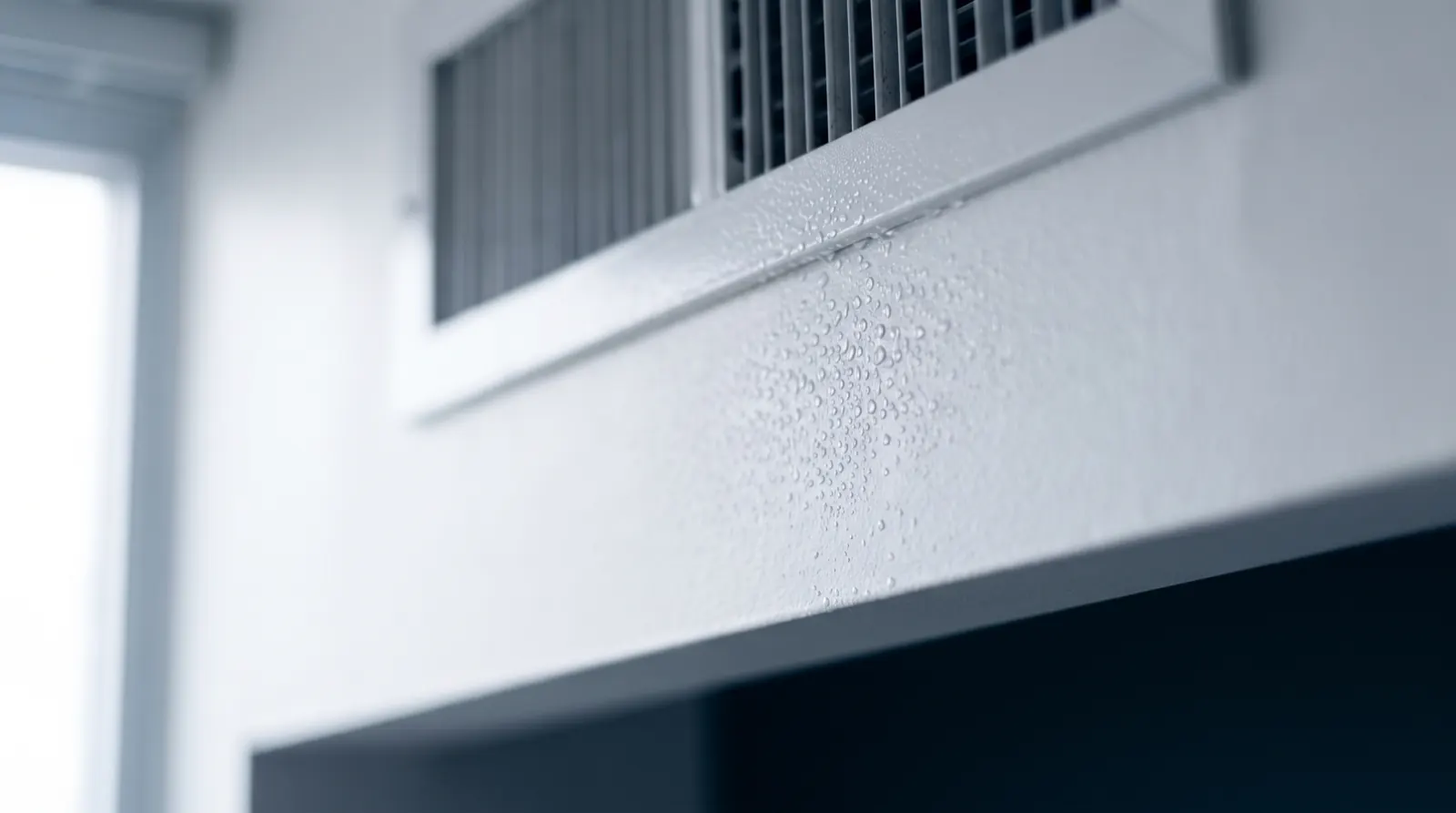
Mold needs moisture. In Florida, high humidity, heavy air-conditioning use, condensation, and water intrusion from roofs, plumbing, windows, and HVAC systems keep moisture available. Controlling humidity and correcting leaks is what limits mold.
Water events
Stop the water source, get the area dried quickly and thoroughly (EPA guidance is within 24 to 48 hours), and document everything with photos. For standing water or soaked drywall and flooring, Sterling answers every day from 7 AM to midnight for extraction and drying. A moisture investigation can confirm how far the water traveled and whether hidden materials stayed wet long enough to support mold.
Real estate & documentation
It is worth considering when there are odors, past leaks, visible discoloration, humidity concerns, or when a general home inspection flags moisture. An independent mold inspection gives you documented facts before you make a decision.
Scope & limitations
No. No inspection can certify a property "mold-free" or "completely safe." Sterling documents conditions, identifies moisture problems, and gives you honest next steps. We also do not provide medical or legal advice.
Sampling & results
An outdoor control is an air sample collected in open outdoor air at your property on the same day as the indoor samples. Outdoor spore counts on the Treasure Coast swing enormously with season, weather, and the last rain, so an indoor number means nothing on its own. The control sets the baseline for your property that day, and every indoor result is read against it. An indoor air sample taken without a control cannot be interpreted.
Protocol & clearance
A remediation protocol is the written scope of work a remediator bids against: the affected areas by location and extent, which materials come out and which are cleaned, the containment and air filtration required, the drying targets, and what clearance will require. You need one whenever professional remediation is warranted, because it is what makes three bids comparable and keeps the job the size the building requires. Sterling writes it independently for $350, and never charges for one when nothing was found.
Mold remediation
Containment with plastic sheeting and a zippered entry, HEPA air scrubbers holding the area under negative pressure, removal and bagging of mold-damaged porous materials, HEPA vacuuming and damp-wiping of every surface in the work area, and moisture readings until what remains is dry. An independent assessor tests the area before the containment comes down. Rebuilding is a separate step done by a contractor.
Water damage & drying
Stop the water at the fixture or the main shutoff, keep away from outlets and cords near standing water, move valuables off wet floors, and photograph everything before it's moved. Then get extraction started: the EPA says to dry water-damaged areas and items within 24 to 48 hours to prevent mold growth. Sterling answers water emergency calls every day from 7 AM to midnight.
Costs & financing
Mold remediation ranges from about $300 into five figures and up, depending on what's wrong and what has to be done. What moves the number is the size of the area, what has to be removed rather than cleaned, access, and whether water damage is involved. Sterling quotes every job in writing after a free on-site estimate, and nothing starts until you sign it. Florida law bars Sterling from remediating a home it assessed within the prior 12 months.

Ready for clear answers about moisture and mold?
Request an inspection or call Sterling. We explain what we find, what it means, and what to do next — with no remediation upsell.