Humidity Monitoring
Three sensors, one to two weeks, and the answer to whether your house holds the line overnight.
Short answer
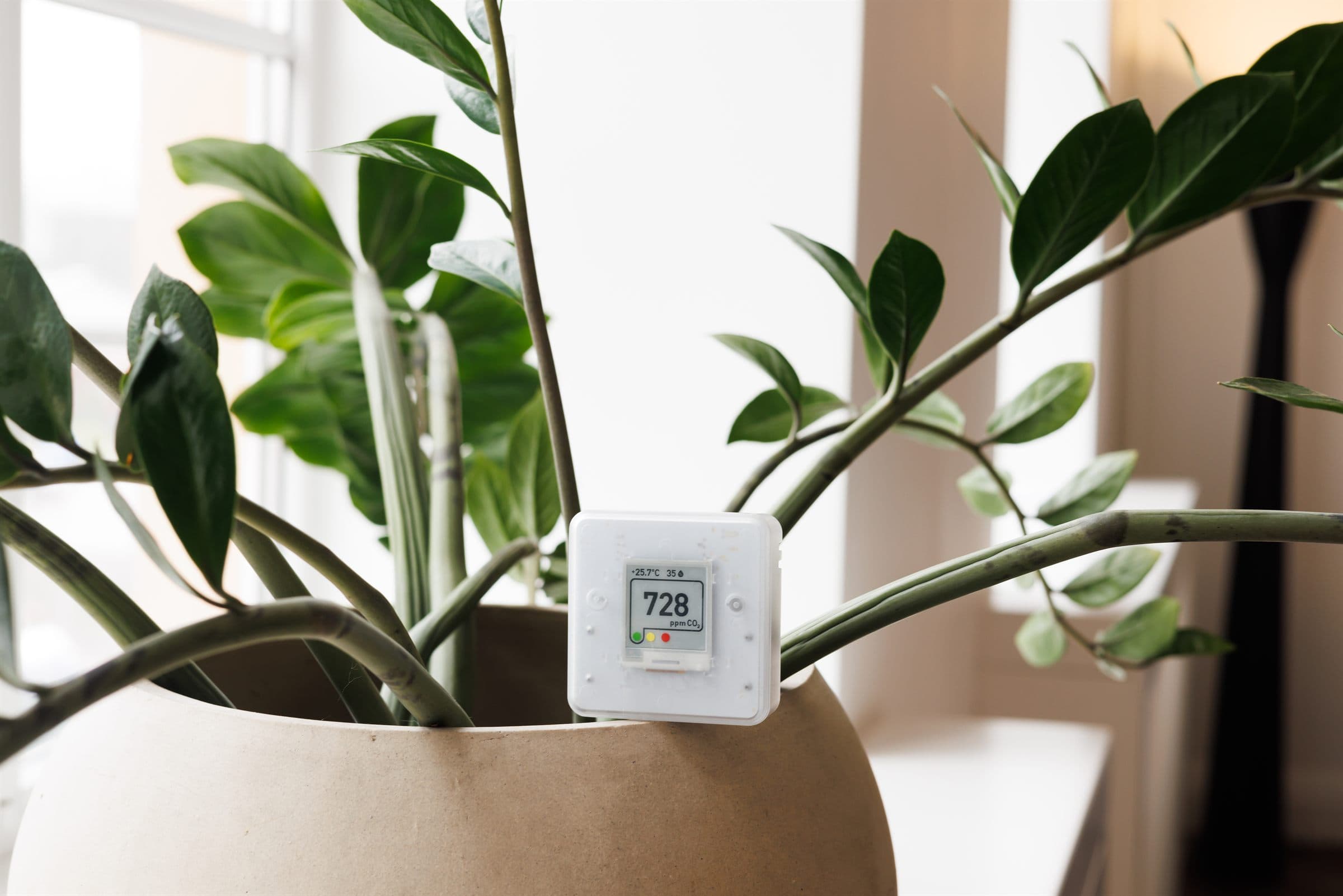
Humidity monitoring is a logger drop: Sterling places three calibrated humidity and temperature sensors in your home for seven to fourteen days, collects them, and reads the record. It answers a question a single afternoon reading cannot, which is whether the air conditioning keeps the house below the growth threshold through the night and through a rainy week, or whether it loses ground every morning.
Also called: humidity testing, humidity logging, indoor humidity monitoring
What this service investigates
- Whether indoor humidity sits above sixty percent for sustained periods
- The daily pattern: morning peaks that point to short cycling, or all day highs that point to load
- The dew point trend, which tells you which surfaces are at risk of condensation
- Whether one room or one closet runs meaningfully wetter than the rest of the house
- Whether a fix already made, a fan setting, a dehumidifier, a runtime change, actually worked
Who needs it
- Homes where growth appears in closets or on contents with no leak anywhere
- Owners deciding whether a dehumidifier or an air conditioning change is warranted
- Seasonal homes about to be closed for the summer, or just reopened
- Rentals where the dispute is whether the humidity is the building or the tenant
- Anyone whose inspection found elevated humidity and who wants to know the pattern before spending
- FL Licensed Mold Assessor · MRSA5798
- FL Licensed Mold Remediator · MRSR5761
- IICRC Certified Water Restoration Tech
- NORMI-Certified Assessor & Remediator
- Insured · GL + E&O
- Independent Inspections · FL 12-Month Rule
Why one reading is not enough
Humidity in a Florida house moves through the day with the air conditioning cycle. It is usually highest in the early morning, after a night when the system ran less and the walls cooled, and lowest in the middle of the afternoon when the system has been working hard. A house that reads fifty two at three in the afternoon can read sixty four at seven in the morning, and the closet wall does not care which reading anyone looked at.
An inspection records the humidity at the time of the visit and it is a useful number. It is one point. The logger gives you the curve, over a week or two that includes rainy days, dry days, a weekend at home, and a night with the doors closed. The curve is the diagnosis. Morning peaks above sixty with afternoon recoveries mean a system that keeps up during the day and loses ground at night, which is the oversized air conditioner signature. All day readings above sixty mean a moisture load the system cannot carry at all, or a fan set to on, or a source it is fighting.
What you do with the answer
A house holding the mid forties to mid fifties needs nothing more than the habits that keep it there. A house peaking in the mornings needs the runtime conversation with an air conditioning technician, and sometimes just a different thermostat setting. A house above sixty all day needs the load reduced first, the fan on auto, the bathroom fans working, the dryer vented outside, the returns sealed, and then a dehumidifier sized to what is left, on a continuous drain. The reading says which of those you are looking at, in writing, before you buy anything.
It also works as proof after a change. Drop the sensors again for a week after the dehumidifier goes in or the setpoint changes, and the second curve tells you whether it worked. That is a cheaper way to find out than waiting for the closet.
What's included — and what isn't
Clear scope, honestly stated.
Included
- 3 calibrated sensors placed by the assessor in the locations that matter for your question
- A 7 to 14 day recording period
- Collection, download, and a written reading of the log against the coastal Florida thresholds
- Charts of humidity, temperature, and dew point per sensor
- A plain statement of what the pattern means and what to change
Not included
- Air conditioning repair, sizing, or replacement
- Supplying or installing a dehumidifier
- A guarantee about future conditions
A calm, methodical process.
Step 1: Place
Sensors go in the affected room, the living area, and near the air handler return, or wherever your question points.
Step 2: Record
The sensors log for 7 to 14 days while you live normally. Nothing to do.
Step 3: Collect and read
We collect the sensors, download the record, and write the reading.
Step 4: Decide
You know whether the fix is a setting, a dehumidifier, or a conversation with an air conditioning technician.
Where Florida homes hide moisture.
Explore the zones we investigate on every inspection. Finding and correcting the moisture source is what actually resolves a mold problem — and prevents it from returning.
Tap a zone to explore
Attic & roof deck
High riskWarm, humid air rises and condenses on cool roof sheathing. Bath fans venting into the attic and undersized ventilation drive recurring growth here.
Methods & equipment
- Calibrated humidity and temperature data loggers
- Dew point calculation per reading
- Comparison against the mid forties to mid fifties percent target and the sixty percent growth threshold
What you receive
- Per sensor charts of humidity, temperature, and dew point
- A written reading of the pattern and what it means
- Specific next steps in order
Typical timing
The sensors stay 7 to 14 days. The written reading follows collection within a few days.
Pricing
$295 flat
$295 for the drop, the recording period, collection, and the written reading, with 3 sensors included. There is no charge for returning to collect the equipment.
Humidity Monitoring — questions
The target is the mid forties to mid fifties percent relative humidity measured in the living space, and never sustained above sixty. Cool surfaces such as closet walls on the exterior side of the house run ten or more points higher than the middle of the room, which is why the target sits below the growth threshold with a margin.
You may also need
Moisture Intrusion Investigations
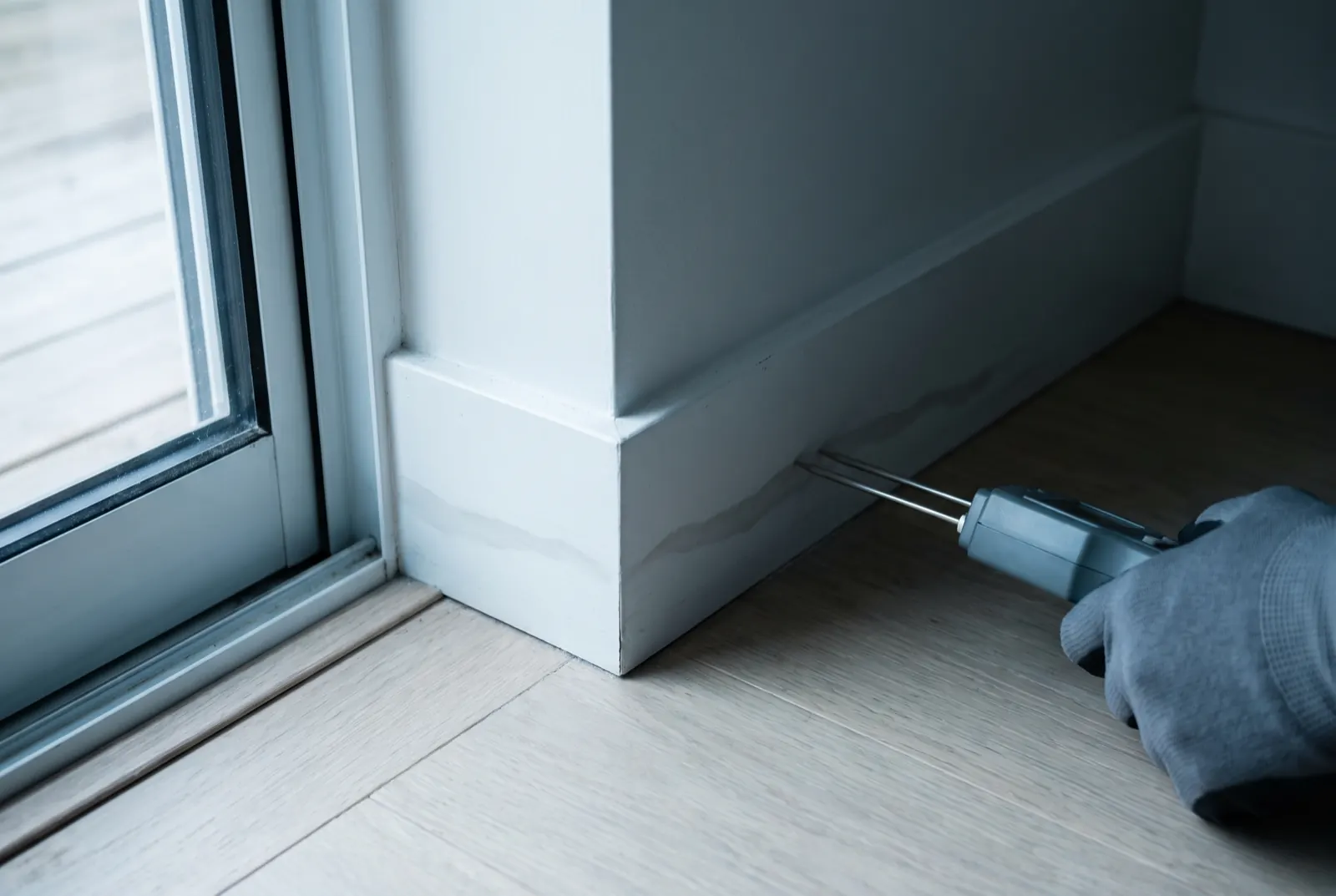
Source-focused moisture diagnostics that follow water through the building envelope and systems — the step most likely to prevent recurring mold.
Learn more
Indoor Air Quality Services
Building-science IAQ evaluations focused on humidity, ventilation, moisture, and mold-related conditions — informational, never a medical assessment.
Learn more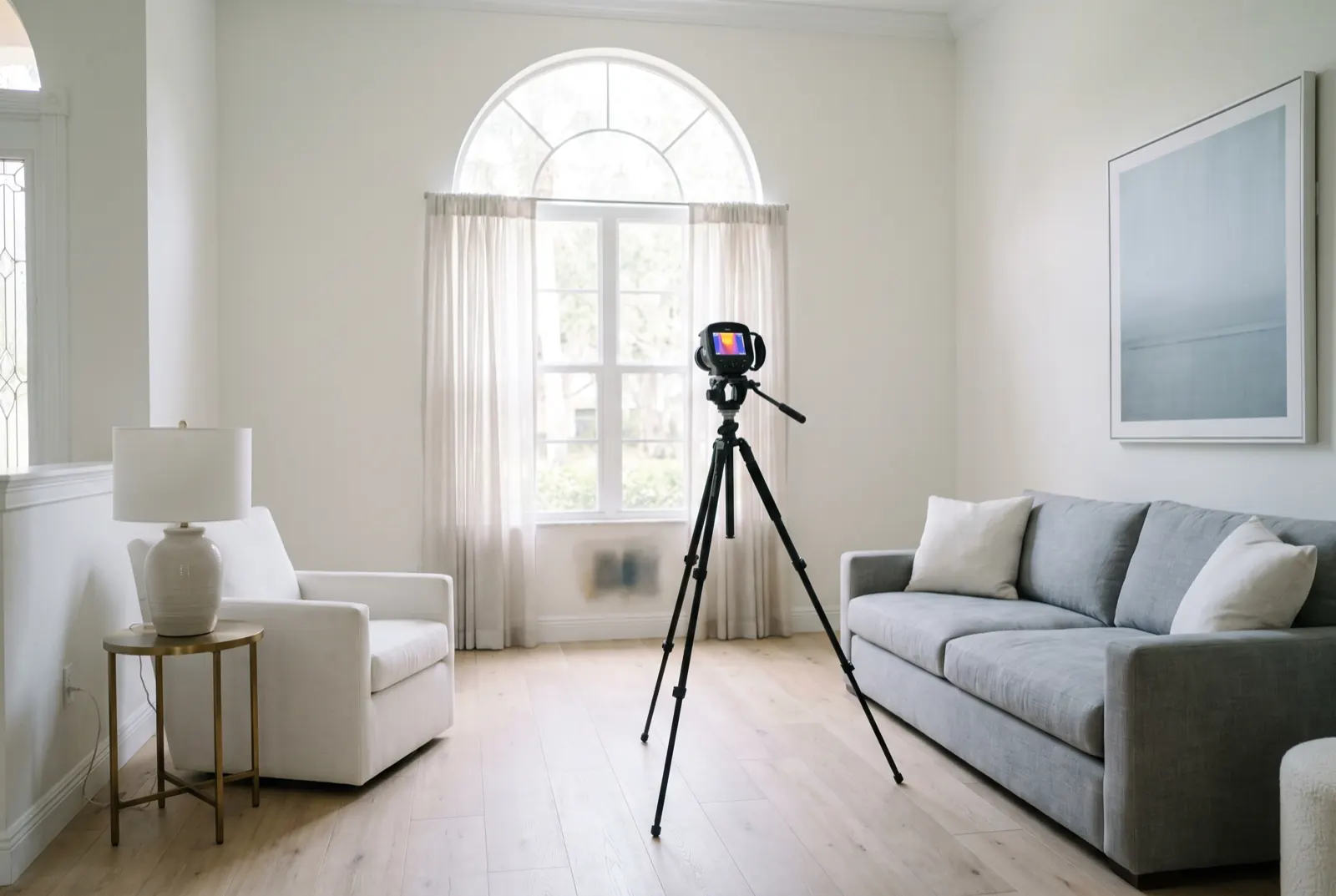
Mold Inspections
An independent, documented evaluation of accessible areas, moisture readings, and any visible or suspected mold — with clear next steps.
Learn moreWhat you receive
See what this service produces
Every inspection ends in a written assessment, and where sampling is involved, an accredited laboratory analysis with a licensed interpretation. Published in full.
See every section of every document
Ready for clear answers about moisture and mold?
Request an inspection or call Sterling. We explain what we find, what it means, and what to do next — with no remediation upsell.