Short answer
Florida's warm, humid climate keeps indoor humidity and condensation risk high year-round. Mold needs moisture, so sustained high humidity and damp surfaces — often driven by air-conditioning behavior, condensate issues, and water intrusion — create the conditions mold requires. Controlling indoor humidity and correcting moisture sources is the most effective way to limit indoor mold.
Moisture is the common thread
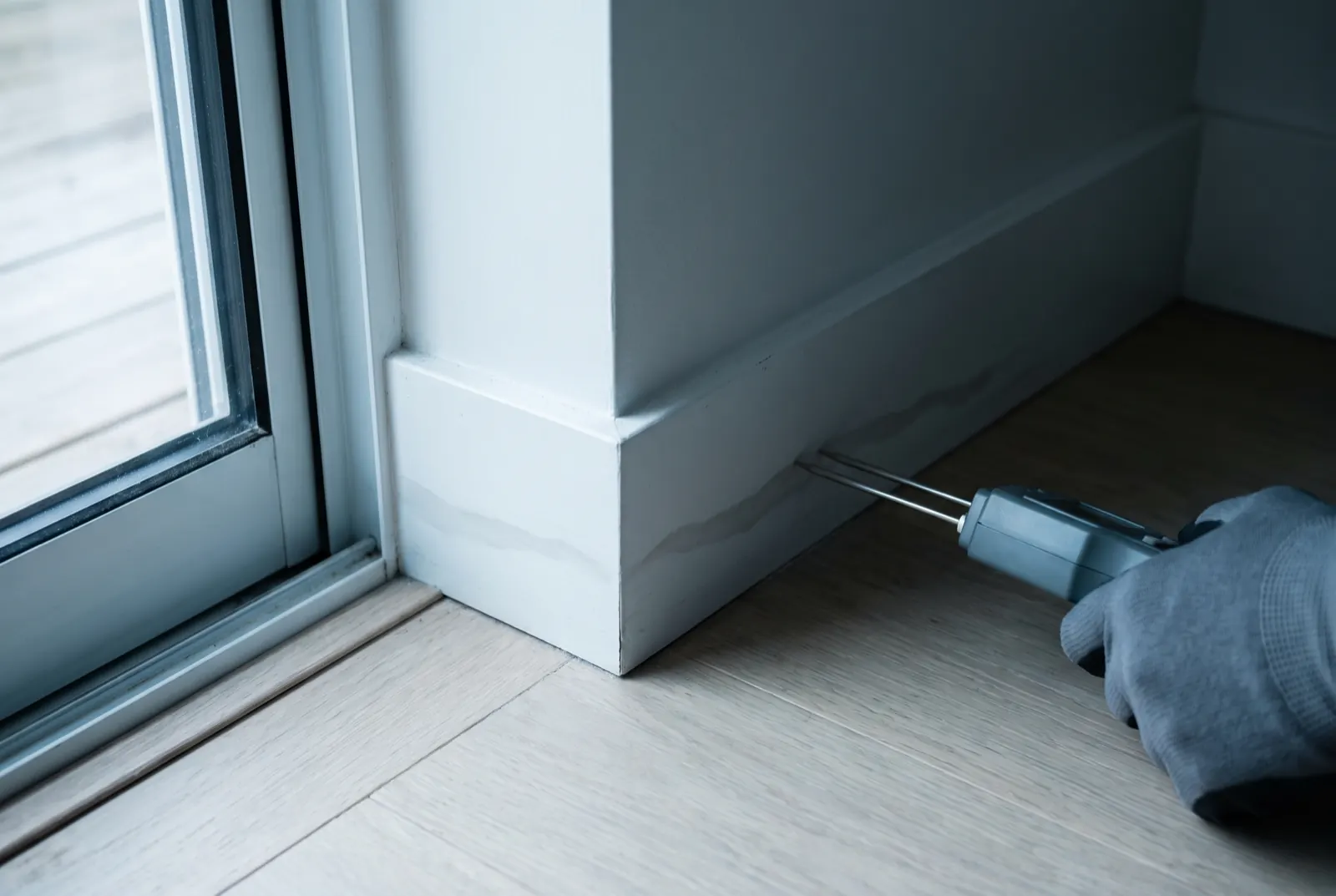
Mold does not grow without moisture. In Florida, the outdoor air carries a lot of it, and that moisture finds its way indoors through air exchange, intrusion, and condensation. Managing indoor moisture is the lever that matters most.
How air conditioning fits in
Air conditioning removes heat and some humidity, but systems that are oversized, short-cycling, or poorly maintained may not control humidity well. Clogged condensate lines and cold surfaces can also create localized moisture that supports growth.
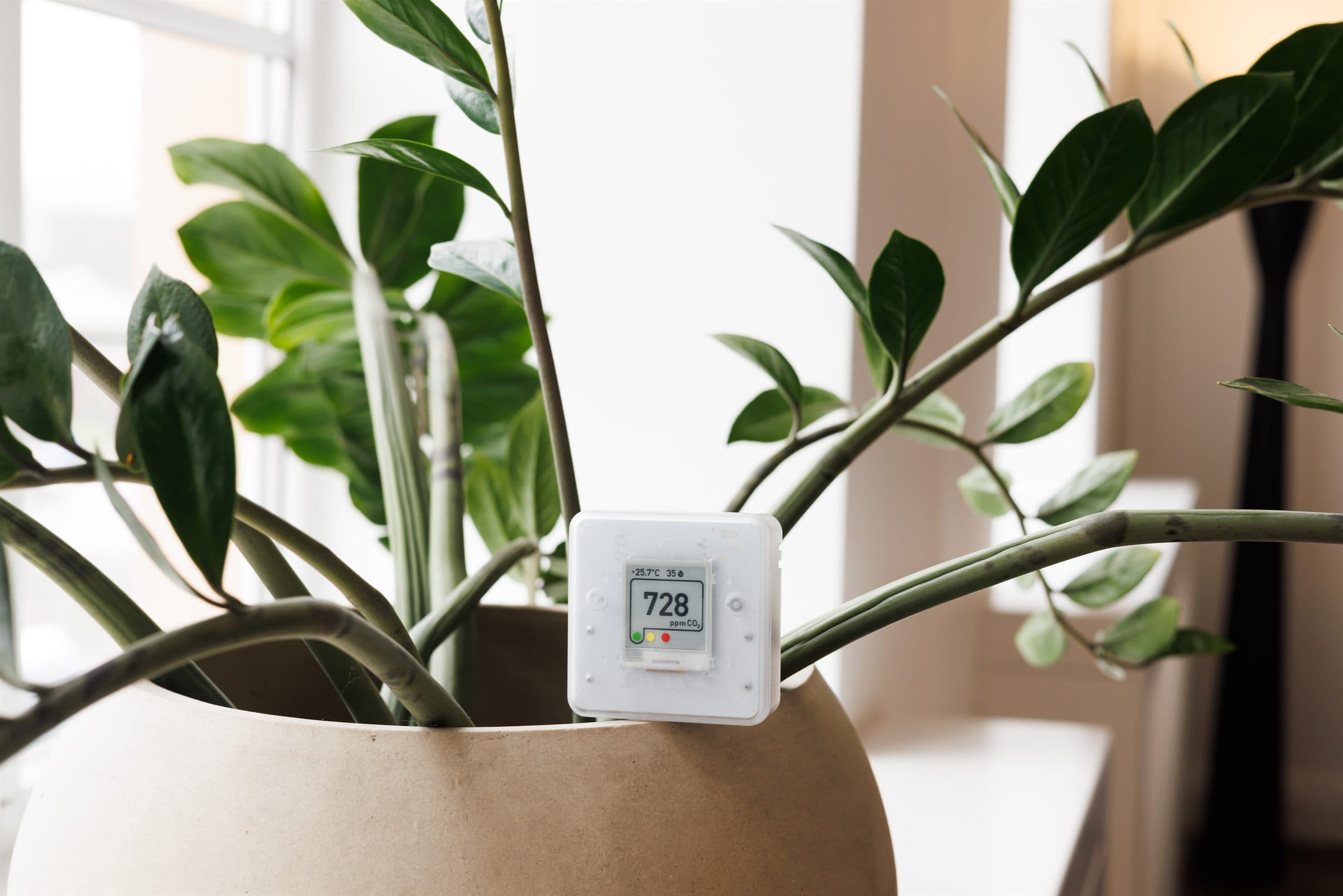
Keeping indoor relative humidity in a reasonable range and maintaining the HVAC system are practical, effective steps.
Homes that sit closed
Seasonal and vacant homes are a common Florida scenario. When a house is closed for weeks with minimal cooling or dehumidification, indoor humidity can climb and settle on surfaces — a frequent cause of musty odors discovered on return.
Practical steps
Correct leaks quickly, keep condensate lines clear, control indoor humidity, ensure adequate ventilation in bathrooms and kitchens, and address any standing water fast. When moisture keeps returning, a focused investigation can find the source.