Laboratory Results Interpretation
The written explanation of what your lab results mean for your building.
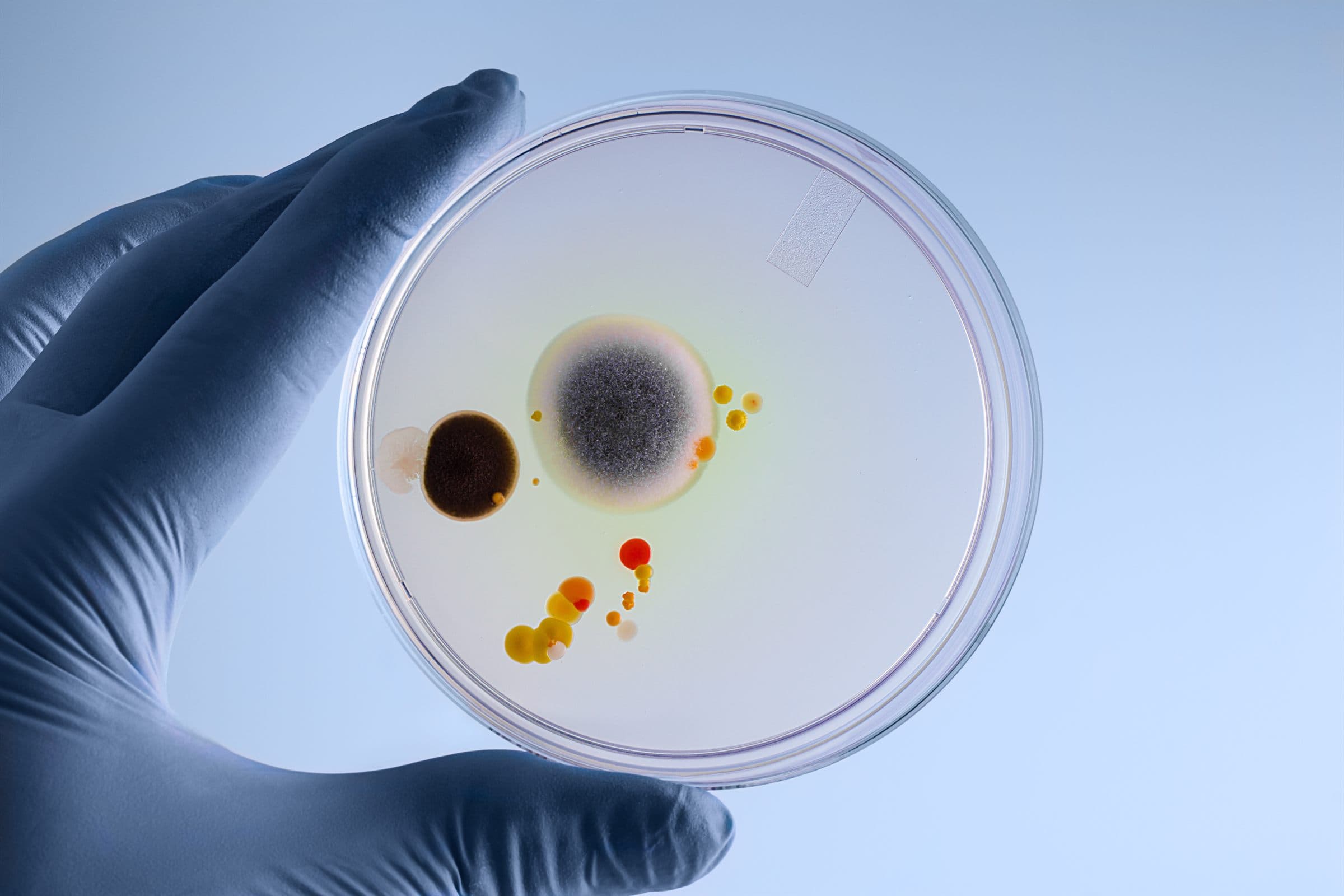
Short answer
The Laboratory Results Interpretation is the written document Sterling delivers with every laboratory sample. It explains what each organism the lab identified is, how your indoor results compare to the outdoor control taken the same day, why those organisms grew in your building, how the lab findings line up with the moisture and thermal evidence from the inspection, and what the results do and do not establish. It is included with every sample. It is the reason a Sterling sample costs what it costs.
Also called: mold test results interpretation, mold report review, second opinion on mold results
What this service investigates
- What each organism identified is, in plain English
- How your indoor results compare to the outdoor control taken the same day
- Why those particular organisms grew in your building, and what conditions supported them
- How the laboratory findings line up with the moisture, thermal, and visual evidence from the inspection
- What the results do and do not establish, stated plainly
Who needs it
- Anyone who has ever received a lab table with a highlighted line and no explanation
- Buyers, sellers, and agents who need a result a third party will understand
- Tenants and landlords who need to know whether the finding is the building or the conduct
- Households with a physician who has asked what is present in the home
- Adjusters and attorneys who need cause, comparison, and limits stated in writing
- FL Licensed Mold Assessor · MRSA5798
- FL Licensed Mold Remediator · MRSR5761
- IICRC Certified Water Restoration Tech
- NORMI-Certified Assessor & Remediator
- Insured · GL + E&O
- Independent Inspections · FL 12-Month Rule
What a lab report gives you, and what it does not
An accredited laboratory reads your sample under a microscope, identifies each spore by type, counts them, and converts the count to spores per cubic meter of air. It reports the detection limit for the volume sampled, a debris rating that describes how much non spore material was on the trace, and the presence of hyphal fragments. For each indoor sample it assigns a conclusion category relative to the outdoor control. That is the whole product, and the laboratory says so on the sheet: interpretation is the assessor's responsibility.
So what you receive from most testing services is a table. Cladosporium, four hundred and twenty. Aspergillus and Penicillium group, two thousand one hundred. Ascospores, one hundred and ten. One line is highlighted. Nobody tells you that the highlighted group is the most common indoor amplifier in Florida homes, that it was low outdoors that day, that the air handler you asked about reads elevated on the same group in every zone, or that the closet wall with the stain read wet at the meter while the surface looked dry. The table has no story. The interpretation is the story.
What the interpretation actually says
It goes organism by organism. For each type the laboratory found, it says what that organism is, where it commonly grows, whether it is one of the types laboratories associate with materials that have been wet for a long time, and whether its presence indoors at that level looks like outdoor air that came inside, which is the normal condition, or like something the building is producing.
It compares indoors to outdoors, type by type, because that comparison is the entire meaning of an air sample. Outdoor spore counts on this coast swing enormously with the season, the weather, and the last rain, and an indoor number is only interpretable against the outdoor number from the same property on the same day. The interpretation says whether your indoor air matches the outdoor profile at similar or lower levels, or whether one type is far above outdoors, or whether a water damage indicator type appeared indoors at all.
It explains why. This is the part no laboratory can write, because the laboratory was never in your building. The interpretation ties the result to the readings taken during the inspection: the indoor humidity and dew point, the moisture meter readings against the dry reference, the thermal pattern on the wall, the condition of the air handler and its drain line, the closet on the exterior wall, the fan that did not move air. If the result points to an indoor source, the interpretation says which source the evidence supports and what to do about it first.
And it states the limits plainly. A spore trap is a few minutes in one location. It counts spores whether they are alive or dead. It does not measure the compounds that make a musty smell. It can miss growth sealed inside a wall that is not releasing spores into the room at that moment. A not elevated result in a house with a wet wall is a favorable data point about the air, not proof the wall is clean, and the interpretation says exactly that when it applies.
Who the document is written for
It is written for the reader who was not in the building. A buyer's agent who has to explain it to a seller. A landlord who has to decide whether to fix something. A physician who has asked what is in the air of the bedroom. A desk adjuster in another state who has to decide whether the moisture was sudden or gradual. An attorney who will hand it to the other side. Each of those readers needs cause, comparison, and limits stated in plain sentences with the evidence beside them, and each of them will discount a report that overstates what a sample proves.
That is also why Sterling does not use the phrase black mold in an interpretation, does not describe a result as safe or unsafe against a standard that does not exist, and does not connect a finding to any person's condition. The document describes organisms and conditions. What they mean for a person is a physician's call, and the interpretation is written so the physician can make it.
Why it is included and not sold separately
Because a sample without an interpretation is a number with no meaning, and selling the number and then charging to explain it would be the kind of thing this price sheet exists to rule out. The interpretation is the deliverable. The cassette and the lab fee are how it gets produced.
Florida licenses mold assessors and mold remediators separately and prohibits referral fees between them. That independence is what allows the interpretation to say the air is fine, the closet is a humidity problem, and no remediation is needed, when that is what the evidence shows. A document that is allowed to say that is the only kind worth paying for.
What's included — and what isn't
Clear scope, honestly stated.
Included
- A written interpretation for every sample in the order, delivered with the lab report
- Organism by organism explanation, including the water damage indicator types when present
- Indoor versus outdoor comparison, spore type by spore type
- The moisture, humidity, and thermal readings that explain the result
- The detection limit and the debris rating, and what each means for confidence in the count
- A plain statement of the limits of a spore trap: a snapshot, non viable, blind to sealed cavities
- Recommendations restated in light of the lab data, source first
Not included
- A health diagnosis or any statement about a specific person
- A pass or fail verdict against a numerical exposure standard, because Florida and the federal government publish none for airborne mold
- Any claim that the building is free of mold
- Interpretation of a sample Sterling did not collect under its own chain of custody
A calm, methodical process.
Step 1: Collect
Samples are taken during the inspection, with an outdoor control the same day, under a signed chain of custody.
Step 2: Analyze
An accredited laboratory reads the full trace and issues its result sheet, which you receive unedited.
Step 3: Interpret
Sterling writes the interpretation against what the inspection found in your building, not against the lab table alone.
Step 4: Deliver
Lab sheet, chain of custody, and interpretation arrive together in your portal, usually within a day of the lab result.
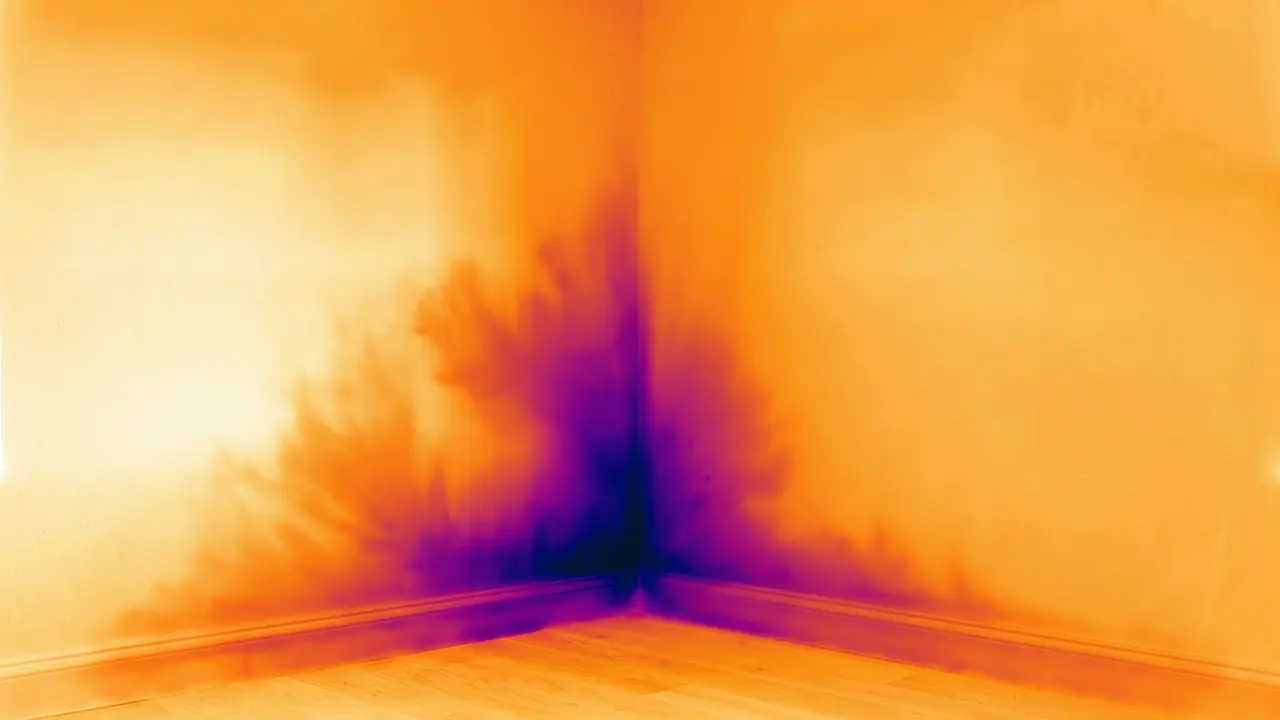
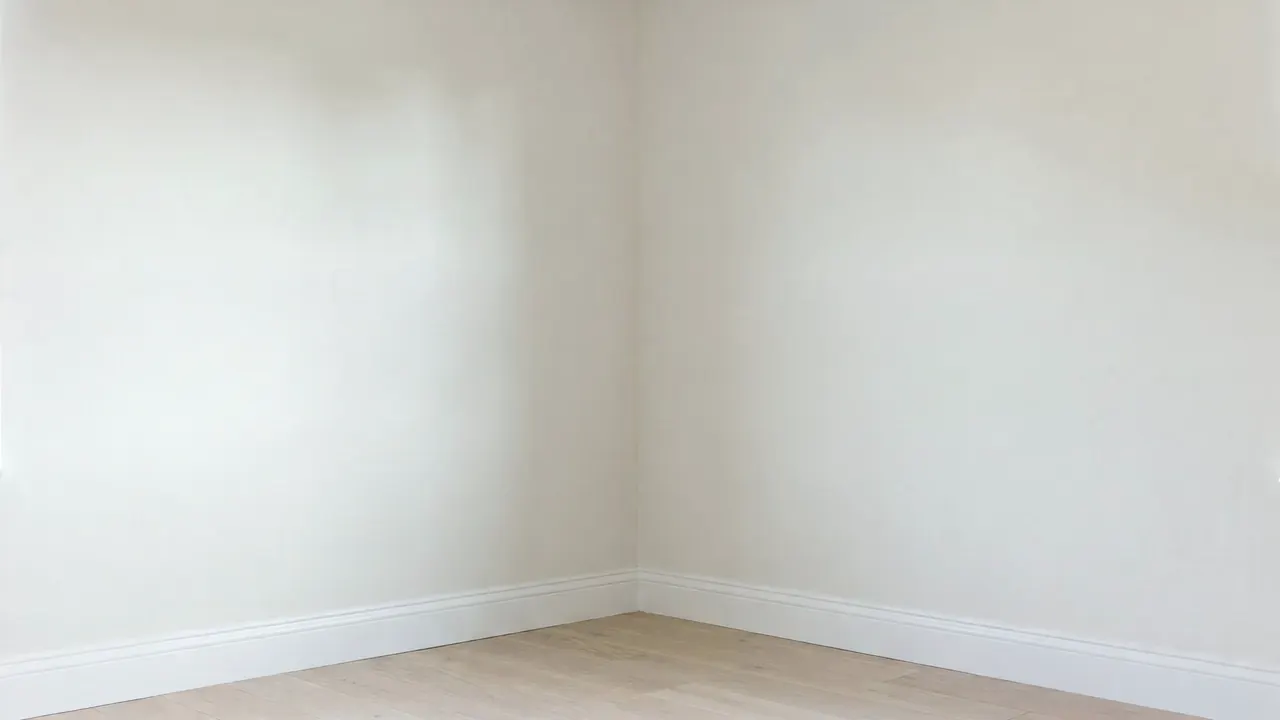
Thermal imaging reveals hidden moisture.
Drag the slider — infrared exposes the cold signature of moisture behind a wall that looks perfectly normal. It's the difference between guessing and knowing.
Methods & equipment
- Spore trap air sampling with outdoor control
- Swab and tape lift surface sampling
- Accredited third party laboratory analysis
- Moisture, humidity, and thermal readings from the inspection
- Written interpretation by the licensed assessor
What you receive
- The laboratory's result sheet, unedited
- The signed chain of custody form
- The written Laboratory Results Interpretation
Typical timing
The interpretation follows the laboratory result, usually within a day. Laboratory turnaround itself depends on the lab and the analysis requested; we tell you the expected window when samples are submitted.
Pricing
Included with every sample
There is no separate charge. The interpretation is part of every sample at $175, part of the Premium inspection at $700, and part of every clearance. A competitor's $100 sample buys a cassette and a lab fee. Sterling's $175 buys the cassette, the lab fee, the outdoor control, and somebody to tell you what it means.
Laboratory Results Interpretation — questions
No. It is included with every laboratory sample Sterling collects, with the Premium Indoor Air Quality Inspection, and with every post remediation clearance. The per sample price covers the cassette, the laboratory fee, the outdoor control, and the written interpretation.
You may also need
Mold Testing & Sampling
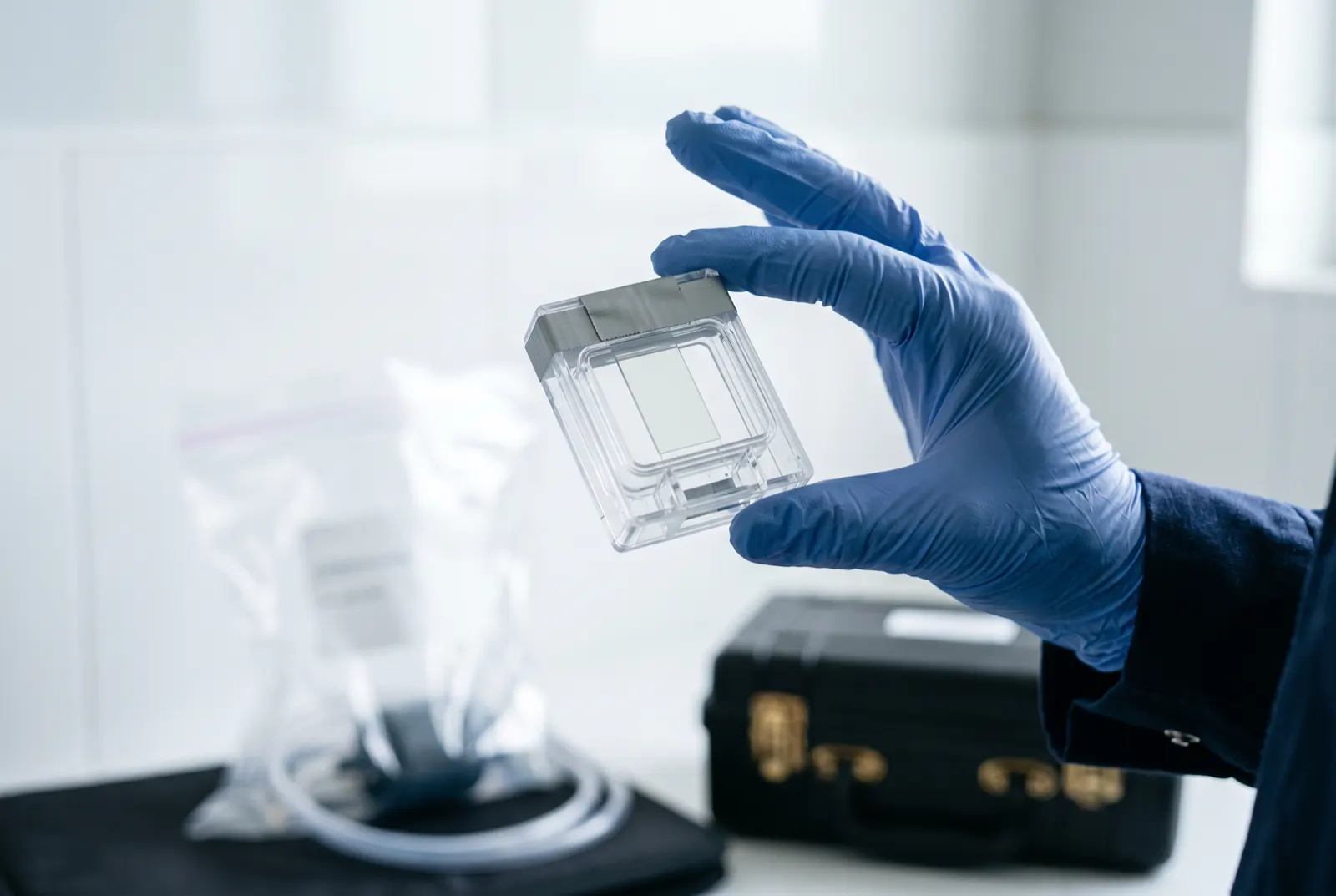
Air and surface sampling with accredited-lab analysis and plain-language interpretation — as part of a real investigation, not in place of one.
Learn more
Indoor Air Quality Services
Building-science IAQ evaluations focused on humidity, ventilation, moisture, and mold-related conditions — informational, never a medical assessment.
Learn more
Post-Remediation Verification
Independent post-remediation clearance: visual verification, moisture confirmation, and laboratory sampling on every verification, against defined criteria.
Learn moreWhat you receive
See what this service produces
Every inspection ends in a written assessment, and where sampling is involved, an accredited laboratory analysis with a licensed interpretation. Published in full.
See every section of every document
Ready for clear answers about moisture and mold?
Request an inspection or call Sterling. We explain what we find, what it means, and what to do next — with no remediation upsell.