Mold removed. Water dried. Done right.
Licensed mold remediation (MRSR5761) to the IICRC S520 standard, and water extraction and drying to IICRC S500, every day from 7 AM to midnight. Every job starts with a free on-site estimate and a written quote.
Short answer
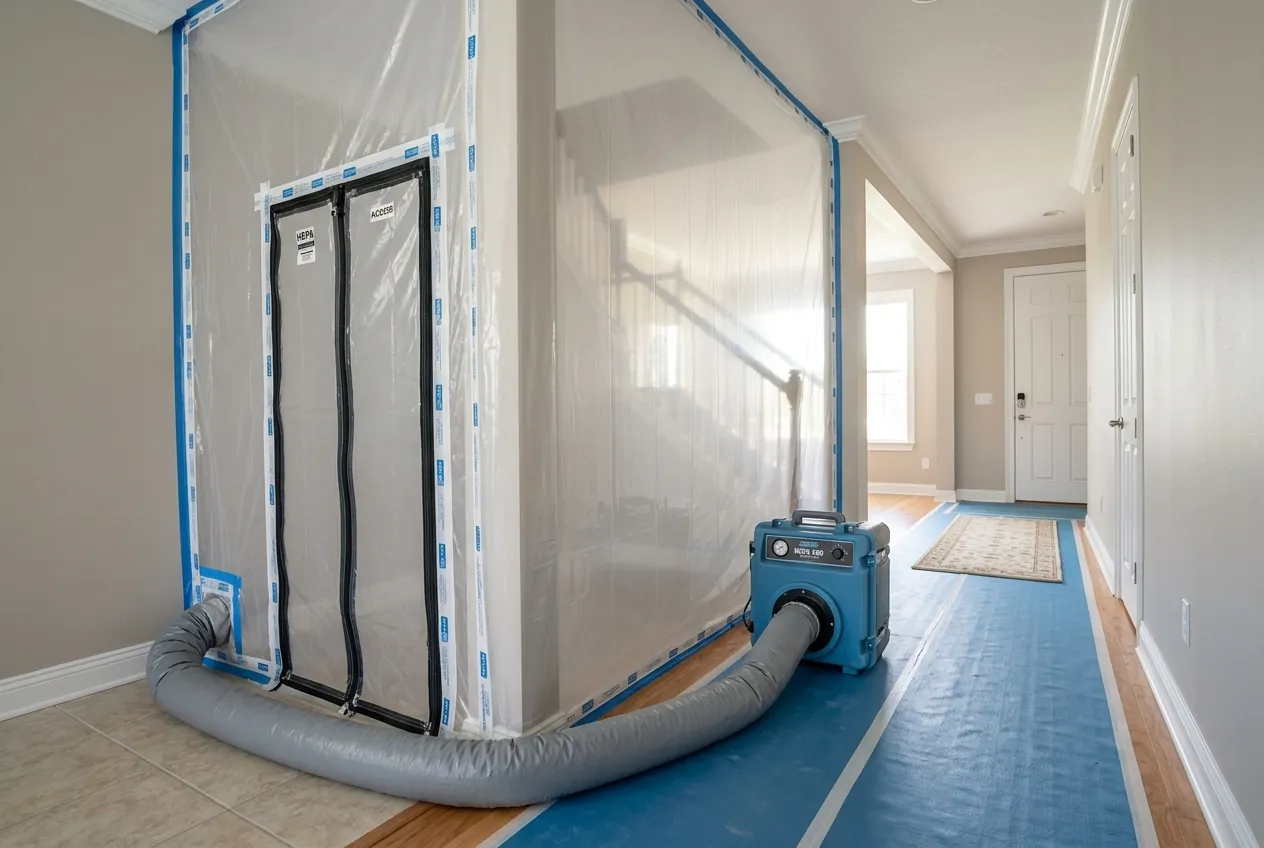
Remediation removes mold and the materials it damaged, inside containment, and an independent assessor tests the area before containment comes down. Water damage restoration gets the water out and dries the structure before mold can start. Both start with a free on-site estimate, and nothing starts until you've signed a written quote.
Mold Remediation
Licensed removal and cleaning to the IICRC S520 standard, with clearance by an independent assessor.
Mold Remediation
Licensed mold remediation from Vero Beach to Boca Raton: containment, removal, HEPA cleaning, drying, and clearance by an independent assessor.
Learn more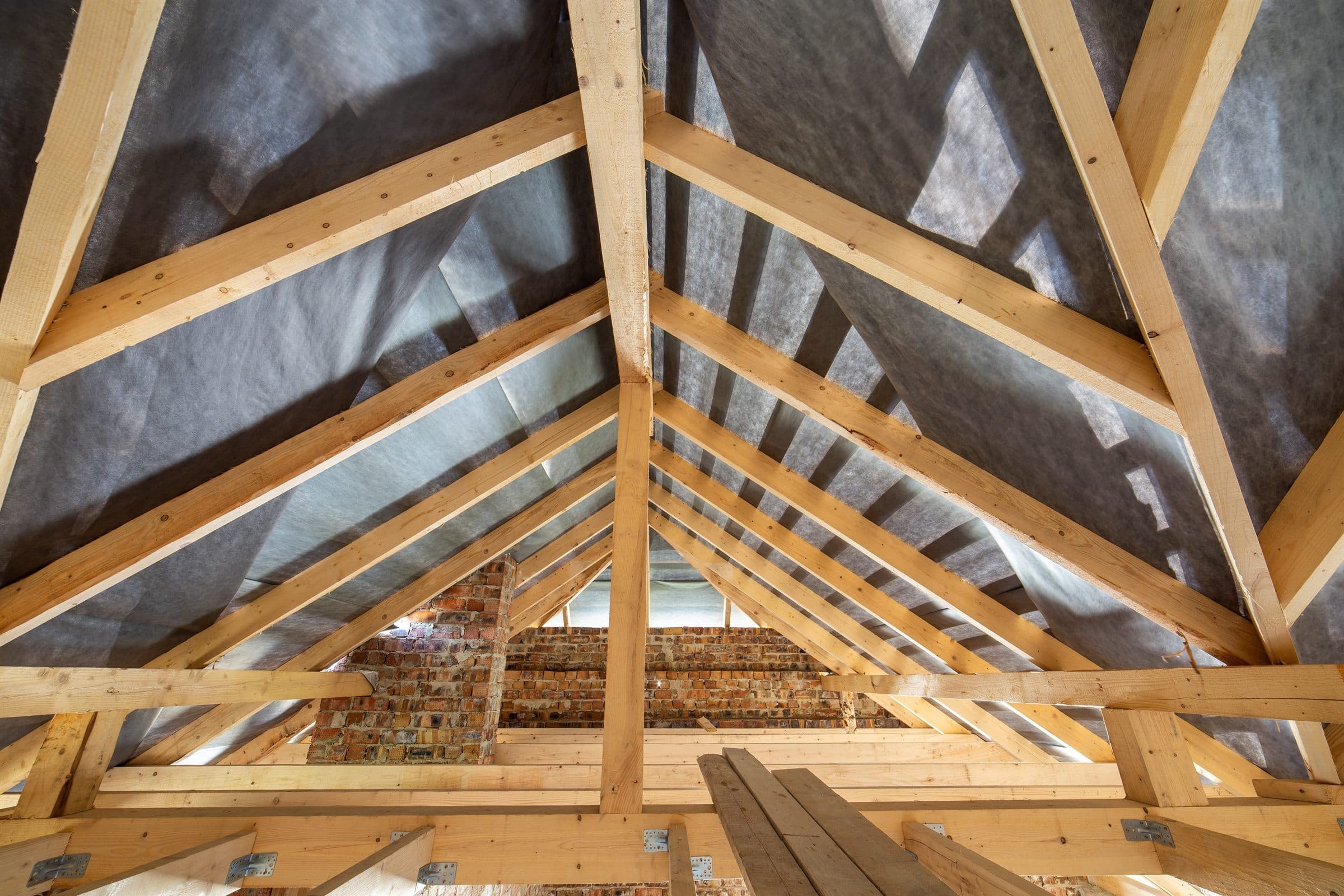
Attic Mold Removal
Removal of mold from attic sheathing, framing, and insulation, with HEPA cleaning and a clear answer on what caused it.
Learn more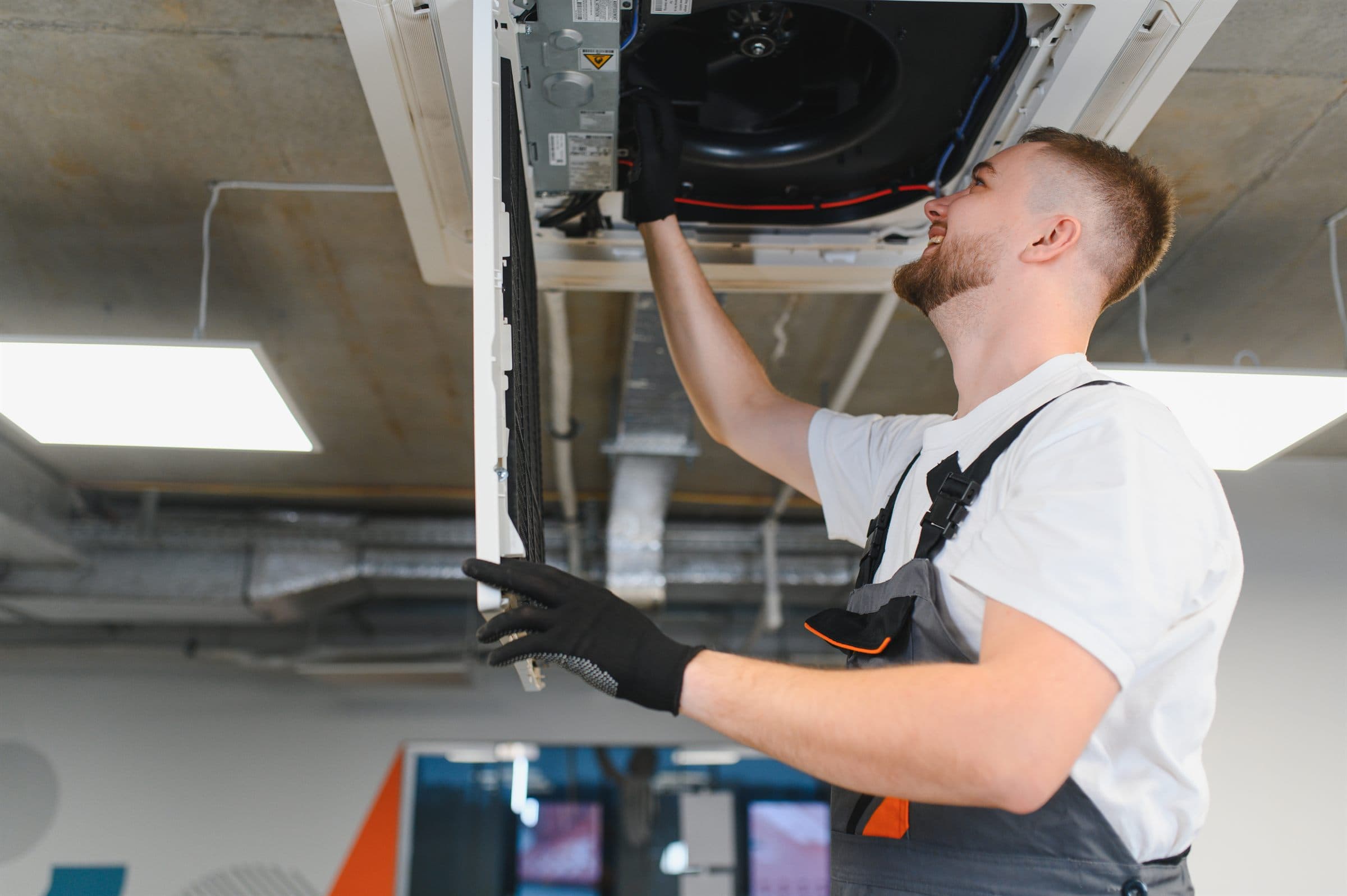
HVAC & Air Handler Mold Remediation
Mold cleaning for air handlers, coils, drain pans, blowers, and plenums, with the moisture cause identified and repairs left to a licensed HVAC contractor.
Learn more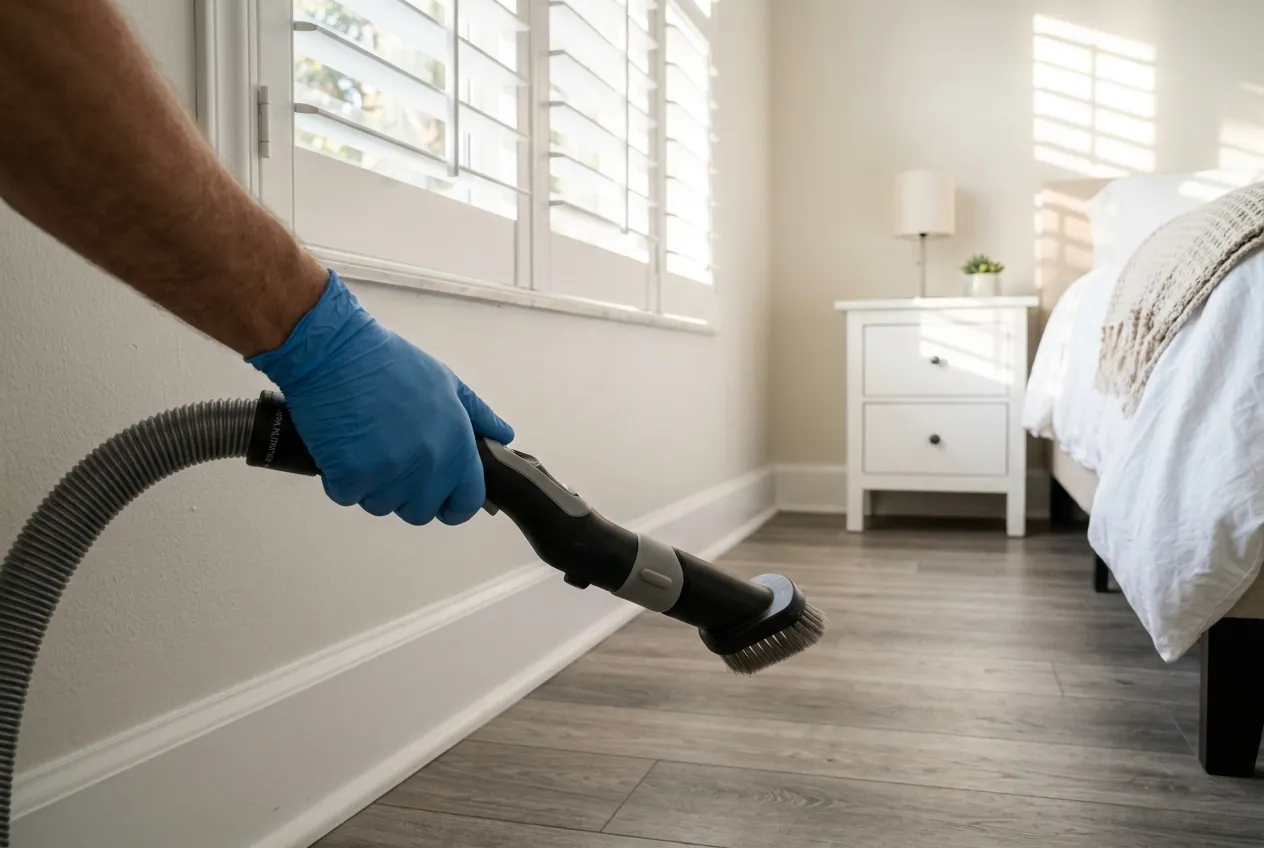
HEPA Cleaning & Sanitization
Detail cleaning with HEPA vacuums, damp-wiping, and air scrubbers to remove settled mold spores and dust from rooms and contents.
Learn more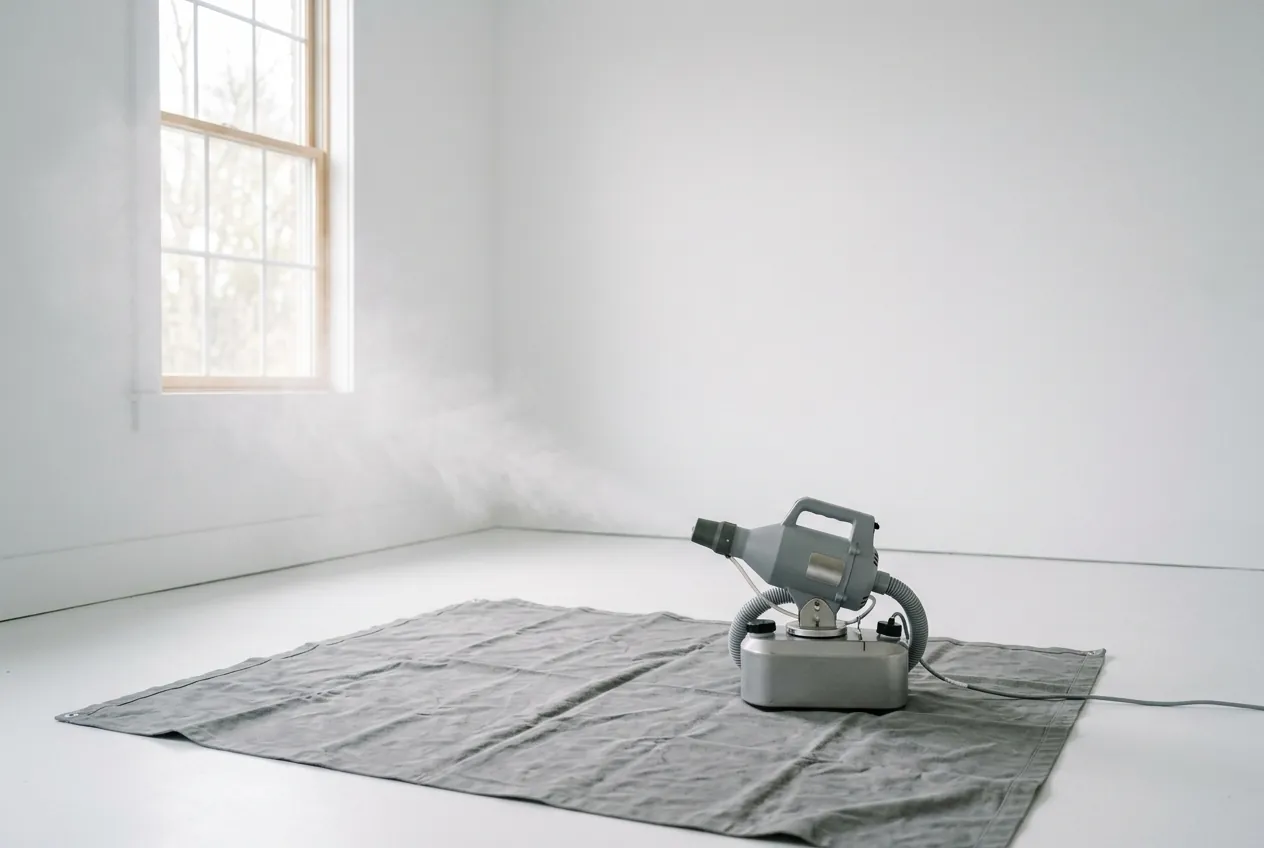
Mold Fogging (Antimicrobial Treatment)
Antimicrobial fogging with EPA-registered products, used after removal and cleaning or after water damage, never as a substitute for remediation.
Learn more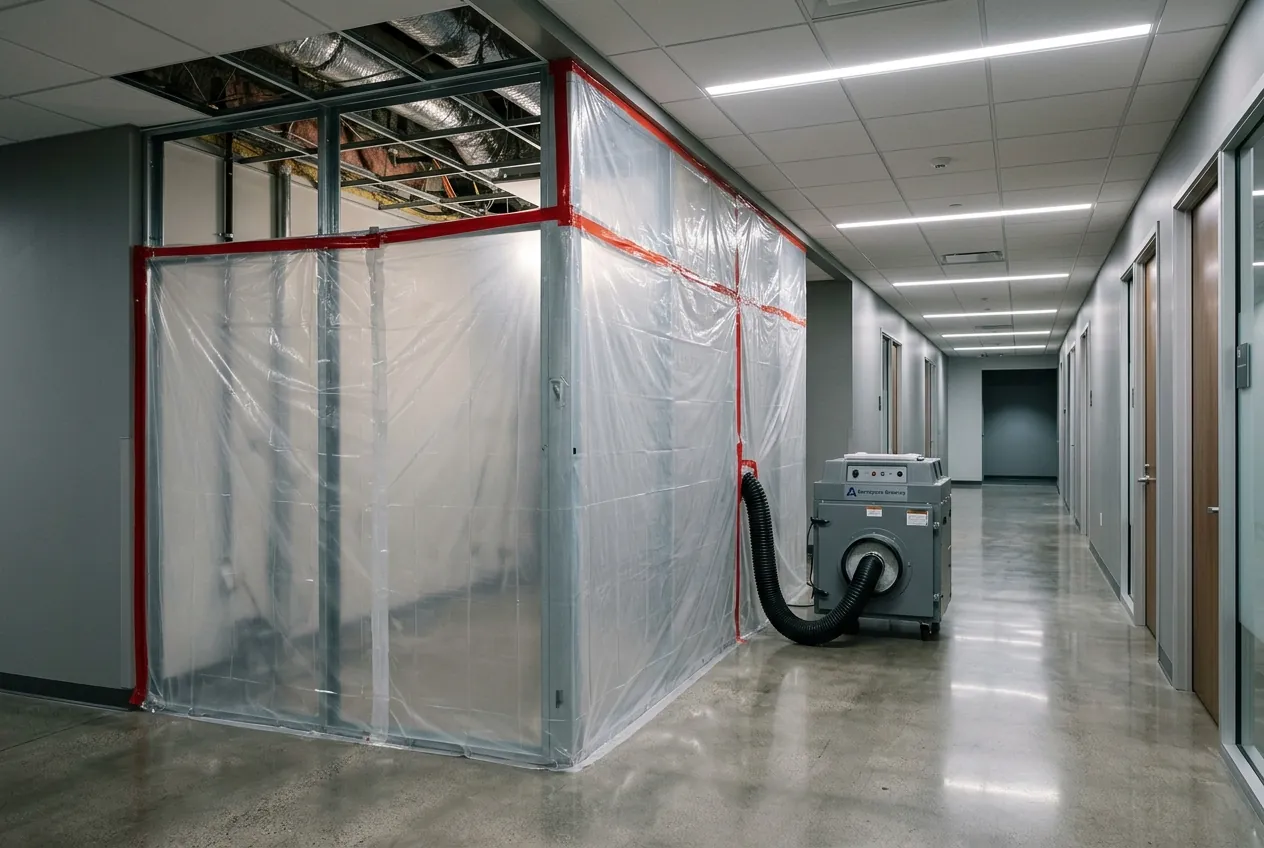
Commercial Mold Remediation
Mold remediation for offices, retail, condo units, and HOA common areas, phased around occupants and documented for owners and managers.
Learn moreWater Damage
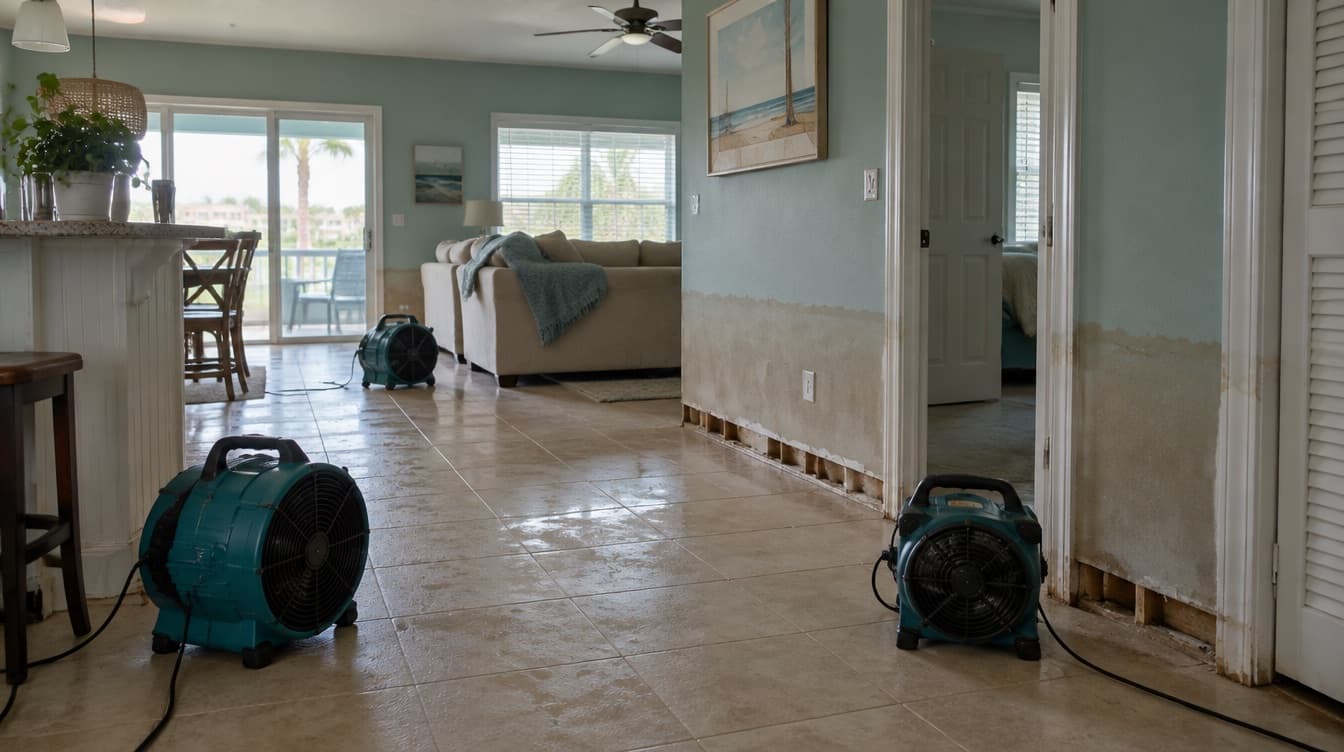
Emergency extraction and structural drying to the IICRC S500 standard, measured every day until it's dry.
Water Damage Restoration
Emergency water extraction and structural drying from Vero Beach to Boca Raton, with daily moisture readings and records for your claim.
Learn more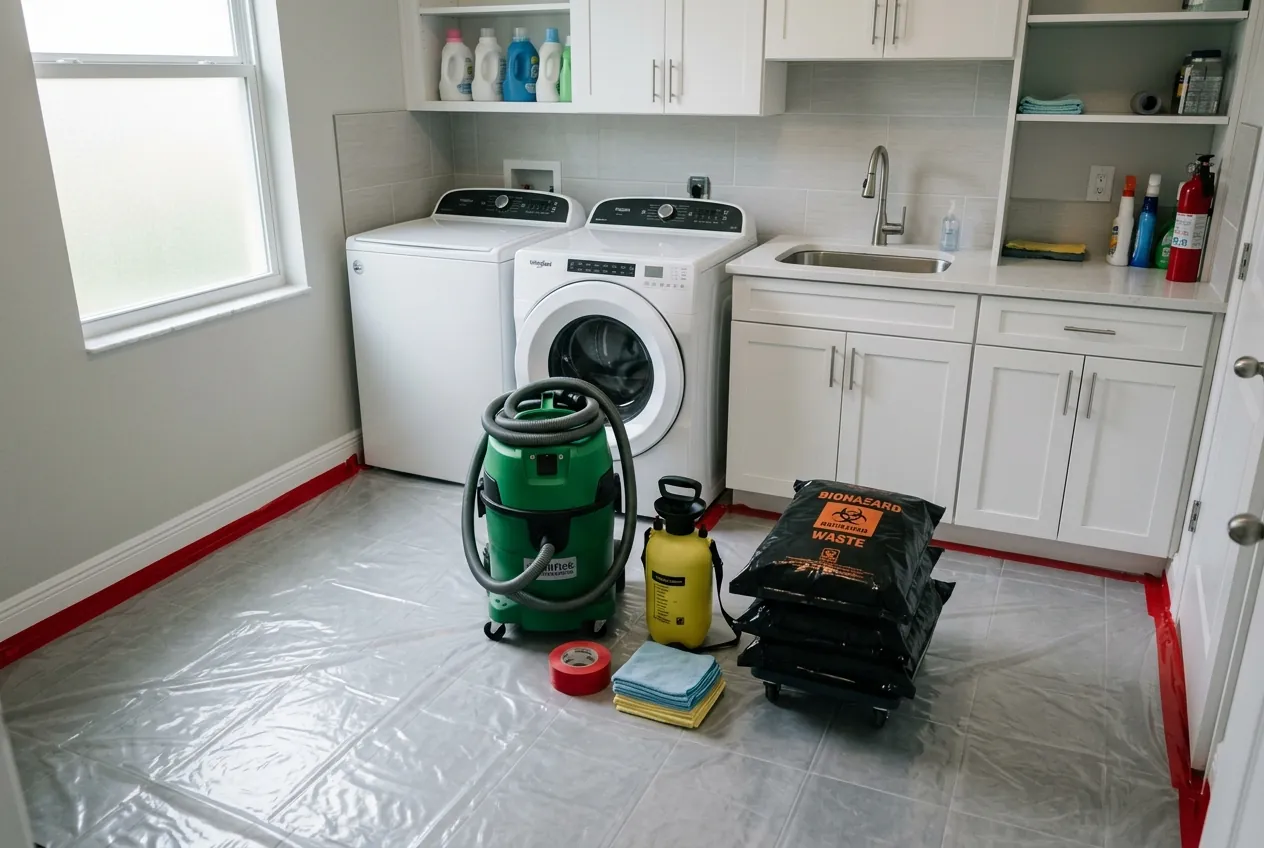
Sewage Cleanup
Cleanup of sewage backups and toilet overflows: containment, removal of contaminated materials, cleaning, antimicrobial treatment, and drying.
Learn more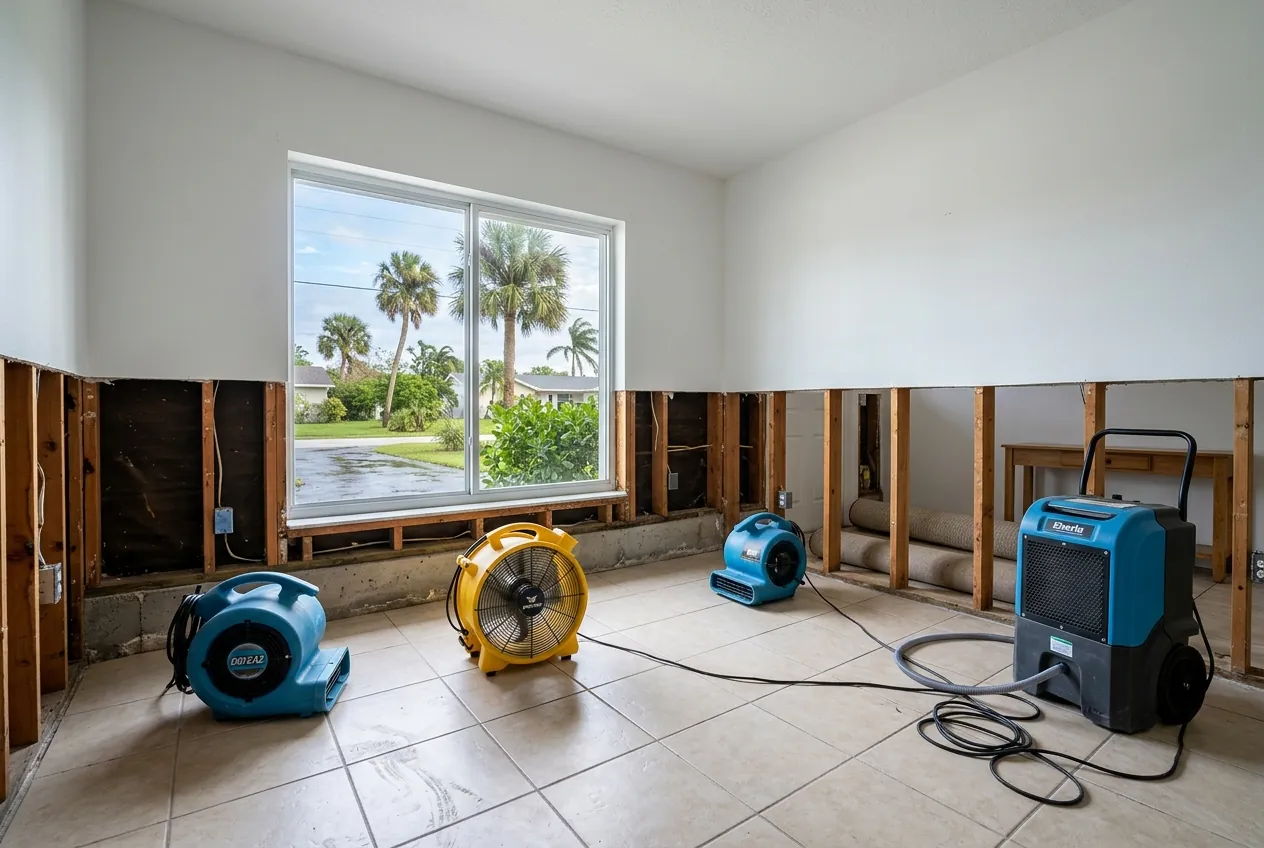
Storm & Flood Damage Cleanup
Water extraction, material removal, cleaning, and structural drying after hurricanes, flooding, and wind-driven rain.
Learn more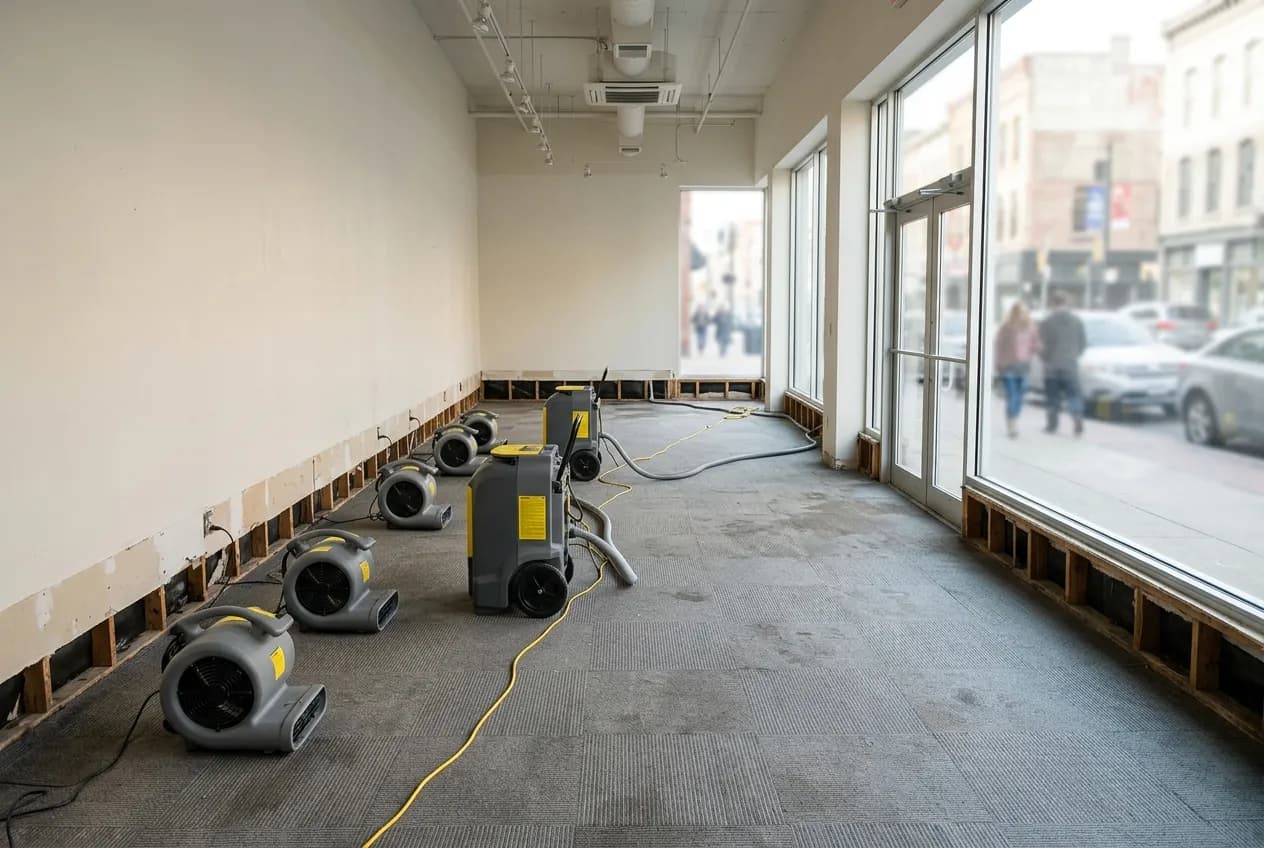
Commercial Water Damage
Emergency water extraction and drying for offices, retail, condo units, and common areas, documented for owners, managers, and associations.
Learn more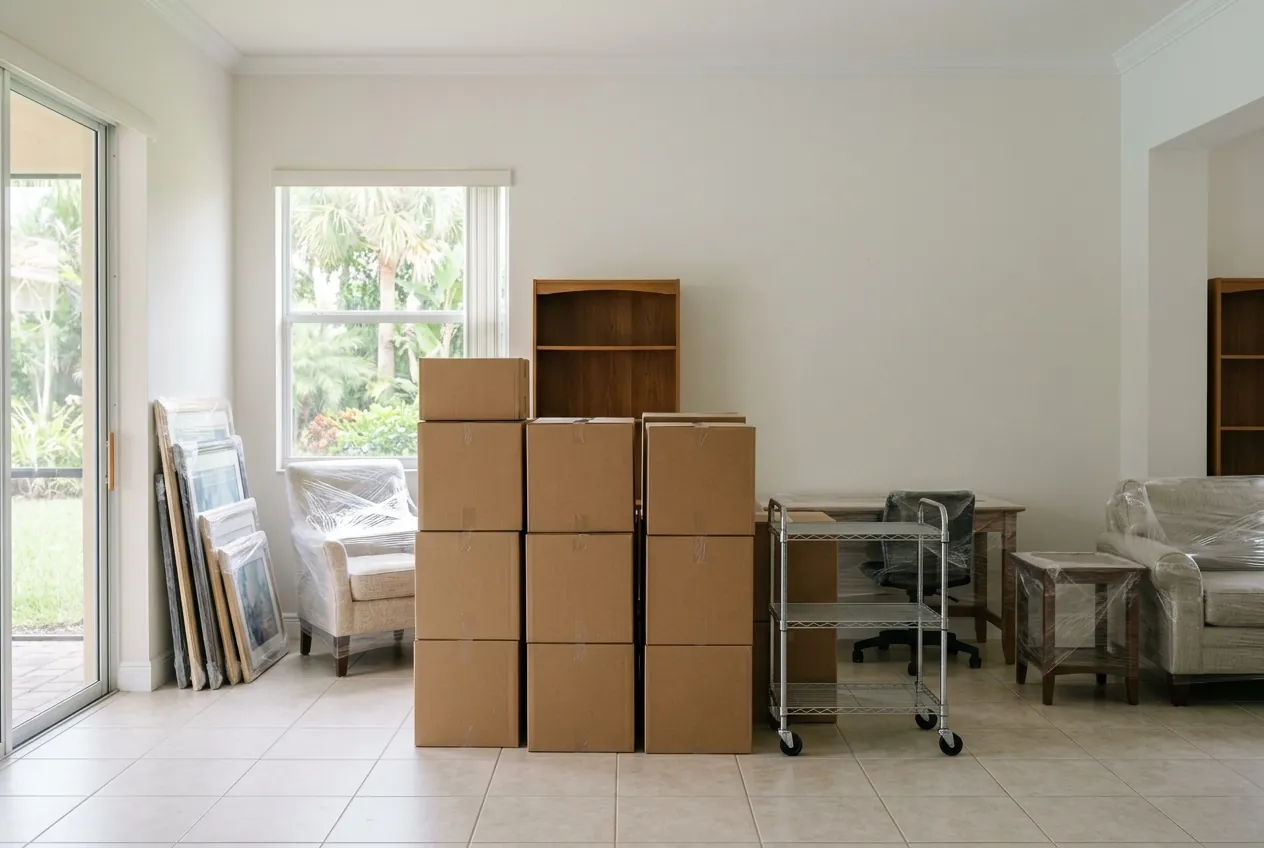
Contents Pack-Out & Cleaning
Inventory, packing, relocation, cleaning, and return of belongings during water damage and mold remediation jobs.
Learn moreFrom estimate to clearance.
Step 1: Free estimate
We look at the area and give you a written, itemized quote, or quote to your assessor's protocol. Nothing starts until you sign it.
Step 2: Contain & remove
Containment and HEPA negative air go up, then the damaged materials come out, bagged inside containment.
Step 3: Clean & dry
Surfaces are HEPA-cleaned, and moisture readings confirm everything that stays is dry.
Step 4: Independent clearance
An independent assessor tests the area. Containment comes down only after it passes.
What people ask before they call.
Every drying job is measured, not guessed: daily moisture readings, a dry standard taken from unaffected materials, and a written record for your claim.
Mold remediation
Containment with plastic sheeting and a zippered entry, HEPA air scrubbers holding the area under negative pressure, removal and bagging of mold-damaged porous materials, HEPA vacuuming and damp-wiping of every surface in the work area, and moisture readings until what remains is dry. An independent assessor tests the area before the containment comes down. Rebuilding is a separate step done by a contractor.
Water damage & drying
Stop the water at the fixture or the main shutoff, keep away from outlets and cords near standing water, move valuables off wet floors, and photograph everything before it's moved. Then get extraction started: the EPA says to dry water-damaged areas and items within 24 to 48 hours to prevent mold growth. Sterling answers water emergency calls every day from 7 AM to midnight.
More in the answers library and the glossary.
Not sure what you're dealing with?
An inspection finds out, under Inspection & Testing. If Sterling does the inspection, another licensed company does any mold remediation, and we'll tell you that up front. If you already have an assessor's report or protocol, send it with your estimate request and we'll quote to it.

Ready to get it fixed?
Send your assessor's report or protocol, or book a free on-site estimate. Water emergency calls are answered every day from 7 AM to midnight, at (786) 690-0329.