Mold Testing & Sampling
Laboratory sampling — used when it will actually answer a question.
Short answer
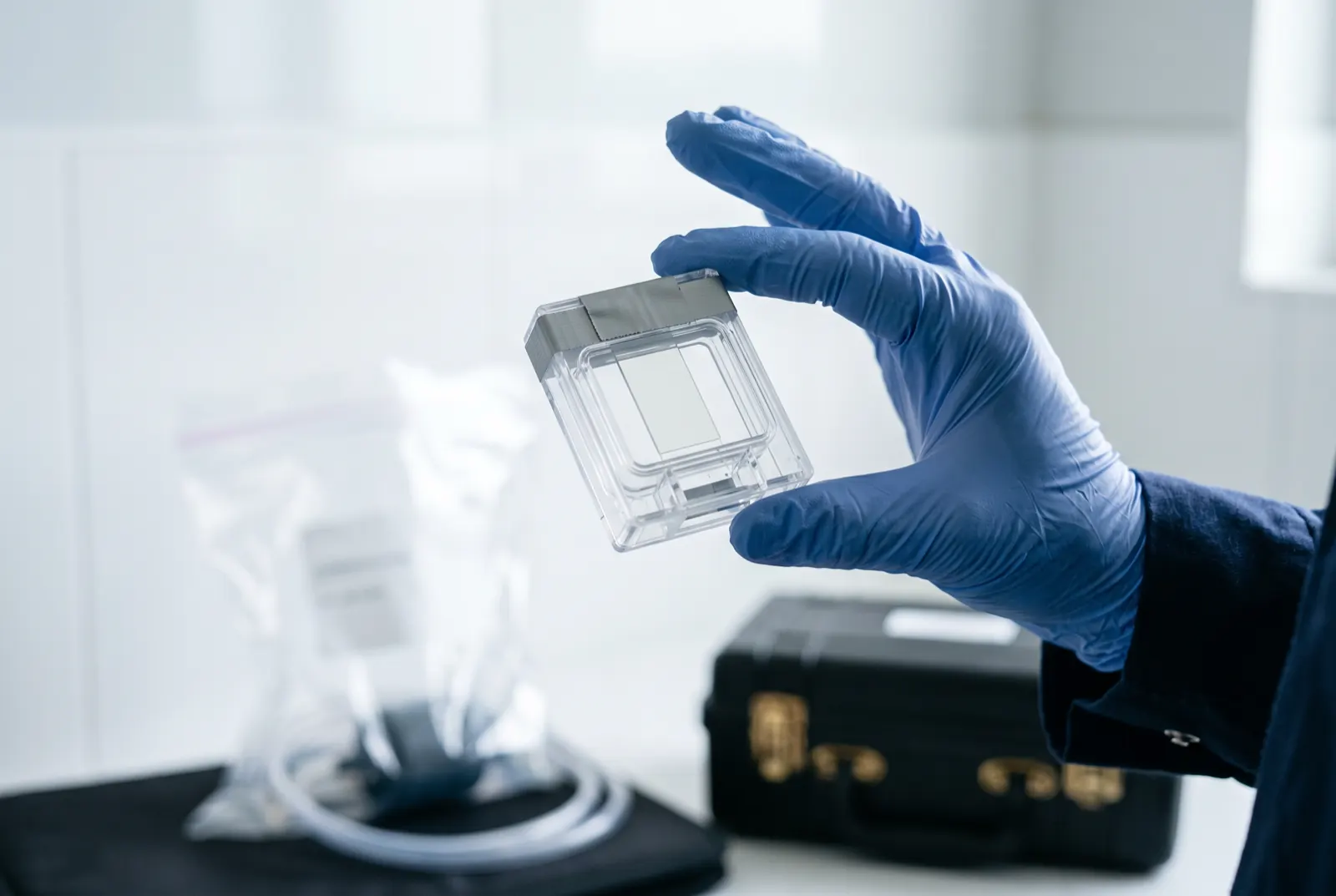
Mold testing collects air or surface samples that a laboratory analyzes to identify and quantify mold. Sampling is one tool within a broader assessment: it supports the investigation but does not, by itself, locate the moisture source. Sterling recommends sampling when it answers a real question — not by default.
Also called: mold test, mold sampling, air quality test, spore testing, black mold testing
What this service investigates
- Whether indoor spore levels differ from an outdoor baseline
- What is present on a specific suspect surface
- Documentation needs for a transaction or claim
- Clearance criteria after remediation
Who needs it
- People who need to scope or confirm a suspected problem
- Buyers, sellers, or attorneys needing documentation
- Clients arranging post-remediation clearance
- Anyone told to "just get an air test" who wants it done correctly
- FL Licensed Mold Assessor · MRSA5798
- FL Licensed Mold Remediator · MRSR5761
- IICRC Certified Water Restoration Tech
- NORMI-Certified Assessor & Remediator
- Insured · GL + E&O
- Independent Inspections · FL 12-Month Rule
What's included — and what isn't
Clear scope, honestly stated.
Included
- Air sampling (spore-trap) with indoor and outdoor baseline comparisons
- Surface sampling (tape-lift or swab) of specific suspect areas
- Documented chain of custody
- Analysis by an accredited laboratory
- Plain-language interpretation of what the results do and do not mean
Not included
- Using a sample as a substitute for finding the moisture source
- A "pass/fail" safety verdict
- Remediation or cleaning
- Medical interpretation of results
A calm, methodical process.
Step 1: Define the question
We decide what a sample would actually tell us before collecting one.
Step 2: Collect
We take representative air and/or surface samples with proper controls and baselines.
Step 3: Chain of custody
Samples are documented and submitted to an accredited laboratory.
Step 4: Interpret
We explain the results in plain language, including their limitations.
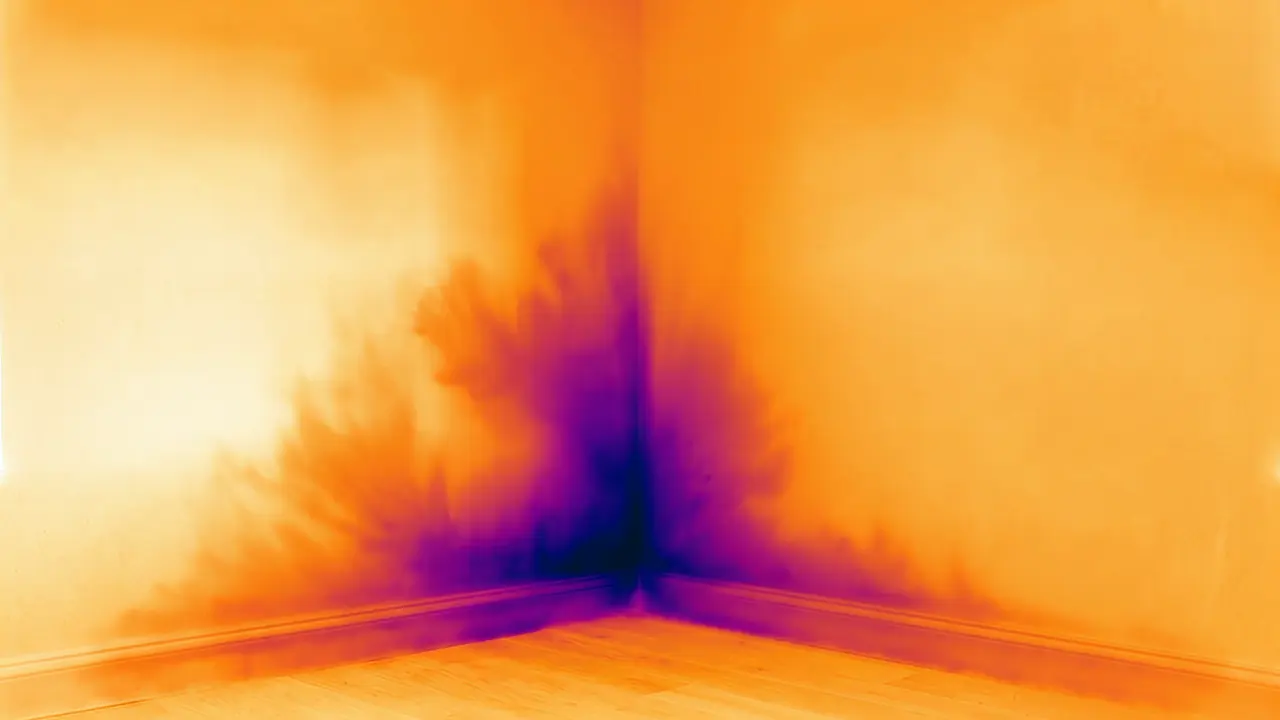
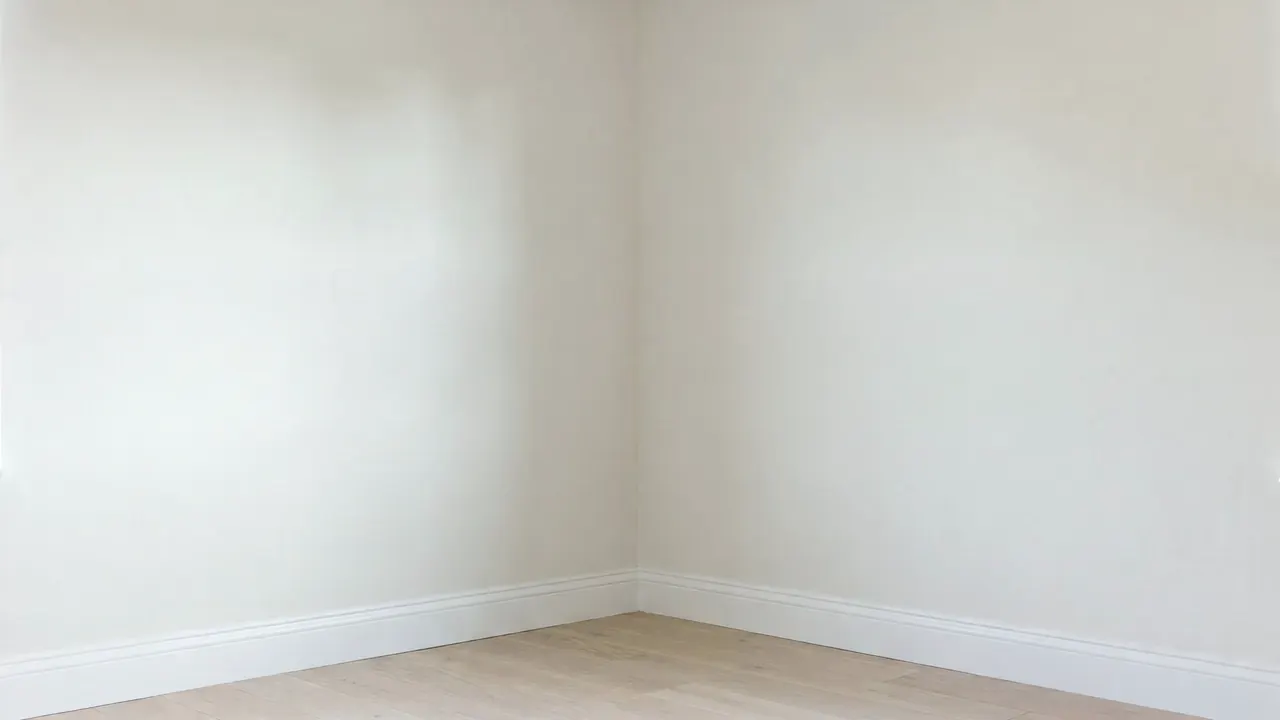
Thermal imaging reveals hidden moisture.
Drag the slider — infrared exposes the cold signature of moisture behind a wall that looks perfectly normal. It's the difference between guessing and knowing.
Methods & equipment
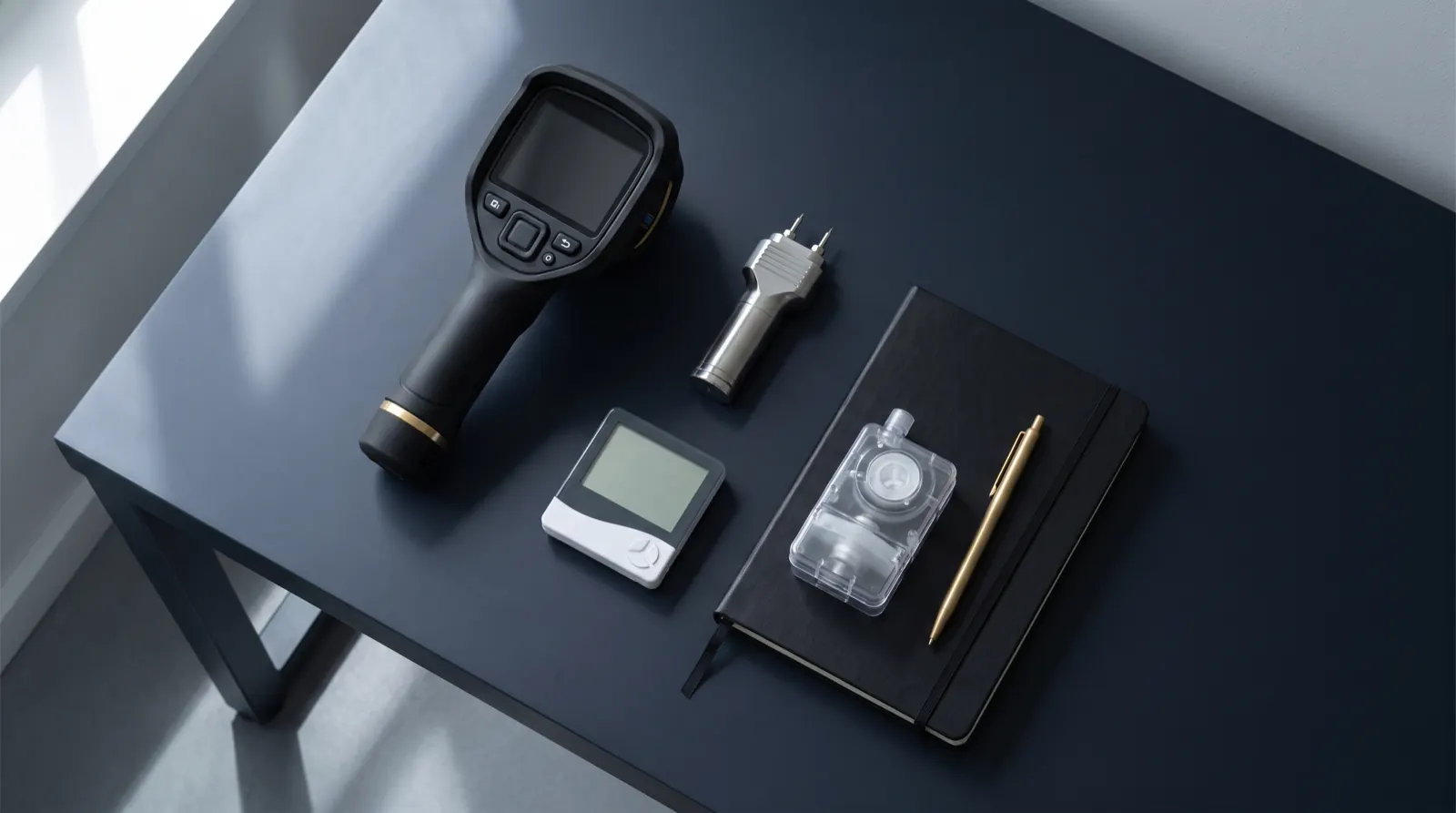
- Spore-trap air cassettes
- Tape-lift / swab surface sampling
- Outdoor baseline comparison
- Accredited-laboratory analysis
What you receive
- Laboratory report
- Indoor-vs-outdoor comparison
- Written interpretation and recommended next steps
Typical timing
Samples are collected on-site; laboratory turnaround depends on the laboratory and the analysis requested. We share and explain results as soon as they are available.
Pricing
$175 per sample
$175 per sample for one to three samples, $150 each for four to seven, $135 each for eight or more. Air, swab, and tape lift are the same price. An air handler pair, one sample at the return and one at the supply, is $350. Every sample includes the Laboratory Results Interpretation. The full sheet is on the pricing page.
Mold Testing & Sampling — questions
Often not. Visible growth usually confirms a mold problem that needs to be corrected regardless of a number. Sampling can still help when you need to scope the extent, document a baseline, or verify clearance.
You may also need
Laboratory Results Interpretation
A plain-English written interpretation of every laboratory result, tied to the moisture and thermal findings from the inspection. Included with every sample.
Learn more
Indoor Air Quality Services
Building-science IAQ evaluations focused on humidity, ventilation, moisture, and mold-related conditions — informational, never a medical assessment.
Learn more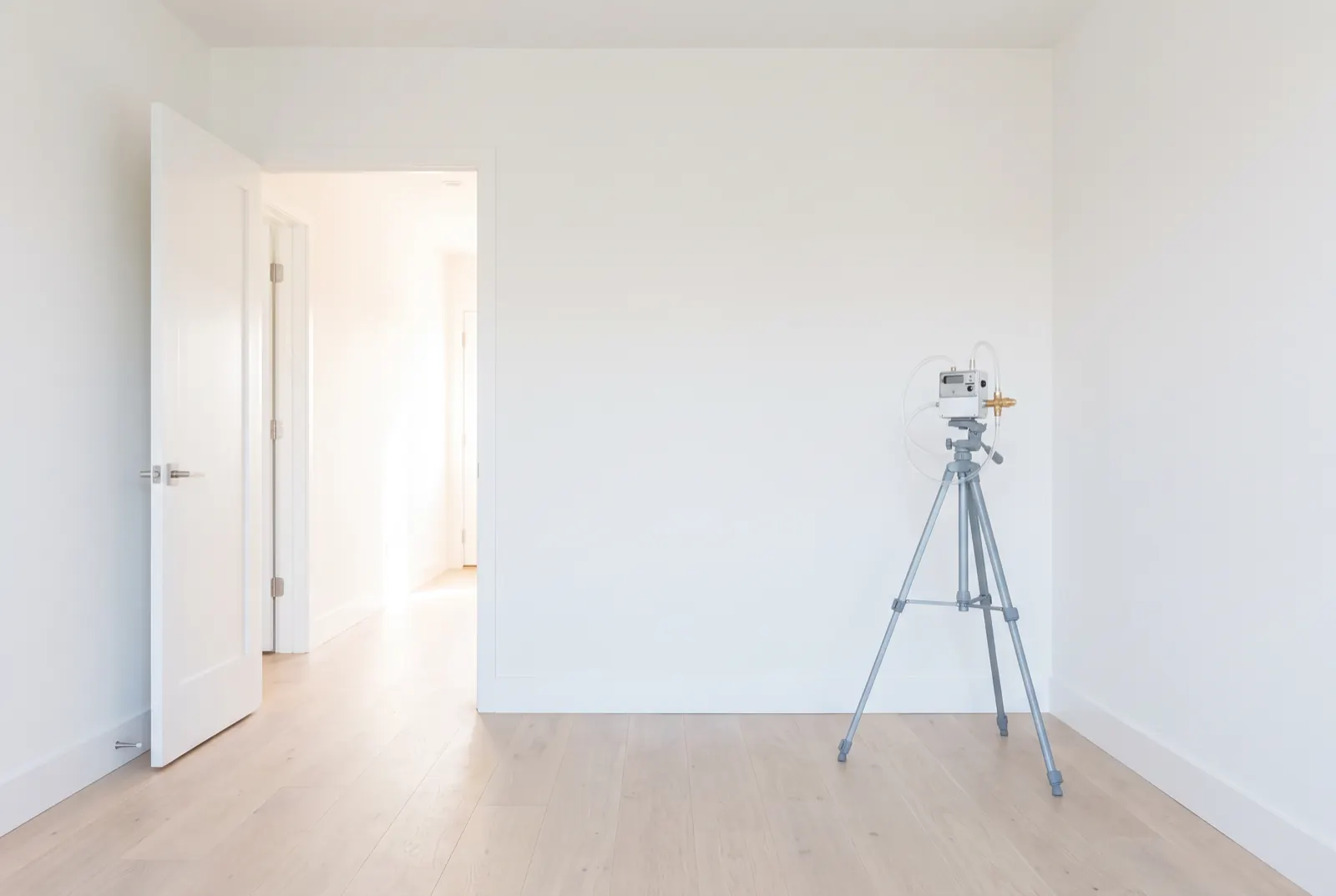
Post-Remediation Verification
Independent post-remediation clearance: visual verification, moisture confirmation, and laboratory sampling on every verification, against defined criteria.
Learn moreMold Testing & Sampling by city
Local mold testing & sampling pages for the communities Sterling serves — from the Treasure Coast to Palm Beach County.
What you receive
See what this service produces
Every inspection ends in a written assessment, and where sampling is involved, an accredited laboratory analysis with a licensed interpretation. Published in full.
See every section of every document
Ready for clear answers about moisture and mold?
Request an inspection or call Sterling. We explain what we find, what it means, and what to do next — with no remediation upsell.