Short answer
After hurricane flooding, mold can begin developing on wet materials within roughly 24 to 48 hours. The recovery timeline is a race against moisture: stop intrusion and remove standing water immediately, dry aggressively within the first two days, document everything for insurance, and arrange an independent moisture inspection once water is out — sooner if materials stayed wet or the home sat closed and humid.
Why the first 48 hours decide so much
Mold needs moisture, and a flooded home supplies it in abundance. On wet, porous materials — drywall, insulation, carpet, cabinetry — growth can begin within about 24 to 48 hours under warm, humid conditions. In Florida after a hurricane, those conditions are almost guaranteed.
The deeper lesson is that the clock starts the moment materials get wet, not the moment you notice a problem. Speed in the first two days does more to limit mold than anything done later.
Hours 0–24: stop water and remove the obvious
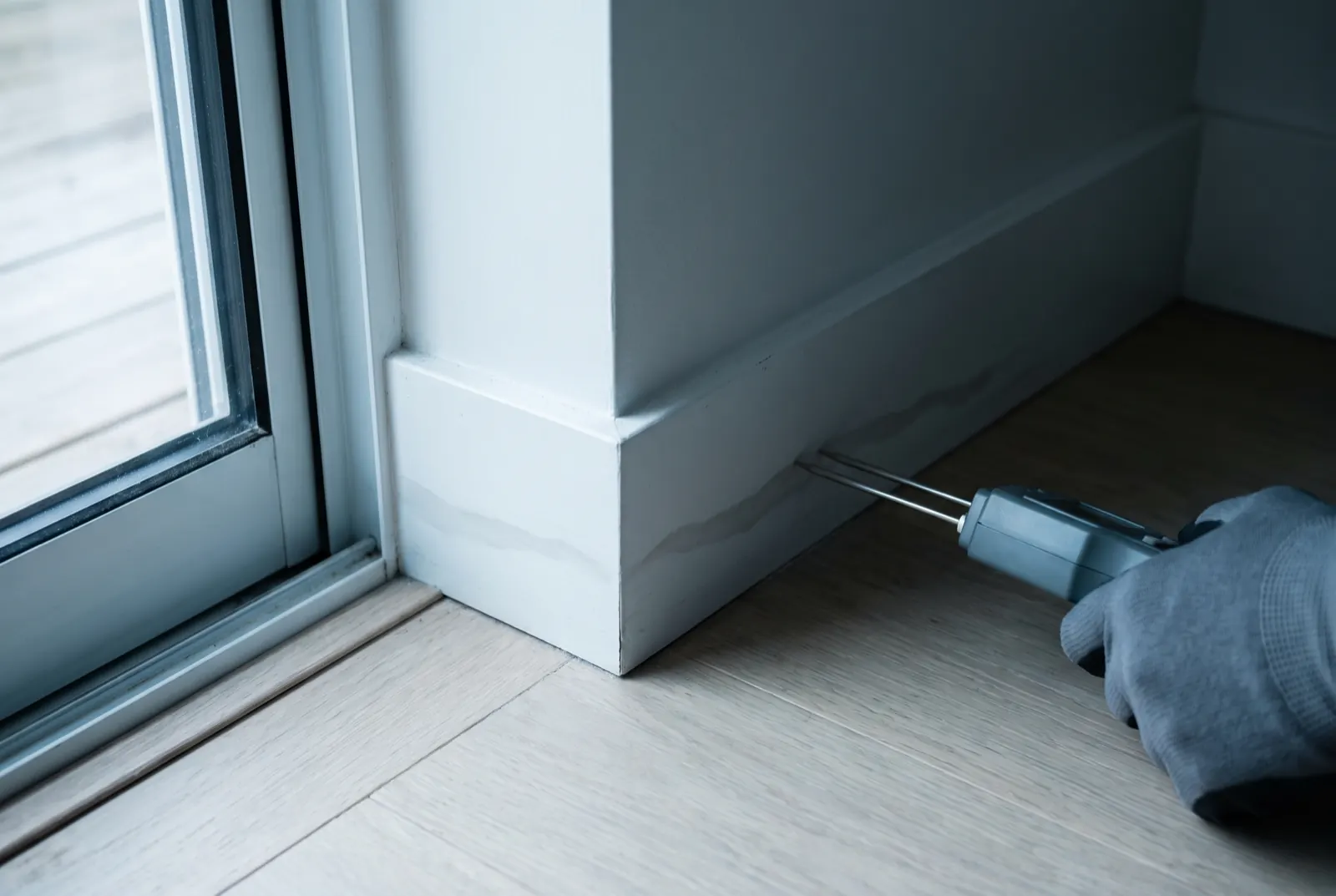
Once it is safe, stop any ongoing intrusion and remove standing water. Pull up soaked rugs and carpet, move wet contents out, and get air moving. If power is available and the structure is safe, run air conditioning or dehumidifiers to start pulling moisture out of the air.
Before you discard anything, photograph it. The water line on the wall, the affected rooms, and the damaged materials are all evidence you will want for an insurance claim.
The Treasure Coast complication: closed, humid homes
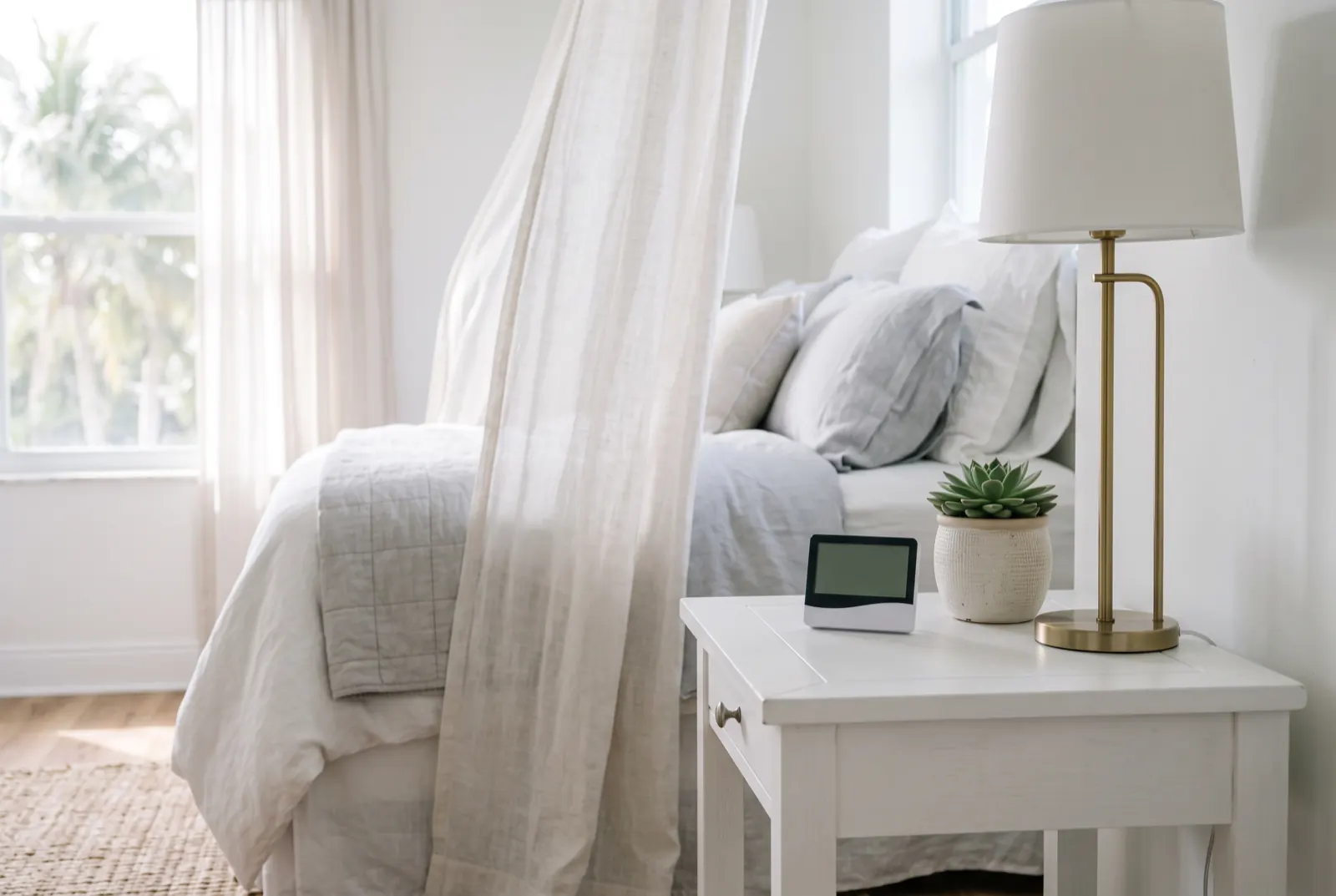
A recurring South Florida scenario makes this worse. After a storm, a home may sit closed and without power for days, with no air conditioning to control humidity. Indoor moisture climbs, settles on surfaces, and drives growth even in areas the floodwater never reached.
Seasonal and second homes are especially exposed, because no one is on site to start drying. If a property was closed and humid after a storm, treat it as a moisture concern even if the flooding itself looked minor.
When to bring in an independent inspection
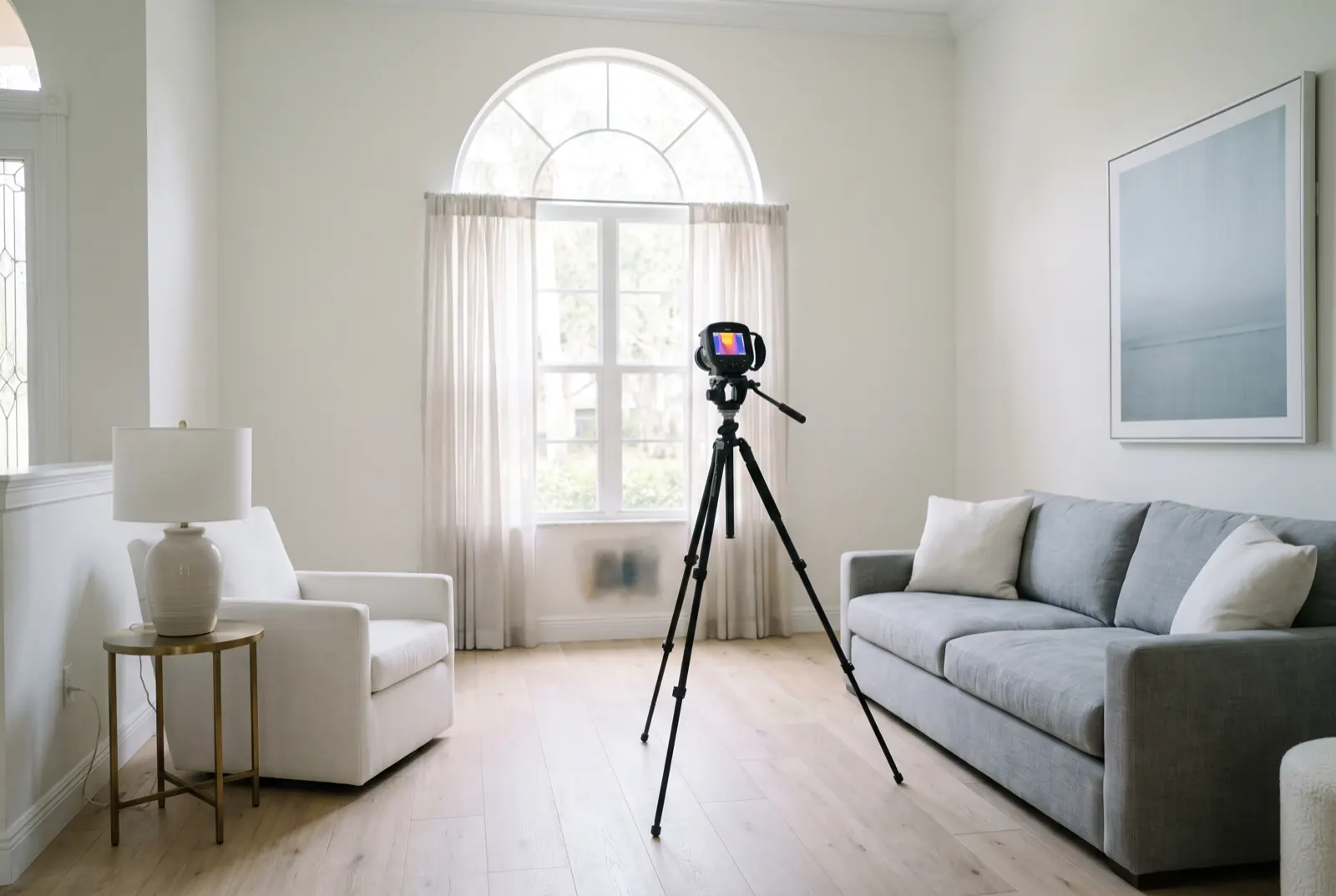
Arrange a moisture inspection once standing water is out and drying is underway — and promptly if materials were wet for more than a day or two, if the home sat closed and humid, or if a musty odor develops. An inspection uses moisture meters and thermal imaging to map how far water traveled and whether concealed materials are still wet.
After a storm, remediation companies are in high demand and a "free inspection" often comes bundled with a cleanup contract. An independent inspection gives you a neutral read on the true extent of moisture, so any remediation scope reflects the property rather than the contractor's incentive. If Sterling does the inspection, it assesses and documents — and Florida law bars it from remediating that home for 12 months.