Short answer
Hidden moisture usually announces itself before you see mold: a musty odor, faint staining or bubbling paint, warped trim or flooring, condensation on windows or vents, and rising indoor humidity. Because mold grows where water lingers out of sight, these secondary clues — not visible growth — are often the first evidence that something behind a finish is wet.
Trust your nose first
A persistent musty or earthy odor is one of the most reliable signs of hidden moisture. Microbial growth releases the compounds you smell long before growth becomes visible, so an odor with no obvious source usually means water is sitting somewhere you cannot see — inside a wall cavity, under flooring, or behind a cabinet.
Odors that come and go with the weather, the air conditioning, or a particular room are worth paying attention to. They are pointing you toward the source.
Visual clues on surfaces
Look for staining, discoloration, or a faint yellow-brown halo on ceilings and walls — the fingerprint of water that dried after soaking through. Bubbling, peeling, or blistering paint and wallpaper indicate moisture pushing out from behind the finish.
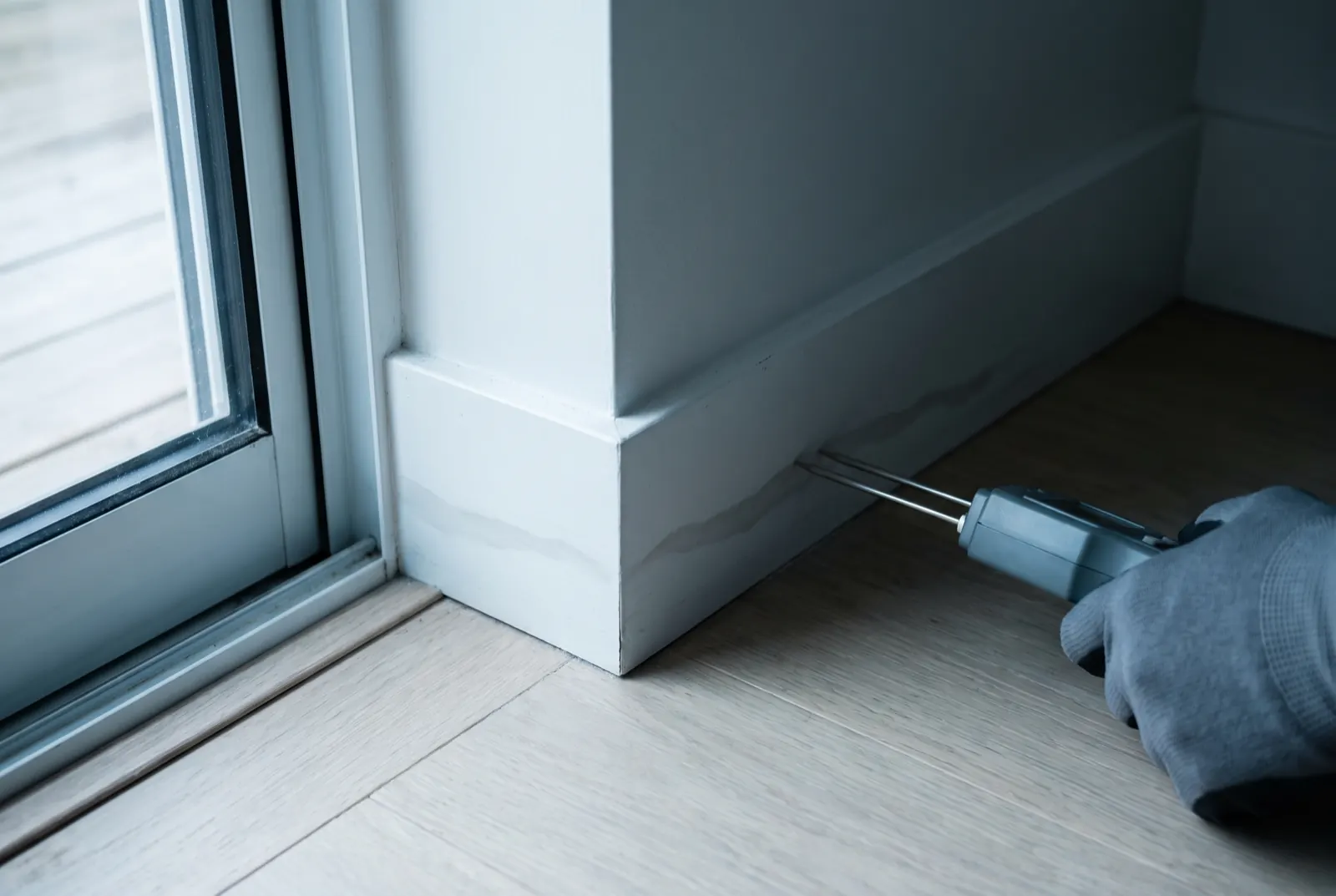
Warping is another tell: buckled baseboards, cupped or lifting flooring, and swollen door or window trim all suggest materials have absorbed water. None of these is mold itself, but each marks a place where moisture has been.
Condensation and humidity signals
Condensation on windows, around supply vents, or on cold water lines shows that humid indoor air is meeting cold surfaces — a common Florida pattern that wets materials day after day. Foggy windows and a clammy feel in a closed room are worth noting.
A simple hygrometer helps. If indoor relative humidity is running high despite the air conditioning, the conditions that support hidden growth are already present, and it is worth finding out why.
Where water hides in Florida homes
The usual suspects are predictable: under and behind bathroom and kitchen cabinets, around tubs and showers, beneath water heaters and washing machines, at roof and flashing penetrations, around windows, and — very often in Florida — at the HVAC air handler, drain pan, and condensate line.
Wall cavities adjacent to any of these are where growth commonly develops unseen, because the material stays damp and dark long enough for mold to establish.
How professionals confirm it without tearing walls apart
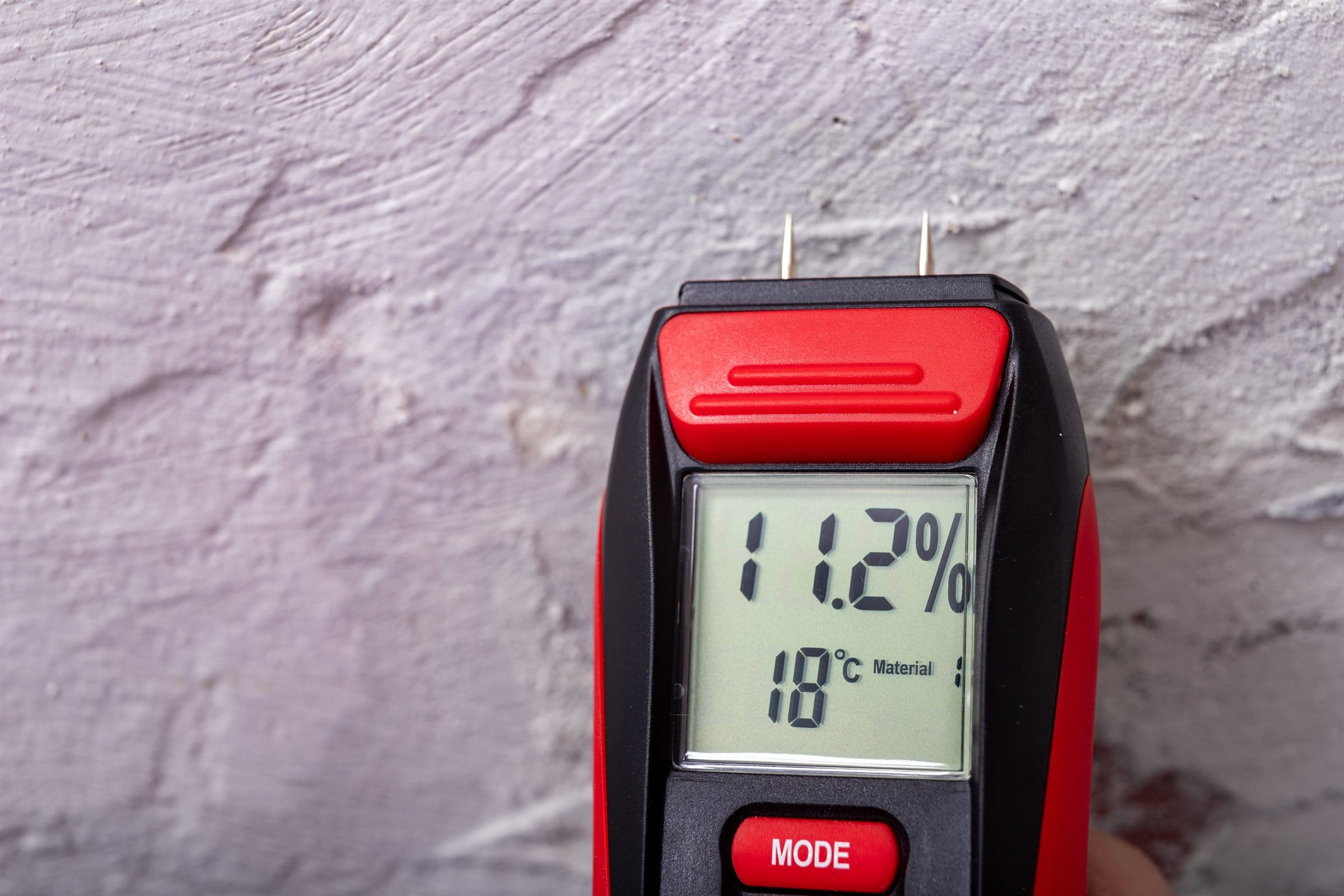
A standard inspection is non-invasive. Moisture meters read dampness inside materials, a hygrometer measures room humidity, and a thermal (infrared) camera reveals temperature differences that can flag wet areas behind finishes. Importantly, none of these tools detects mold — they detect the moisture mold needs, which is what makes them useful for finding hidden problems.
When the clues and readings point to concealed moisture, the report explains where more invasive investigation may be warranted, so any opening of a wall is targeted rather than exploratory.