Short answer
In a Florida transaction, a mold inspection is optional but often worthwhile — especially with odors, staining, past leaks, high humidity, or a general inspection that flags moisture. Scheduled during the inspection period, an independent inspection gives buyers and sellers documented facts and clear next steps, without any interest in selling remediation on the home.
Is a mold inspection required when buying a house in Florida?
No Florida law requires a mold inspection to buy or sell a home. Whether to get one is a risk decision, and Florida's climate raises the odds it is useful: high humidity, heavy AC use, and storm exposure keep indoor moisture — and therefore mold risk — elevated.
That does not mean every home has a problem. It means a targeted look is frequently a reasonable step, particularly when there are warning signs.
When is a dedicated mold inspection worth it for a buyer?
Consider one when there is a musty odor, visible discoloration, a history of leaks or roof and plumbing repairs, prior flooding, or elevated humidity — and whenever a general home inspection notes moisture or water staining and recommends a specialist.
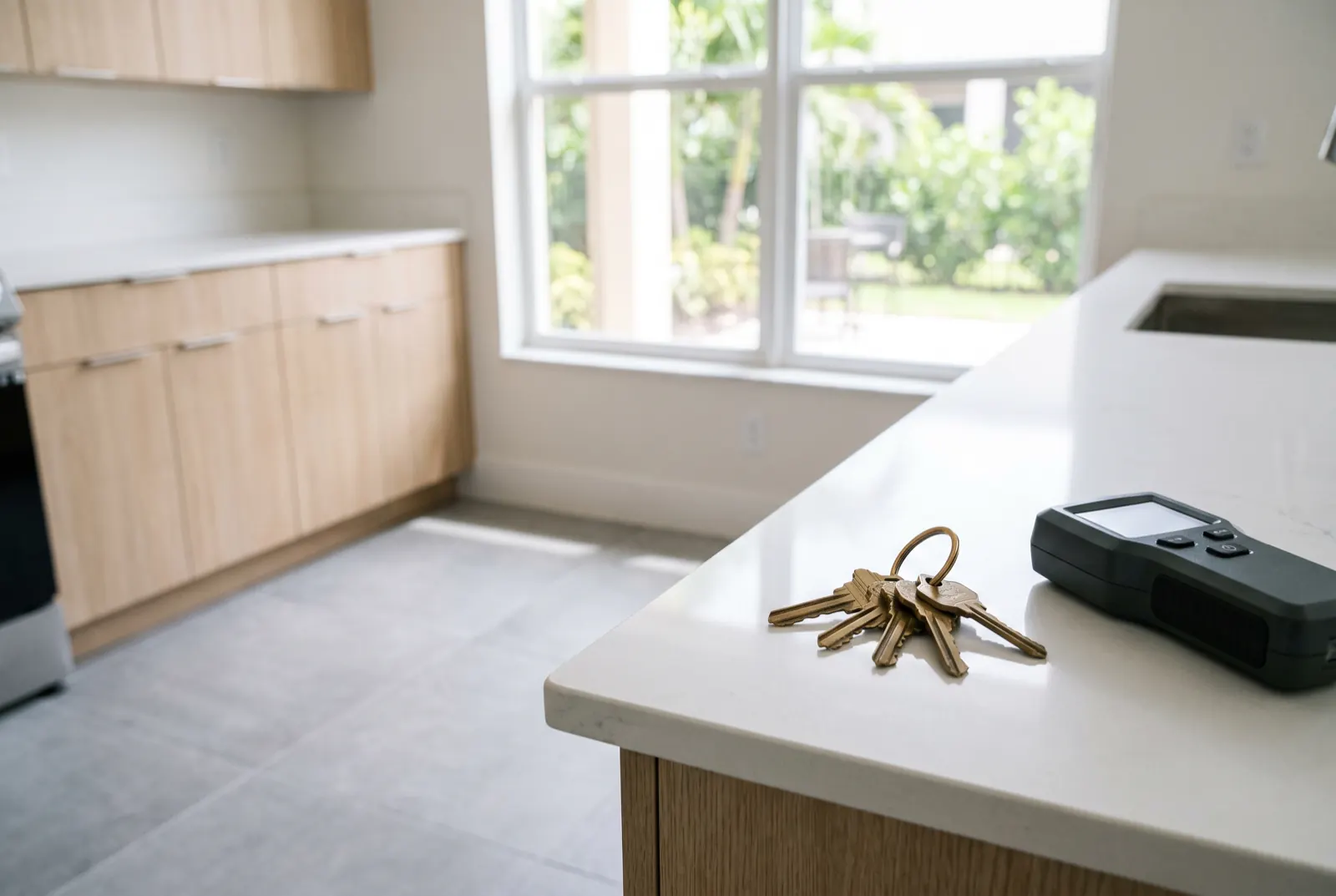
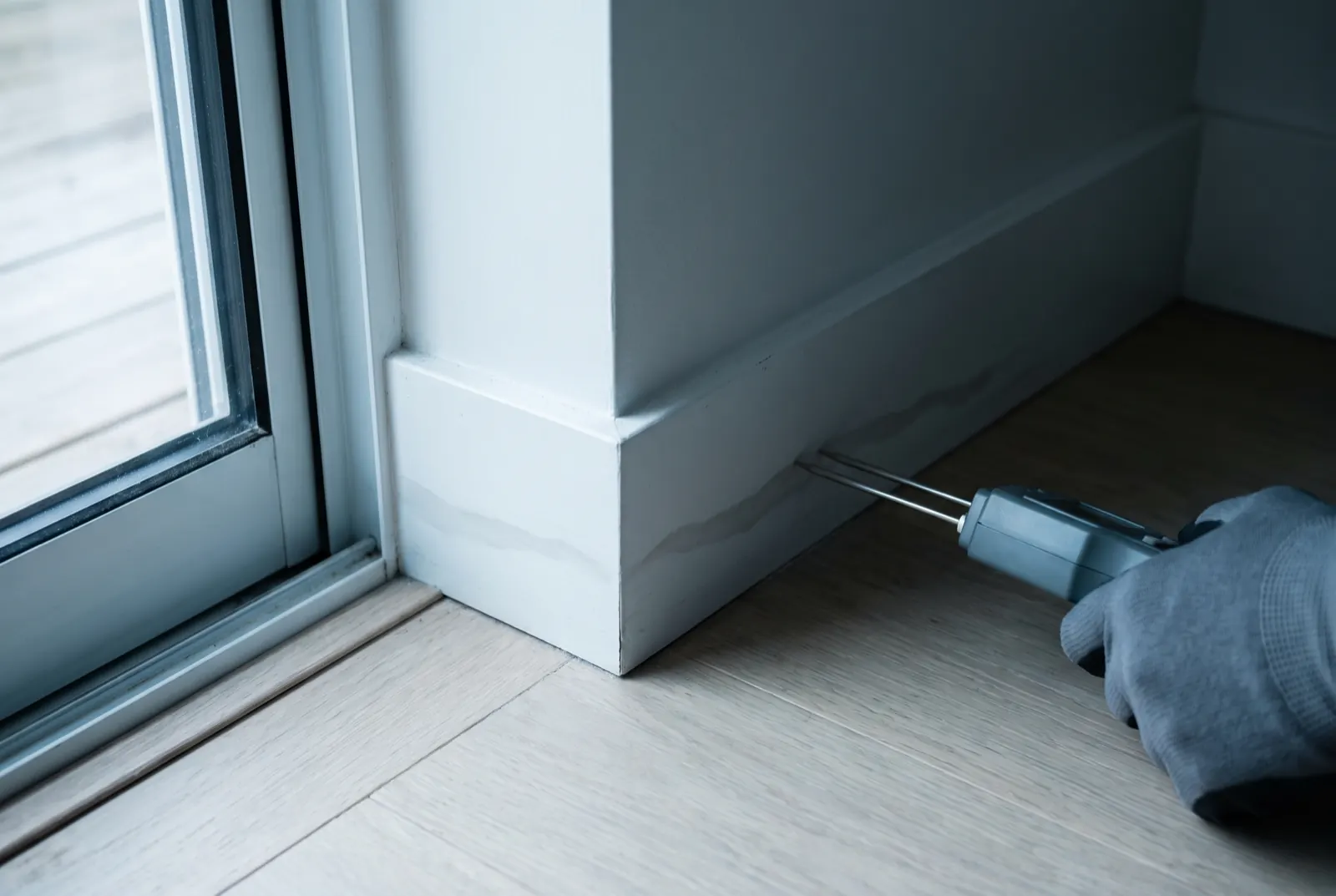
A general home inspection is broad and usually is not a dedicated moisture-and-mold assessment. A focused inspection brings moisture meters, a hygrometer, and thermal imaging to bear specifically on these conditions.
How does a mold inspection fit into the inspection period?
Most Florida contracts include a defined inspection period, and that window is when a mold inspection is most valuable. It gives you documented facts while you still have leverage — to request repairs, renegotiate, or walk away. An assessor who works within transaction timelines and turns reports around quickly matters, because the window is short.
Why do sellers benefit from a mold inspection?
Sellers are not just on the defense. An independent assessment before listing surfaces issues on the seller's terms, supports good-faith disclosure, and reduces the chance of a deal-threatening surprise during the buyer's inspection. Under Florida's disclosure duty (from Johnson v. Davis), sellers must disclose known material defects not readily observable to a buyer — and documentation helps demonstrate that a known issue was handled and disclosed.
Why does inspector independence protect the transaction?
The value of an independent inspection is that the findings are facts, not a pitch. An inspector who won't be remediating the home has no stake in selling a cleanup, so neither side is negotiating against an inflated scope. Buyers get an honest read on conditions; sellers get a neutral record; and both can take the documentation to any contractor they choose. No inspection, though, can certify a home "mold-free" — what you get is documented conditions and clear next steps.