For insurance claims: findings that hold up under scrutiny
Claims are won and lost on documentation. A report written by the company that also wants to be paid for the repair is the easiest thing in the file for a carrier to discount.
Short answer
For a property insurance claim, Sterling provides independent documentation of moisture and mold conditions: what is present, where, how far it has spread, and what the physical evidence indicates about the source. Because Florida law bars us from remediating a property we assessed within the prior 12 months, our findings carry no stake in the remediation that follows — which is precisely what makes them defensible to a carrier, an adjuster, or a court.
What actually goes wrong
If none of these sound familiar, you probably do not need us yet — and we would rather you knew that.
The carrier disputes the cause
Whether damage came from a sudden accidental discharge or long-term seepage is often the question a claim turns on — and it is settled with physical evidence.
The scope is contested
How far moisture actually travelled determines what gets paid for. Undocumented extent gets negotiated down.
Findings are dismissed as self-interested
A report from a contractor bidding the repair invites the obvious objection. Independence removes it.
Evidence disappears with time
Materials dry, get demolished, or get replaced. Conditions that were not documented when they existed cannot be documented later.
Why this works for you specifically
Independent inspections from a Florida-licensed assessor — which turns out to matter more in your situation than in most.
No financial interest in the outcome
When we are the assessor, Florida law bars us from performing or bidding the remediation for 12 months, and we are paid the same regardless of what the report concludes or whether the claim is paid.
Evidence captured while it exists
Dated photographs, moisture readings, and thermal documentation of conditions as found — before drying, demolition, or repair alters them.
Accredited third-party lab results
The Premium package adds independent laboratory analysis with a matched outdoor baseline, which is the form of evidence carriers and courts actually accept.
Written to be read by someone skeptical
Findings separated from inference, limitations stated plainly, and no claims the evidence does not support.
Why independence is the whole point here
In a contested claim, the first question asked of any report is who paid for it and what they stand to gain. A document produced by the contractor who wants the repair contract answers that question badly, no matter how accurate its contents are.
Florida licenses mold assessment and mold remediation separately and restricts the same party from doing both on one project. When Sterling is the assessor, independence is therefore not just a marketing position — it is the structure the work is performed under.
What the documentation actually contains
Conditions as found, photographed and dated. Moisture readings at identified locations. Thermal imaging showing the extent of affected assemblies. Where the physical evidence points regarding a source — and, just as importantly, where it does not support a conclusion.
On the Premium package, accredited third-party laboratory analysis of indoor air against a matched outdoor baseline, with species identification and spore counts interpreted against that baseline.
We separate what was observed from what is inferred. A report that blurs the two is easy to attack, and a report that is easy to attack is not useful to you.
Timing matters more than almost anything else
Assess before drying equipment runs for a week, before demolition, and before repairs begin. Once materials have been dried or removed, the conditions that supported the claim no longer exist to be documented.
If work has already started, an assessment is still worth doing — but tell us what has been done and when, because that context changes how the findings should be read.
What we will not do
We do not interpret insurance policies. That is the work of a licensed adjuster or an attorney, not a building professional.
We do not attribute anyone's health symptoms to a building condition. That is a medical determination and it belongs with a physician.
We do not write conclusions the physical evidence does not support, including when a stronger conclusion would help the person paying us. A report that overstates is worth less than one that is careful, because the overstatement is what gets found.
Straightforward, published pricing
The Basic Mold Inspection is $400 and the Premium Indoor Air Quality Inspection, which adds accredited third-party lab testing, is $700. Commercial, multi-unit, and claim-documentation scopes are quoted individually.
Questions from insurance claims
It provides independent, documented evidence of moisture and mold conditions — photographs, readings, thermal findings, and optional accredited lab results. We don't interpret policies; what we supply is the physical documentation an adjuster or attorney relies on.
Most relevant to you
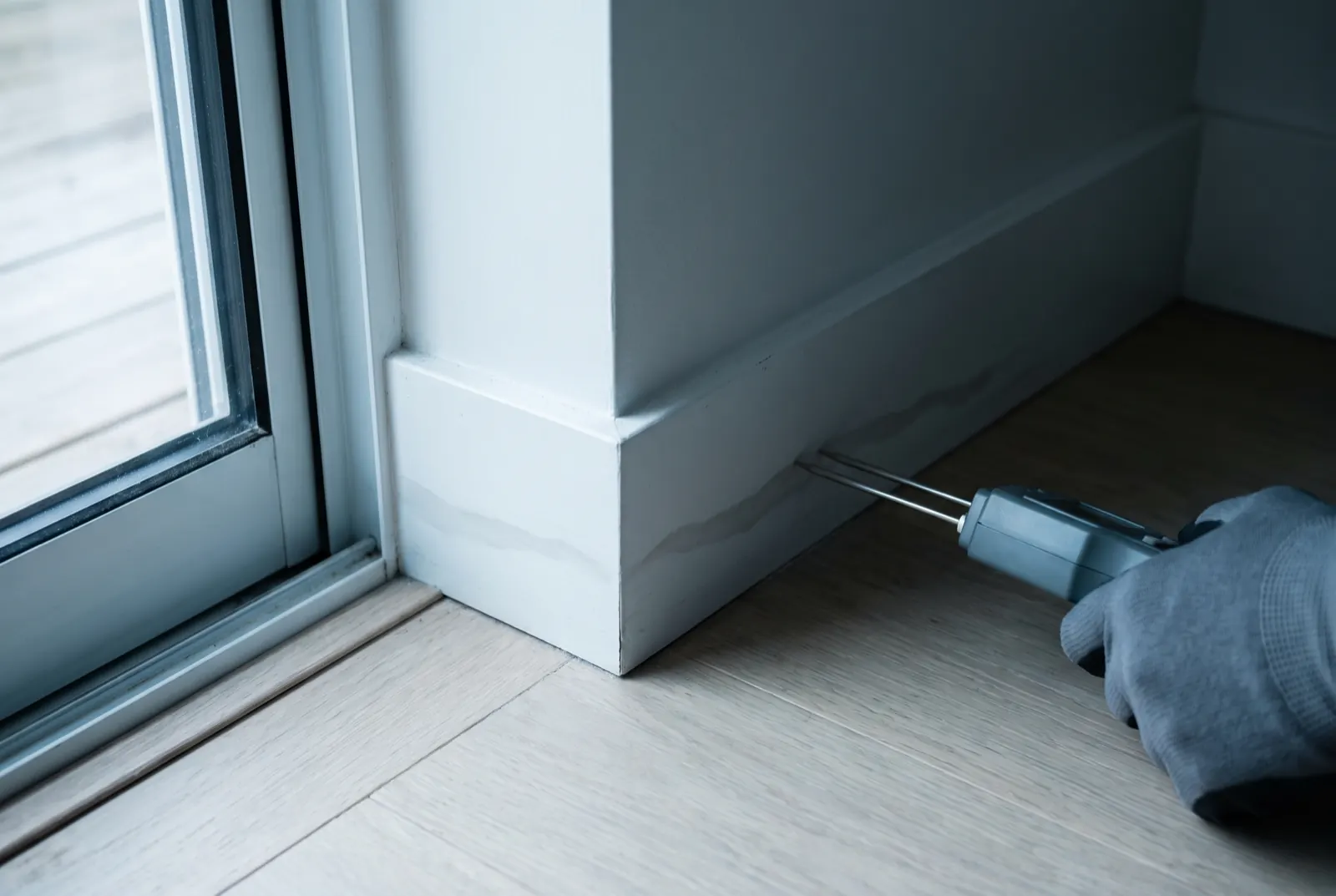
Moisture Intrusion Investigations
Source-focused moisture diagnostics that follow water through the building envelope and systems — the step most likely to prevent recurring mold.
Learn more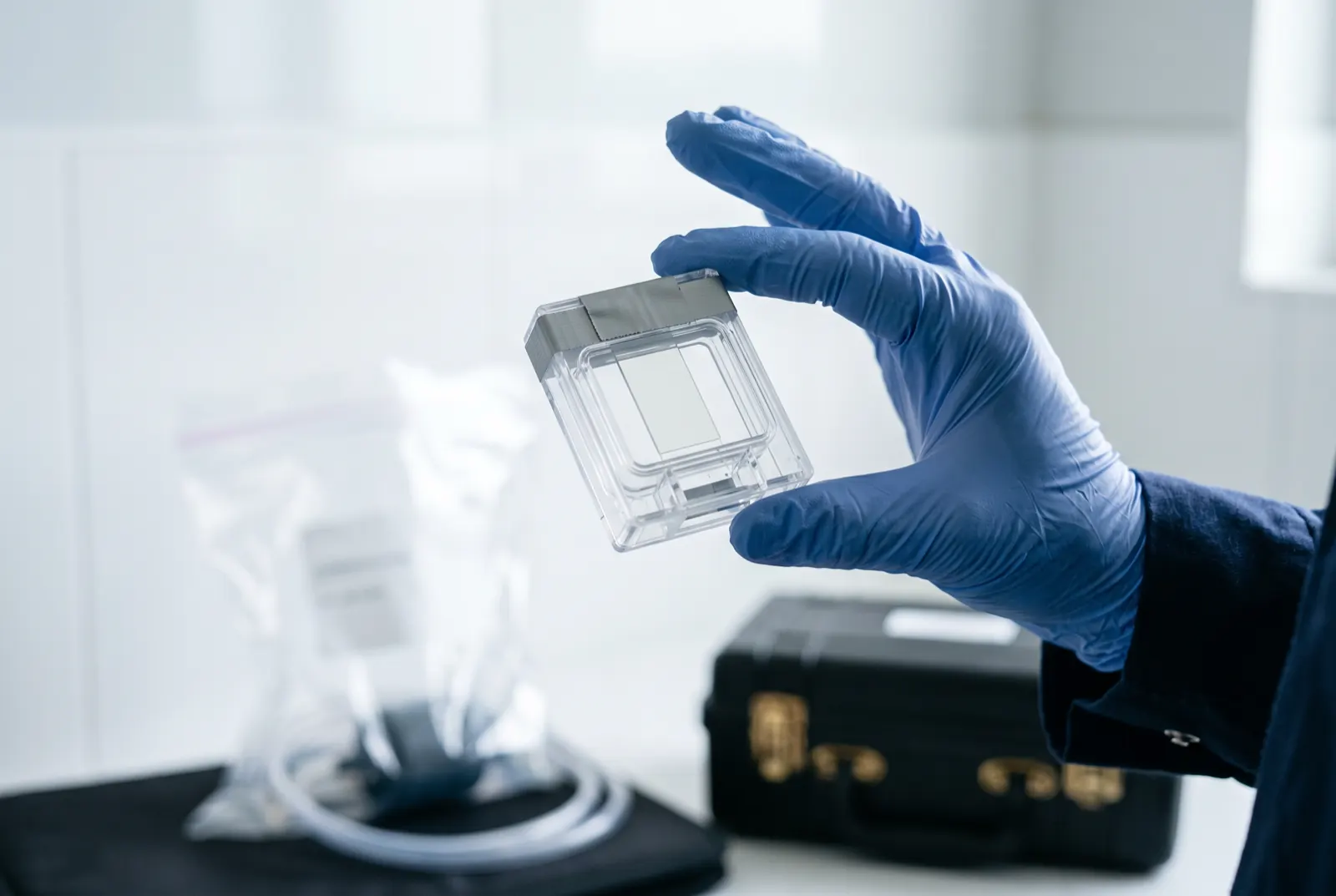
Mold Testing & Sampling
Air and surface sampling with accredited-lab analysis and plain-language interpretation — as part of a real investigation, not in place of one.
Learn more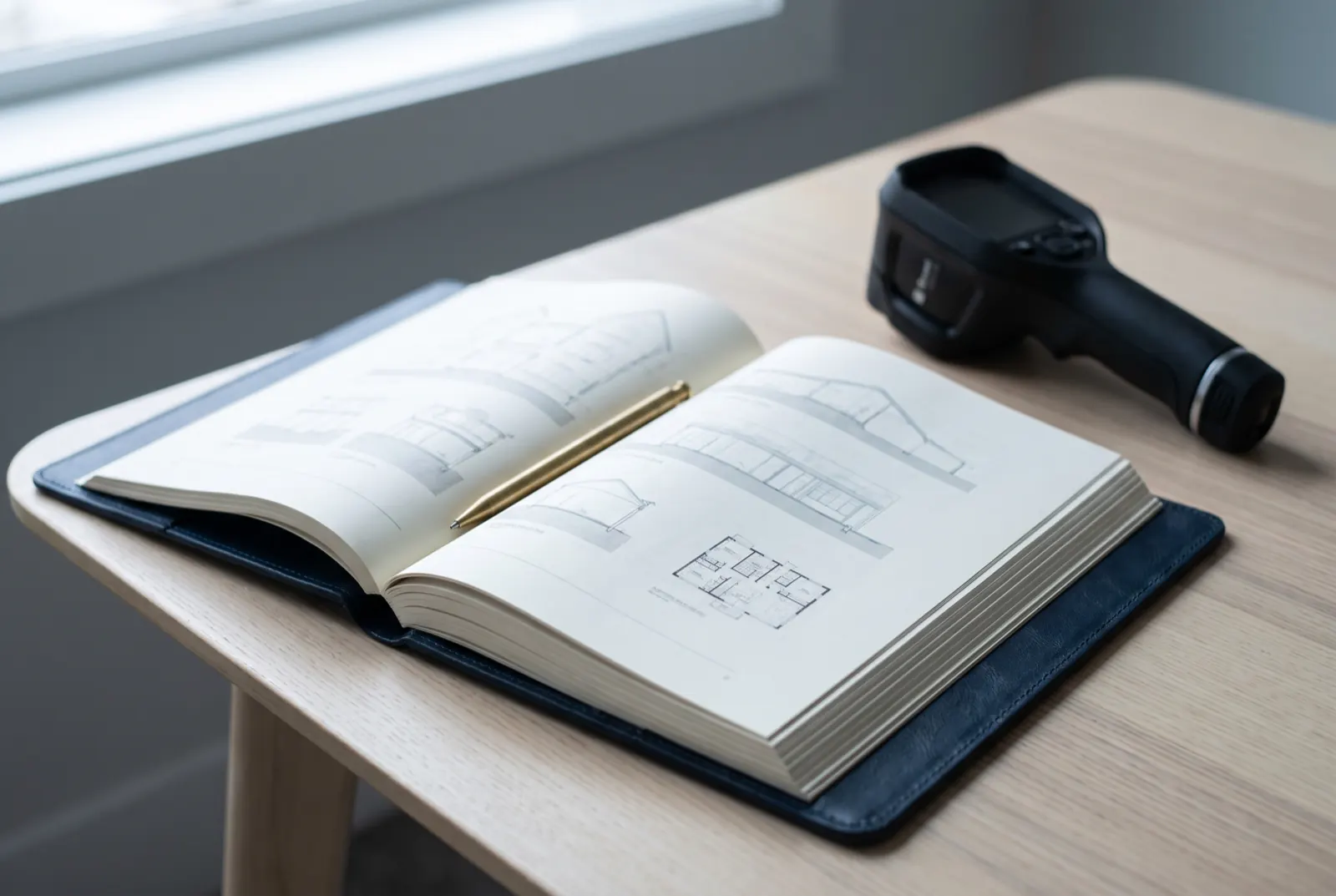
Mold Assessment & Remediation Protocols
A documented assessment plus, where warranted, a written remediation protocol defining scope, containment, and clearance criteria — independent of the remediation contractor.
Learn moreNot quite your situation?
- Realtors & AgentsA mold finding during an inspection period can end a transaction — not because the problem is severe, but because nobody can tell the parties how severe it actually is.
- Property ManagersA tenant says there is mold. The owner says there is not. Without independent documentation, whoever is more persistent wins — and the manager is caught in between.

Document it before the evidence is gone.
Tell us what happened, when, and what has already been done to the property. Claim and litigation documentation packages are quoted individually.