For property managers: documentation that ends the argument
A tenant says there is mold. The owner says there is not. Without independent documentation, whoever is more persistent wins — and the manager is caught in between.

Short answer
Property managers use Sterling for objective, third-party documentation of moisture and mold conditions — the kind that resolves a tenant complaint, supports or refutes a habitability claim, and establishes what condition a unit was in on a specific date. Because we can't remediate a property we inspect — Florida law bars it for 12 months — neither the owner nor the tenant can argue the findings were financially motivated.
What actually goes wrong
If none of these sound familiar, you probably do not need us yet — and we would rather you knew that.
Tenant complaints with no objective record
A complaint you cannot verify or refute becomes a dispute, and eventually a liability, on the manager's desk.
Recurring problems across units
The same complaint in three units usually means a shared cause — an HVAC design issue, a building-envelope failure, a drainage problem — not three coincidences.
Turnover decisions under time pressure
You need to know whether a unit can be re-let now, or whether something has to be corrected first.
Vendor quotes with no independent scope
When the company that diagnoses the problem also prices the cleanup, there is nothing to check the scope against.
Why this works for you specifically
Independent inspections from a Florida-licensed assessor — which turns out to matter more in your situation than in most.
Neither side can call it biased
When we inspect, Florida law bars us from remediating that property for 12 months, we take no referral fees, and we have no financial interest in the conclusion — which is what makes it usable in a dispute.
A dated record of condition
Photographs, moisture readings, and findings tied to a specific unit on a specific date. That record is what settles arguments months later.
Pattern investigation across units
When several units report the same thing, we look for the shared cause rather than writing the same report three times.
An independent check on vendor scope
A second opinion on a remediation proposal, written by someone who does not profit from the work being approved.
Documentation is the actual deliverable
For a manager, the finding itself is often less valuable than the record of it. What condition was this unit in on this date? Who assessed it? What did they measure, and what did they recommend?
That record is what protects everyone involved — it establishes good-faith response to a complaint, supports the owner if a claim is unfounded, and supports the tenant if it is not. Ambiguity is what creates liability, not findings.
Shared walls, shared systems, shared problems
In multifamily and condo buildings, moisture rarely respects unit boundaries. A supply leak in one unit migrates through a shared wall assembly. A common-area drainage issue shows up as a complaint on the ground floor. An air-handling system distributes whatever is in it to every room it serves.
Assessing units in isolation produces three separate reports and no explanation. Investigating the assembly and the systems produces a cause — which is the only thing that actually stops the complaints from recurring.
Turnovers and pre-lease condition
An assessment between tenancies establishes a clean baseline and surfaces developing moisture problems before a new tenant is in place and a new complaint is filed. It is considerably cheaper to find a slow leak in an empty unit than in an occupied one.
For units with a complaint history, a documented pre-lease condition is often the single most useful thing in the file.
Commercial, HOA and portfolio scope
Common areas, multi-unit buildings, portfolios, and buildings over 4,000 sq ft are quoted individually rather than sold at a package price, because the scope genuinely differs. Tell us the number of units, the concern, and the access situation and we will scope it properly.
For recurring work across a portfolio, consistency matters — the same assessor, the same methodology, and reports that can be compared to each other over time.
Straightforward, published pricing
The Basic Mold Inspection is $400 and the Premium Indoor Air Quality Inspection, which adds accredited third-party lab testing, is $700. Commercial, multi-unit, and claim-documentation scopes are quoted individually.
Questions from property managers
Yes. You receive a written report with dated photographs, moisture readings, and findings tied to a specific unit and date, produced by a licensed Florida mold assessor with no financial interest in the outcome. That independence is what makes it useful to both sides.
Most relevant to you
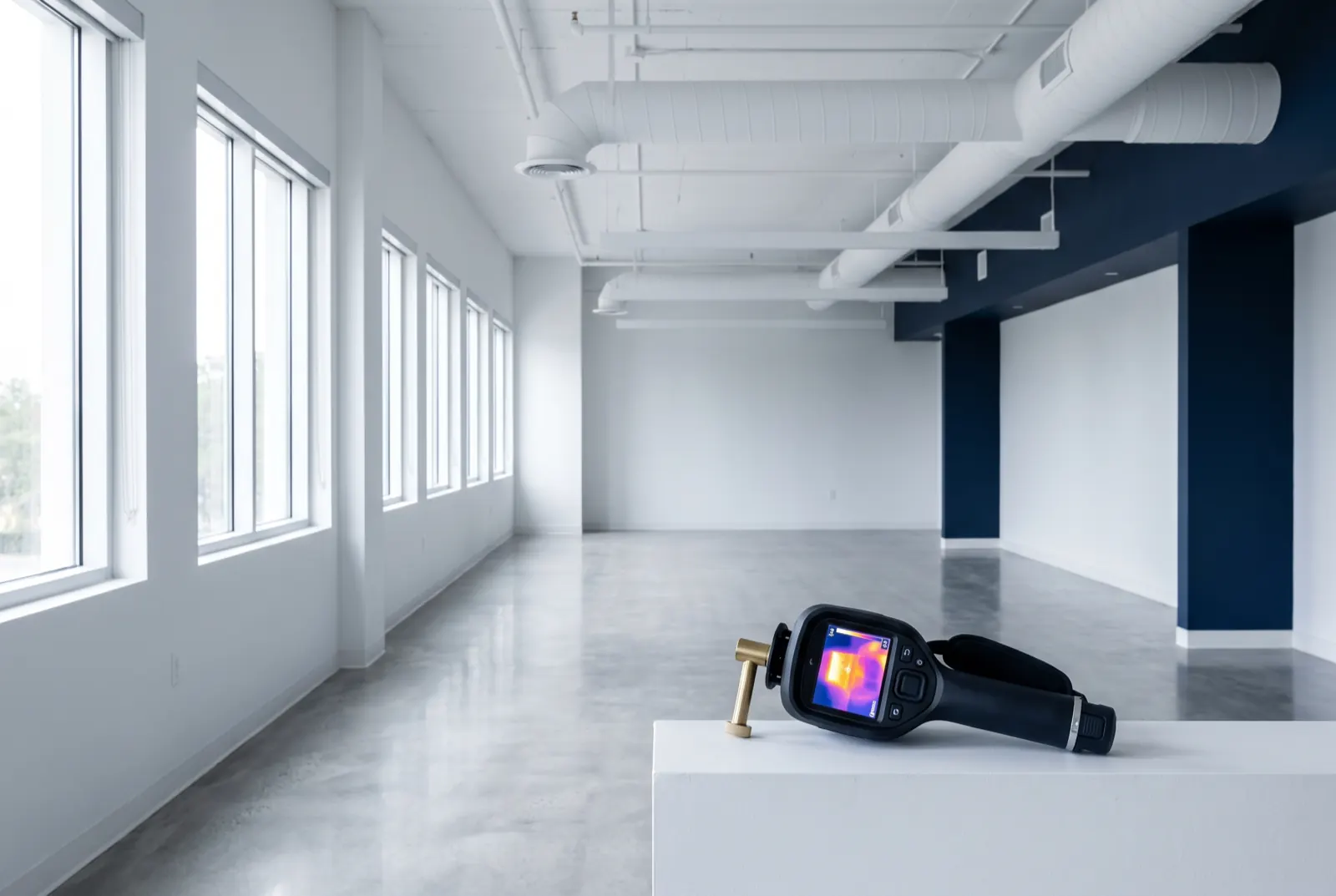
Commercial Mold Inspections
Independent commercial moisture and mold assessments scaled for occupied, multi-unit, and larger properties, with documentation for owners and managers.
Learn more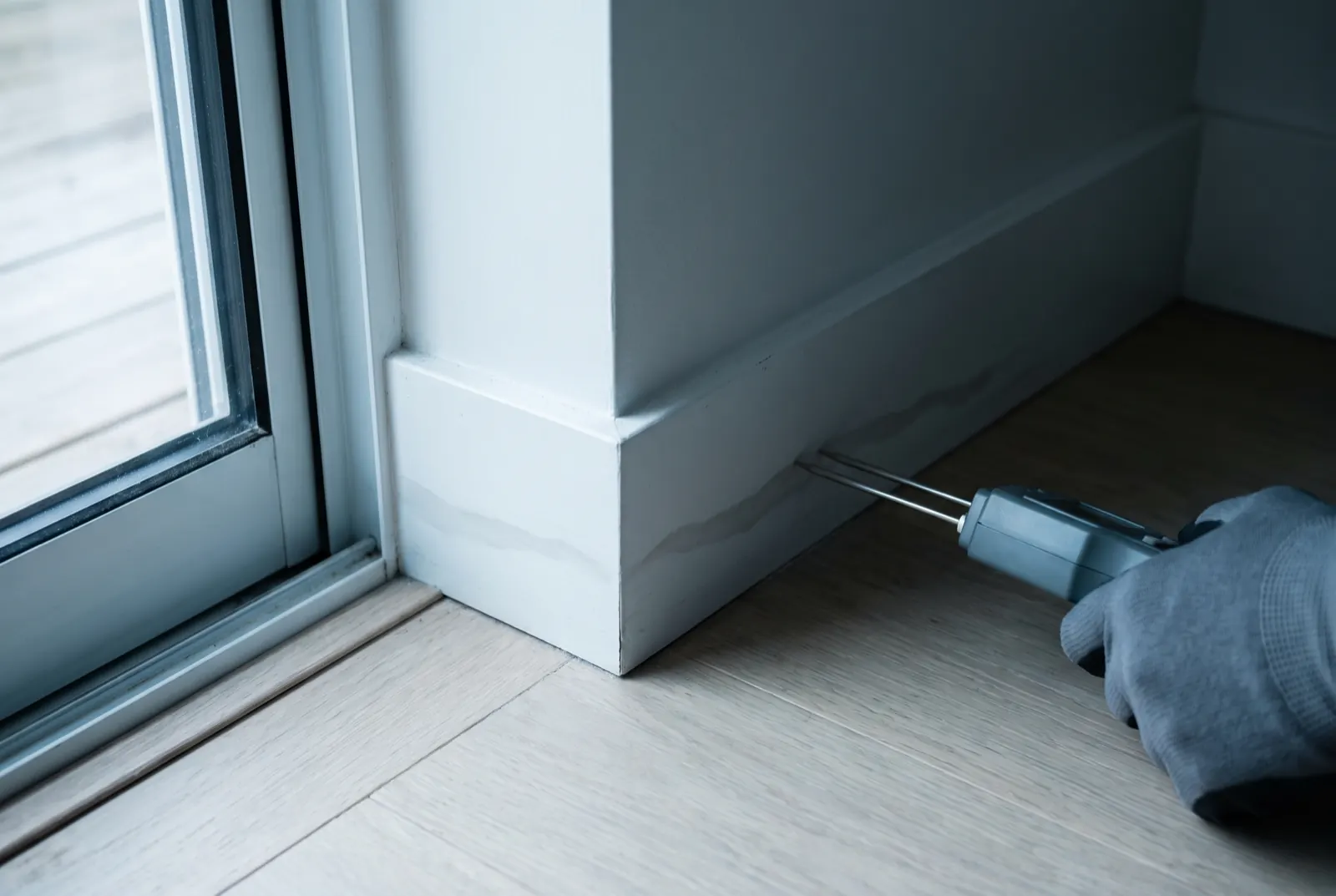
Moisture Intrusion Investigations
Source-focused moisture diagnostics that follow water through the building envelope and systems — the step most likely to prevent recurring mold.
Learn more
Mold Assessment & Remediation Protocols
A documented assessment plus, where warranted, a written remediation protocol defining scope, containment, and clearance criteria — independent of the remediation contractor.
Learn moreNot quite your situation?
- Realtors & AgentsA mold finding during an inspection period can end a transaction — not because the problem is severe, but because nobody can tell the parties how severe it actually is.
- Insurance ClaimsClaims are won and lost on documentation. A report written by the company that also wants to be paid for the repair is the easiest thing in the file for a carrier to discount.

Need a unit documented this week?
Tell us the property, the number of units involved, and the complaint. Commercial and multi-unit scopes are quoted individually, typically within one business hour.