Short answer
Yes. Florida licenses mold remediation as its own profession: state law defines it as work on more than 10 square feet of mold, and the Department of Business and Professional Regulation (DBPR) licenses mold remediators and mold assessors separately. Before hiring, check the company's license at myfloridalicense.com. This is general information, not legal advice.
Updated September 27, 2026
Do mold remediation companies need to be licensed in Florida?
Yes. Florida regulates mold work under Chapter 468, Part XVI of the Florida Statutes, which creates two separate licenses: one for mold remediators, who remove and clean mold, and one for mold assessors, who inspect and sample. Both are issued through the DBPR.
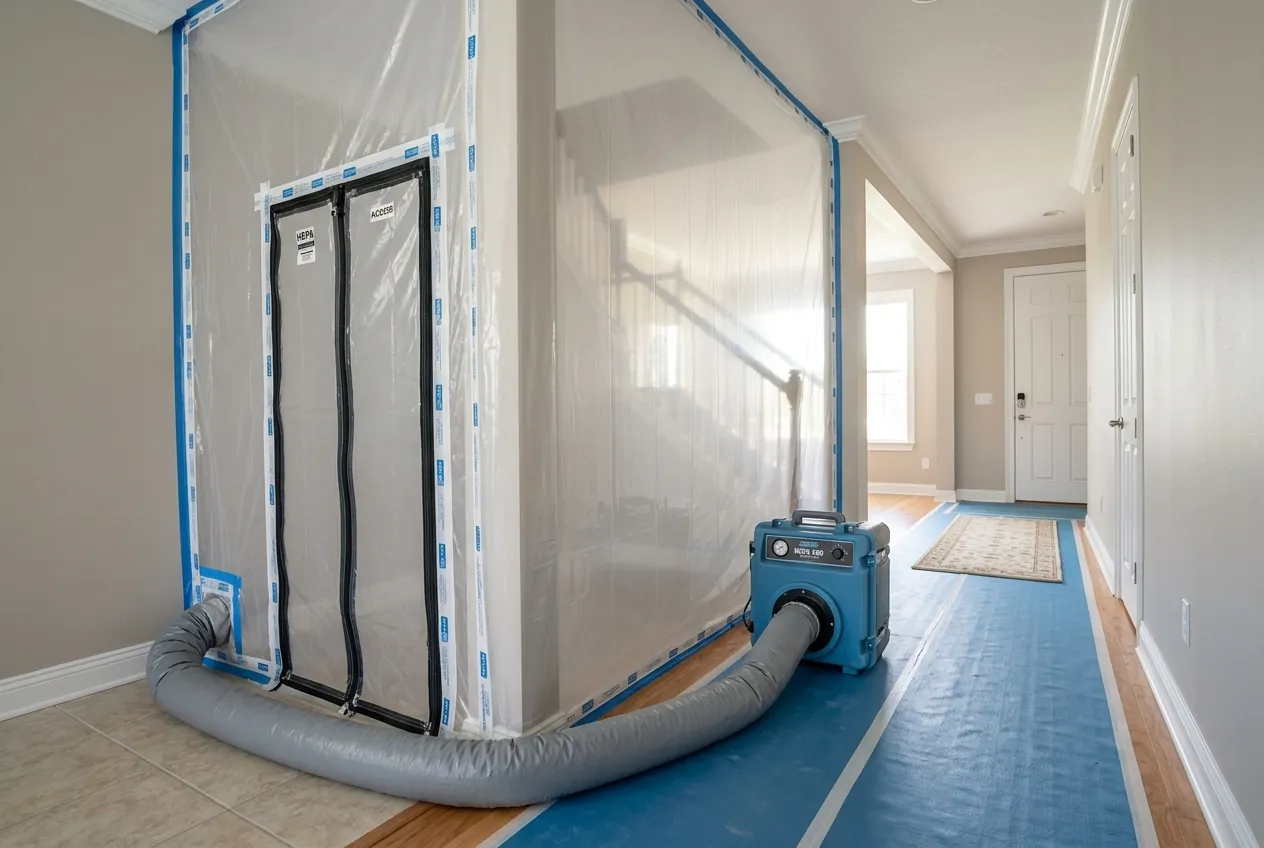
The 10-square-foot line comes from the definitions. Under § 468.8411, "mold remediation" means "the removal, cleaning, sanitizing, demolition, or other treatment, including preventive activities, of mold or mold-contaminated matter of greater than 10 square feet that was not purposely grown at that location." So a company offering to remove anything larger than a small patch should be able to give you its Florida remediator license number.
Do mold inspectors have to be licensed?
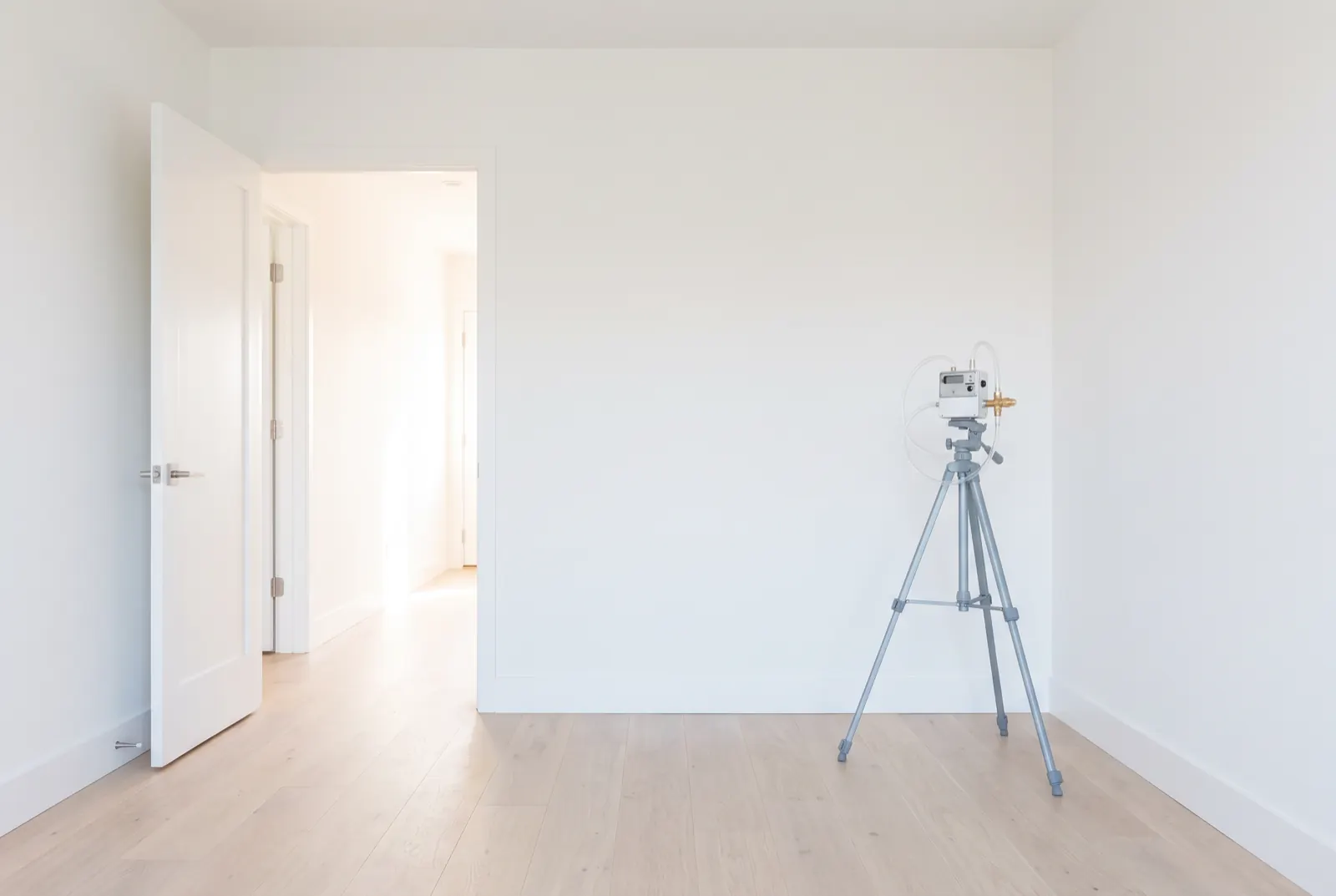
Mold assessment is licensed separately in Florida, and the definition uses the same 10-square-foot line. Under § 468.8411, "mold assessment" means "a process performed by a mold assessor that includes the physical sampling and detailed evaluation of data obtained from a building history and inspection to formulate an initial hypothesis about the origin, identity, location, and extent of amplification of mold growth of greater than 10 square feet."
In plain terms, the person who inspects, samples, and interprets what's going on in your home should hold a Florida mold assessor license.
How do I check a mold license in Florida?
Use the license search on the DBPR's site, myfloridalicense.com, by name or license number. Check that the license exists, that it shows as current, and that the name matches who you're actually dealing with.
The prefix tells you the license type. Florida mold assessor license numbers begin with MRSA, and mold remediator numbers begin with MRSR. If you're hiring someone to remove mold, you want an MRSR number. If you're hiring someone to inspect, test, write a remediation protocol, or run clearance testing, you want an MRSA number.
Are IICRC or NORMI certifications the same as a license?
No. Certifications from organizations such as the IICRC and NORMI show that someone completed training in areas like water damage restoration or mold remediation. They're worth having, but they're private training credentials, not a Florida license. Someone can be certified without holding a state license, so check both.
How Florida's mold law protects you
Two rules in § 468.8419 are worth knowing. The first is the 12-month rule. A mold assessor may not "Perform or offer to perform any mold remediation to a structure on which the mold assessor or the mold assessor's company provided a mold assessment within the last 12 months" (§ 468.8419(1)(d)). The parallel rule, § 468.8419(2)(d), bars a remediator from assessing a structure it remediated within the last 12 months. So for the same home within 12 months, the company that assesses and the company that remediates have to be different.
The second is the referral-fee ban. Under § 468.8419(1)(f) and (g), an assessor may not accept or offer "any compensation, inducement, or reward" to or from a mold remediator for the referral of any business. Together, these rules keep the diagnosis separate from the paycheck for the fix.
What to do next
Before you hire anyone, ask for the license number, look it up, and confirm it fits the job: MRSR for removal, MRSA for inspection and clearance. Ask who will do clearance testing, and confirm it's a different company from the remediator. This is general information, not legal advice. For how the law applies to a specific situation, including work on your own home, read Part XVI of Chapter 468 or ask a Florida attorney.
Sterling holds both licenses: FL Licensed Mold Assessor MRSA5798 and FL Licensed Mold Remediator MRSR5761. We follow the 12-month rule in both directions. If we inspect your home, we can't be the ones who remediate it. Florida law bars it for 12 months. If we remediate, Florida law also bars us from testing our own work, so your clearance comes from an independent assessor.
| What you see | What it means |
|---|---|
| License number starting with MRSAInspects, samples, writes remediation protocols, and performs clearance testing. | Florida licensed mold assessor |
| License number starting with MRSRRemoves and cleans mold and mold-damaged materials. | Florida licensed mold remediator |
| IICRC or NORMI certificationWorth having, but check the state license too. | Training credential, not a state license |
Look up any Florida license on the DBPR site, myfloridalicense.com. General information, not legal advice.