Short answer
Choose a mold remediation company that holds a current Florida mold remediator license, gives you a written, itemized scope, explains its containment and HEPA negative air setup, addresses the moisture source, and plans for clearance by an independent assessor. Be wary of spray-only offers, "mold-free forever" promises, and pressure to sign the same day.
Updated September 27, 2026
What does a mold remediation company do?
A mold remediation company (you'll also see "mold removal" or "mold abatement") seals off the affected area, removes mold-damaged materials that can't be cleaned, cleans what can stay, and leaves the area dry and ready for clearance testing. The industry standard for this work is ANSI/IICRC S520. The goal is to remove the growth without spreading it through the rest of the house, not just to make stains disappear.
Are mold remediation companies licensed in Florida?
They should be. Florida licenses mold remediators separately from mold assessors, and remediator license numbers begin with MRSR. Ask for the number and look it up on the DBPR's site, myfloridalicense.com, to confirm it's current and matches who you're dealing with. Certifications like IICRC credentials show training, which is good, but they aren't a state license.
Ask for proof of insurance too, and check that the certificate names the company on your contract. After a hurricane, when every contractor is busy, these checks matter more, not less.
What should a mold remediation quote include?
A written, itemized scope that says where the work happens, what gets removed, what gets cleaned, and how the area is contained. When an assessor has written a remediation protocol, the scope should follow it, which also makes quotes from different companies comparable.
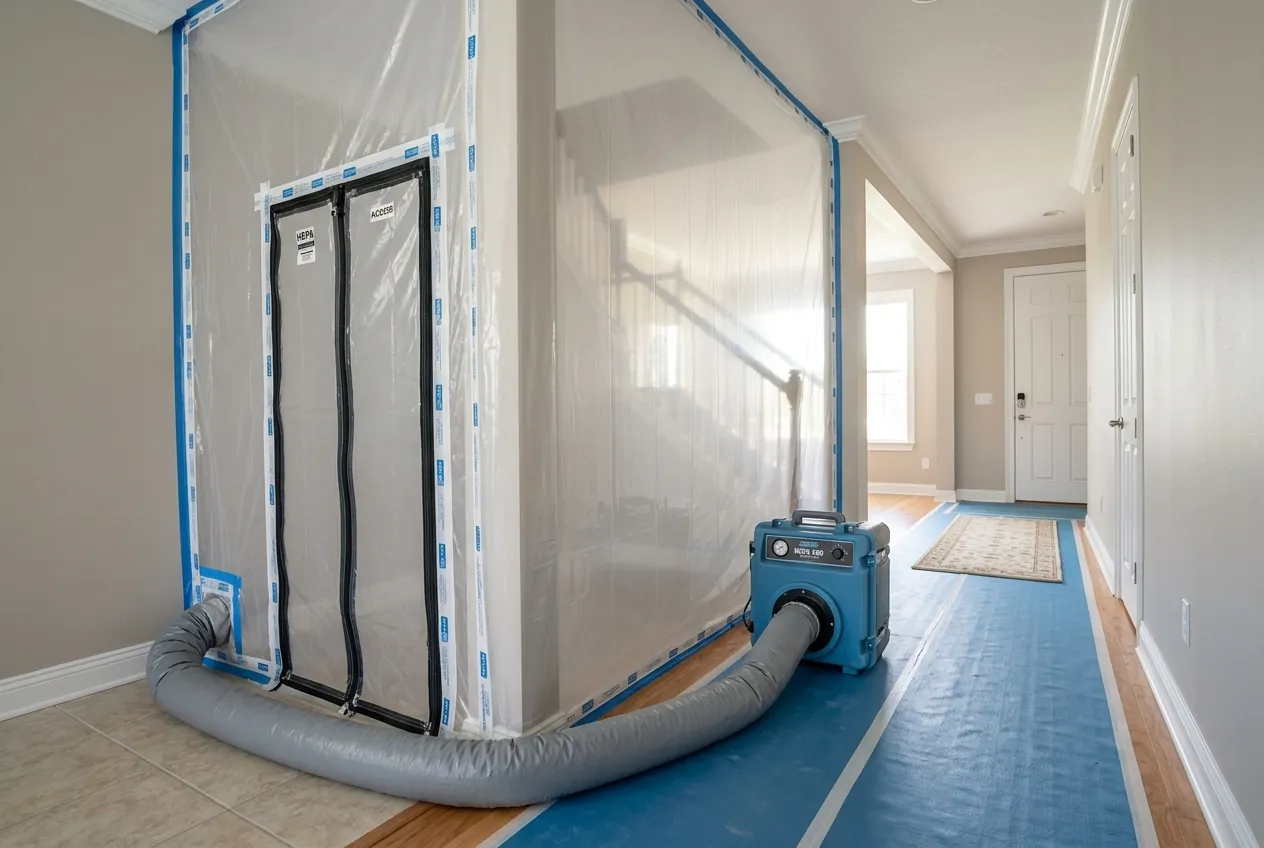
Containment should be explained in plain terms: plastic sheeting that seals off the work area, a zippered entry, and HEPA air scrubbers that keep the work area under negative pressure, so air flows in rather than out into the rest of the home. (HEPA filters capture at least 99.97 percent of particles 0.3 microns in size.) The scope should also separate removal from cleaning: moldy porous materials like drywall, insulation, and carpet are removed, while framing and hard surfaces are usually HEPA vacuumed and damp wiped.
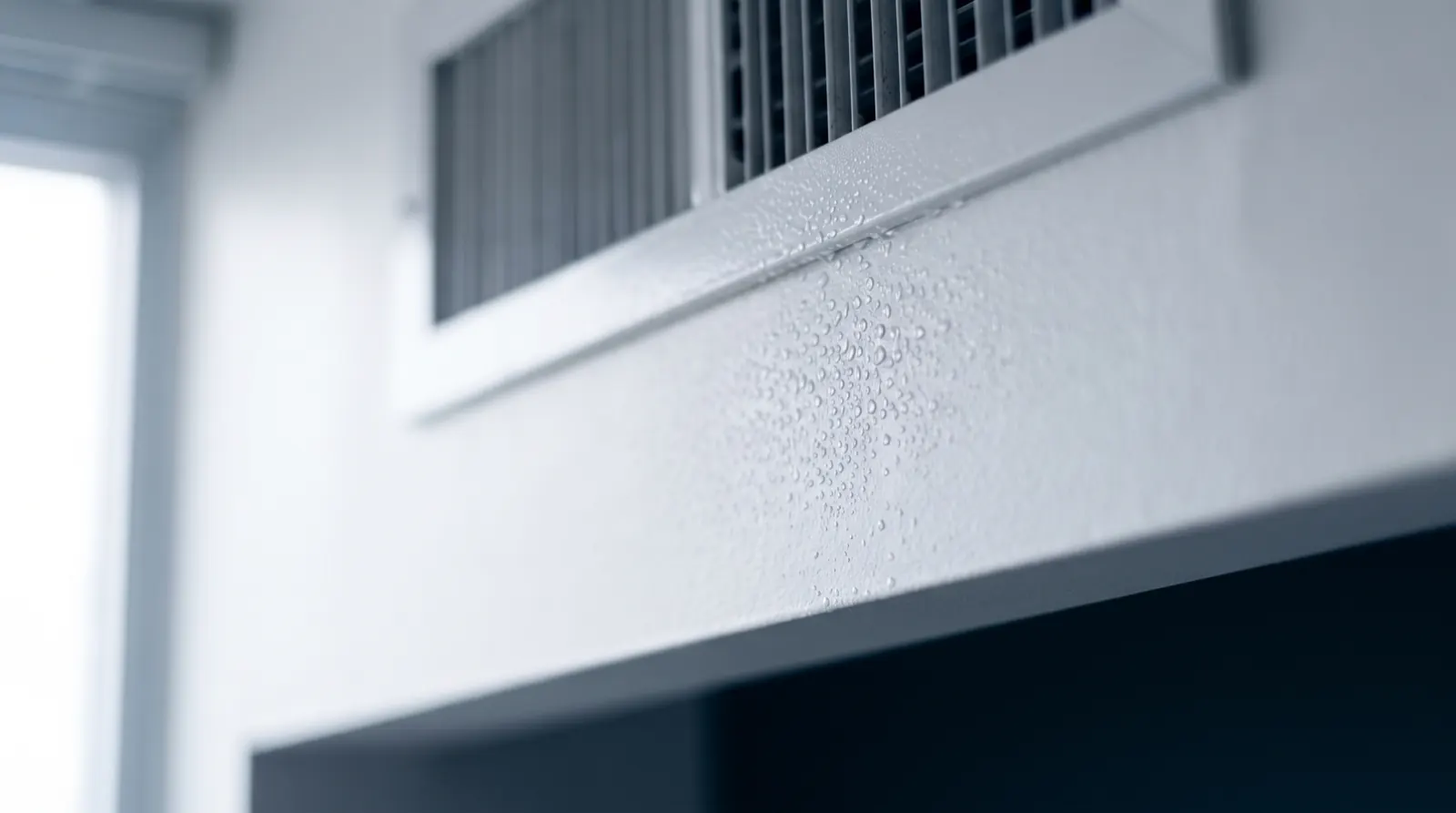
Finally, it should say how the moisture source gets fixed, or who fixes it. As the EPA warns, "If you clean up the mold, but don't fix the water problem, then, most likely, the mold problem will come back."
Who does the clearance testing?
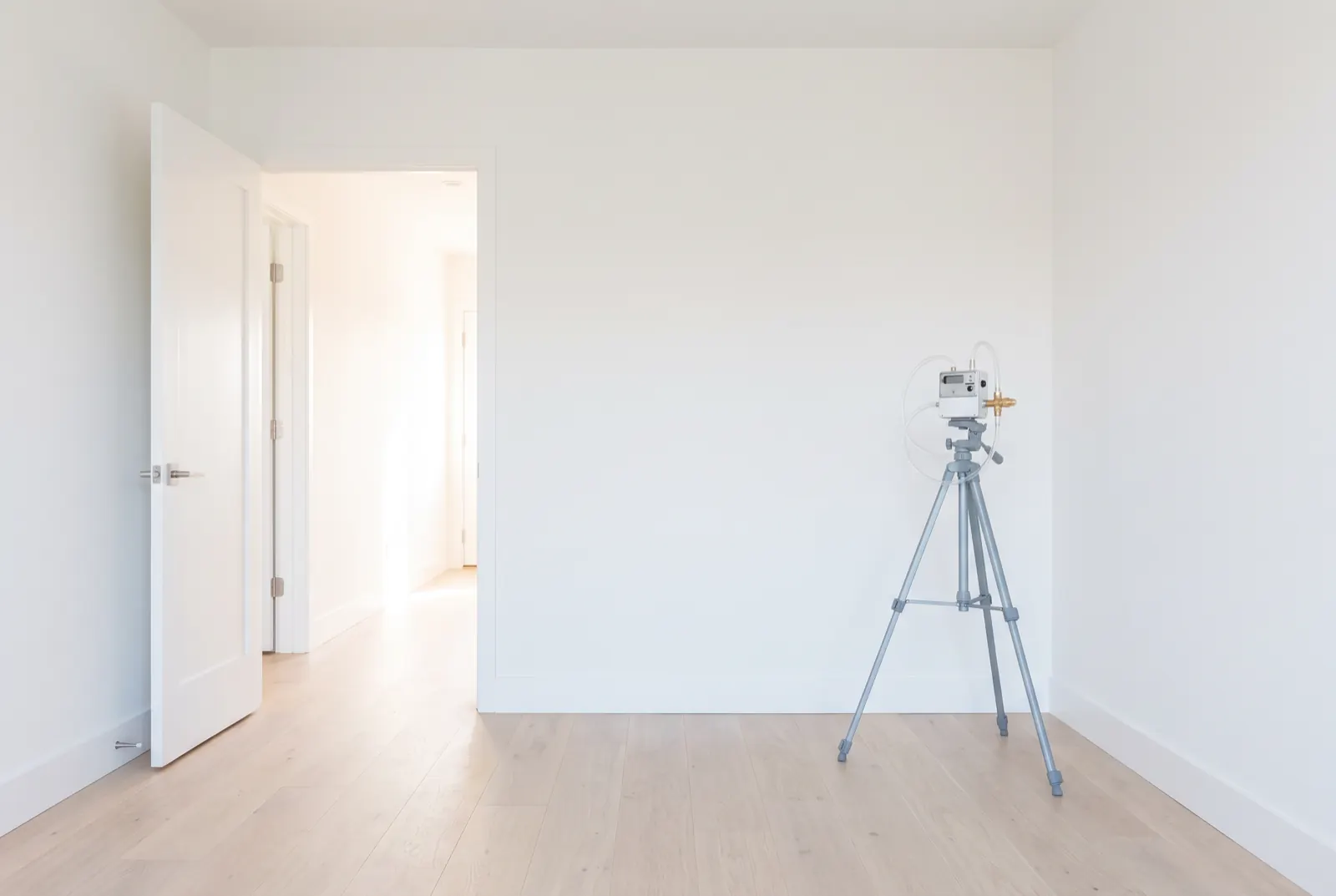
An independent assessor, not the remediation company. Florida law bars a remediator from assessing a structure it remediated within the last 12 months (§ 468.8419(2)(d)), so the company that removes the mold can't test its own work. Clearance, also called post-remediation verification, tells you the job passed before the containment comes down.
It's also fair to ask about referral arrangements. Florida bars assessors from accepting or offering "any compensation, inducement, or reward" to or from a mold remediator for the referral of any business (§ 468.8419(1)(f) and (g)).
What are the red flags when hiring a mold removal company?
Be cautious with an offer to spray or fog the mold instead of removing it, a "mold-free forever" guarantee (mold spores are a normal part of indoor and outdoor air, so no one can honestly promise that), pressure to sign the same day, a quote with no written scope, and a company offering to both test and remediate the same home within 12 months, which Florida law doesn't allow.
Reviews help most when they describe the work: whether containment went up, whether the home was left clean, how the company communicated, and whether the job passed clearance. A row of five-star ratings with no detail tells you less.
What to do next
If you don't know how far the mold goes, start with a licensed assessor and a written protocol. Then get written quotes from licensed remediators against that protocol, check each license, and ask each company who fixes the moisture and who runs clearance. Photograph everything before any work starts.
Sterling (FL Licensed Mold Remediator MRSR5761) serves St. Lucie, Martin, Indian River, and Palm Beach counties, and our remediation follows IICRC S520. Every job starts with a free on-site estimate and a written, itemized quote. If we inspect your home, we can't be the ones who remediate it. Florida law bars it for 12 months. If we remediate, Florida law also bars us from testing our own work, so your clearance comes from an independent assessor.