Short answer
Post-remediation verification (PRV), or clearance testing, is an independent check after mold remediation confirming the work area is visibly clean, dry, and consistent with the remediation protocol. It typically includes a visual assessment, moisture confirmation, and — when the protocol specifies — clearance sampling, ideally performed by someone other than the company that did the work.
Updated July 24, 2026
What clearance actually verifies
Post-remediation verification is the step that answers, "did the cleanup accomplish what it was supposed to." It checks that the work area is visibly clean of mold and debris, that materials are dry, and that the conditions meet the criteria set out in the remediation protocol.
It is the bookend to the assessment: the protocol defined what "done" looks like, and the verification confirms whether that standard was met.
What it usually includes
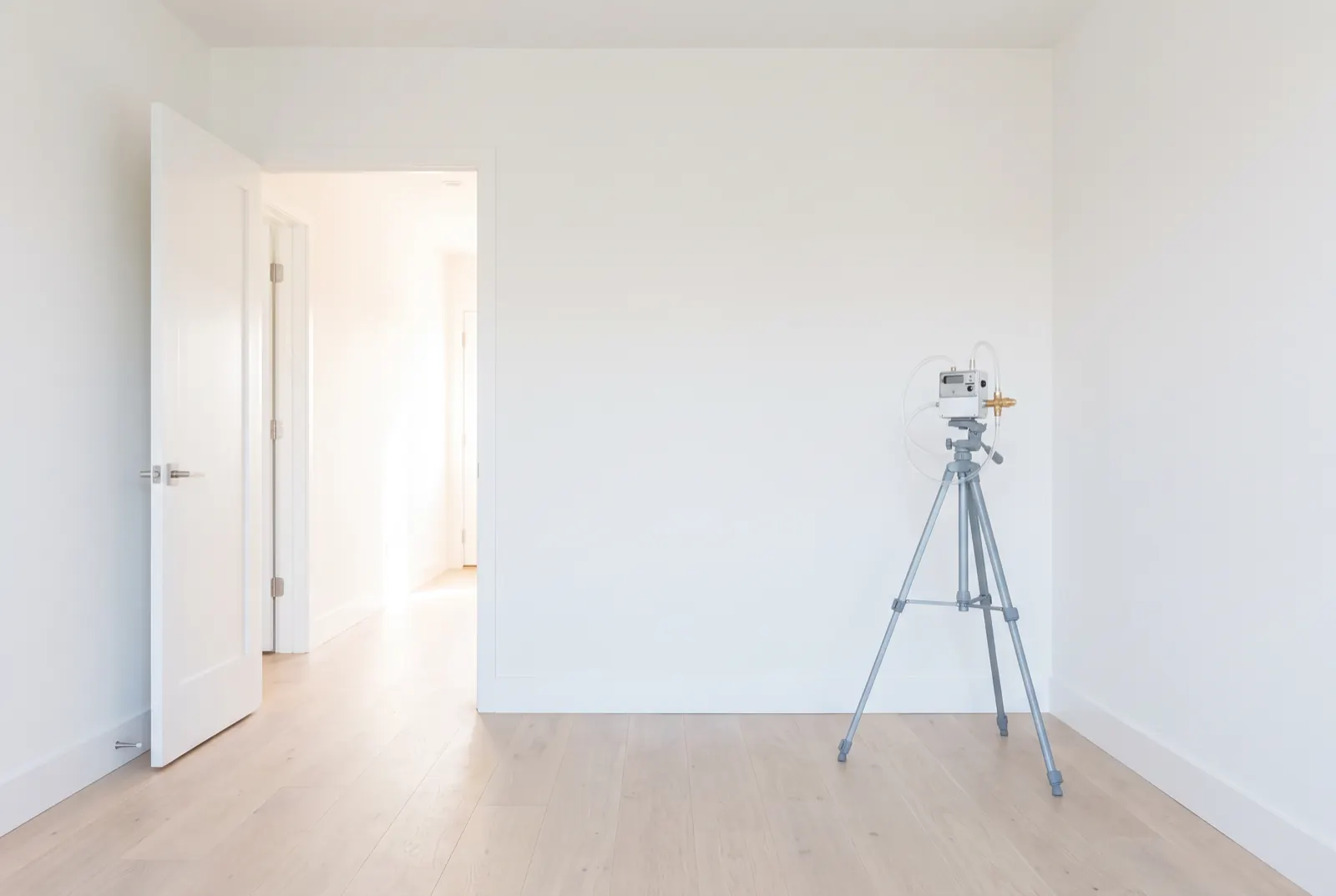
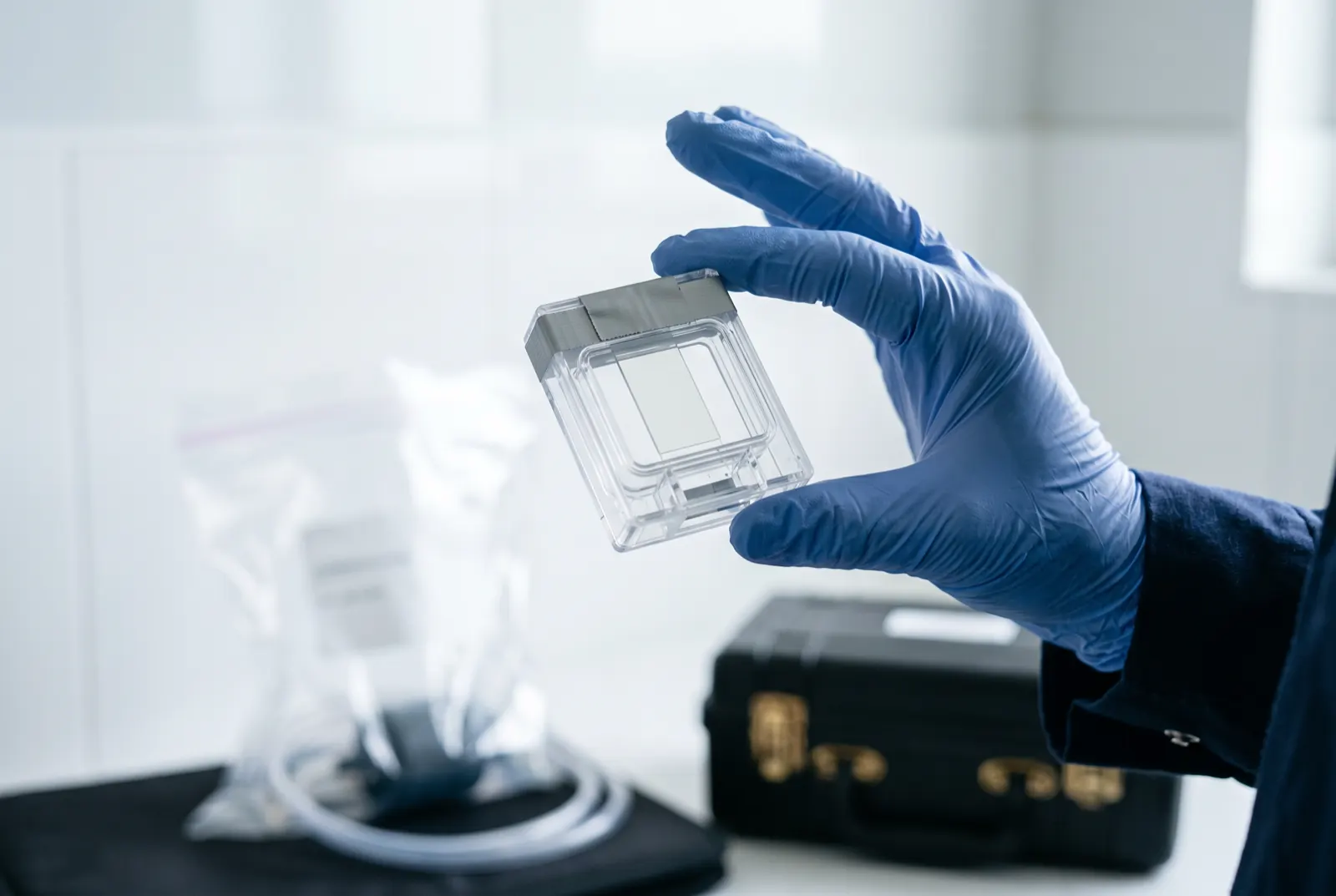
A verification typically combines an independent visual inspection of the remediated area, moisture readings to confirm the space is dry, and — when the protocol calls for it — clearance air or surface sampling analyzed by an accredited laboratory. The result is a written verification report you can keep.
Not every job requires clearance sampling; the protocol should specify whether it is needed and against what criteria the results are judged.
Why independence is the whole point
Clearance means the most when it is performed by someone who did not do the remediation. A contractor verifying their own work is grading their own homework. An independent verifier has no incentive to pass a job that is not actually finished.
Florida's framework reinforces this: the same party generally cannot both remediate and provide the independent assessment or clearance on the same project. Sterling holds the same line in both directions: when it verifies a job, another company did the remediation, and when Sterling remediates, clearance comes from an independent assessor.
When to schedule it
Verification happens after remediation is complete and the area has been dried, but ideally before containment comes down and finishes are rebuilt — so any issue is caught while the area is still accessible. Confirm with your remediator that the space is ready for clearance, then bring in the independent verifier.