Short answer
A mold air sample draws a measured volume of air through a spore trap, which a laboratory analyzes to estimate the type and concentration of airborne mold spores. Indoor results are compared against an outdoor baseline. It measures spores in the air — it does not locate a leak or judge a home "safe."
Updated July 24, 2026
How an air sample works
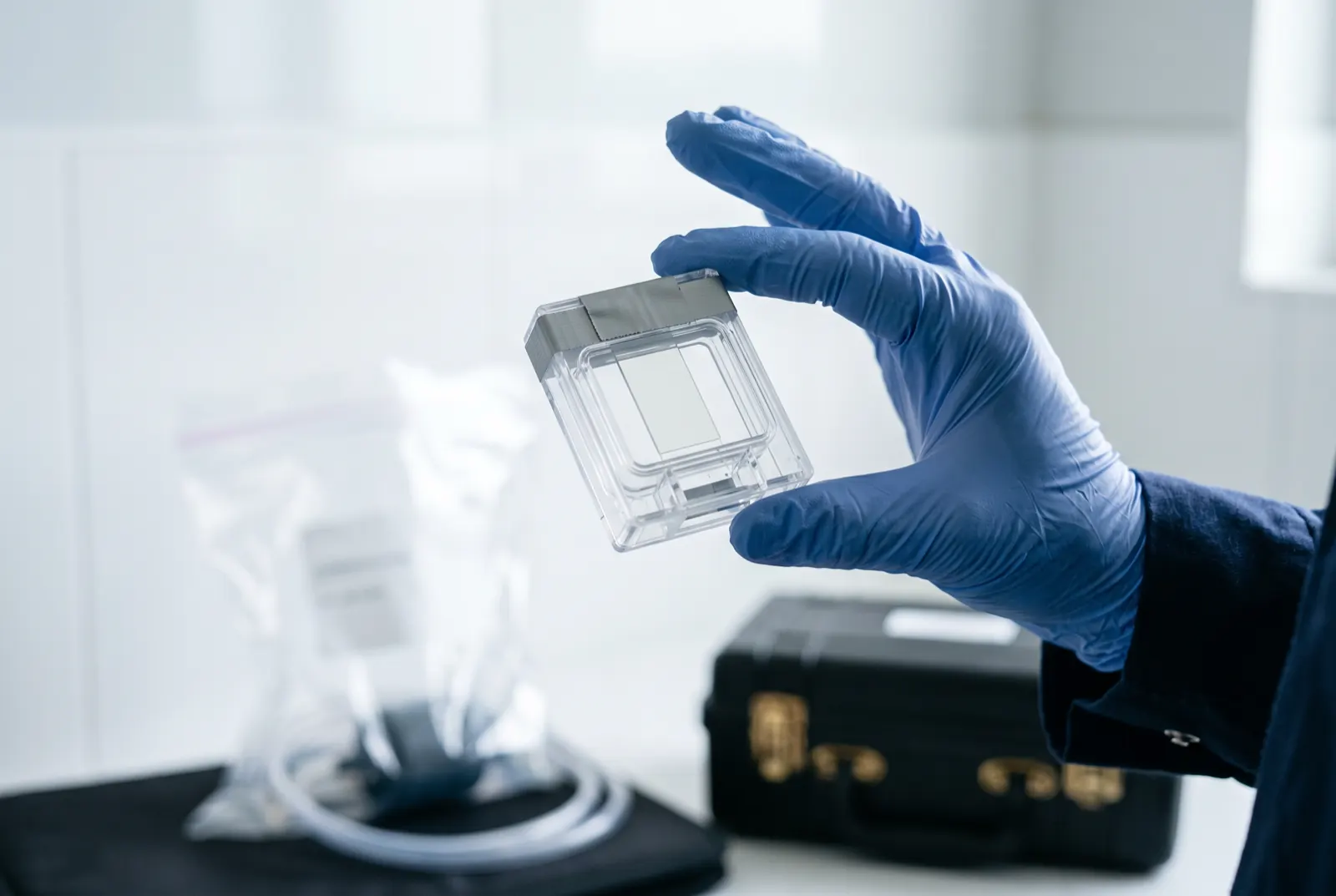
An air sample uses a calibrated pump to pull a set volume of air through a spore-trap cassette. Spores in the air stick to the collection surface, and an accredited laboratory counts and identifies them under a microscope, reporting the types present and their approximate concentration.
Because outdoor air always contains mold spores, indoor samples are meaningful only against an outdoor baseline taken the same day. The comparison — indoor relative to outdoor — is what analysts interpret, not the indoor number alone.
What it can and cannot tell you
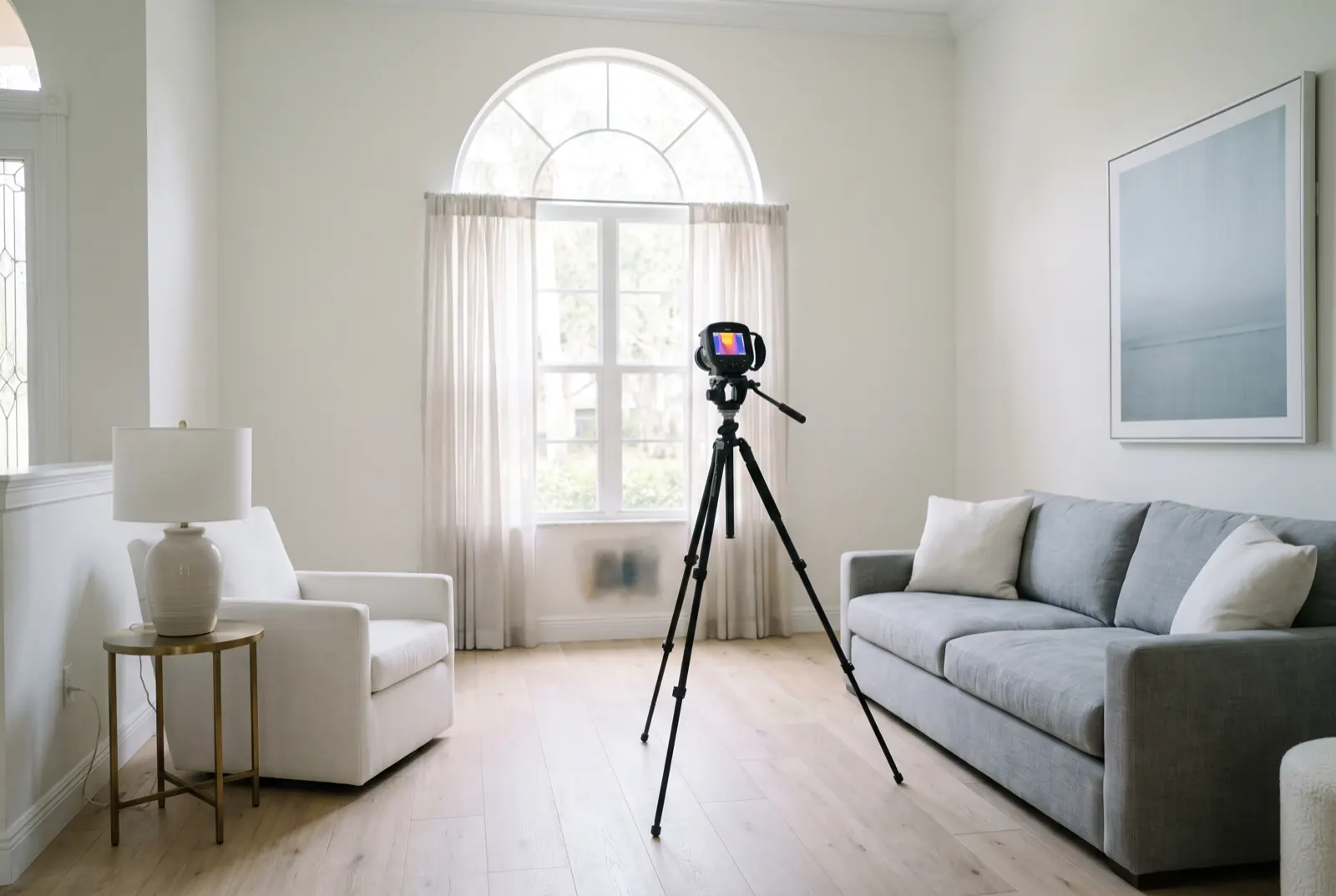
A well-taken air sample can indicate whether indoor spore levels and types differ from outdoors, which can support an investigation, document a baseline, or verify clearance after remediation. That is real, useful information in the right situation.
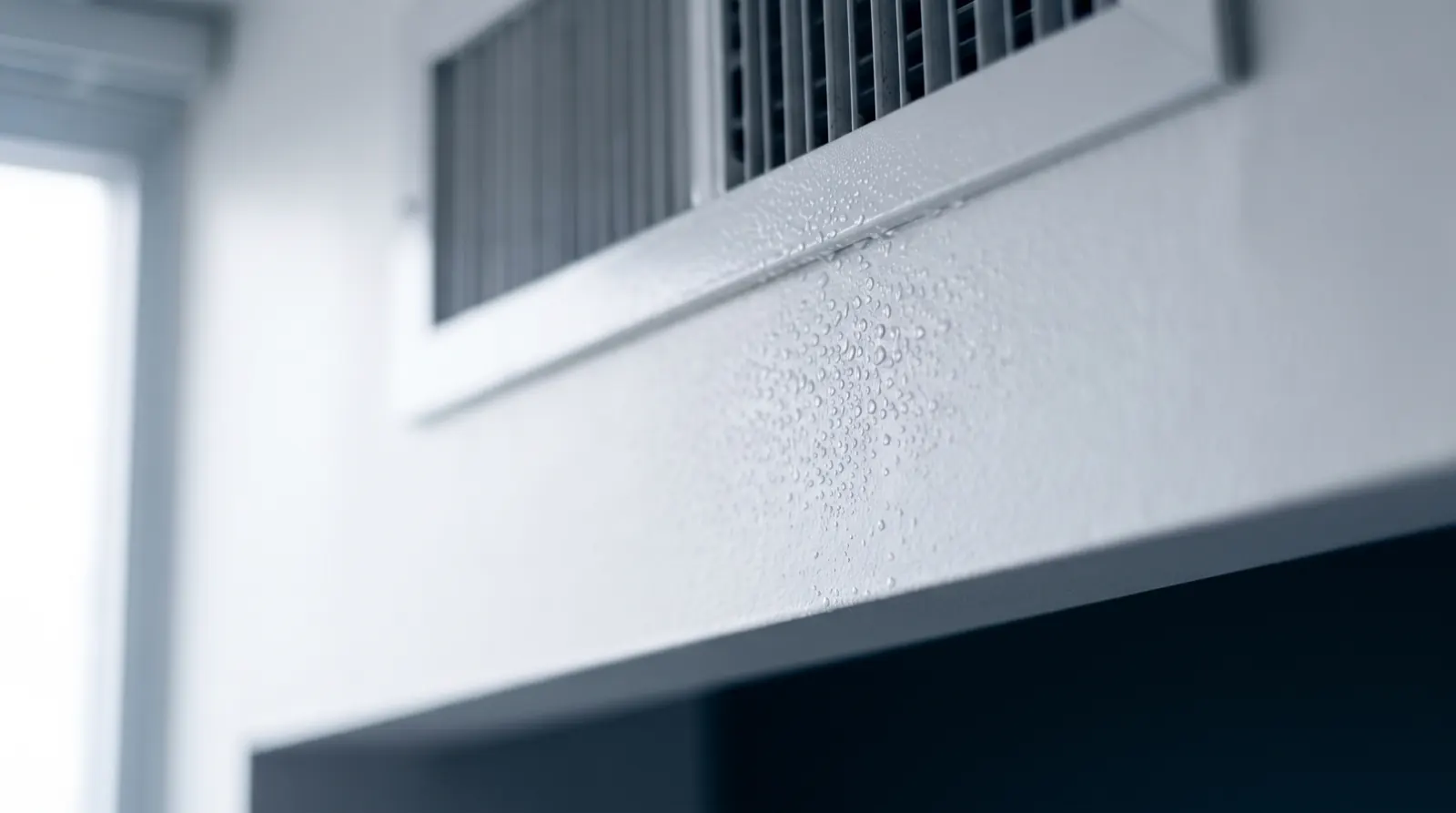
What it cannot do is find the moisture source, prove there is no hidden mold, or certify that a building is healthy. Spore counts fluctuate with the weather, HVAC operation, and recent activity, so a single number is a snapshot, not a verdict.
Air sample versus surface sample
An air (spore-trap) sample estimates what is airborne. A surface sample — a tape-lift or swab — identifies what is growing on a specific spot. If you can see a suspicious patch, a surface sample confirms what it is; if you are asking whether the air is affected, an air sample fits better. The right tool depends on the question.
A measurement, not a diagnosis
Air-quality testing for mold is one input to a building-science assessment, not a health test. It does not diagnose any medical condition, and results should be read alongside the moisture findings that explain them. Health questions belong with a physician; the air sample belongs to the investigation.