Short answer
"Black mold" usually refers to Stachybotrys, but color alone does not identify a species or its risk, and health authorities note that any indoor mold growth should be addressed regardless of type. The moisture source that lets it grow matters more than identifying the species. Health questions belong with a physician.
Updated July 24, 2026
What people mean by "black mold"
"Black mold" is a popular term most often associated with Stachybotrys chartarum, a greenish-black mold that grows on chronically wet, cellulose-rich materials like drywall and wood. But many molds appear dark, and color alone does not tell you the species — that requires laboratory analysis.
The dramatic "toxic black mold" framing common online outruns what the science supports. Public-health agencies such as the CDC and EPA emphasize that you generally do not need to know the species to know what to do about visible growth.
Why moisture matters more than species
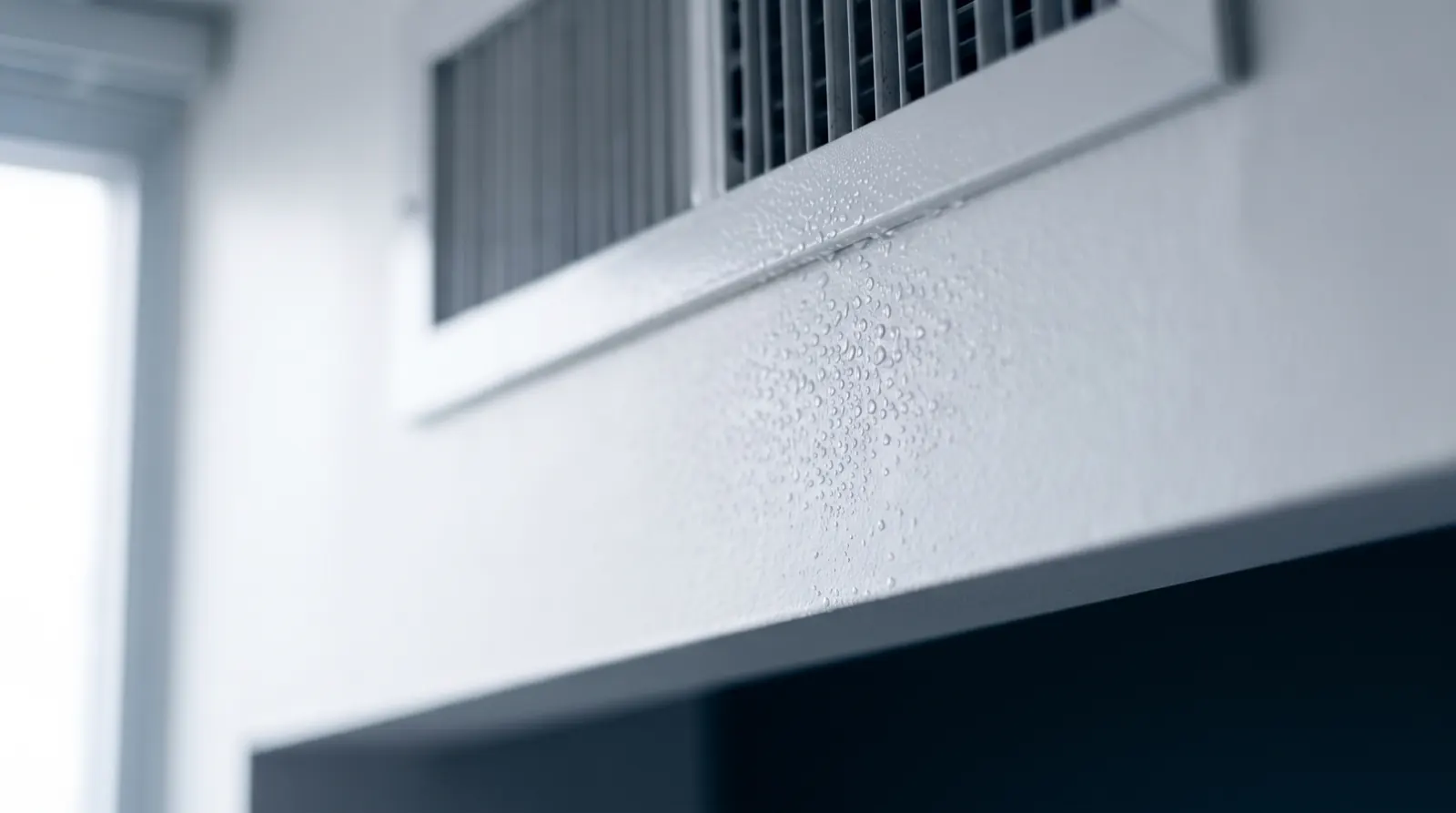
Here is the practical point: the recommended response to indoor mold growth is the same regardless of what type it is. Address the moisture, then clean or remove the affected materials. Spending money to identify a species rarely changes that plan.
So the more useful question is not "is this the dangerous kind" but "why is this material wet, and how do I stop it." A moisture investigation answers that; a species ID usually does not.
Health questions belong with a physician
People report a range of reactions to damp, moldy environments, and sensitivity varies from person to person. But whether a specific exposure is affecting a specific person's health is a medical question. We do not diagnose health conditions or make health-outcome claims.
If you are concerned about symptoms, talk to a physician. If you are concerned about the building, an assessment can document the conditions objectively so any medical conversation is informed by facts.
What to do about it
Do not disturb a large area of suspected growth or try to "test" it by scrubbing — that can spread spores. Correct the moisture source, keep the area as undisturbed as practical until you have a plan, and have the conditions assessed. The goal is to fix the cause and remove the growth, not to win an argument about its name.