Short answer
Yes. Mold can return after remediation if the underlying moisture source was never corrected. Remediation removes existing growth, but mold needs water to grow — so if a leak, humidity problem, or condensation issue remains, growth can recur. Fixing the moisture source, not just cleaning, is what prevents a comeback.
Updated July 24, 2026
Remediation removes growth; it does not remove the cause
Remediation cleans up and removes existing mold and affected materials. That is necessary, but it treats the symptom. Mold is a moisture problem first — spores are always present in the environment, and they grow wherever there is enough sustained moisture. If the water source that fed the original growth is still there, the problem can return.
Why mold comes back
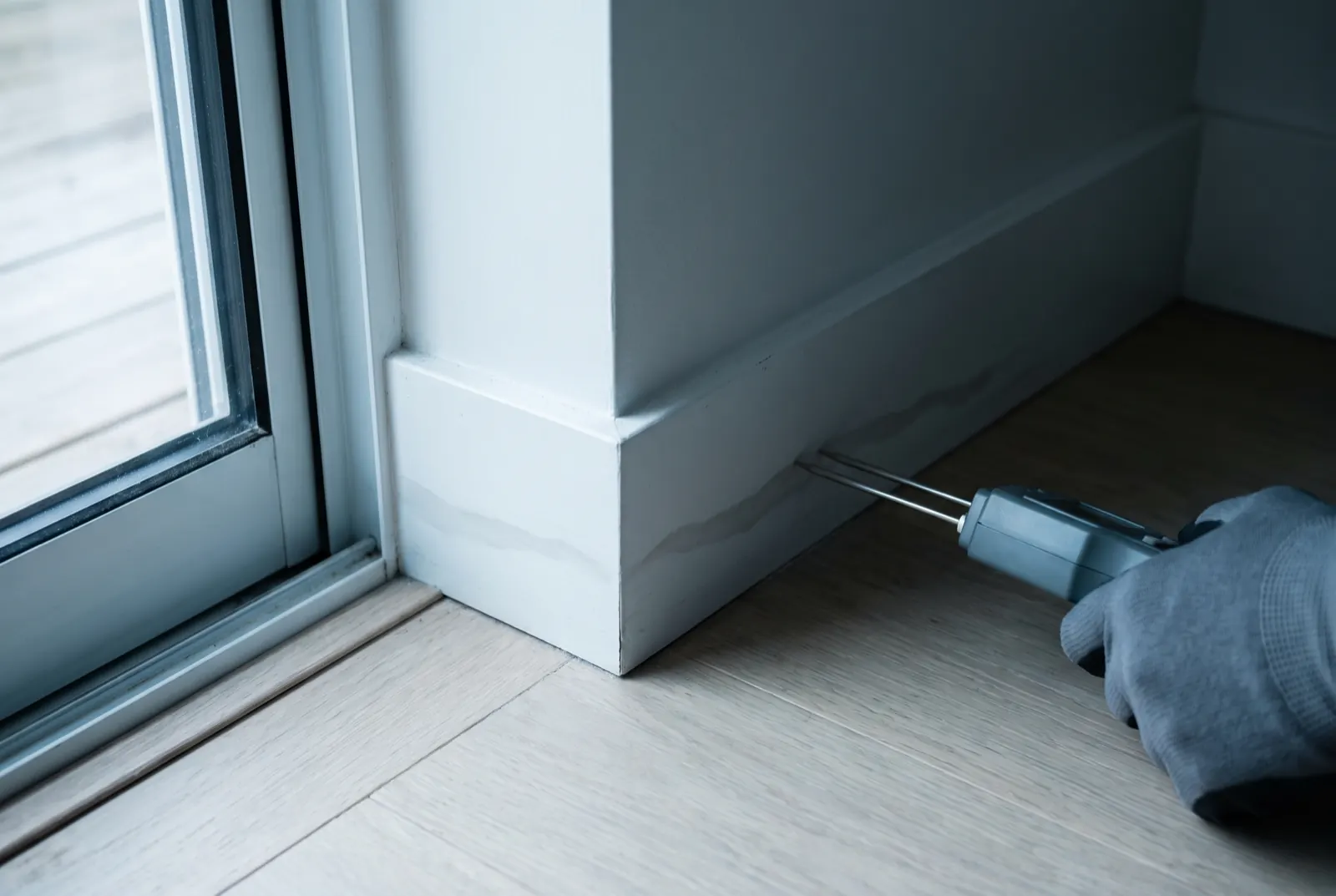
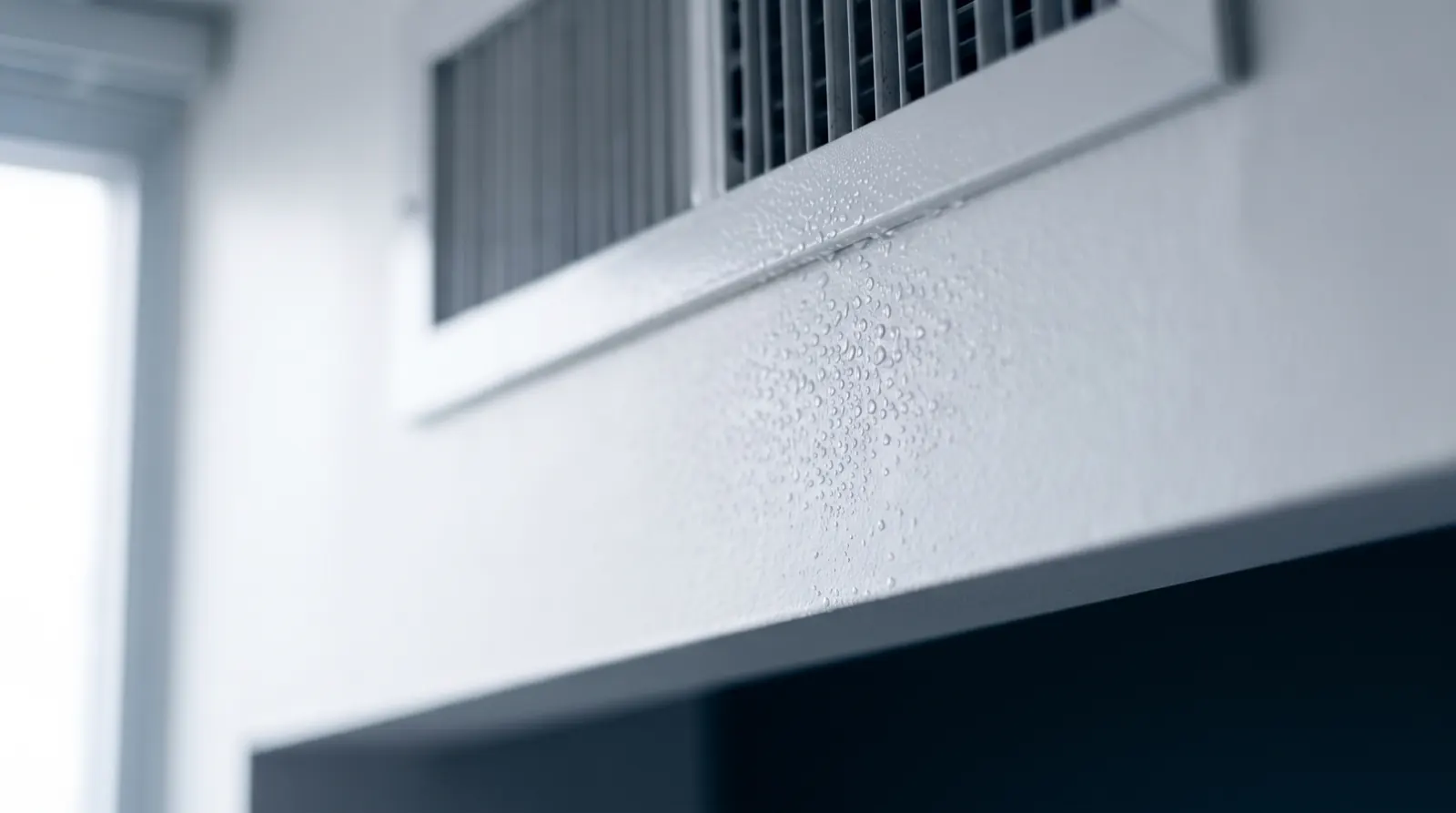
The most common reason for recurrence is an uncorrected moisture source: a leak that was never traced, chronic high indoor humidity, a clogged HVAC condensate line, condensation on cold surfaces, or poor drainage against the building. Remediation done without finding and fixing that source is likely to be temporary.
It can also recur if the original remediation was incomplete — for example, if contaminated material behind a finish was left in place, or the area was rebuilt before it was fully dry.
How to keep it from returning
Prevention comes down to controlling moisture. Correct the specific source that caused the problem, keep indoor relative humidity in a reasonable range (generally below 60%, with many practitioners targeting roughly 45–55%), maintain the HVAC system and keep condensate lines clear, ventilate bathrooms and kitchens, and address any new leak quickly.
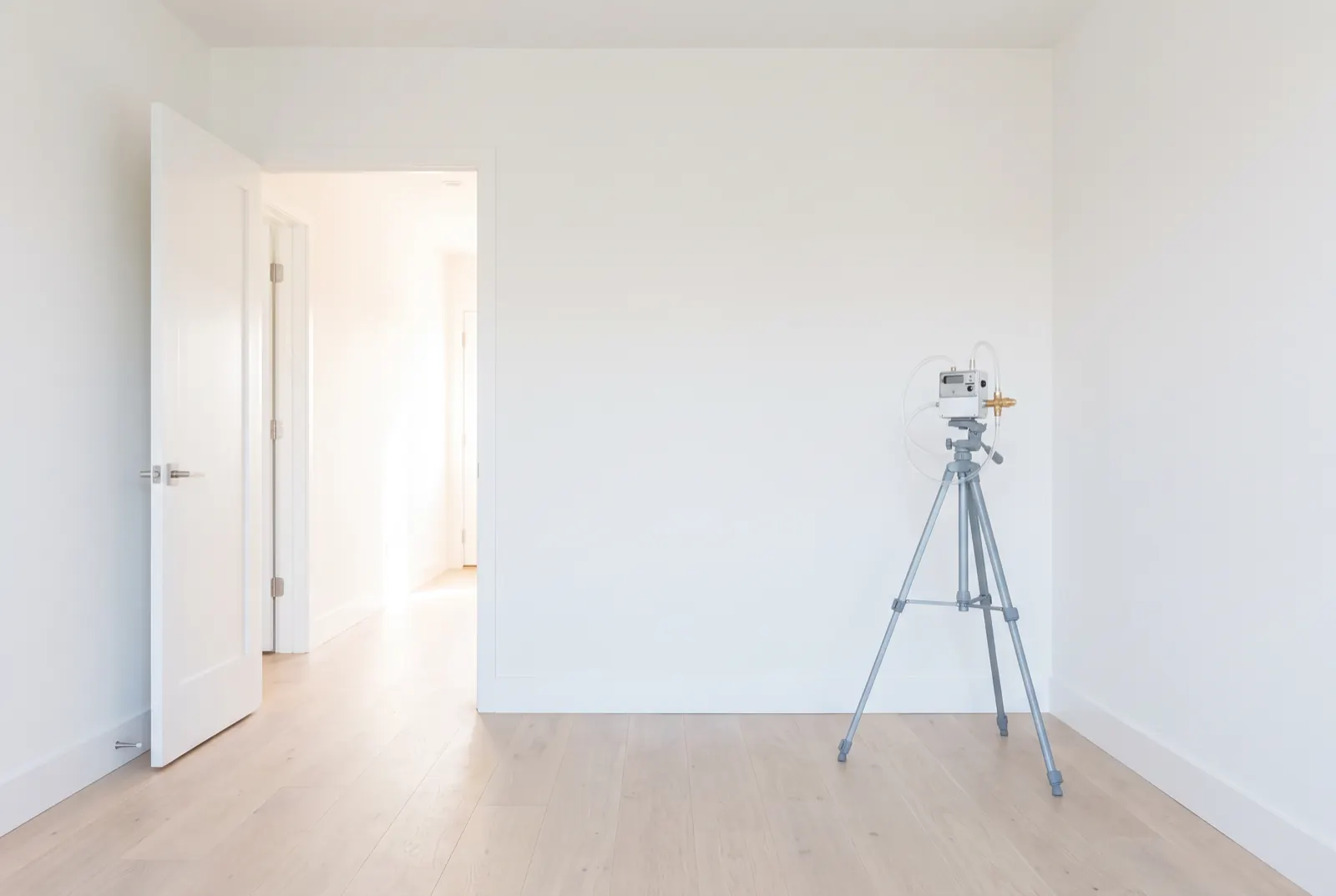
Independent post-remediation verification helps confirm the job was actually finished — visibly clean, dry, and consistent with the protocol — before finishes go back up.
The role of an independent assessor
This is where an independent assessor adds value: identifying the moisture source before remediation so the scope addresses the cause, and verifying the result afterward without any stake in the cleanup. Correcting the water — not just cleaning the surface — is what turns a one-time remediation into a lasting fix.