Short answer
Act fast: mold can begin developing on wet materials within roughly 24 to 48 hours. After a flood or hurricane, dry the property as quickly as possible, document everything, and arrange a moisture inspection once the water is out — sooner if materials stayed wet for more than a day or two or if the home sat closed and humid.
Updated July 24, 2026
The 24–48 hour window
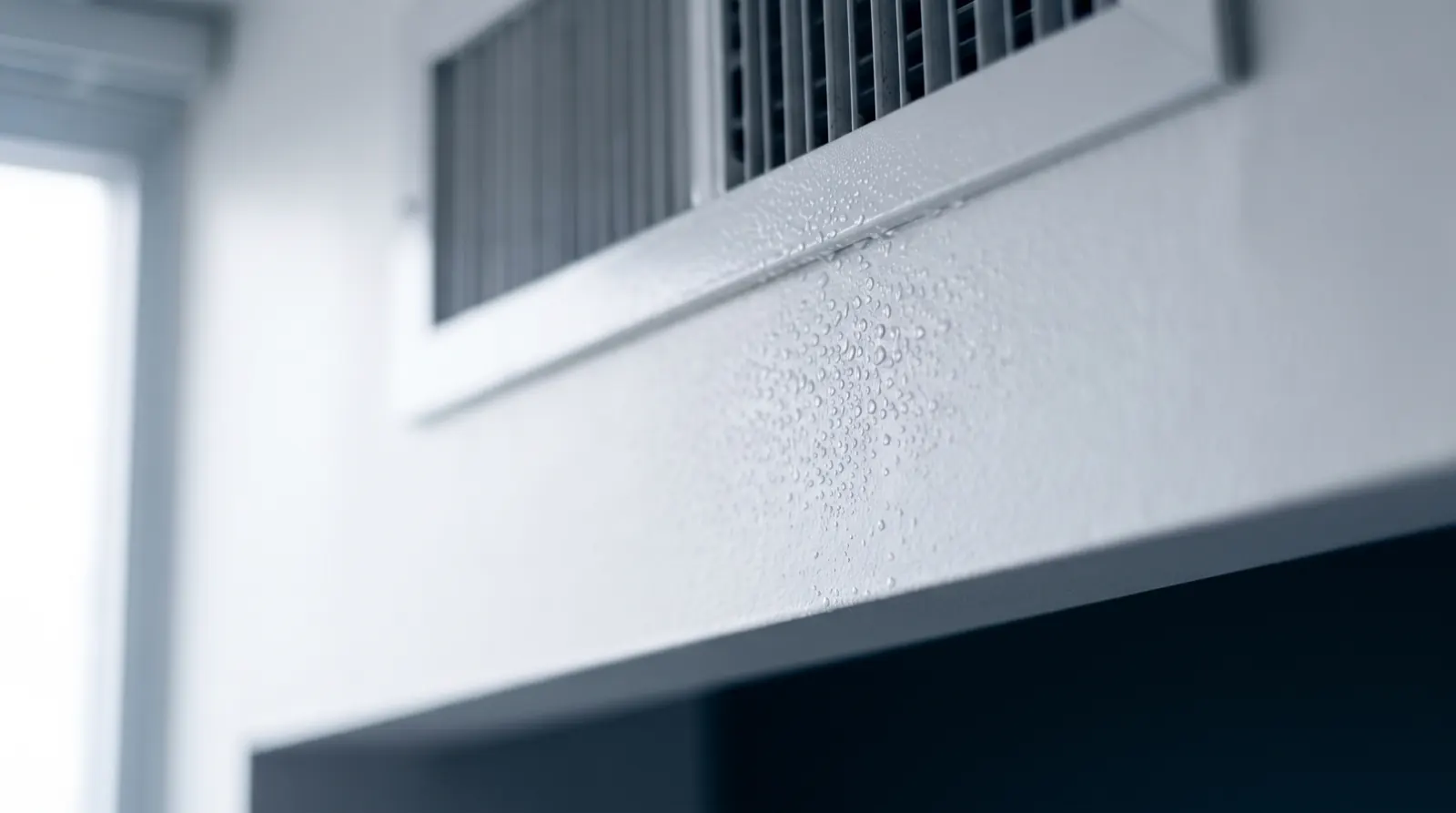
Mold needs moisture, and after a flood there is plenty of it. On wet, porous materials, growth can begin within about 24 to 48 hours under the right conditions. That is why the first priority after any flooding is speed: stop the water intrusion, remove standing water, and start drying immediately.
The longer materials stay wet, the deeper the problem tends to go — into wall cavities, under flooring, and behind cabinets where it is not visible.
Document before and during cleanup
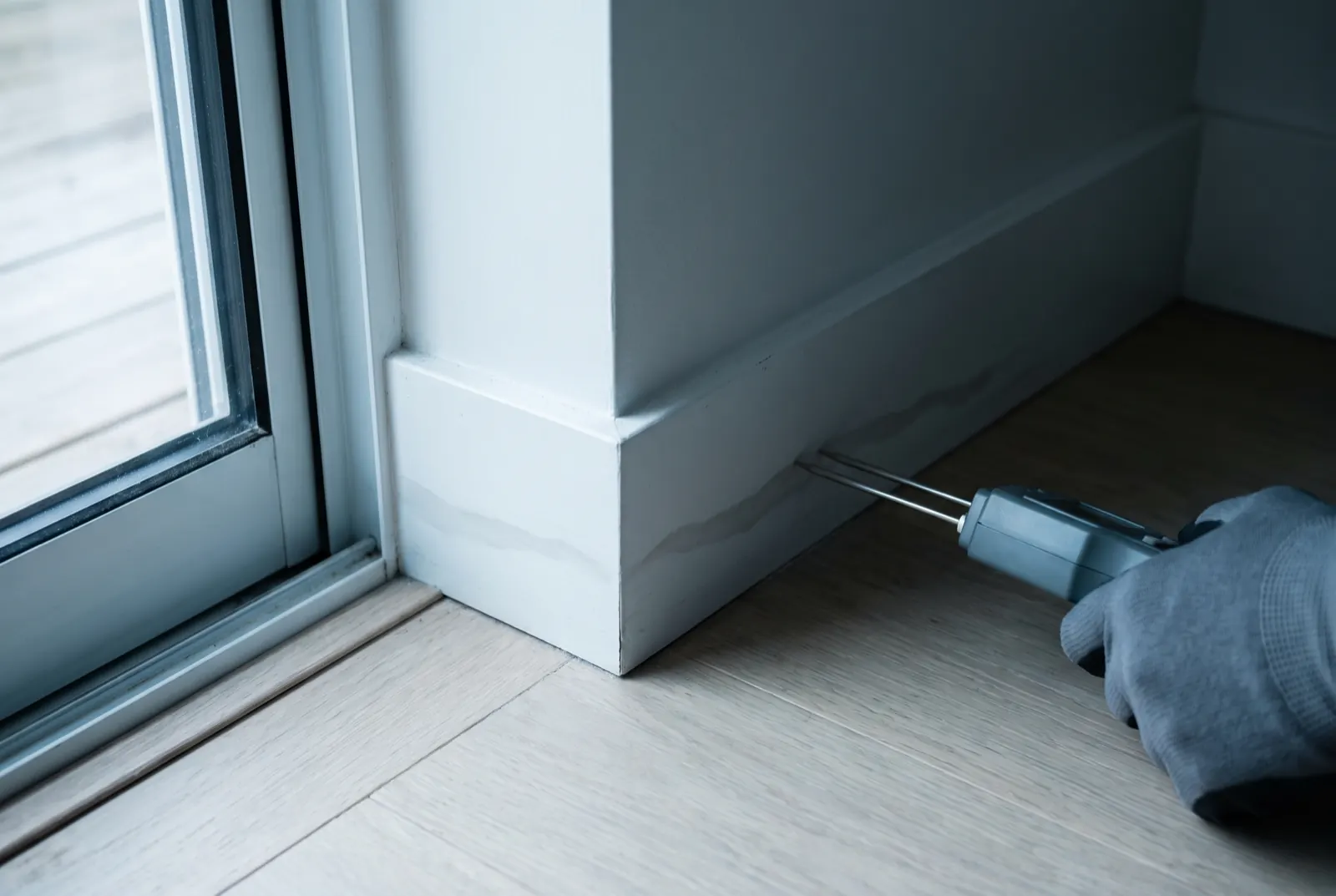
Before you tear anything out, photograph the water lines, affected rooms, and damaged materials. Note the date of the event and what you did to dry the area. This documentation matters for insurance and for any future disclosure, and it helps an assessor understand how far the water traveled.
When to bring in an inspection
Arrange a moisture inspection once the standing water is out and drying is underway — and sooner rather than later if materials were wet for more than a day or two, if the home was closed up and humid after the storm, or if a musty odor appears. An inspection uses moisture meters and thermal imaging to find where water traveled and whether hidden materials are still wet.
This is especially relevant on the Treasure Coast and across South Florida, where a home can sit closed and humid after a storm — sometimes without power for the AC — letting moisture settle into materials and drive growth that is not obvious on a walk-through.
Why an independent look helps here
After a storm, remediation companies are in high demand and a "free inspection" often comes attached to a cleanup contract. An independent inspection gives you a neutral read on the actual extent of moisture — so the scope of any cleanup reflects the property, not the contractor's schedule. When Sterling inspects a home, it assesses and documents; Florida law bars it from remediating that home for 12 months.