Short answer
Mold remediation ranges from about $300 into five figures and up, depending on what's wrong and what has to be done. The biggest drivers are the size of the affected area, what has to be removed rather than cleaned, how hard it is to reach, and how much containment the job needs. Water damage, disposal, and independent clearance testing also matter, and rebuild is usually separate.
Updated September 27, 2026
Why is mold remediation so expensive?
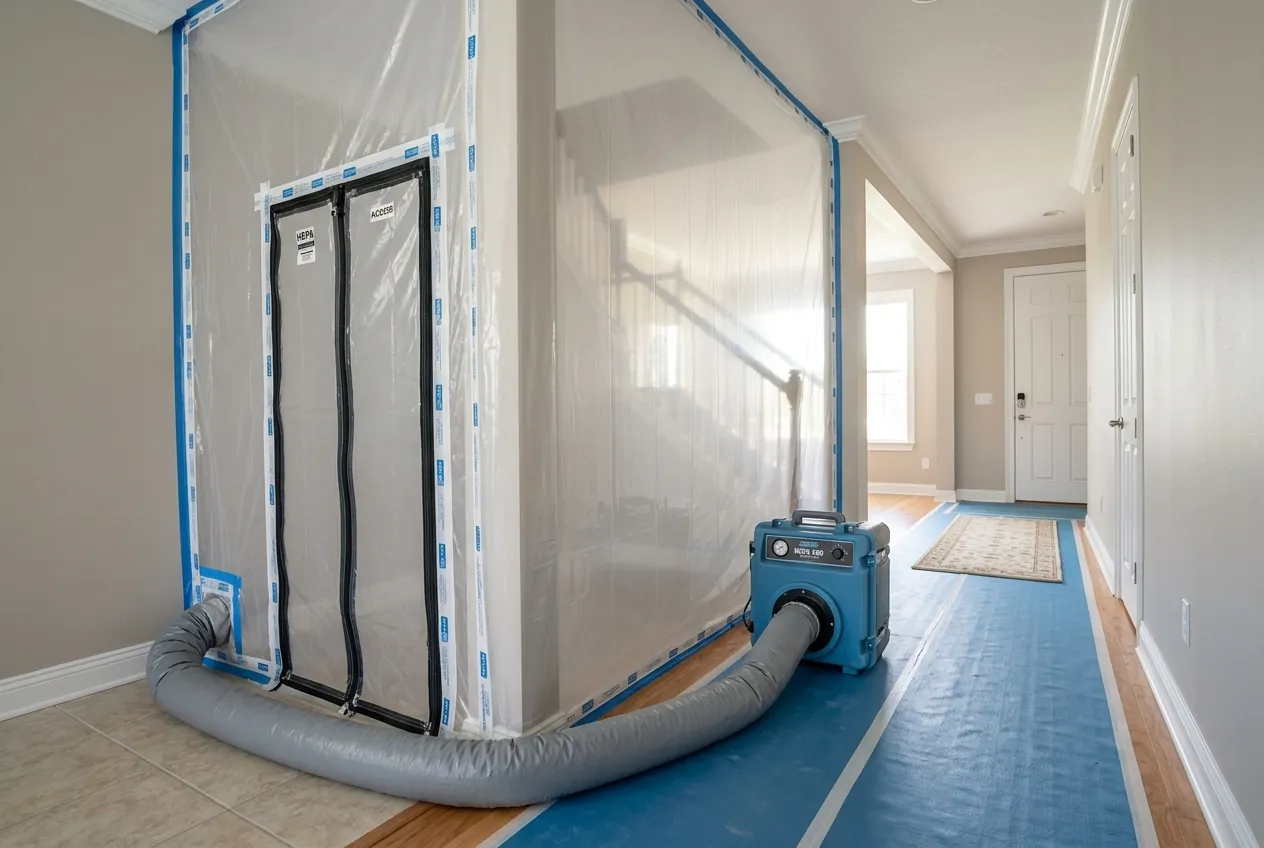
Most of the cost is the work that protects the rest of your home, not the visible cleanup. A proper job seals off the area, runs HEPA air scrubbers to keep it under negative pressure, removes damaged materials in sealed bags, HEPA vacuums and wipes every surface inside containment, confirms the area is dry, and then goes through independent clearance testing. That's careful labor plus equipment, and it's what separates remediation from wiping a wall.
Is mold remediation always expensive? No. A small, contained job is a small job, and sometimes the honest answer is that you don't need a professional. The EPA's guidance: "If the moldy area is less than about 10 square feet (less than roughly a 3 ft. by 3 ft. patch), in most cases, you can handle the job yourself, follow the guidelines."
The main cost drivers
Size comes first: how much material is affected, and in how many rooms. Next is what has to be removed versus cleaned. Moldy porous materials like drywall, insulation, carpet, and pad are cut out, bagged, and hauled away, while framing and hard surfaces are usually cleaned in place. More removal means more labor, more time in containment, and more disposal.
Containment matters too. One sealed-off closet is simpler than several rooms, and an occupied home often needs tighter containment, protected walkways, and work phased around the people living there. In a condo, building rules on work hours and access can add coordination.
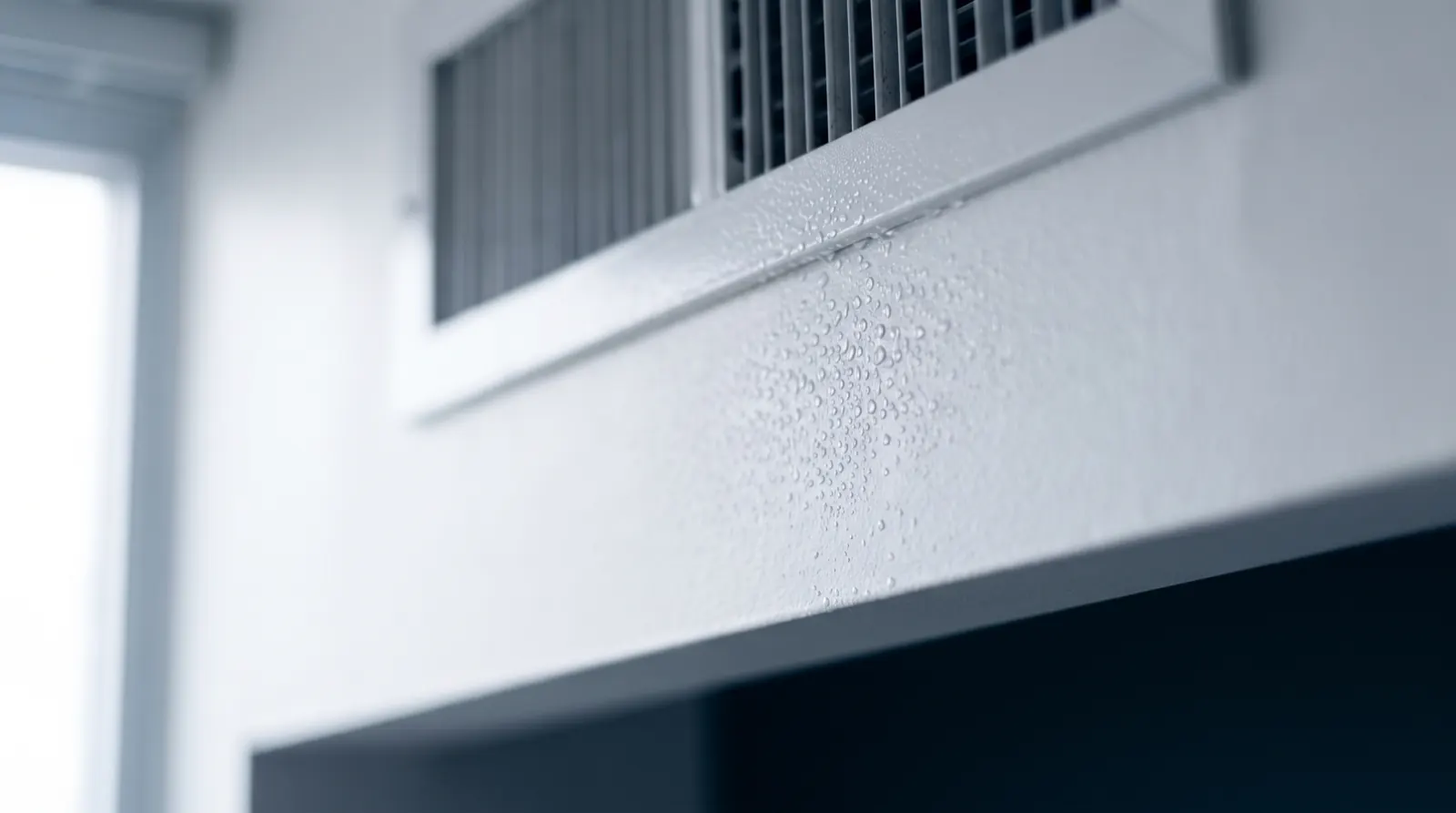
Water changes the scope. If the mold came with a recent leak or flood, the job may include extraction and drying, with dehumidifiers and air movers running until moisture readings match dry, unaffected materials. Sewage (Category 3 water) means more materials come out. Clearance testing by an independent assessor is billed separately by that company, and rebuild (new drywall, paint, cabinets, flooring) is usually a separate contractor cost.
How much does attic mold removal cost?
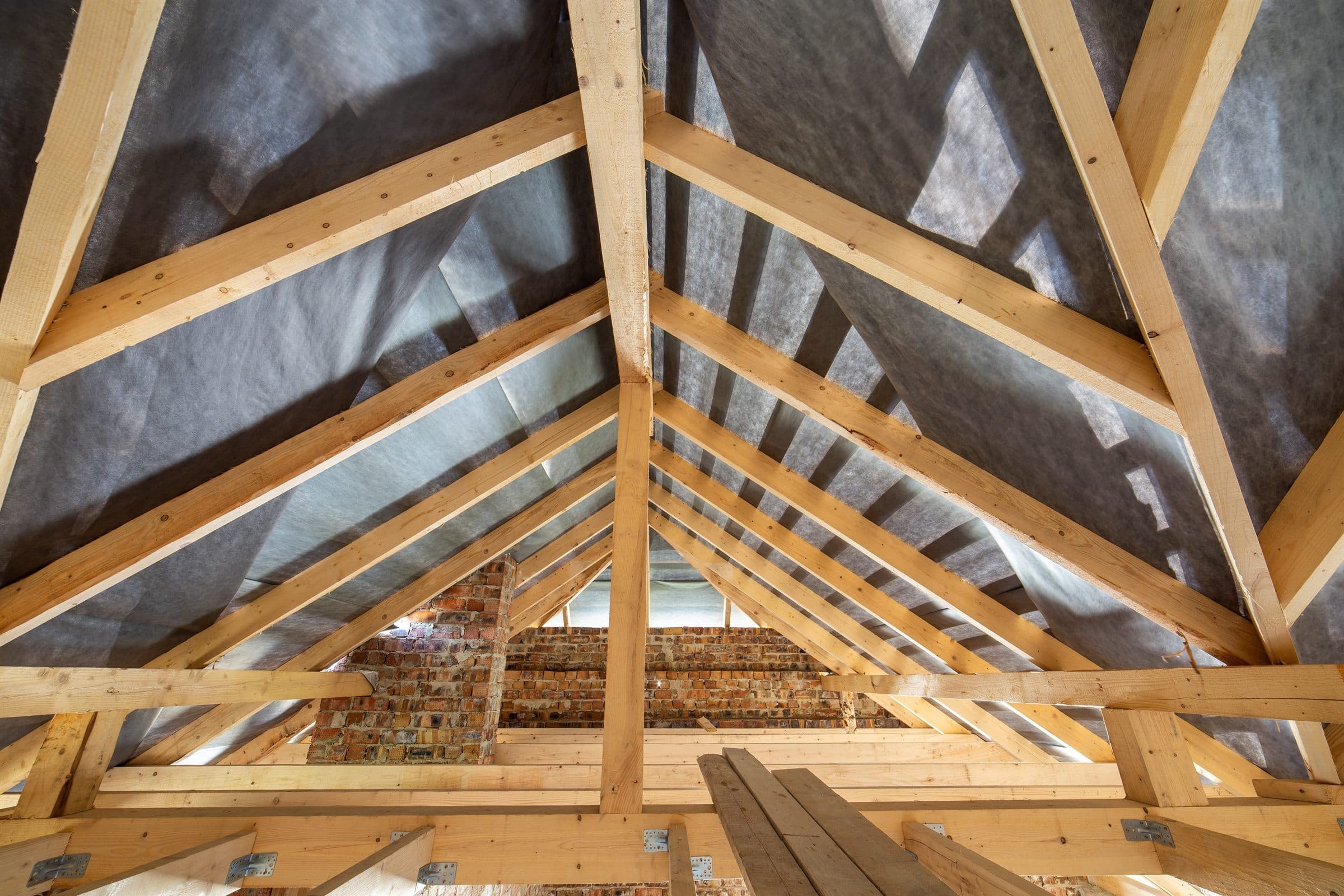
Attic mold removal is quoted after someone sees the attic, because the price turns on how much roof sheathing is affected, whether insulation has to come out, how easy the attic is to move around in, and what it takes to fix the cause. Attic mold usually grows on the plywood or OSB sheathing, fed by roof leaks, poor ventilation, or bath and kitchen fans venting into the attic instead of outside. Florida attics are also hot, which slows the work.
Other hard-to-reach spots follow the same logic. Work inside an air handler, above a ceiling, or in a crawl space (less common in Florida's slab-on-grade homes) takes more setup and more careful handling than an open wall.
Is black mold removal more expensive?
Not because of the color. The process is the same whatever the species: contain, remove, clean, dry, and verify. What changes the price is how much is growing, what it's growing on, and how hard it is to reach. A quote that climbs because of a scary label, rather than the size of the job, is a reason to ask more questions.
How much does mold remediation cost?
Mold remediation ranges from about $300 into five figures and up, depending on what's wrong and what has to be done. Where your job lands takes a written quote after someone sees it, because the drivers above can't be measured over the phone or from a photo. Hidden moisture behind walls and under flooring often only shows up on site, with a moisture meter.
When quotes differ a lot, the cheapest one often leaves something out: containment, HEPA air filtration, drying verification, disposal, or clearance testing. The fix is to compare quotes against the same scope. When an assessor writes a remediation protocol first, every company bids on the same work, and the numbers become comparable.
What to do next
If you don't know how far the mold goes, start with an assessment and a written protocol. Then compare itemized quotes line by line, and ask what each one leaves out, such as rebuild or clearance. Photograph everything before any work starts.
Sterling begins every remediation job with a free on-site estimate and a written, itemized quote before any work starts, and financing is available. If we remediate, Florida law also bars us from testing our own work, so your clearance comes from an independent assessor.