Short answer
Professional mold remediation seals off the moldy area, runs HEPA-filtered negative air, cuts out moldy porous materials like drywall and insulation, and HEPA-vacuums and damp-wipes what stays. The area is dried and checked with moisture readings, then cleared by an independent assessor. It only lasts if the leak or humidity problem behind the mold is fixed too.
Updated September 27, 2026
What is a mold remediation protocol?
A mold remediation protocol is the written plan for the job. It says which areas are affected, what gets removed, what gets cleaned, how the work area is contained, and what the area has to look like to pass clearance. It is often written by a licensed mold assessor after an inspection, and the remediator quotes and works to it.
Not every job starts with a protocol. Many start with the remediator's own on-site estimate. Either way, get the scope in writing before anyone cuts into a wall. It's the document the finished work gets checked against.
What happens during mold remediation?
The mold remediation process follows a fixed order: contain the area, remove what can't be cleaned, clean what stays, dry it, and have it cleared. The industry standard behind that order is ANSI/IICRC S520, the Standard for Professional Mold Remediation.
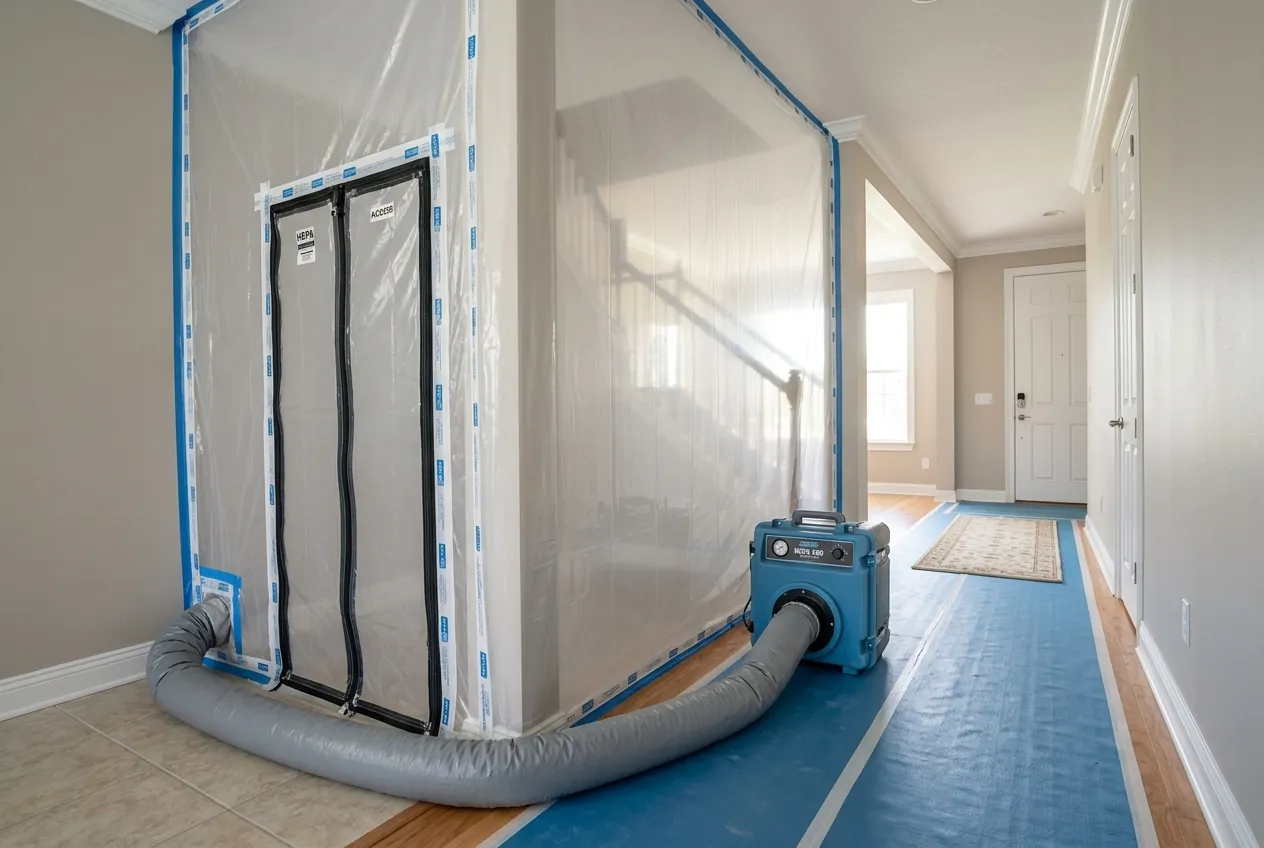
Containment comes first. The work area is sealed with plastic sheeting, vents and doorways are closed off, and the crew goes in and out through a zippered entry.
HEPA air scrubbers then draw air out of the space through their filters, which keeps the work area under negative pressure. Air leaks in, not out, so the spores and dust stirred up during removal stay inside. A HEPA filter captures at least 99.97 percent of particles 0.3 microns in size.
How is the mold actually removed?
Mold is removed physically, not sprayed away. Porous materials that have grown mold, such as drywall (sheetrock), insulation, ceiling tile, and carpet and pad, are cut out, bagged inside containment, and carried out. Mold grows into those materials, so cleaning the surface doesn't reach it.
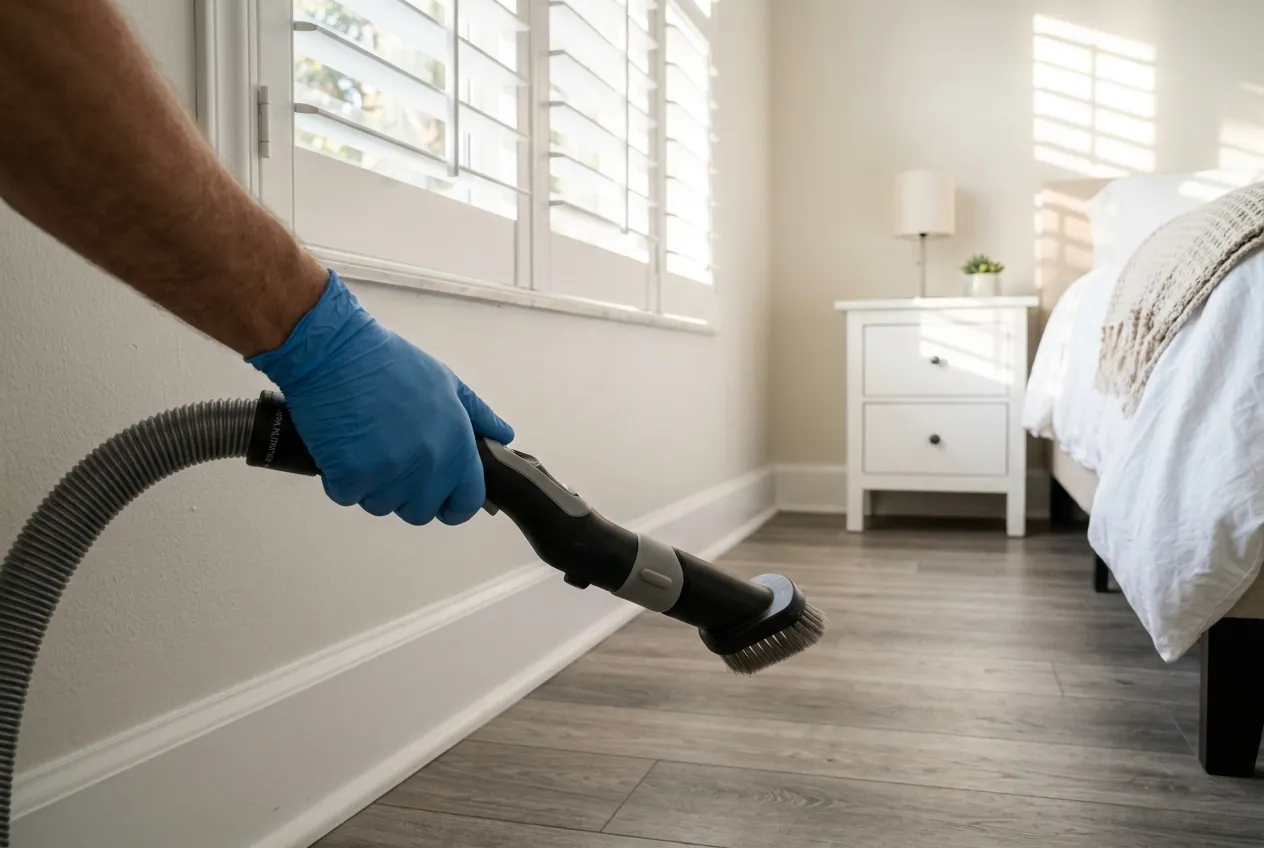
Framing lumber, concrete, metal, and other hard materials can usually stay. They're HEPA-vacuumed and damp-wiped until they're visibly free of growth and debris. Black mold removal works the same way; the color of the growth doesn't change the method.
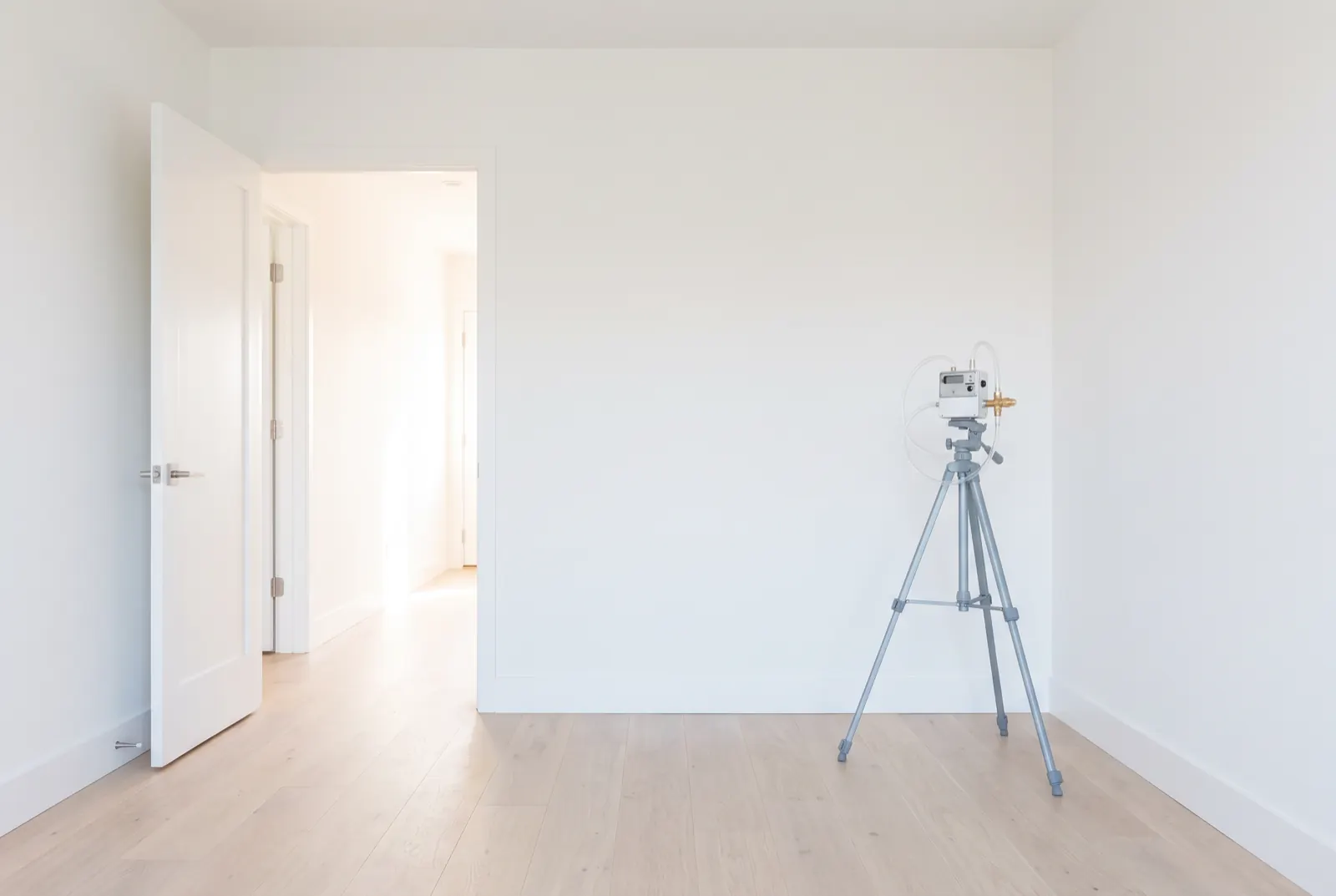
Then the area is dried and checked. Moisture readings on what remains are compared with readings from the same material in a dry, unaffected part of the house (the dry standard), and drying continues until they reach it. Feeling dry to the touch isn't the test.
Does mold remediation really work?
Yes, when it's done in this order and the moisture source is fixed. Removal takes the growth out, containment keeps it from spreading while that happens, drying keeps it from restarting, and clearance confirms the result.
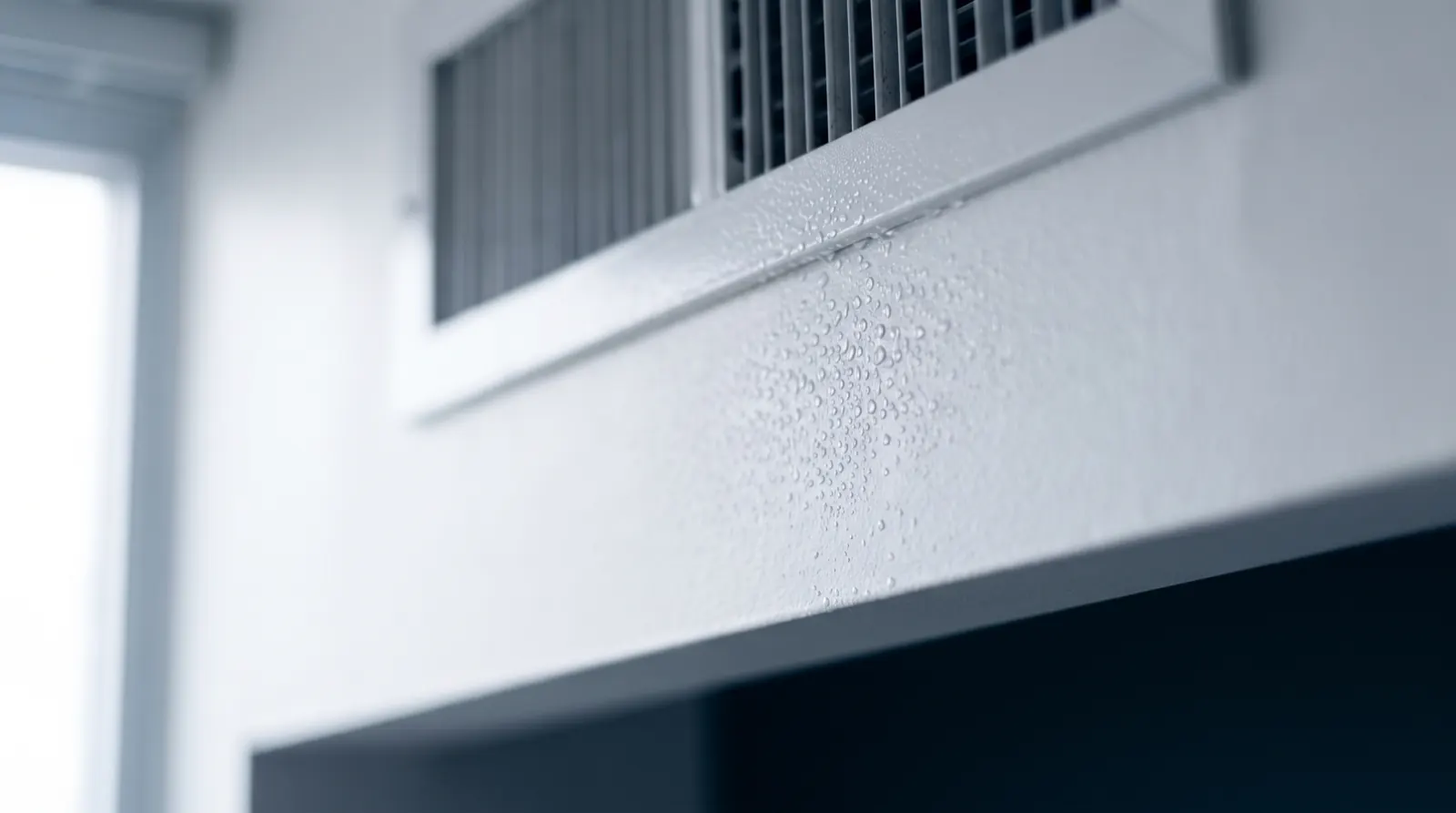
It fails when the water isn't fixed. In the EPA's words, "If you clean up the mold, but don't fix the water problem, then, most likely, the mold problem will come back." In Florida homes the source is commonly a roof or plumbing leak, a clogged AC drain line, or indoor humidity that stays high, and the fix may need a plumber, roofer, or HVAC contractor.
It also fails when steps get skipped: spraying or fogging instead of removing, or rebuilding before materials are dry. Fogging is at most a supplement after removal and cleaning, never a replacement for them.
What happens after the cleanup?
An independent assessor inspects the area before containment comes down and, when the protocol calls for it, takes clearance samples. That step is called clearance, or post-remediation verification. If the area doesn't pass, it gets cleaned again while containment is still up. In Florida, the assessor can't be the company that did the remediation.
Rebuild comes last. New drywall, paint, flooring, and cabinets are repairs, often done by a general contractor and quoted separately from the remediation. Rebuilding before clearance risks sealing missed growth or wet materials back into the wall.
What to do next
Start with the water. If there's an active leak, stop it and dry what's wet. The EPA says, "It is important to dry water-damaged areas and items within 24-48 hours to prevent mold growth." Then get the scope in writing, from an assessor's protocol or a remediator's itemized estimate, and ask who will do clearance before any work starts.
Sterling's remediation follows IICRC S520, and every job starts with a free on-site estimate and a written, itemized quote. If we inspect your home, we can't be the ones who remediate it. Florida law bars it for 12 months. If we remediate, Florida law also bars us from testing our own work (§ 468.8419(2)(d)), so your clearance comes from an independent assessor.