Short answer
A small, contained mold remediation job is often a few days of work, while larger jobs, hard-to-reach areas like attics, and jobs that need a lot of drying take longer. The timeline depends on the size of the area, what has to come out, access, drying, and when clearance testing and lab results come back. Repairs come afterward.
Updated September 27, 2026
What decides how long mold removal takes?
Five things set the timeline: the size of the affected area, what has to be removed, how hard the area is to reach, how much drying is needed, and how quickly clearance can be scheduled and any lab results returned.
Size and materials go together. A patch of moldy drywall under a kitchen sink is a much smaller job than a room where drywall, insulation, and flooring all have to come out. Access matters too. Attics are tight and hot, air handlers have to be opened up, and occupied homes and businesses sometimes need the work phased around the people using them.
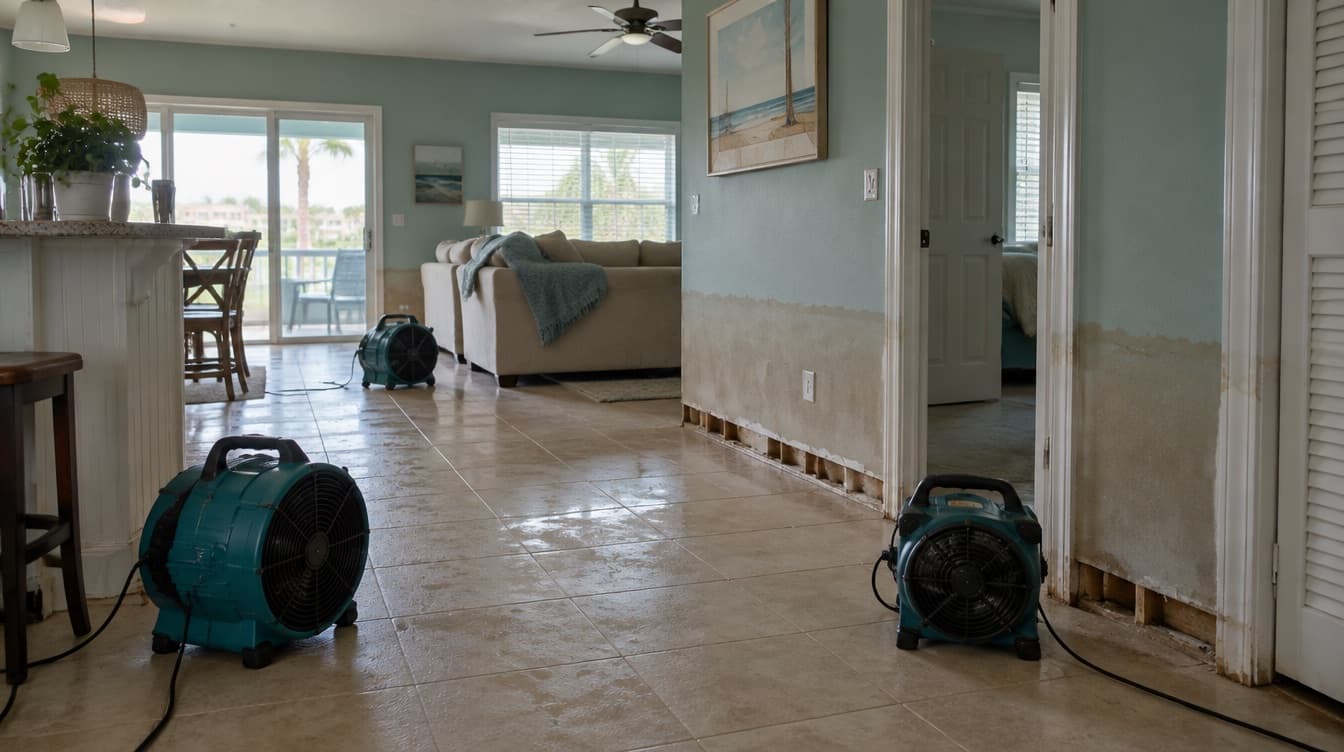
Drying is the step that surprises people. Materials that stay have to reach the dry standard, meaning their moisture readings are back in line with the same material in a dry part of the house, before the area can be cleared. After a large leak, drying can be what sets the pace.
What are the steps, in order?
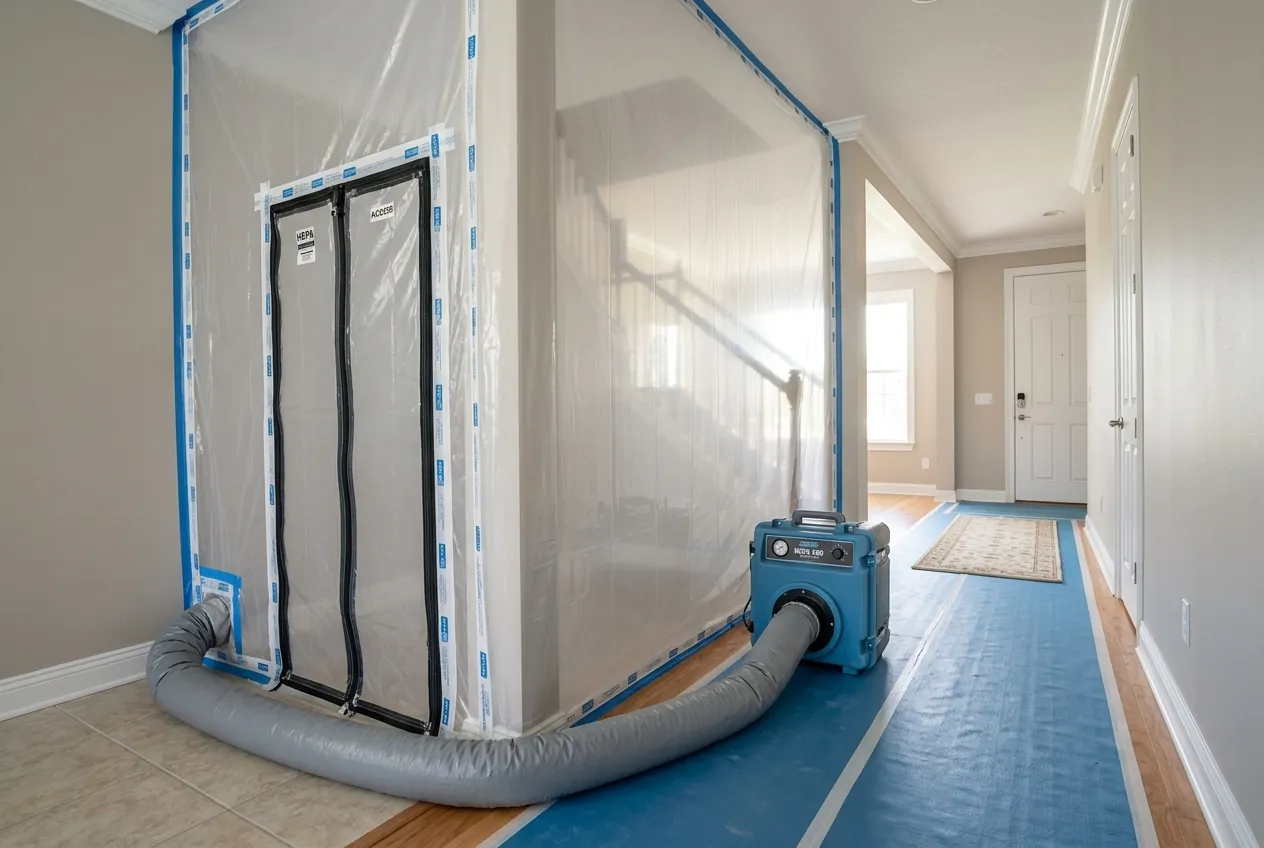
Most jobs run in the same sequence: an on-site estimate or an assessor's protocol, then containment, removal and cleaning, drying, and independent clearance. Repairs by a contractor come last.
Each step waits on the one before it. Containment goes up before anything is cut out, and clearance can't happen until the area is clean and dry. Clearance has its own timing too: the independent assessor is scheduled after the work is finished, and if samples are taken, results depend on the laboratory's turnaround. Containment stays up until the area passes.
Rebuild (new drywall, paint, flooring, cabinets) is a separate step after clearance. Closing walls early can trap moisture or missed growth, so it's worth waiting for the result.
How long does black mold remediation take?
The same as any other mold remediation of the same size. "Black mold" describes a color, not a separate kind of job, and color doesn't change the method. Size, materials, access, and drying are what change the timeline.
How long does mold remediation take in an attic or an apartment?
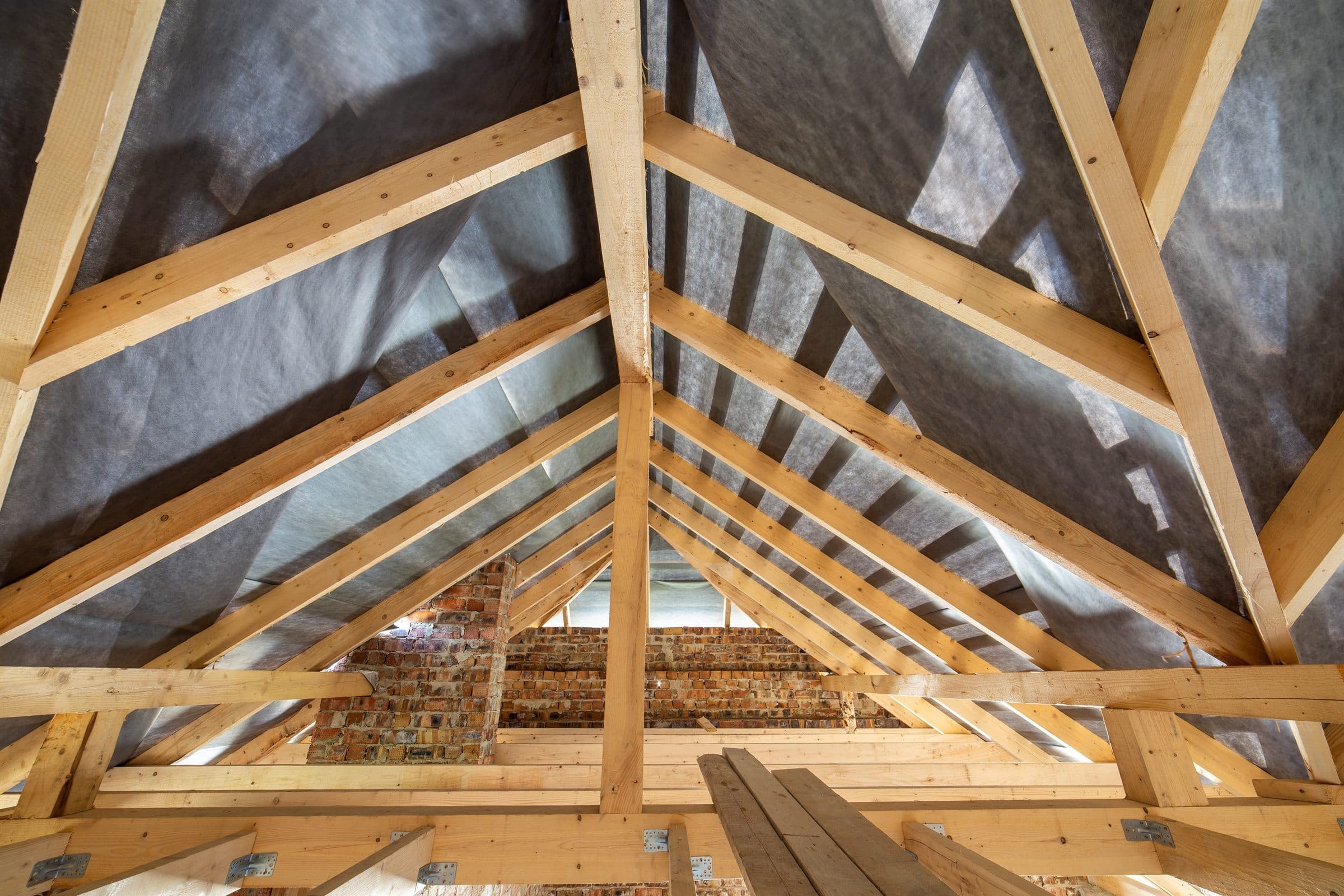
Both depend more on access and logistics than on square footage. In an attic, roof sheathing and framing are cleaned by hand in a tight space, contaminated insulation has to be bagged and carried out, and in a Florida summer the attic gets dangerously hot by midday, so work often starts early. The roof leak or vent problem behind the growth also has to be fixed, often by a roofer or HVAC contractor.
In an apartment or condo, the work is often smaller but the logistics aren't. Building rules on work hours, association approvals, access to neighboring units, and a leak that started in another unit can all add time. If the water came from a shared pipe or the unit above, that source has to be fixed for the job to hold.
How long does mold remediation last?
It lasts as long as the moisture problem stays fixed. Mold that's been properly removed doesn't grow back by itself; new growth needs moisture. The EPA puts it plainly: "If you clean up the mold, but don't fix the water problem, then, most likely, the mold problem will come back."
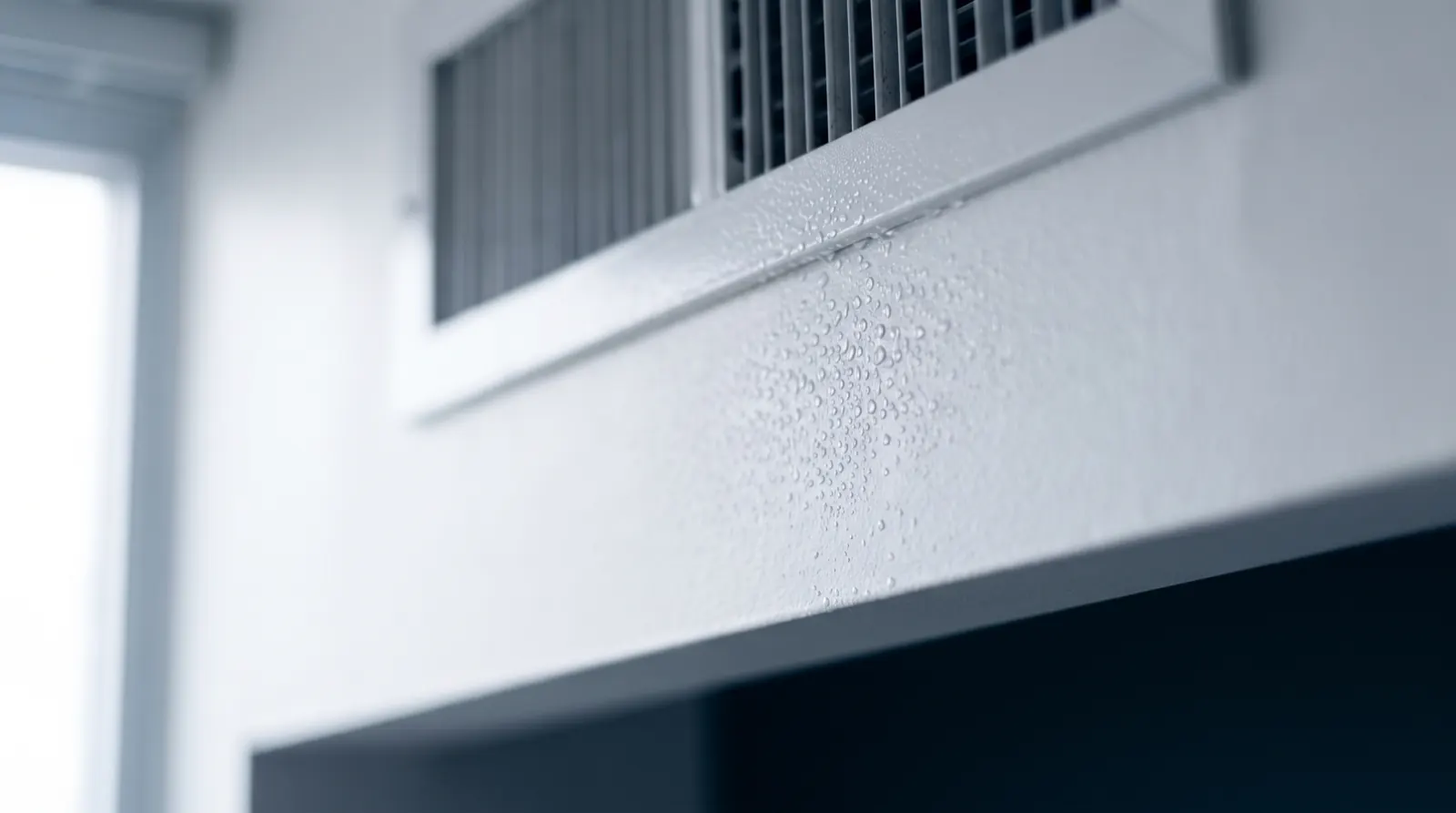
In Florida, keeping it fixed means controlling indoor humidity, keeping the AC drain line and pan clear, and repairing leaks quickly. The EPA's advice: "If possible, keep indoor humidity below 60 percent (ideally between 30 and 50 percent) relative humidity."
What to do next
Ask for the timeline in writing. A good estimate lists the work days, says what will be removed, and explains how drying and clearance fit in. If you're working around a closing, a move, or tenants, say so up front so the schedule can be built around it.
Sterling's free on-site estimates are written and itemized, and they list the work days for your job. Containment stays up until the area passes clearance. If we remediate, Florida law also bars us from testing our own work, so your clearance comes from an independent assessor.