Short answer
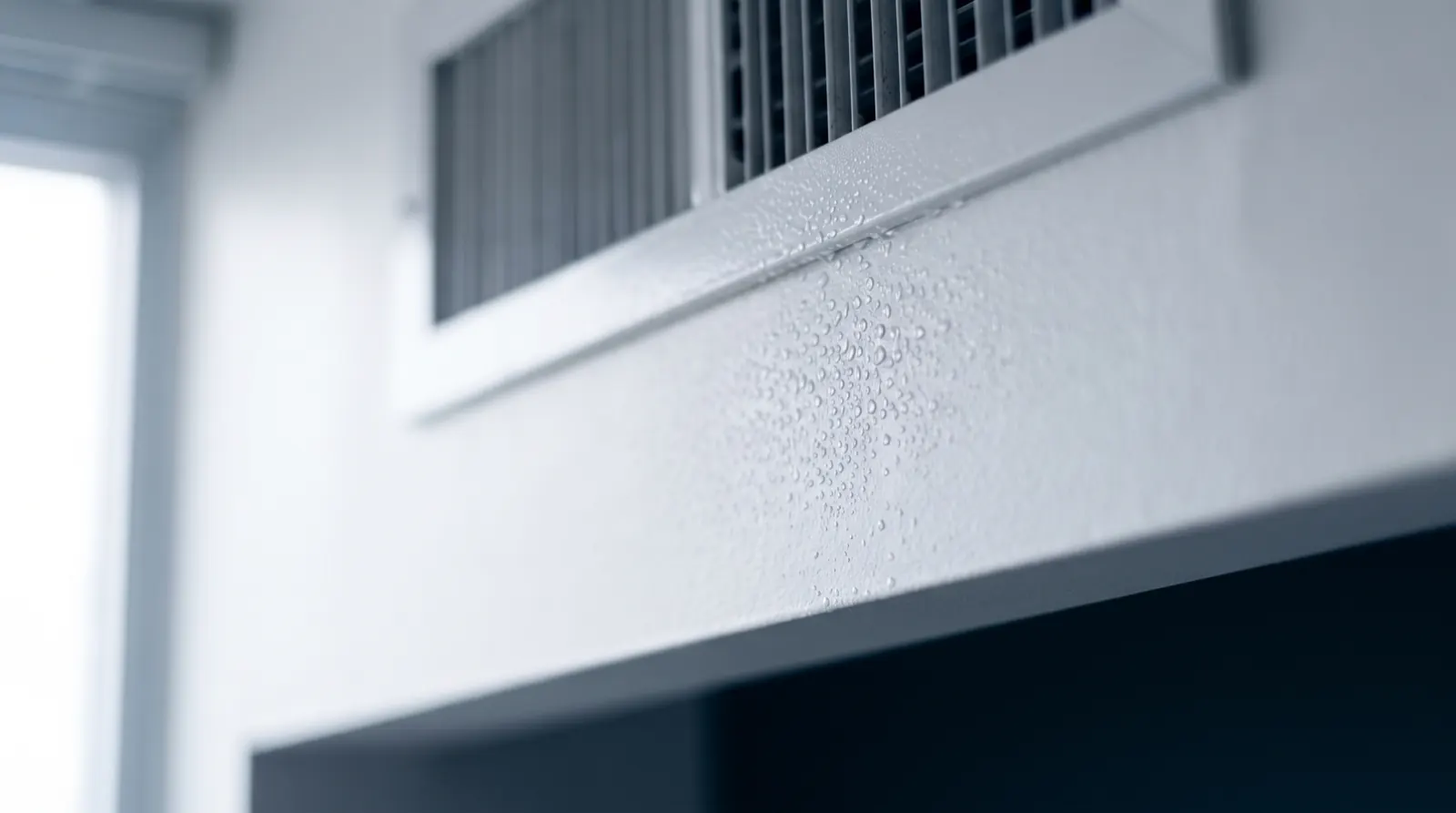
Yes, if the moldy area is small: the EPA says you can usually handle a patch under about 10 square feet yourself. Fix the water source, protect yourself, clean hard surfaces, and throw out moldy porous items. Larger areas, growth inside walls, attics, or HVAC systems, and sewage-related damage call for a professional.
Updated September 27, 2026
Should I remove mold myself?
For a small patch on a hard surface, cleaning it up yourself is usually reasonable. The EPA's rule of thumb: "If the moldy area is less than about 10 square feet (less than roughly a 3 ft. by 3 ft. patch), in most cases, you can handle the job yourself, follow the guidelines."
Think light mildew on a painted bathroom ceiling, spots on a window frame, or a patch on shower tile. Size isn't the only test, though. What the mold is growing on, why it's there, and who lives in the house matter as much. "Black mold" doesn't change the answer: color doesn't identify the species, and the cleanup method is the same.
What respirator do you need for mold removal?
For a small cleanup, the EPA suggests an N-95. In its words: "Avoid breathing in mold or mold spores. In order to limit your exposure to airborne mold, you may want to wear an N-95 respirator". Add gloves and eye protection, and work gently so you aren't scrubbing spores into the air or dry-brushing dust around the room.
Health comes before the project. If you or anyone in the home has asthma, allergies, or a weakened immune system, is pregnant, or is caring for an infant, ask a doctor before cleaning or staying in a moldy space.
How do you clean up a small area of mold?
Fix the water, protect yourself, scrub the growth off hard surfaces, dry them, and throw out moldy porous items. Hard, non-porous surfaces like tile, glass, and metal can be scrubbed with water and a household detergent, then dried completely. Bag the waste and the used rags and take them out of the house.
Porous items are a different story. As the EPA notes, "Absorbent or porous materials, such as ceiling tiles and carpet, may have to be thrown away if they become moldy." Mold grows into those materials, so wiping the surface doesn't reach it.
Two things to skip in a do-it-yourself job: bleach as the main tool, and paint. Killing mold isn't the same as removing it, and paint only hides it.
Can I remove mold in the attic myself?
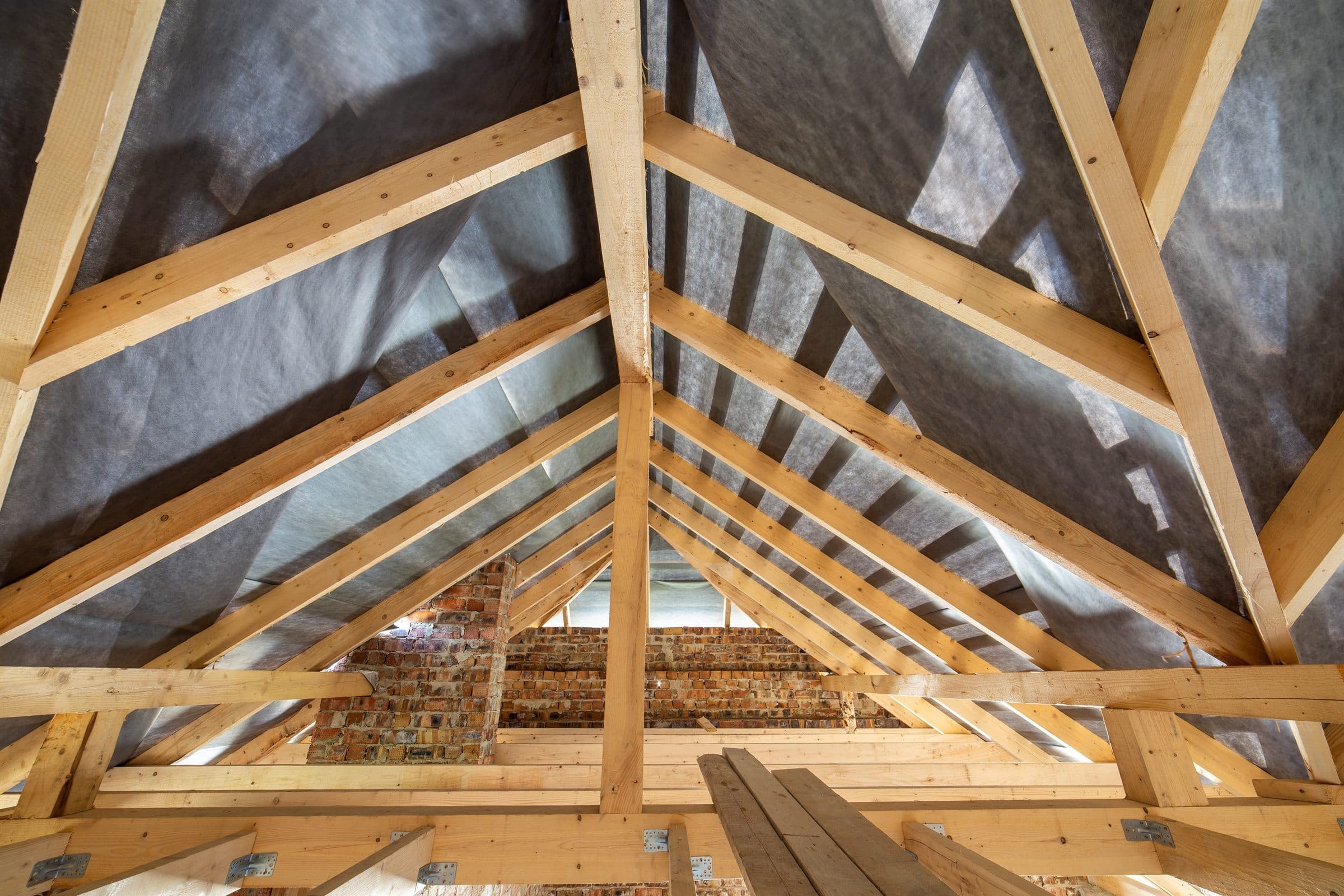
Usually not, unless it's a small spot you can reach safely. Attic mold typically grows on the underside of the roof sheathing, so cleaning it means working overhead in a tight space that gets dangerously hot in a Florida summer, often above insulation that may be contaminated too. Without containment, dust and debris can end up in the rooms below.
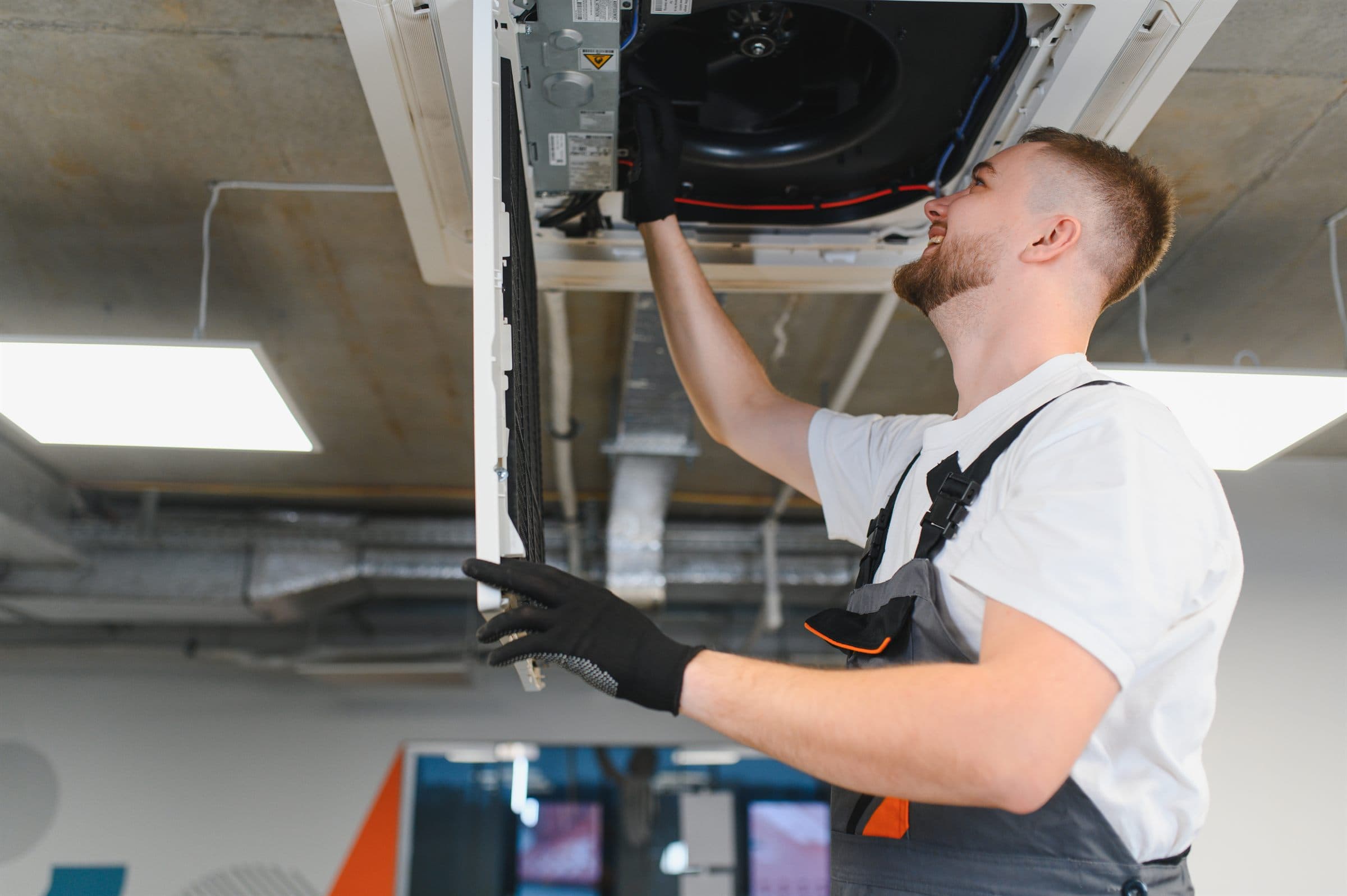
The cause has to be fixed as well: a roof leak, poor attic ventilation, or a bath or kitchen fan that vents into the attic instead of outside. Mold inside the AC or ductwork is similar. Cleaning it the wrong way can send debris through the ducts and into the house.
When should you call a professional?
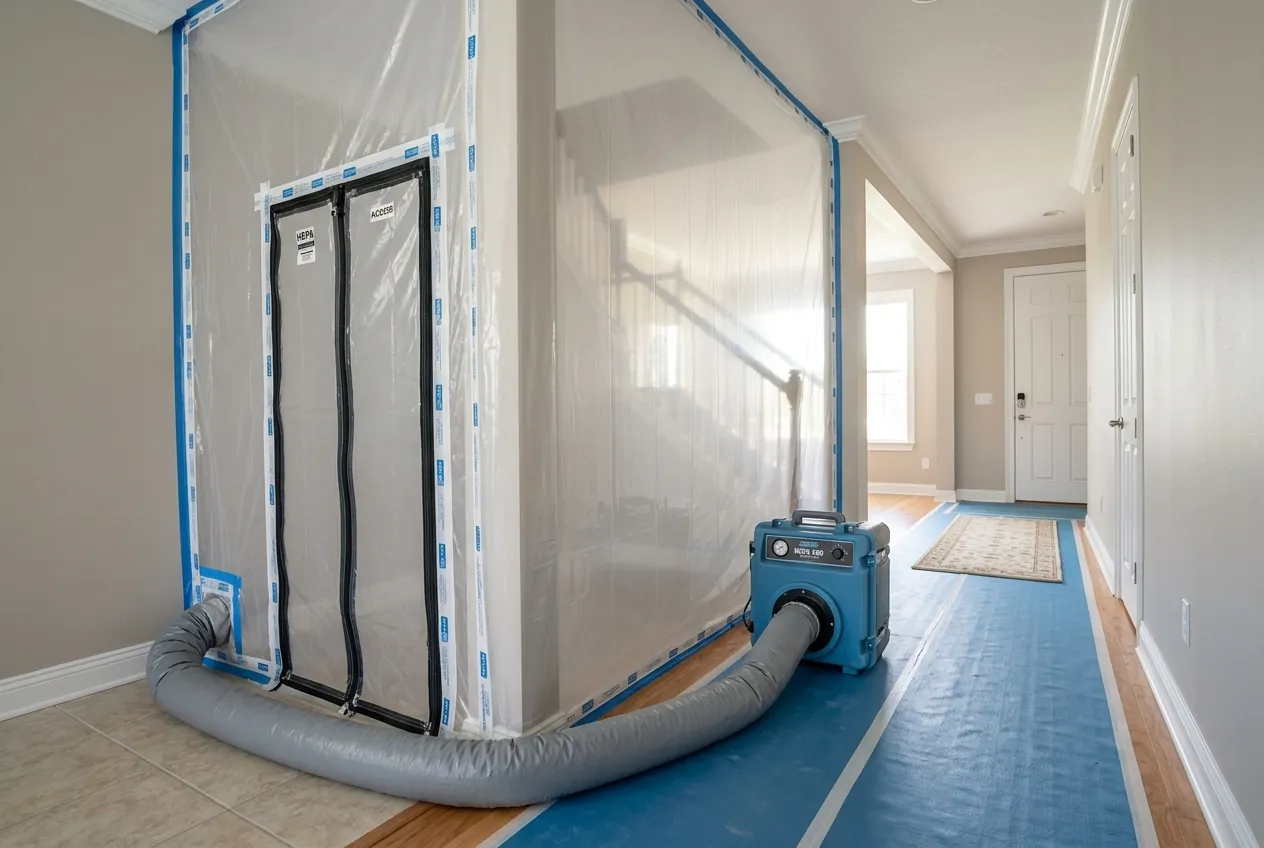
Call a professional when the moldy area is more than about 10 square feet, when the growth is inside walls, in the attic, or in the AC or ductwork, or when the water involved was sewage or floodwater. Porous materials soaked by sewage or floodwater are removed, not cleaned.
It's also worth calling when someone in the home has health concerns (talk to their doctor first), or when you need documentation for a sale, a landlord, or an insurance claim.
If you hire someone for an area larger than 10 square feet, that work falls under Florida's definition of mold remediation: "the removal, cleaning, sanitizing, demolition, or other treatment, including preventive activities, of mold or mold-contaminated matter of greater than 10 square feet that was not purposely grown at that location" (§ 468.8411). That's licensed work. Ask for the company's Florida mold remediator license number, which begins with MRSR, and check it at myfloridalicense.com.
What to do next
Measure the area and find the water. If it's small, on a hard surface, and the source is fixed, clean it carefully and watch that it doesn't come back. If it's larger than about 10 square feet, hidden in a wall, in the attic or AC, or tied to sewage or floodwater, get a professional estimate before you start pulling materials out.
Sterling's estimates are free, on-site, and written, with an itemized quote, and its remediation follows IICRC S520. If we remediate, Florida law bars us from testing our own work (§ 468.8419(2)(d)), so your clearance comes from an independent assessor.