Short answer
Bleach can kill mold on hard, non-porous surfaces, but killing mold isn't the goal: removing it is, since the EPA notes dead mold may still cause allergic reactions in some people. On drywall and wood, bleach can lighten the stain without removing growth rooted in the material. What works is removing the growth and fixing the moisture.
Updated September 27, 2026
Can bleach get rid of mold?
Bleach can kill mold on a hard surface, but killing it isn't the same as getting rid of it. The EPA explains why: "Dead mold may still cause allergic reactions in some people, so it is not enough to simply kill the mold, it must also be removed."
That's also why the EPA doesn't lead with bleach: "The use of a chemical or biocide that kills organisms such as mold (chlorine bleach, for example) is not recommended as a routine practice during mold cleanup." On hard, non-porous surfaces like tile, glass, and metal, scrubbing the growth off with water and a household detergent, then drying the surface completely, does the job.
If you do use bleach, open a window, wear gloves and eye protection, and never mix it with ammonia, vinegar, or any other cleaning product. Those mixtures can release toxic fumes.
Can bleach kill mold on drywall?
Bleach can lighten mold stains on drywall, but it doesn't remove growth rooted in the material. Drywall (sheetrock), wood, and other porous materials let mold grow into them, not just on top, so the wall can look better while the problem stays.
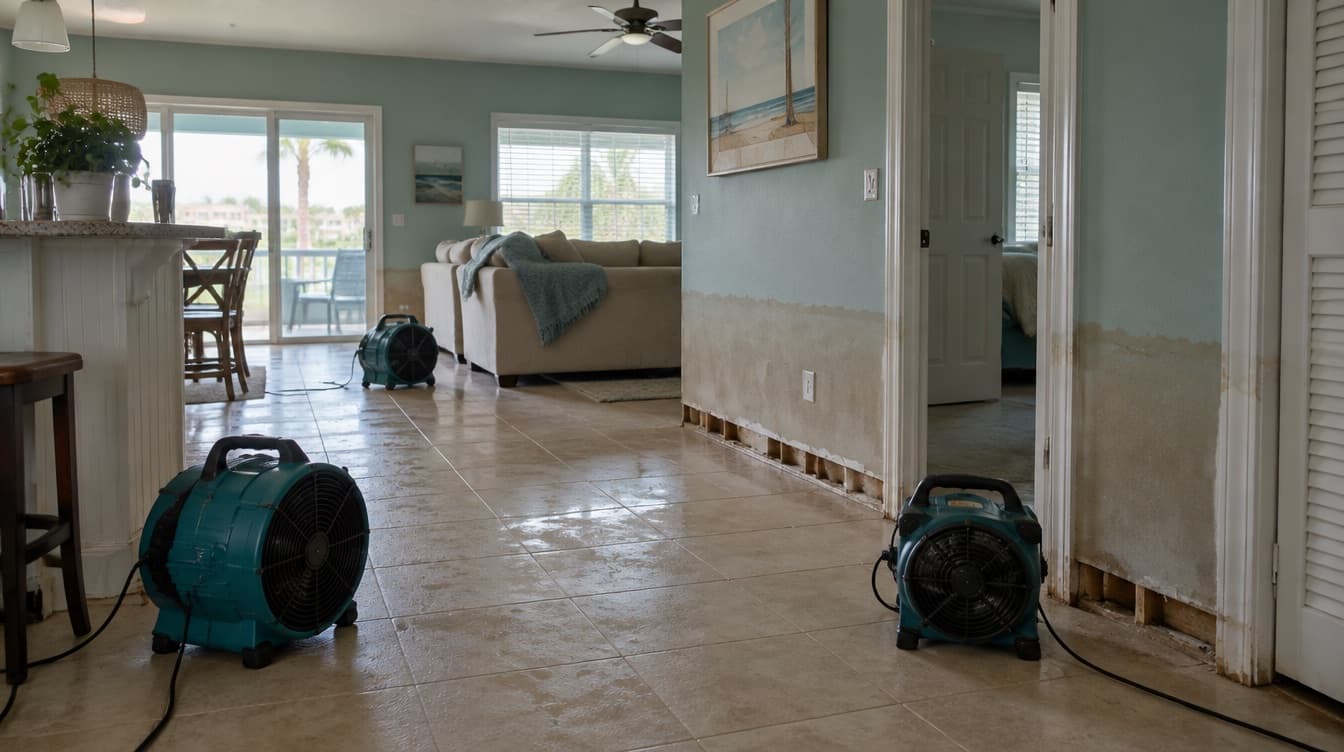
Light mildew on a painted surface can often be cleaned off. Growth that has gone into the drywall can't be, so the moldy section is cut out and replaced, and the framing behind it is cleaned. No spray, bleach included, removes growth from inside the wallboard.
Does vinegar get rid of mold?
Vinegar can help clean light surface mold off a hard surface, much like detergent and water, but it isn't remediation. It won't remove growth inside drywall, wood, or insulation, and it won't fix the moisture that caused it. Hydrogen peroxide, baking soda, and store-bought mold sprays fall in the same category: cleaning aids.
"Black mold" is no exception. It's cleaned up the same way as any other growth, and bleach isn't the fix for it either. Color doesn't identify the species, and it doesn't change the method.
Does a dehumidifier kill mold?
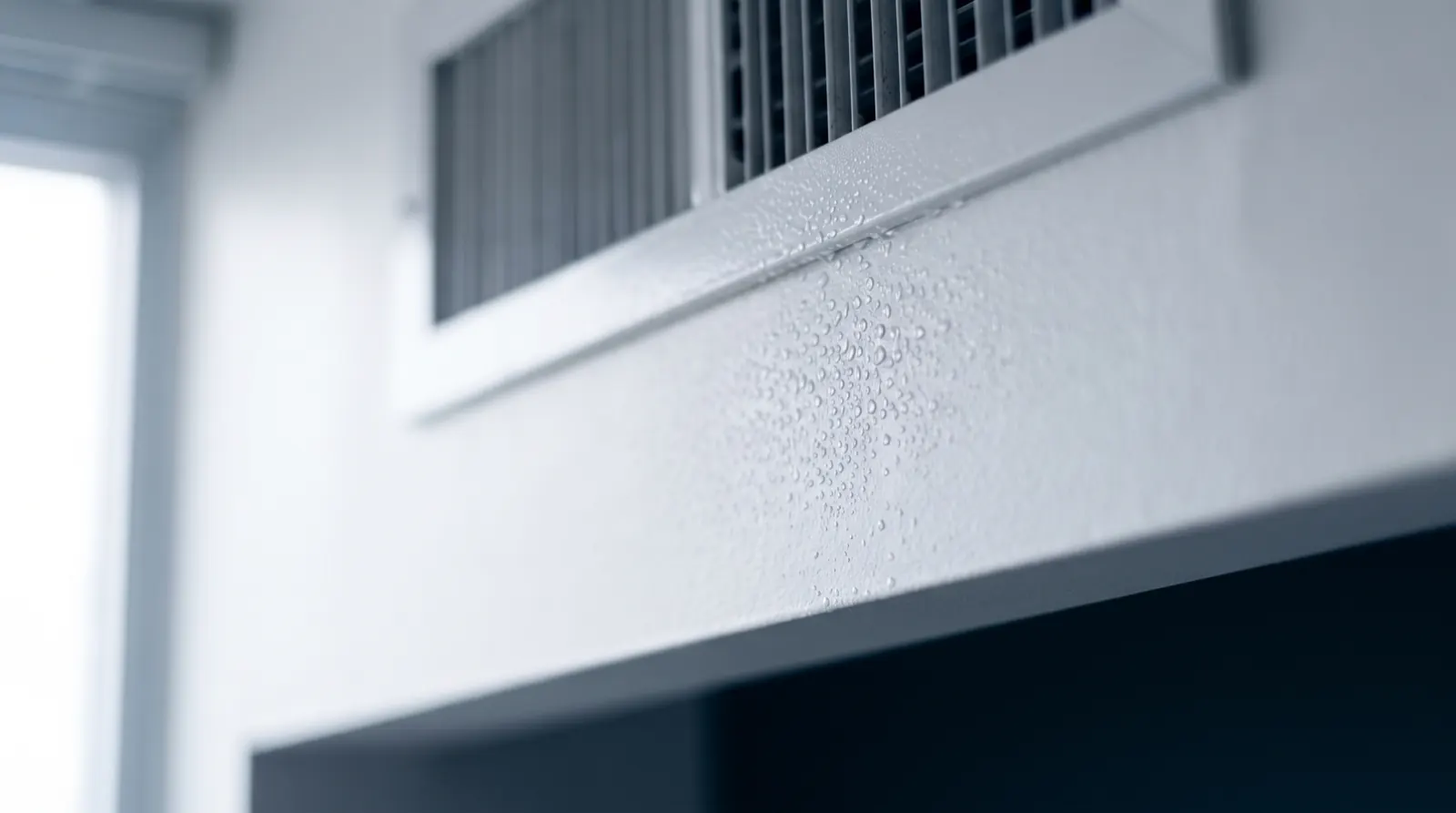
No. A dehumidifier doesn't kill mold, but it lowers humidity so mold can't keep growing. The EPA's advice: "If possible, keep indoor humidity below 60 percent (ideally between 30 and 50 percent) relative humidity."
In a Florida home, the air conditioner does most of that work. A dehumidifier helps in spaces the AC doesn't reach well, like a closed-off room, or a home that sits shut while its owners are away for the summer. It won't dry out a wall fed by an active leak, and it won't remove growth that's already there.
What kills mold spores?
Killing spores isn't a realistic goal. Mold spores are a normal part of indoor and outdoor air, and more drift in every time a door opens. The goal is to remove the growth and keep materials dry, so the spores that land can't grow.
Sprays and foggers are often marketed as spore killers, but they don't remove growth. Fogging has a place only as a supplement after moldy materials are removed and surfaces are cleaned, never in place of that work.
What actually works?
Removal and moisture control. Fix the water source. Scrub small areas of growth off hard surfaces and dry them. Throw out moldy porous items, and have larger areas or moldy drywall removed under containment. Then keep humidity down so it doesn't come back. By the EPA's rule of thumb, an area under about 10 square feet is usually a do-it-yourself job.
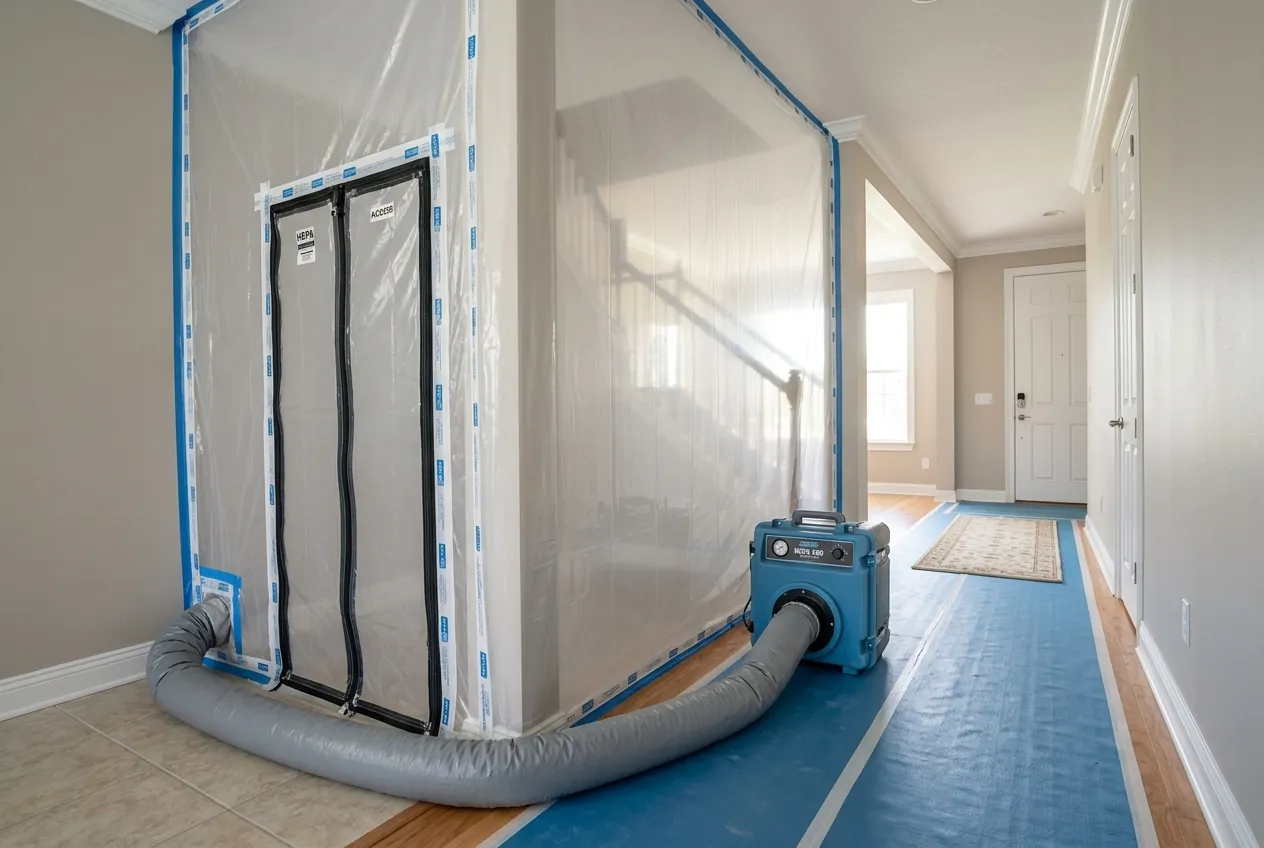
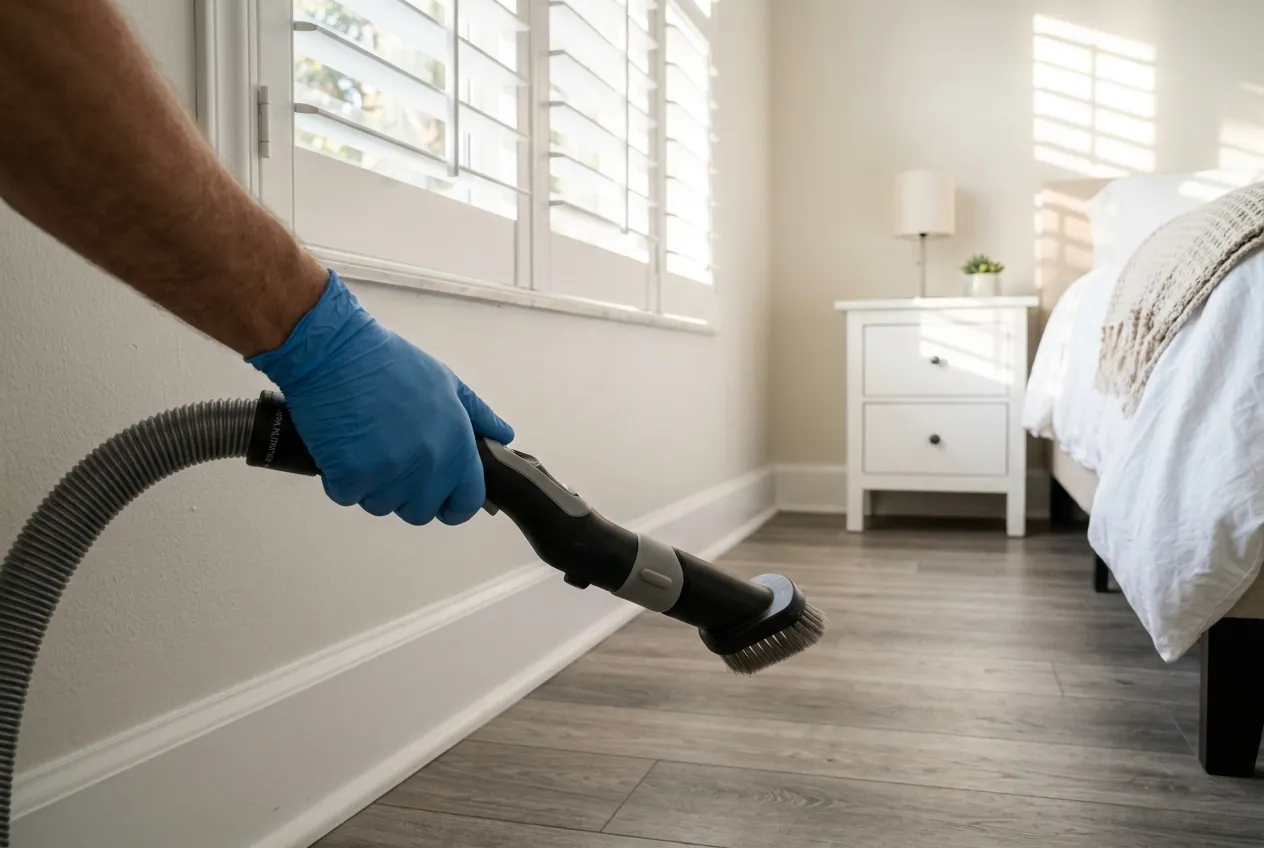
Sterling's remediation follows IICRC S520: containment, physical removal, HEPA vacuuming and damp wiping, and drying confirmed with moisture readings. Every job starts with a free on-site estimate and a written, itemized quote. If we remediate, Florida law bars us from testing our own work, so your clearance comes from an independent assessor.
| Product | What it does |
|---|---|
| Chlorine bleachNever mix it with ammonia, vinegar, or other cleaners. | Can kill surface mold on hard surfaces. Doesn't remove it. |
| Vinegar, peroxide, and mold sprays | Cleaning aids, not remediation |
| Paint or stain-blocking primer | Covers the stain. Leaves the growth. |
| Dehumidifier | Doesn't kill mold. Lowers humidity so it can't keep growing. |
| Fogging | A supplement after removal and cleaning, never a substitute |
| Removal and cleaningScrub hard surfaces, remove moldy porous materials, and fix the moisture. | Takes the growth out. This is the fix. |
The EPA's position: remove mold, don't just kill it, and fix the moisture behind it.