Short answer
On its own, mold fogging doesn't fix a mold problem. Fogging spreads an antimicrobial as a fine mist, but it doesn't remove mold growth, can't reach mold growing inside drywall or insulation, and does nothing about the moisture that fed it. It can help as a supplemental step after moldy materials are removed and the area is cleaned.
Updated September 27, 2026
What is mold fogging?
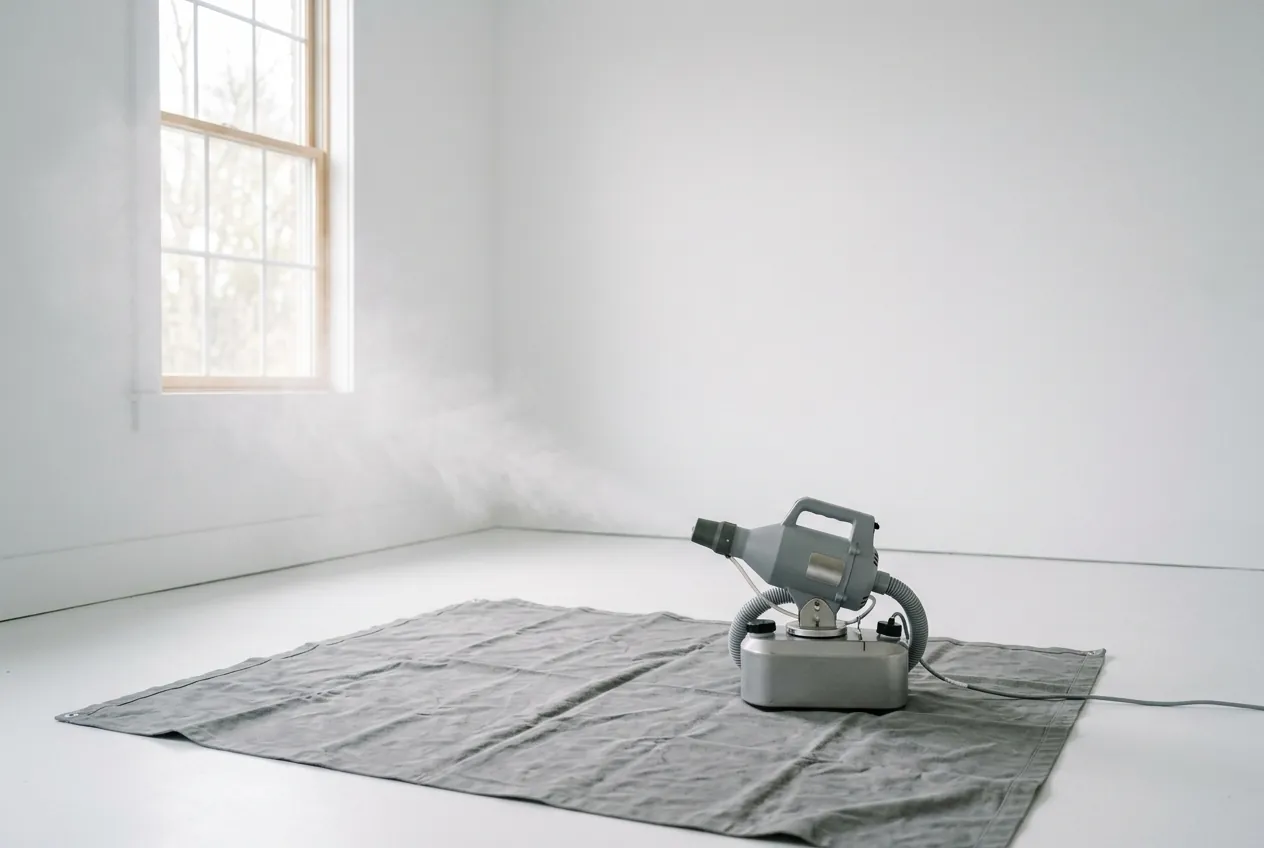
Mold fogging means applying a liquid antimicrobial with a fogging machine, which breaks it into a fine mist that drifts into corners, gaps, and surfaces a cloth can't easily reach. The mist settles on exposed surfaces and is left for the dwell time on the product's label.
Dry fogging is a version that uses droplets so small they tend to hang in the air and leave surfaces barely damp instead of wet. You'll also see ULV (ultra-low volume) fogging, which refers to machines that turn a small amount of liquid into very fine droplets. Whatever the machine, the product only acts where the droplets land.
Does fogging kill mold spores?
It can kill some of the mold and spores the mist lands on, but killing mold isn't the same as getting rid of it. The EPA is direct about this: "Dead mold may still cause allergic reactions in some people, so it is not enough to simply kill the mold, it must also be removed."
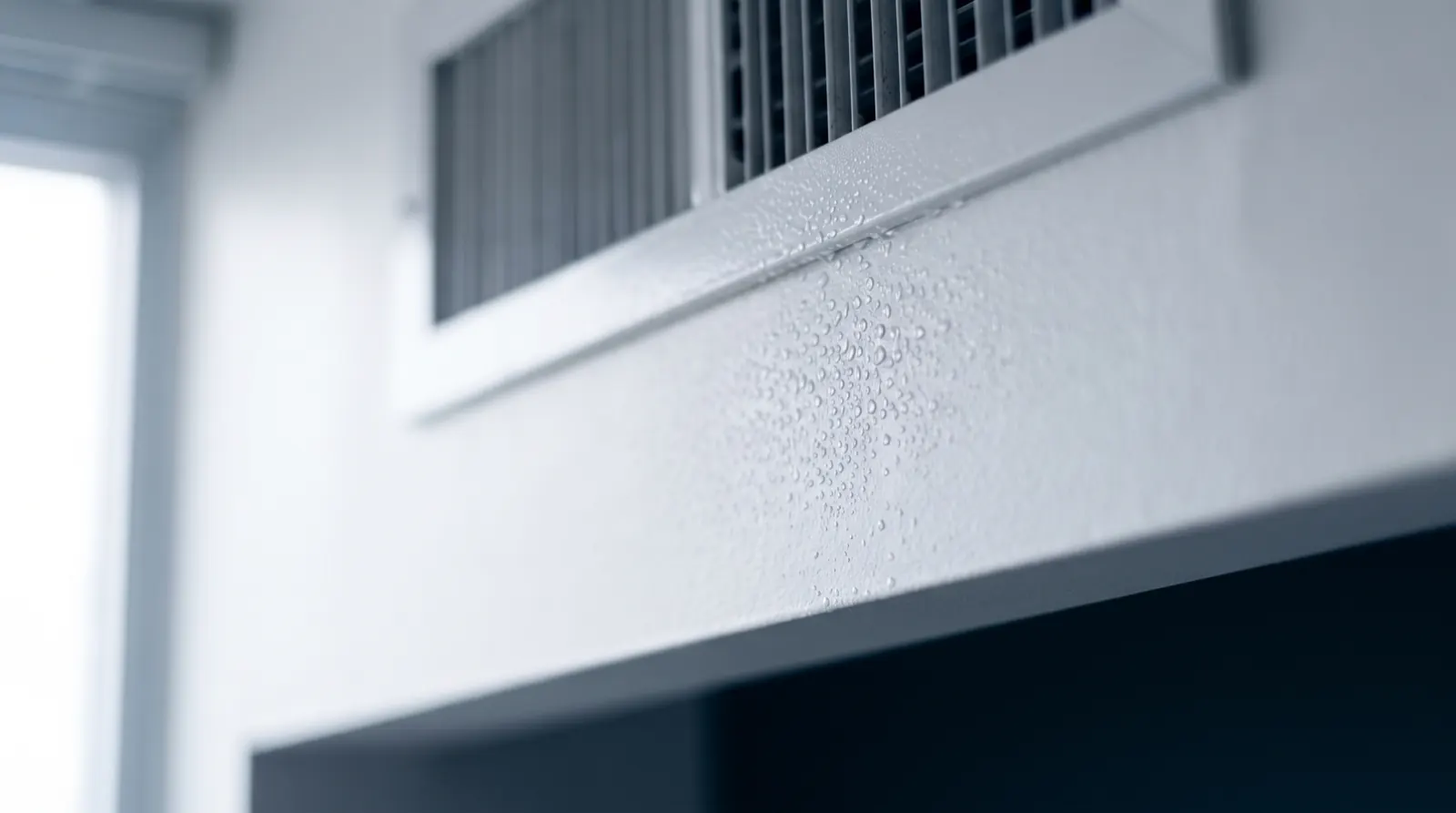
Reach is the second limit. Mold on drywall (sheetrock), insulation, and wood grows into the material, not just on it, and a mist that settles on the surface doesn't get into the paper facing, the gypsum, or the wall cavity behind it. The third limit is moisture. Fog does nothing about the leak, the humidity, or the AC problem behind the growth, and as the EPA notes, "If you clean up the mold, but don't fix the water problem, then, most likely, the mold problem will come back."
Is mold fogging effective?
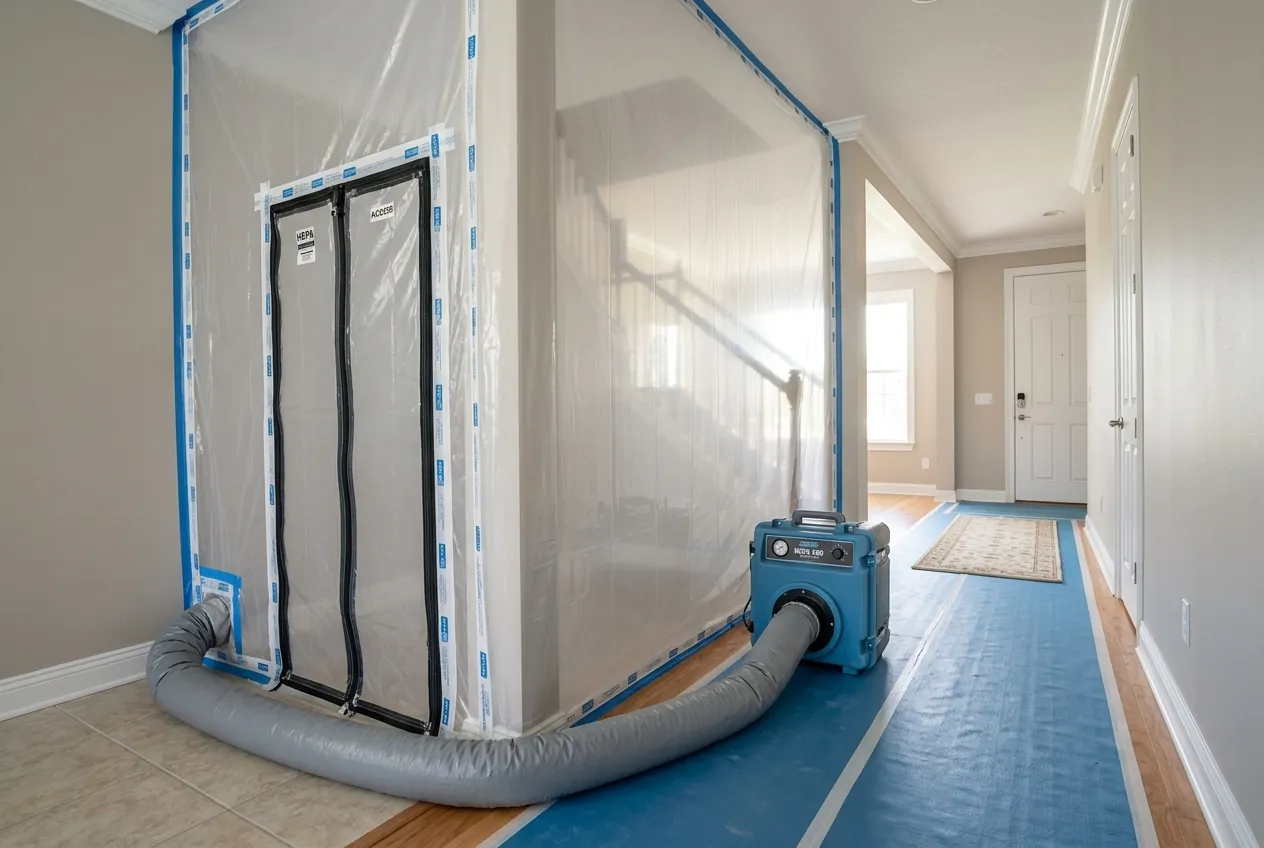
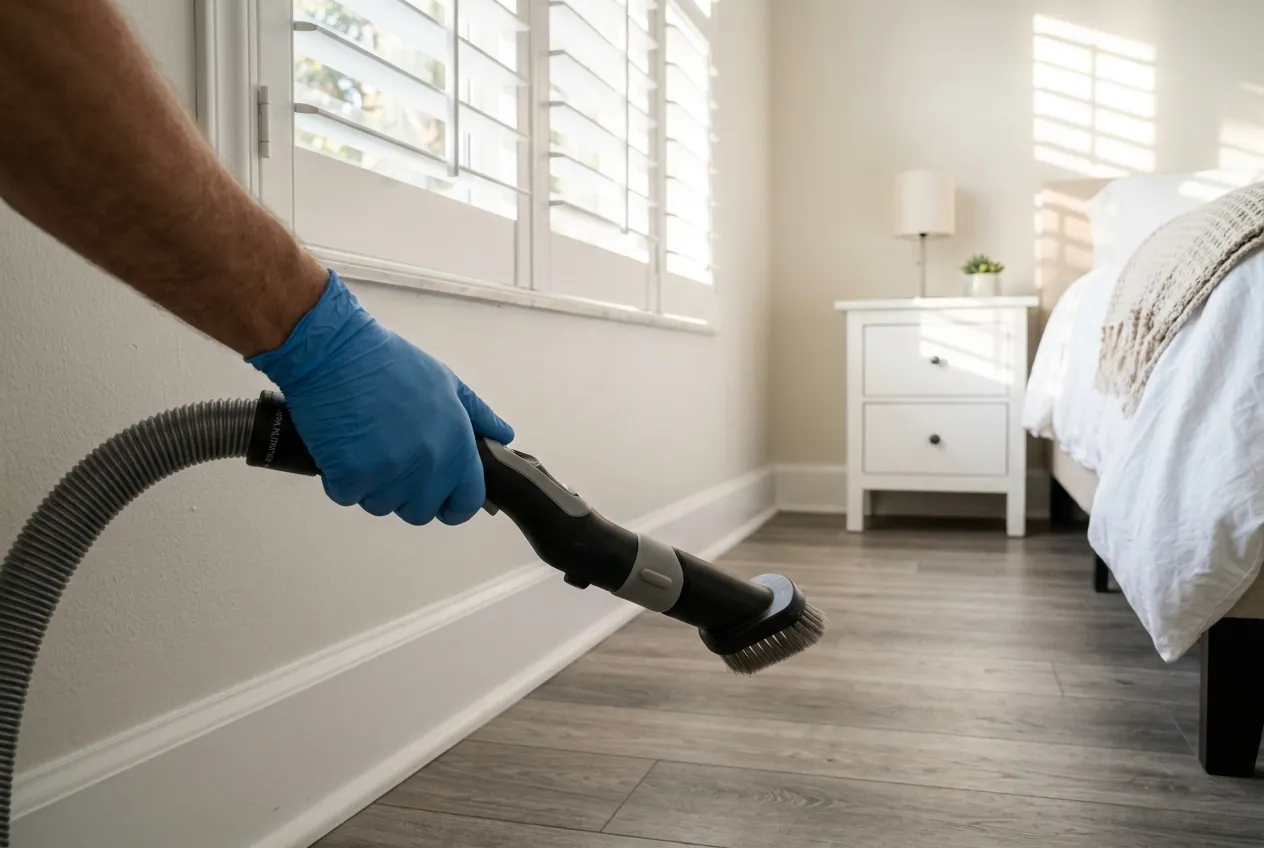
It can be a useful supplemental step once the real work is done, but it isn't the fix. In professional mold remediation, the order is: stop the water, set up containment, remove moldy porous materials, HEPA vacuum and damp wipe what stays, and confirm the area is dry. Fogging, when the scope calls for it, comes after that as a final treatment of cleaned surfaces and the gaps a wipe can't reach.
That's also why there's no stand-alone answer to how much mold fogging costs: done properly, it's one line in a remediation scope, not a separate product. Be cautious with any offer to fog a house instead of removing the mold. If a quote doesn't cover containment, removal of damaged materials, and who fixes the moisture, it isn't a remediation plan.
Do mold bomb foggers really work?
Not as a fix. Consumer "mold bombs" (total-release foggers you set off and leave) have the same limits as professional fogging, with less control over where the product goes. They don't remove growth, can't reach mold inside walls or materials, and don't touch the moisture source. The bigger problem is the false sense that the job is done while the growth and the leak are still there.
Is a mold fogger safe for people and pets?
It can be, when the product's label is followed exactly and everyone, people and pets, stays out until the label says it's safe to return. Use only a product labeled for the purpose. The label tells you what to cover or remove, how long to stay out, and how to air the space out afterward.
People with asthma, allergies, or a weakened immune system, infants, and anyone with pregnancy concerns should ask their doctor before staying in or cleaning a moldy space. Questions about a pet's health belong with your veterinarian.
What to do next
Start with the water: find and stop the leak, dry the area, and see how much growth there is. In Florida homes, that's often an AC drain line, a roof leak after a storm, or indoor humidity that stays high. The EPA's guidance is that a moldy area under about 10 square feet can usually be handled yourself. Larger or hidden growth calls for a licensed mold remediator, with removal and cleaning first and fogging, if it's used at all, last.
Sterling offers antimicrobial fogging only as a supplement after moldy materials are removed and the area is cleaned, never in place of removal, and it's quoted in writing as part of the remediation scope after a free on-site estimate. If we remediate, Florida law also bars us from testing our own work, so your clearance comes from an independent assessor.