Short answer
Yes, active mold growth in an attic should be removed, after the moisture feeding it is fixed. It won't go away on its own: growth that dries out goes dormant and can regrow when moisture returns. Old stains on wood that stays dry may be water staining or dormant growth, and they're worth having checked and documented.
Updated September 27, 2026
What causes attic mold?
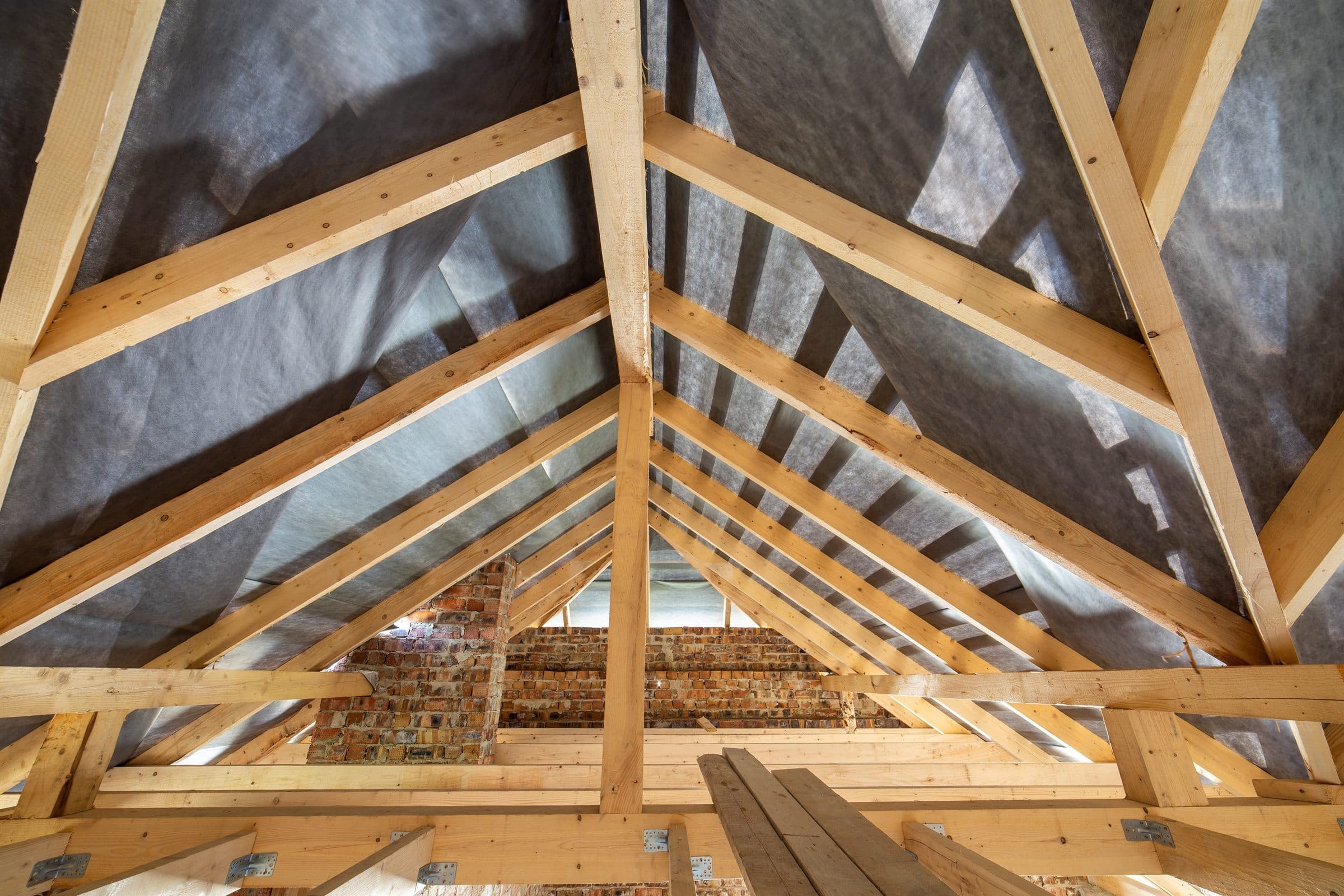
Attic mold is caused by moisture that stays in the attic long enough for mold to grow, usually on the underside of the roof sheathing: the plywood or OSB decking the roof is nailed to. It can also grow on rafters, trusses, and insulation.
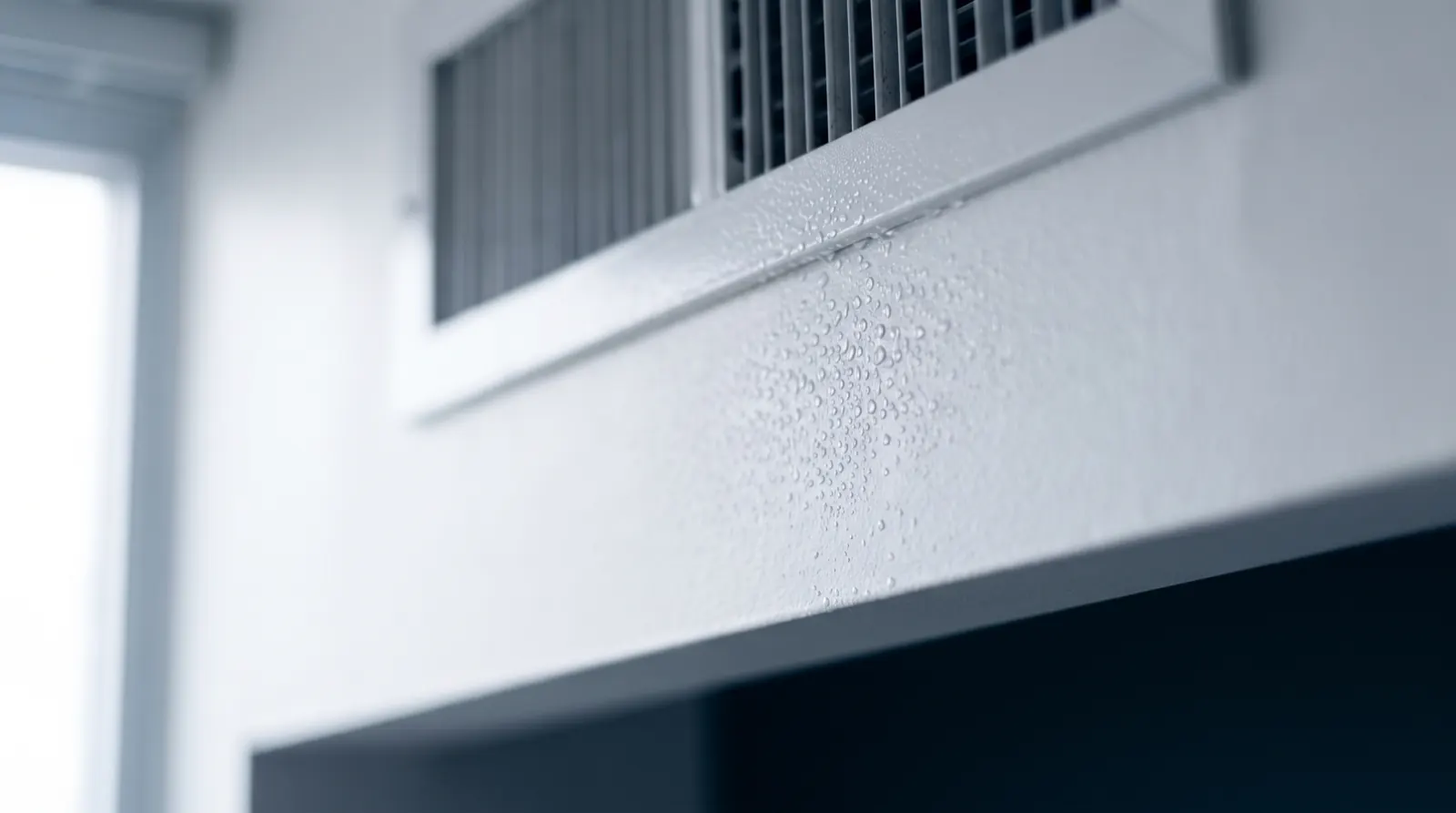
In Florida attics, that moisture usually comes from one of five sources. Roof leaks are the most familiar, including hurricane damage that lets wind-driven rain in long before a stain shows below. Poor ventilation traps humid air. Bath or kitchen fans that vent into the attic instead of outside add more. AC equipment and ductwork in the attic can sweat in the heat, and an air handler's condensate line or drain pan can overflow up there.
The pattern is a clue. Growth spread across much of the roof deck usually points to ventilation or humidity. A concentrated patch usually points to a leak, or to a fan or vent dumping moist air nearby.
Will attic mold go away on its own?
No. When a leak stops or the attic dries out, the growth goes dormant rather than disappearing, and it can start growing again the next time moisture returns: the next storm, a clogged condensate line, or a humid stretch with a bath fan still venting into the attic.
Dormant growth is also still there on the wood. The EPA notes that “Dead mold may still cause allergic reactions in some people, so it is not enough to simply kill the mold, it must also be removed.” That's why the standard approach is removal, not waiting it out or spraying it.
How is attic mold fixed?
In two parts: stop the moisture, then remove the growth. The moisture fix comes first and often belongs to another trade: a roofer for leaks and storm damage, an HVAC contractor for sweating ducts or an overflowing condensate line, or a contractor to vent the fans outside and improve ventilation.
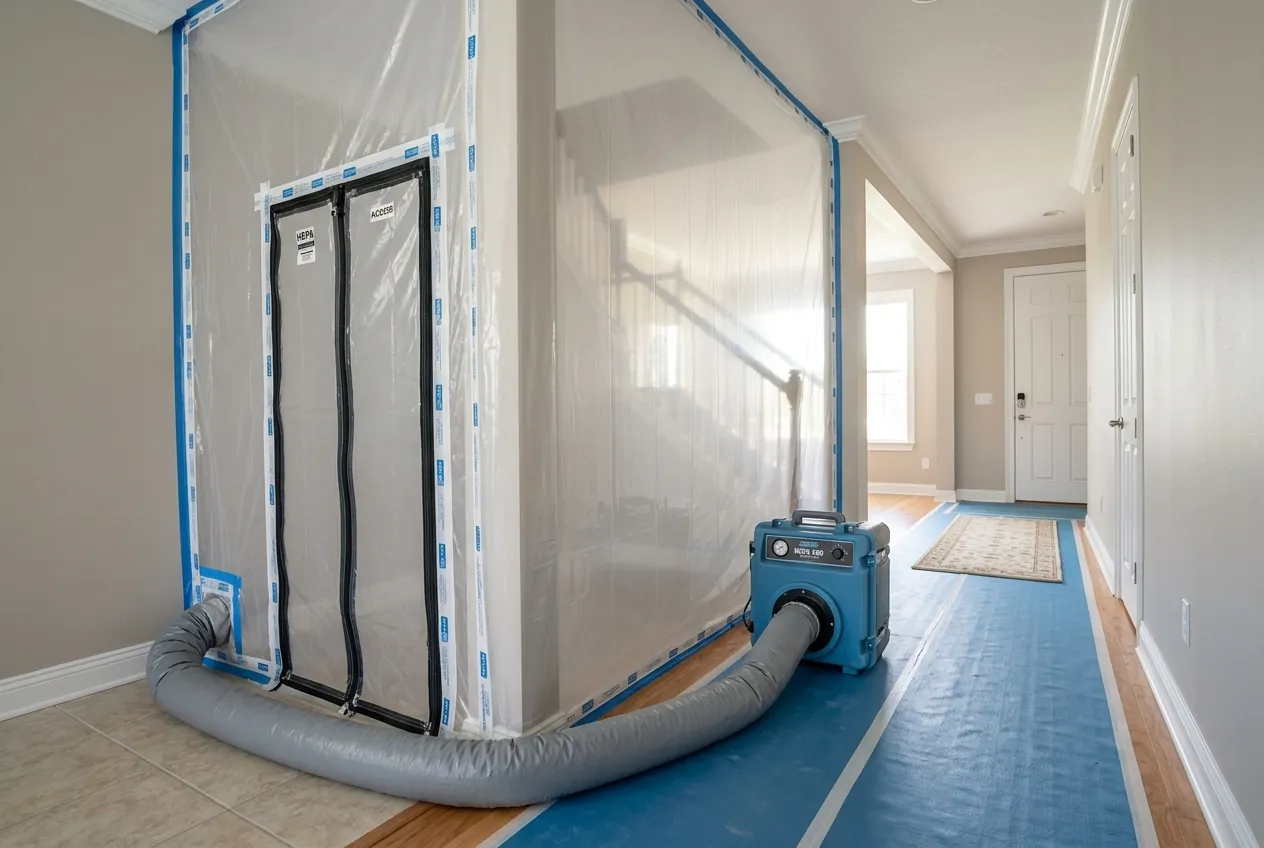
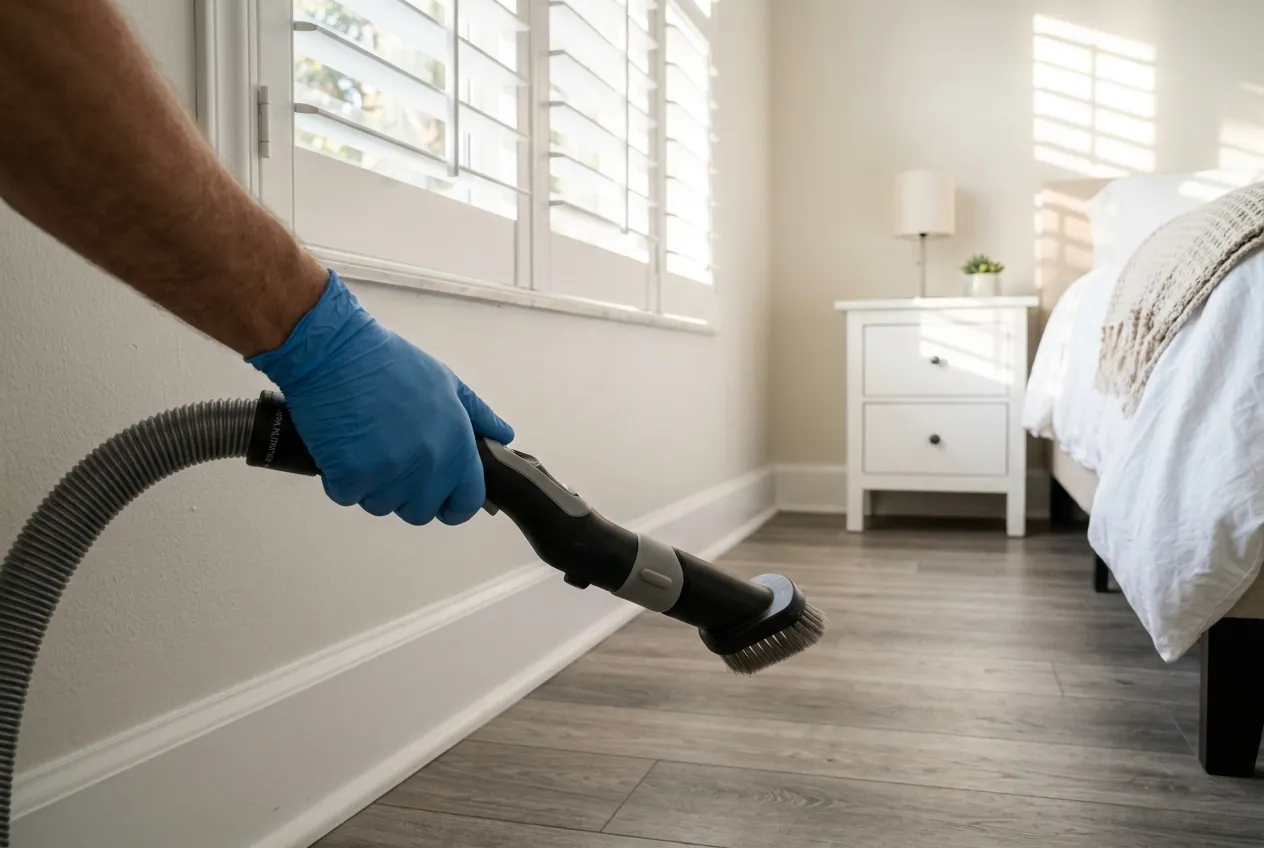
Mold remediation then physically removes the growth. The attic access is sealed so debris doesn't fall into the rooms below, HEPA air scrubbers hold the attic under negative pressure, and the sheathing and framing are sanded or wire-brushed, then HEPA-vacuumed and wiped. Sometimes an encapsulant, a sealant coating, goes on after the wood is cleaned, never in place of cleaning. Spraying or fogging an attic without removing the growth isn't a fix.
Attic insulation can grow mold too. It's porous, so insulation that's wet or moldy is bagged and replaced, not cleaned.
Is attic mold bad?
Active attic mold is a sign of a moisture problem, and that moisture can rot roof sheathing over time, so it's worth fixing. The attic also shares air with the house through gaps around lights, the attic hatch, and ductwork, more so when the air handler or return sits up there. Whether mold is affecting anyone's health is a question for a doctor. Attic mold can smell, too: a musty odor upstairs or near the attic hatch is often what sends people up the ladder.
Old staining on wood that has stayed dry is less urgent. It may be water staining from a past leak or dormant growth, and it's still worth having a licensed assessor check it and document what's there, especially before a sale. Florida sellers generally must disclose known problems that affect a home's value and aren't easy to see. That's general information, not legal advice.
Who fixes mold in an attic?
A licensed mold remediator removes the growth, and the trade that owns the moisture source fixes it. Florida's definition of mold remediation (§ 468.8411) covers work on mold or mold-contaminated matter of greater than 10 square feet. Attic mold is also a poor DIY job. Florida attics get dangerously hot, you're balancing on joists with roofing nails poking through overhead, and sanding or scrubbing throws spores and insulation fibers into the air. The EPA's advice applies: “Avoid breathing in mold or mold spores.”
Sterling's attic mold removal starts with a free on-site estimate from inside the attic and a written, itemized quote. We contain the attic access, run HEPA air scrubbers, bag contaminated insulation, clean the sheathing and framing, and show you the moisture source we found. Roof and HVAC repairs go to those licensed trades. If we remediate, Florida law also bars us from testing our own work, so your clearance comes from an independent assessor.