Short answer
Often, depending on the material. Hard items like glass, metal, and sealed wood can usually be cleaned. Porous items with growth, such as mattresses, upholstered furniture, and cardboard, are often thrown away, and anything soaked by sewage or floodwater usually is. Washable clothes can often be laundered. Irreplaceable papers and photos are worth taking to a specialist.
Updated September 27, 2026
What can be cleaned?
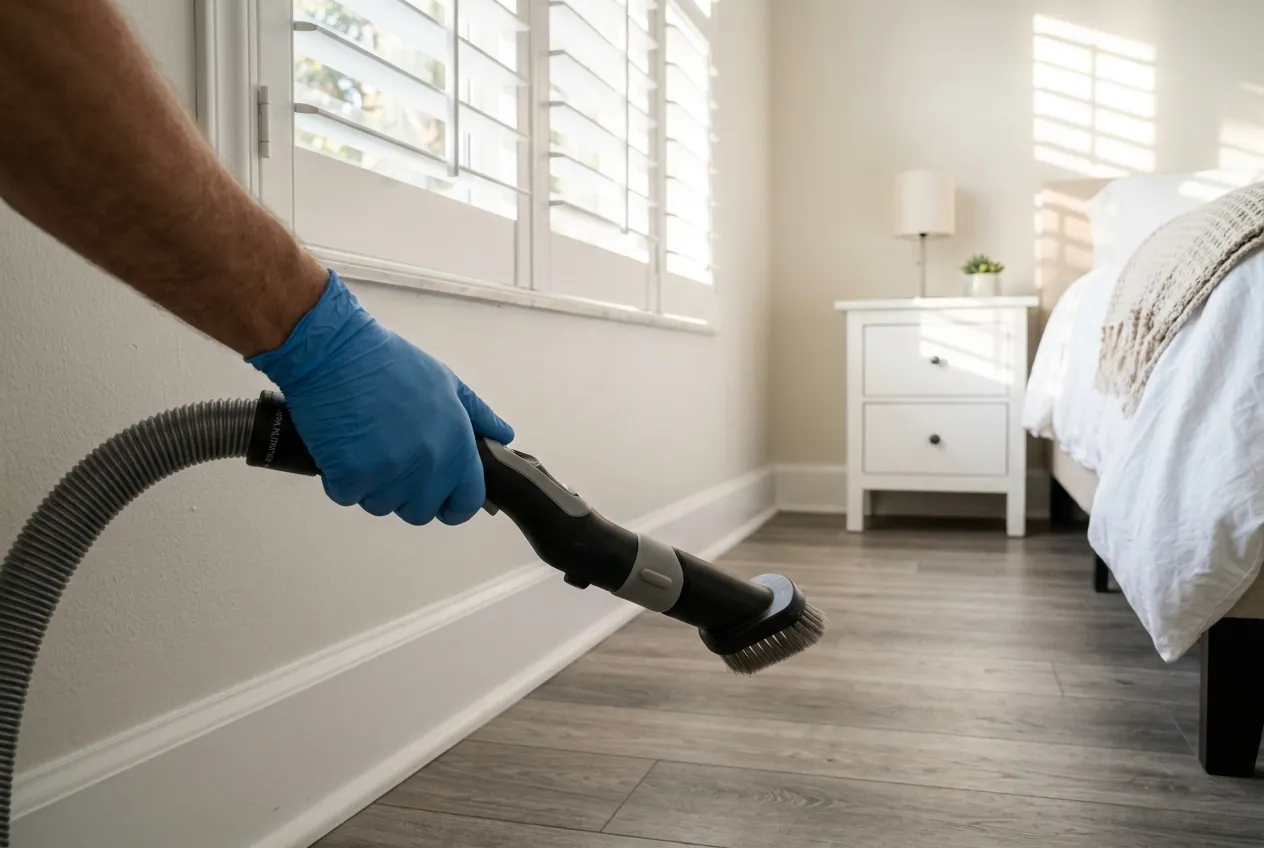
Hard, non-porous items usually can. Glass, metal, ceramics, hard plastic, and sealed or finished wood furniture can be HEPA-vacuumed, damp-wiped, and dried completely. The finish on good furniture keeps growth on the surface, where it can be removed.
Unfinished wood, wicker, and particleboard are harder. Light surface growth can sometimes be cleaned, but swollen particleboard or growth that has soaked into raw wood usually means the piece goes.
Do mattresses and couches have to be thrown out?
Usually, if they have visible growth. Mattresses, upholstered furniture, and cushions are porous, so growth gets into the padding where cleaning can't reach. As the EPA puts it, "Absorbent or porous materials, such as ceiling tiles and carpet, may have to be thrown away if they become moldy." Anything porous that sewage or floodwater soaked should be discarded rather than cleaned.
A piece that sat in a moldy room without growth on it is a different case. It may only need a thorough HEPA vacuuming and cleaning. If anyone in the home has asthma, allergies, or a weakened immune system, ask their doctor before keeping porous items from a moldy space.
Can moldy clothes be saved?
Often, yes. Washable clothes and linens with light growth or a musty smell can usually be laundered, using the warmest water the fabric allows, and dried completely before they go back in a closet. Vinegar and other laundry additives can help with odor, but a full wash and a full dry do the work.
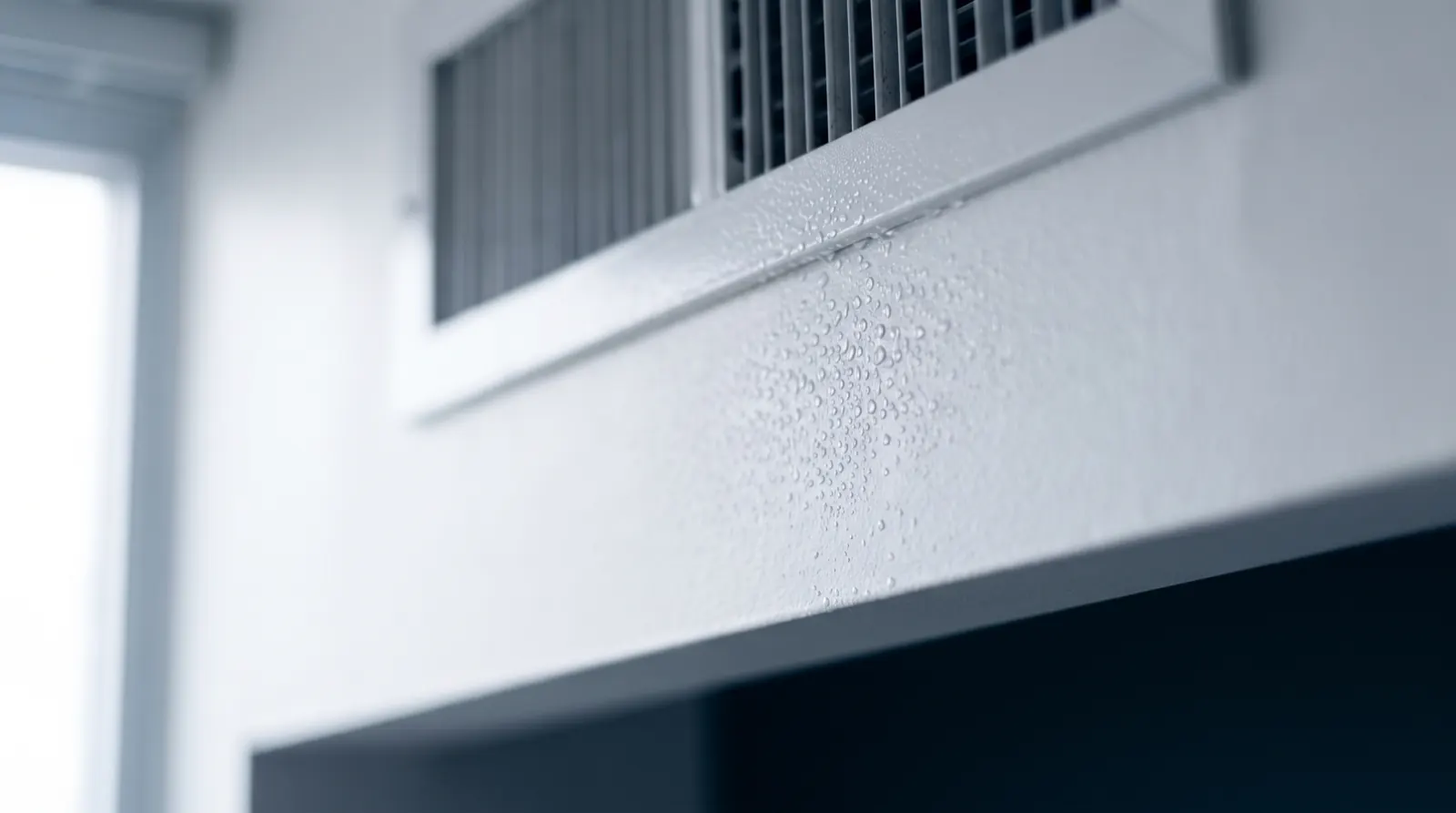
Leather, suede, and dry-clean-only items are harder. Take valuable pieces to a professional cleaner. Then fix the closet: in Florida, clothes grow mold when a closet on an exterior wall stays humid, so the humidity is the real problem.
What about books, papers, and photos?
Paper is porous and hard to save once growth sets in. Ordinary paperwork and paperback books with growth are usually discarded. Irreplaceable documents and photographs are worth taking to a document restoration specialist; wet documents are often stabilized by freezing until they can be professionally dried.
Photograph and list what you discard before it goes, especially if you plan to file an insurance claim.
Should belongings leave the house during remediation?
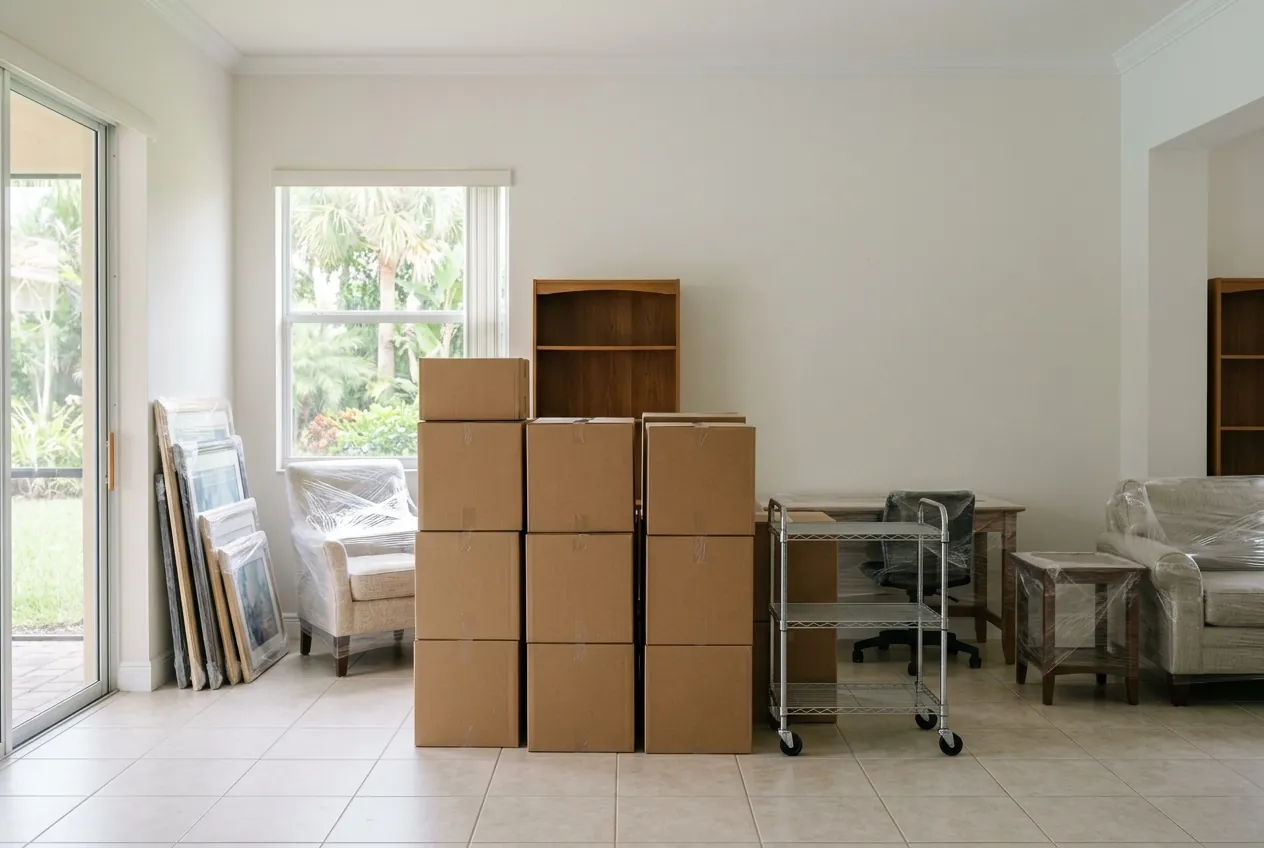
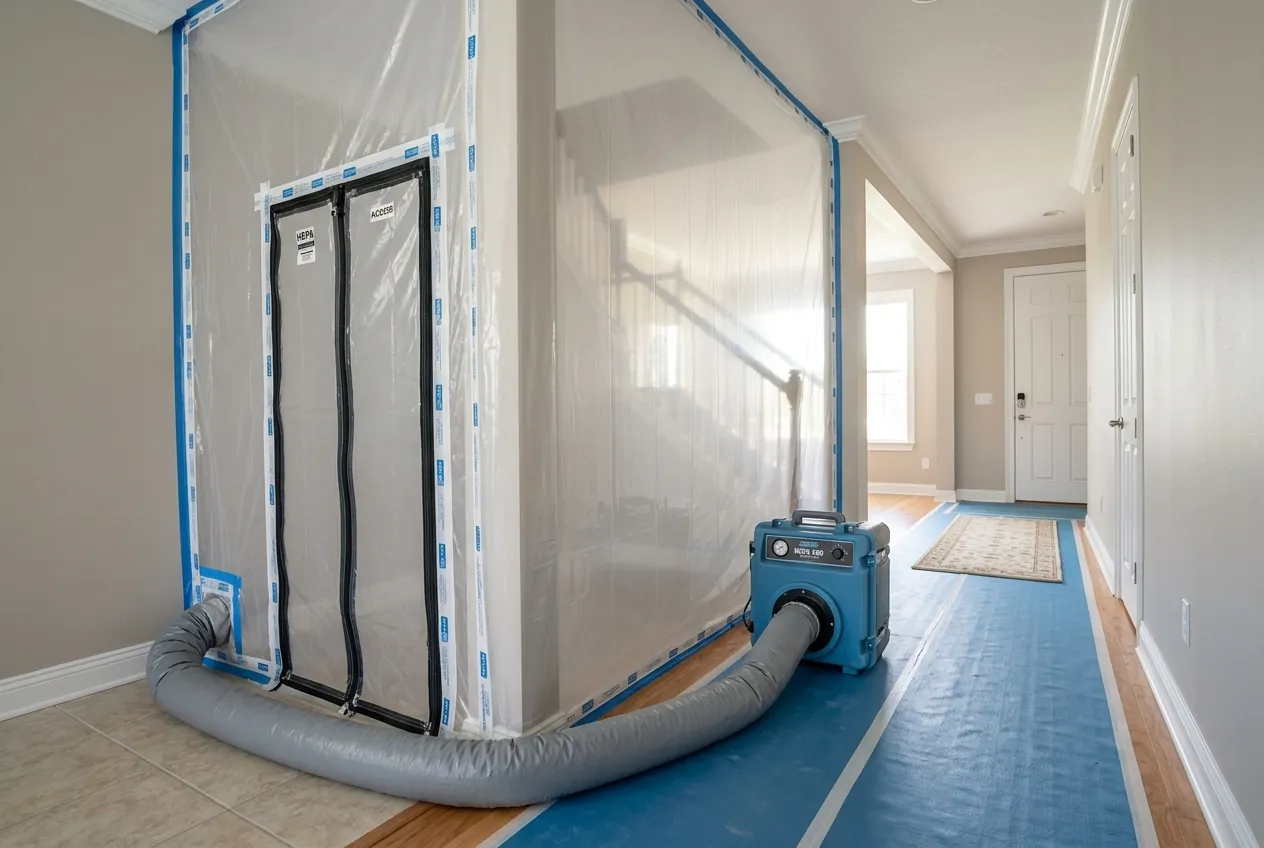
Often, if they're in the way. Moving contents out lets the structure be contained, remediated, or dried properly, and keeps belongings from sitting in a work area. It's called a contents pack-out: items are photographed, inventoried, packed, moved on site or off site, cleaned where they can be, and brought back when the work is done.
Clean items before they go into a clean space, so you aren't carrying spores and dust from one room to the next.
What to do next
Sort into three piles: hard items to clean, porous items with growth to discard, and irreplaceable items for a specialist. Photograph and list everything you throw away. Fix the moisture before anything goes back, or it will grow again.
Sterling's contents pack-out photographs, inventories, packs, and relocates belongings during water and mold jobs, cleans what can be cleaned, and brings it back afterward. Every job starts with a free on-site estimate and a written, itemized quote.
| Item | Usual outcome |
|---|---|
| Glass, metal, ceramics, hard plastic | Clean and dry |
| Sealed or finished wood furniture | Usually cleaned |
| Mattresses and upholstered furniture with growth | Usually discarded |
| Washable clothes and linens | Often laundered and dried completely |
| Leather, suede, dry-clean only | Professional cleaning |
| Cardboard, paperwork, paperback books with growth | Usually discarded |
| Irreplaceable documents and photos | A document restoration specialist |
| Anything porous soaked by sewage or floodwater | Discarded |
General guidance. The material, the amount of growth, and the kind of water decide each item.