Short answer
Water damage falls into three categories under the IICRC S500 standard, based on contamination: Category 1 is clean water from a sanitary source, Category 2 (gray water) is significantly contaminated, and Category 3 (black water) is grossly contaminated, like sewage or floodwater. Clean water can degrade if it sits, and the category shapes what's dried and what's removed.
Updated September 27, 2026
What is Category 1 water?
Category 1 is clean water from a sanitary source, such as a broken supply line or an overflowing sink. Under the S500 standard, it poses no substantial risk if it's handled promptly. The key word is promptly: clean water doesn't stay clean for long once it sits on floors and soaks into walls.
What is Category 2 water (gray water)?
Category 2, often called gray water, carries significant contamination: the S500 standard describes it as water that could cause illness if someone touches or swallows it. Typical sources are washing machine or dishwasher discharge and a toilet overflow with urine but no feces.
Is gray water sewage? Not in water damage terms; sewage is Category 3. Is gray water dangerous? It's not something to handle bare-handed or let children and pets near. Wear gloves, keep it off your skin, and expect more of what it soaked to be removed than after a clean-water leak.
What is Category 3 water (black water)?
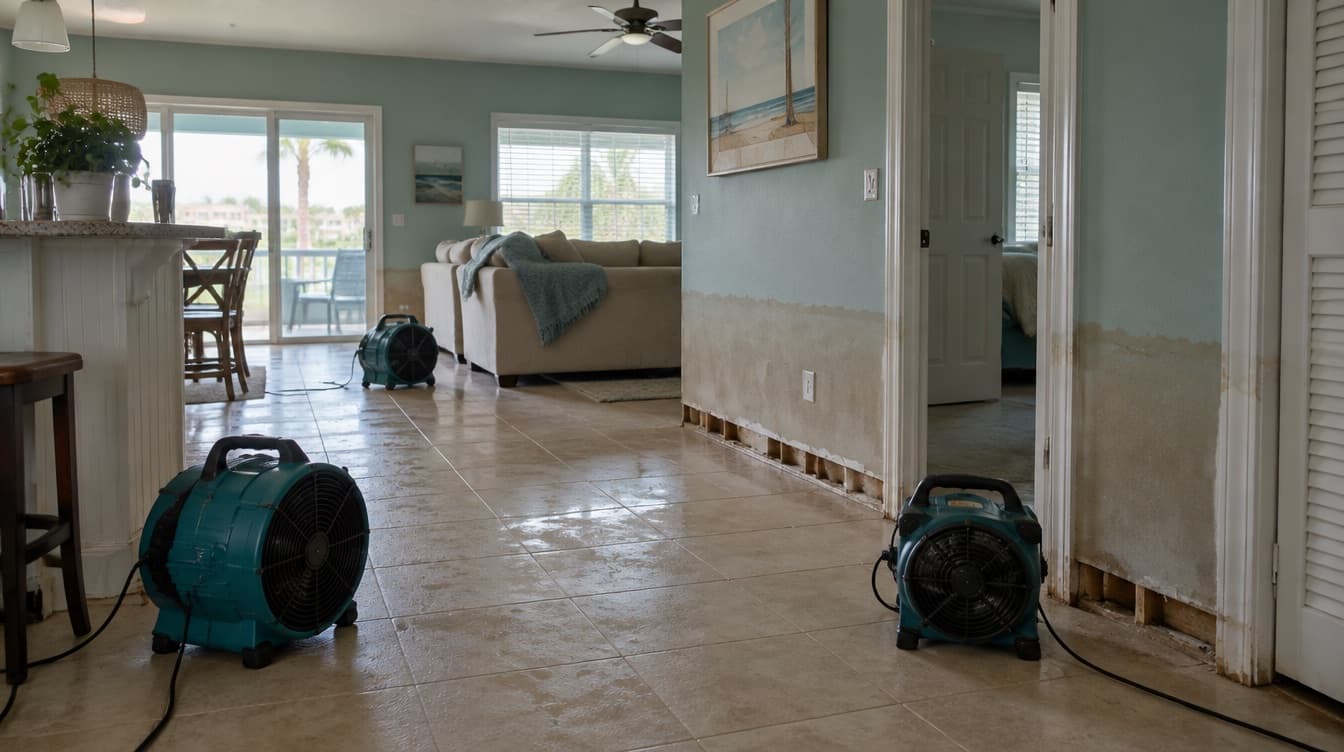
Category 3, often called black water, is grossly contaminated and may carry pathogens. It includes sewage, toilet backflow from beyond the trap, and rising floodwater from rivers or the sea, including storm surge. In Florida, that last part matters: floodwater that rose into a home from outside is Category 3 even when it looks clear.
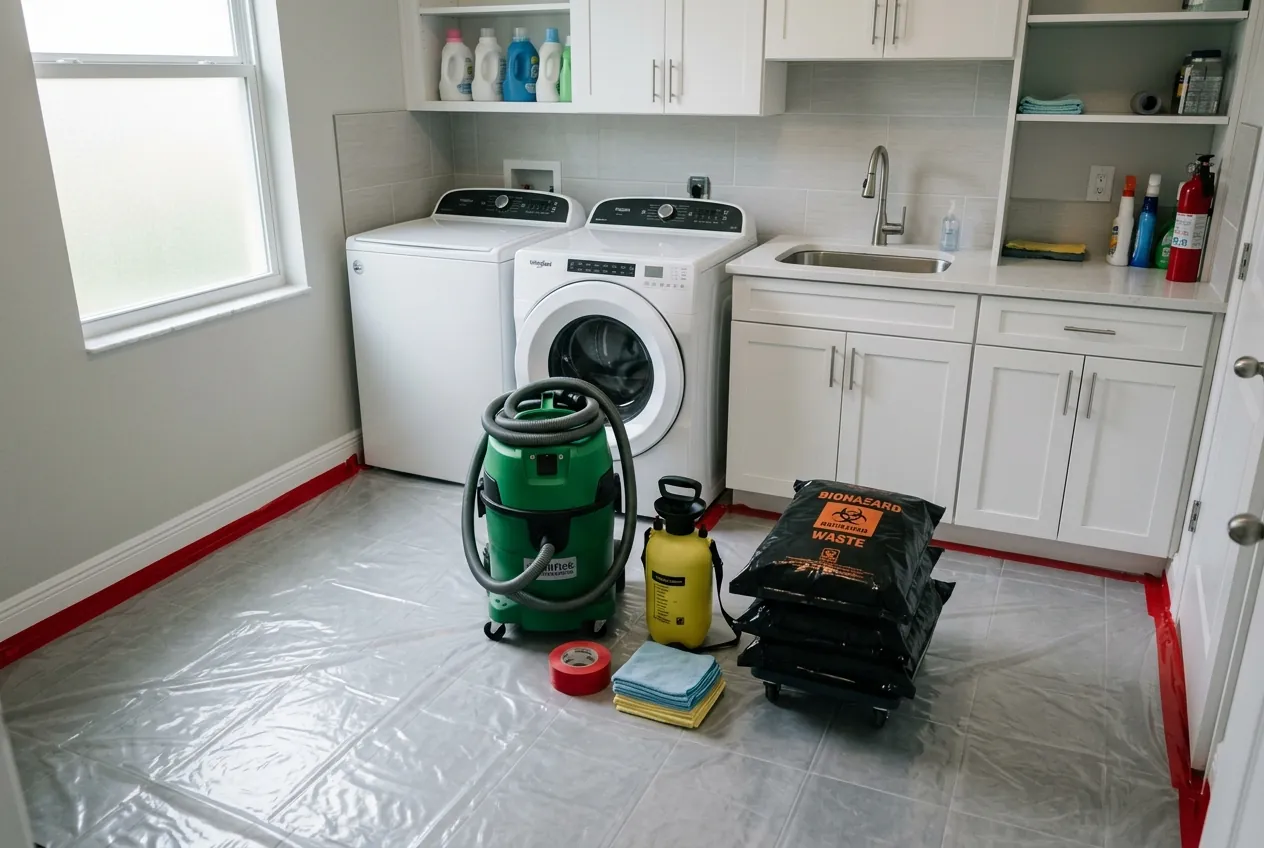
Is black water sewage? Sewage is black water, but not all black water is sewage. What does Category 3 water damage mean for the house? Porous materials it soaked, like carpet, pad, drywall, and insulation, are removed rather than dried, the work is done with protective equipment and containment, and what stays is cleaned and treated before drying.
Can the category of water damage change?
Yes. Clean water that sits in a warm house picks up contamination from the materials, dust, and microbes it touches, so over time Category 1 can degrade to Category 2 or 3. Water can also get worse on its way to you if it passes through contaminated materials, such as soil or a soiled carpet. That's one more reason to find the source early and start drying fast.
What's the difference between categories and classes?
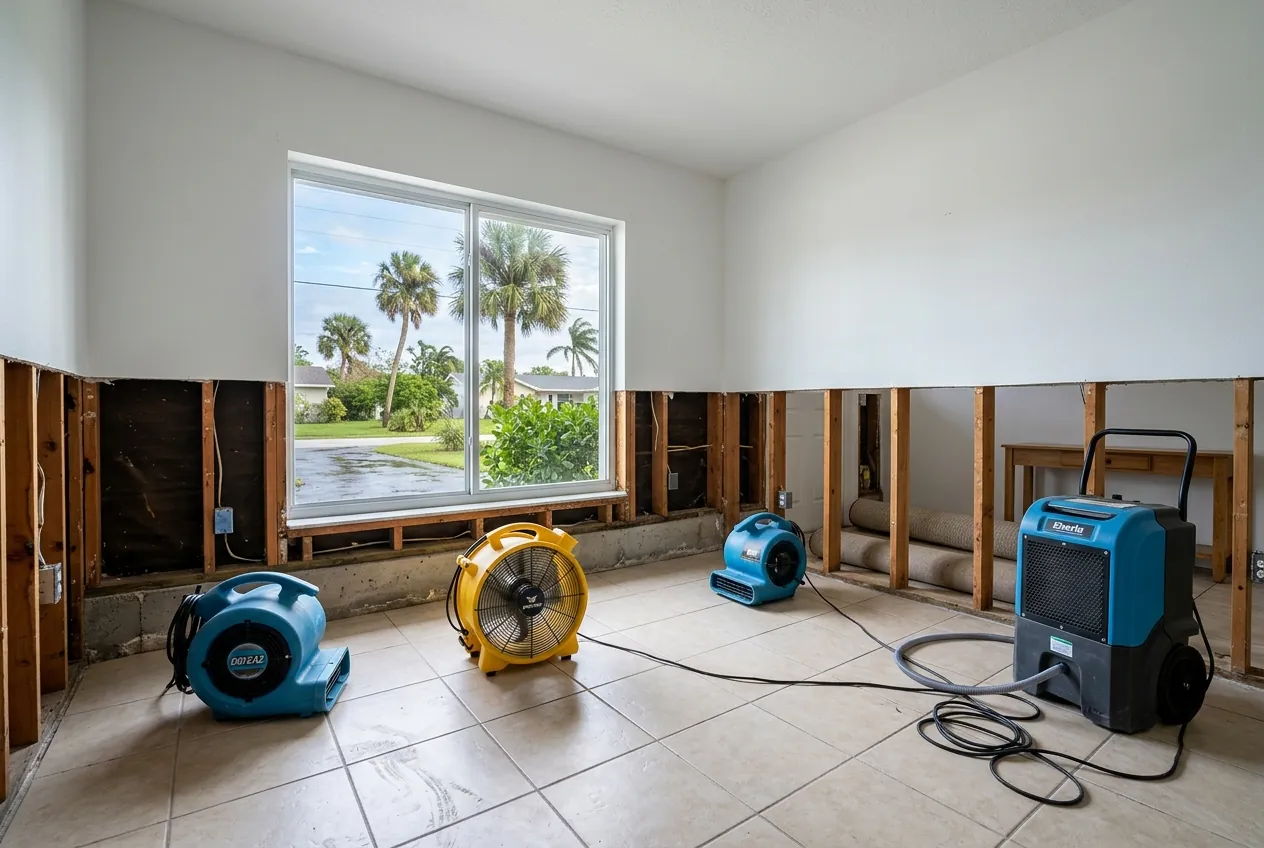
Categories describe how contaminated the water is. Classes, numbered 1 to 4, describe how much water the materials absorbed and how hard the space will be to dry. Class 1 involves little absorbed water; Class 4 means dense materials like hardwood, plaster, or concrete that need specialty drying. Every job has both, so a clean supply-line leak that soaked a hardwood floor can be Category 1 and Class 4 at once.
Why the category matters, and what to do next
The category drives the job. Along with the type of material, it decides what can be dried in place and what comes out, what protective equipment the crew wears, whether the area is contained so contamination isn't tracked through the house, and what gets documented. Getting it wrong costs you either way: treating sewage like a clean leak leaves contamination behind, and treating a clean leak like sewage tears out materials that could have been saved.
If you don't know where the water came from, treat it as contaminated until someone identifies the source, keep children and pets away, and photograph it before anything is moved. When Sterling responds, we identify the source and category first, record them, and follow the IICRC S500 procedures for that category.
| Category | What it means |
|---|---|
| Category 1 (Clean water)Typical sources: a broken supply line, an overflowing sink. | Sanitary source; low risk if handled promptly, but it can degrade |
| Category 2 (Gray water)Typical sources: washing machine or dishwasher discharge, a toilet overflow with urine but no feces. | Significant contamination; could cause illness if touched or swallowed |
| Category 3 (Black water)Typical sources: sewage, toilet backflow from beyond the trap, rising floodwater from rivers or the sea, storm surge. | Grossly contaminated; may carry pathogens |
Paraphrased from ANSI/IICRC S500, the Standard for Professional Water Damage Restoration. Classes 1 to 4 are a separate scale for how hard the materials are to dry.