Short answer
Yes. Treat a sewage backup as unsafe to handle without protection: sewage is Category 3 water under the IICRC S500 standard, grossly contaminated and able to carry bacteria and viruses. Keep people and pets away, stop running water and flushing, and ask a doctor about any exposure. Carpet, pad, and drywall it soaked have to be removed.
Updated September 27, 2026
Why is sewage treated as dangerous?
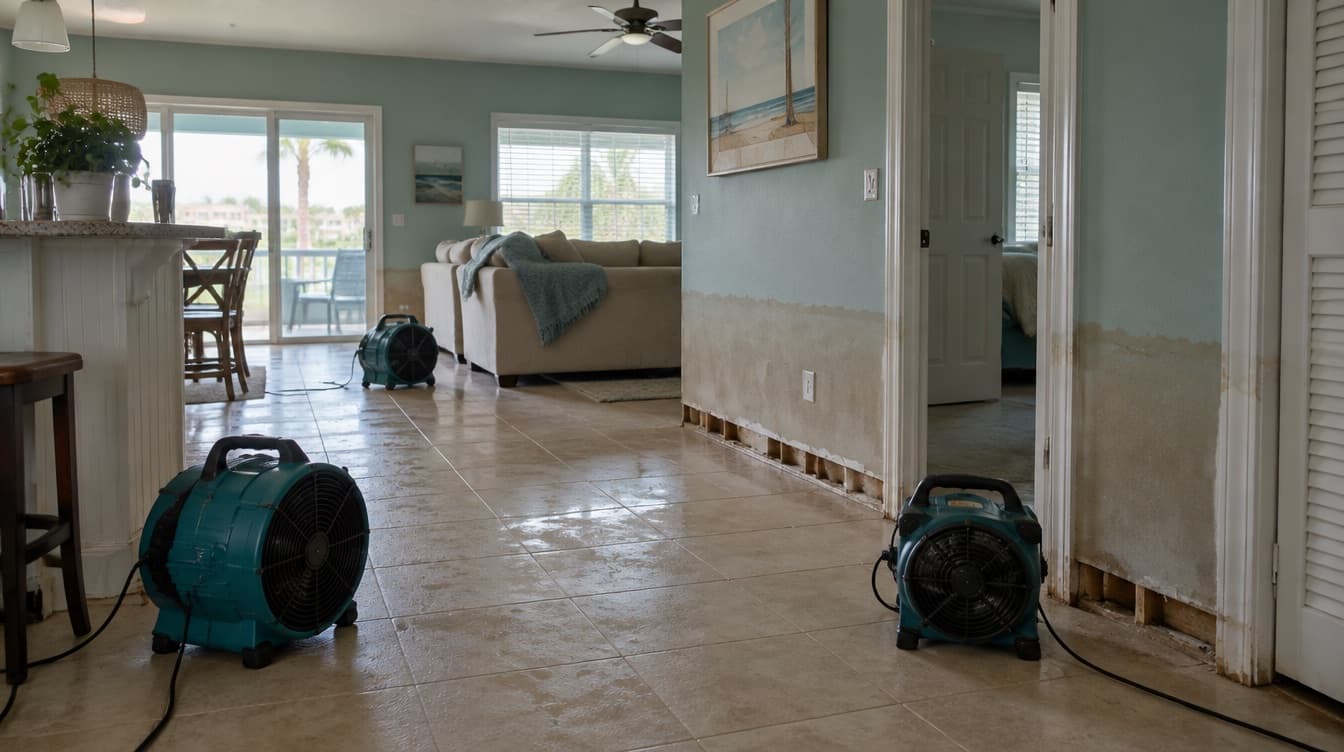
Because sewage is Category 3 water: grossly contaminated, and able to carry bacteria and viruses. That's why cleanup crews wear protective equipment, and why porous materials it soaks, like carpet, pad, drywall, and insulation, are removed instead of dried. The concern isn't only the puddle you can see. It's everything the water touched and everything it wicked into.
If anyone was exposed, or if someone in the home is pregnant, has a weakened immune system, or has asthma or other health concerns, ask a doctor before staying near the affected area or helping with cleanup. Keep infants and pets well away.
What should you do right after a sewage backup?
Keep people and pets out of the affected area. Stop using water: don't flush, run the dishwasher or washer, or shower, because water that goes down a drain can come right back up. Don't walk through it and then through the rest of the house, and keep the doors to the area closed. If water reached outlets or cords, stay out and have the power to that area shut off.
Call a licensed plumber to clear the blockage, and photograph everything before cleanup starts. If you plan to file a claim, call your insurer.
What causes a sewage backup?
Most backups start with a blockage in the line between the house and the sewer main: grease poured down the kitchen drain, wipes and paper towels flushed down toilets, or tree roots growing into the pipe. Some start outside the house. During heavy rain, the city sewer can surcharge, meaning the main is overloaded and sewage pushes back up into homes on the line. On septic, a full tank or a drain field that can't absorb water when the ground is saturated can send wastewater back inside.
Can sewage back up into a sink or shower? Yes. It comes out of the lowest drain first, which in a single-story, slab-on-grade Florida home is often a shower or tub. Gurgling toilets or several slow drains at once can be an early warning of a main-line clog.
Is it bad to smell sewage in your house?
It means something needs fixing, but it usually isn't a backup. A working plumbing system keeps sewer gas out: each drain has a trap that holds water as a seal, and vents carry the gas out through the roof. A rotten-egg sewer smell with no visible water usually means a dry trap in a rarely used drain, like a guest shower, or a venting problem. Running water in unused drains refills the traps; if the smell persists, a plumber can find the cause, including a loose toilet seal.
If the smell is strong or anyone feels unwell, open windows, step outside, and call a plumber; ask a doctor about symptoms. One caution: if your home has natural gas or propane, a rotten-egg smell can also mean a gas leak. Leave, and call the gas company or 911 from outside.
How can you prevent a sewer backup?
Keep grease out of drains, flush only toilet paper, and have a plumber check the line if drains are often slow or trees grow near the sewer pipe. On septic, keep up with pumping and inspections. Backwater valves also exist: they let wastewater leave the house but block it from flowing back in. Whether one suits your home, and what permits it needs, is a question for a licensed plumber.
Who cleans up a sewage backup?
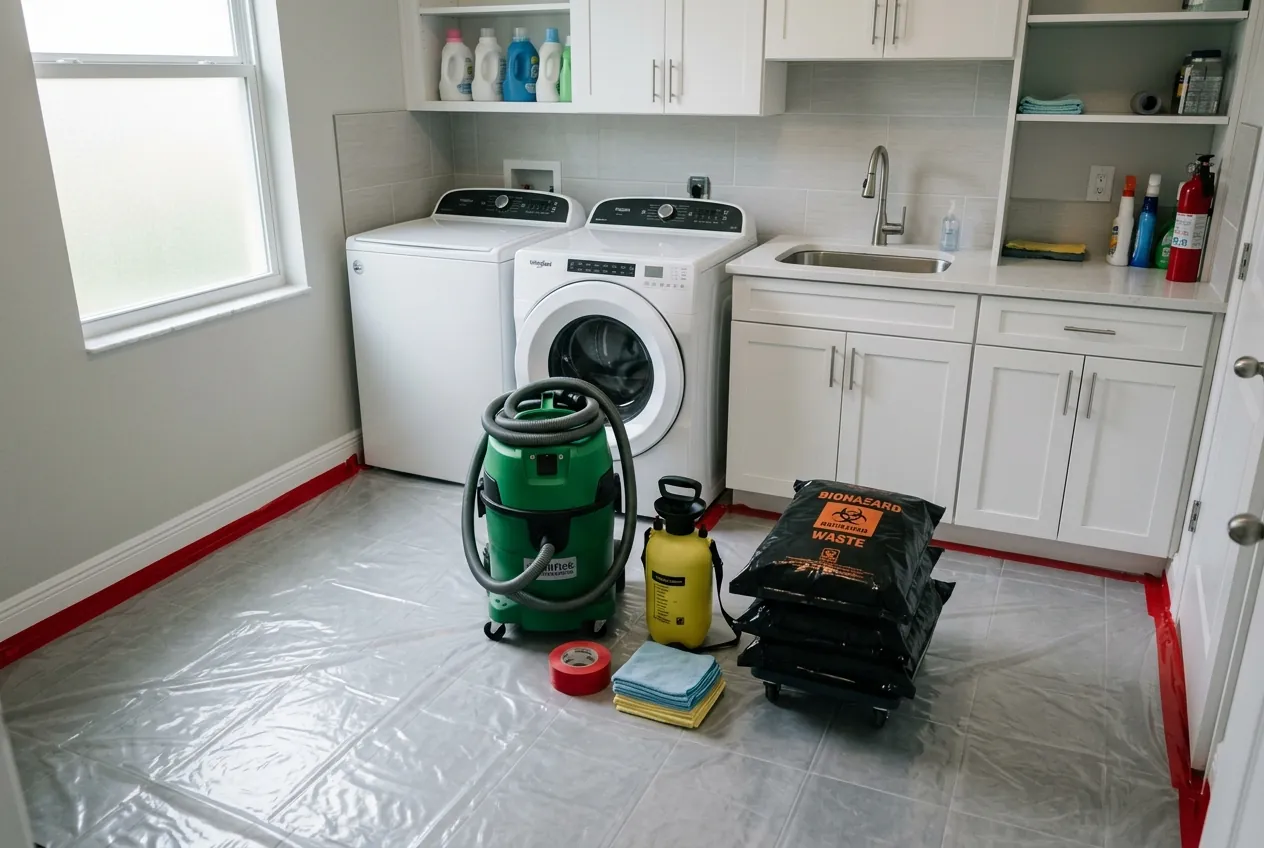
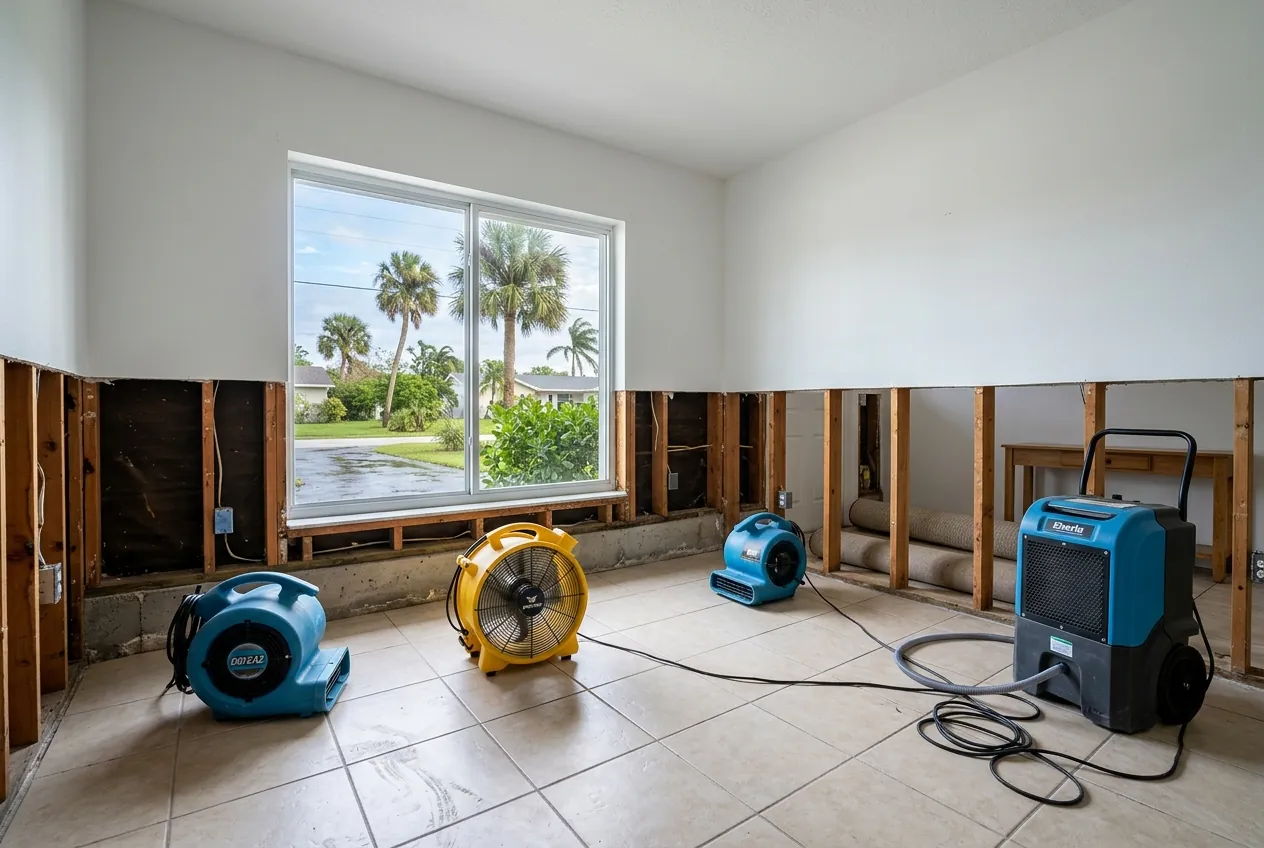
A licensed plumber clears the blockage, and a water damage company that follows Category 3 procedures cleans up the house. That cleanup means containing the area, removing the sewage, removing and bagging the porous materials it soaked, cleaning the hard surfaces that stay and treating them with an antimicrobial, then drying the structure with daily moisture readings, documented with photos throughout.
Can you clean it up yourself? A clean-water toilet overflow on tile can usually be wiped up and disinfected. Once waste is involved, or the water came back up from the drain line, it's Category 3, and the porous materials it reached usually have to come out.
Sterling handles sewage cleanup every day from 7 AM to midnight across St. Lucie, Martin, Indian River, and Palm Beach counties, following IICRC S500 Category 3 procedures. Every job starts with a free on-site estimate and a written, itemized quote.