Short answer
Water mitigation is the emergency work that stops water damage from spreading (extraction, removal of what can't be saved, and drying), while water damage restoration is the repair phase that follows: putting back drywall, flooring, and cabinets. Mitigation should start right away; the EPA advises drying water-damaged areas within 24 to 48 hours to prevent mold growth.
Updated September 27, 2026
What does water mitigation mean?
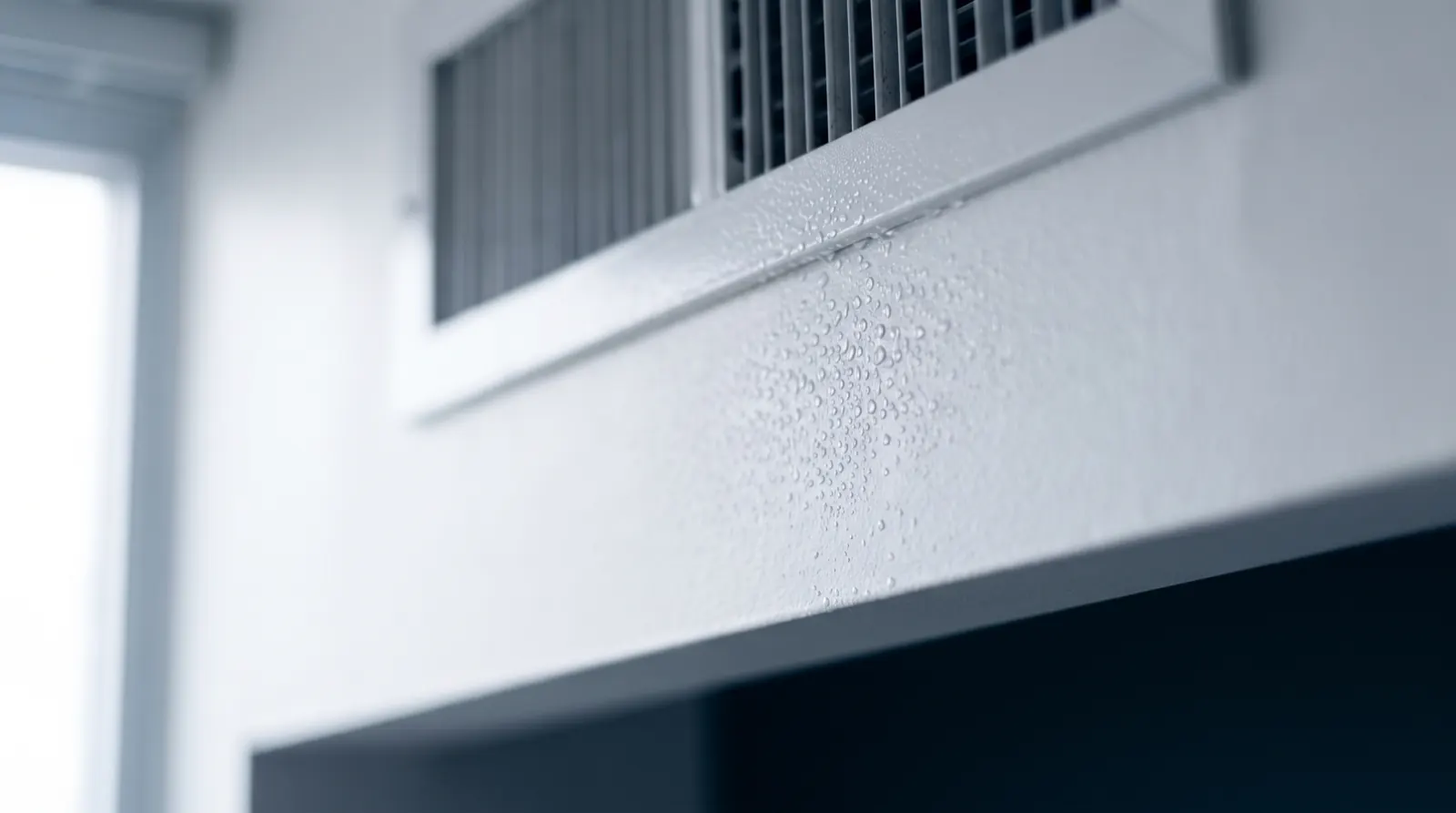
Water mitigation means keeping water damage from getting worse. It's the emergency phase of a water loss, and it starts as soon as someone finds the water, whether it came from a burst supply line, an AC condensate leak, a roof leak, or a storm. The goal is to get the water out and the structure dry before wet materials swell, come apart, or start growing mold.
What is water extraction? It's the first step of mitigation: pulling standing water out of floors, carpet, and pad with pumps and extraction equipment. Extraction (water removal) takes out the most water the fastest, but only the water you can see. Drying handles the moisture left inside drywall, framing, cabinets, and the slab.
What do water mitigation companies do?
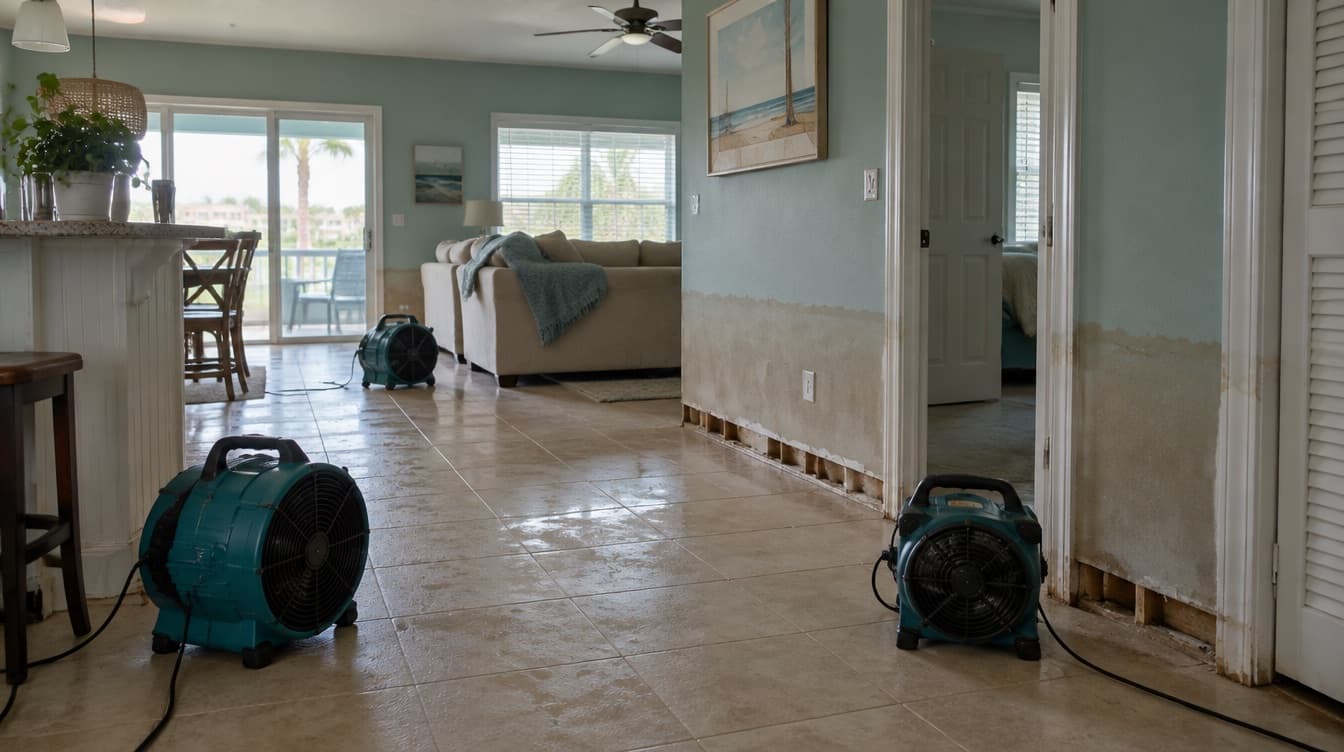
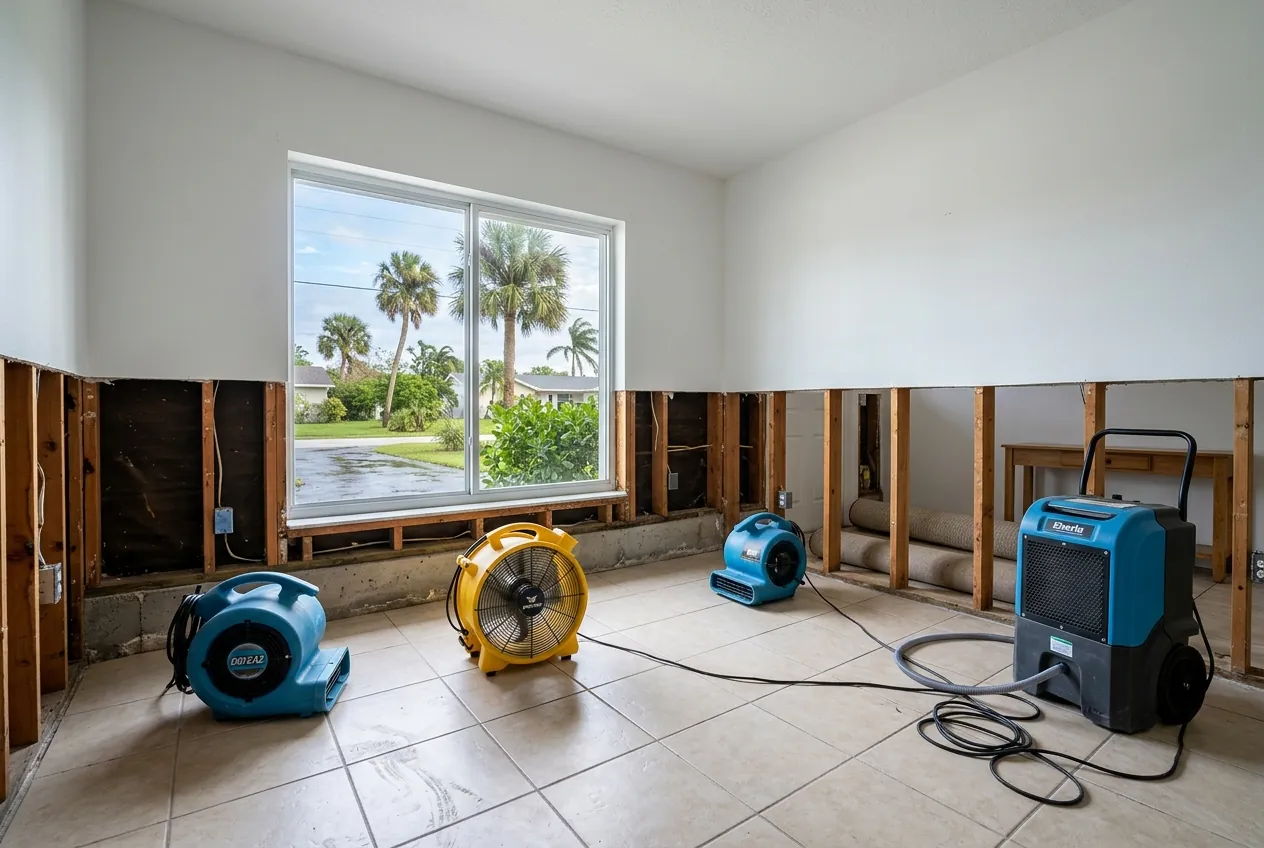
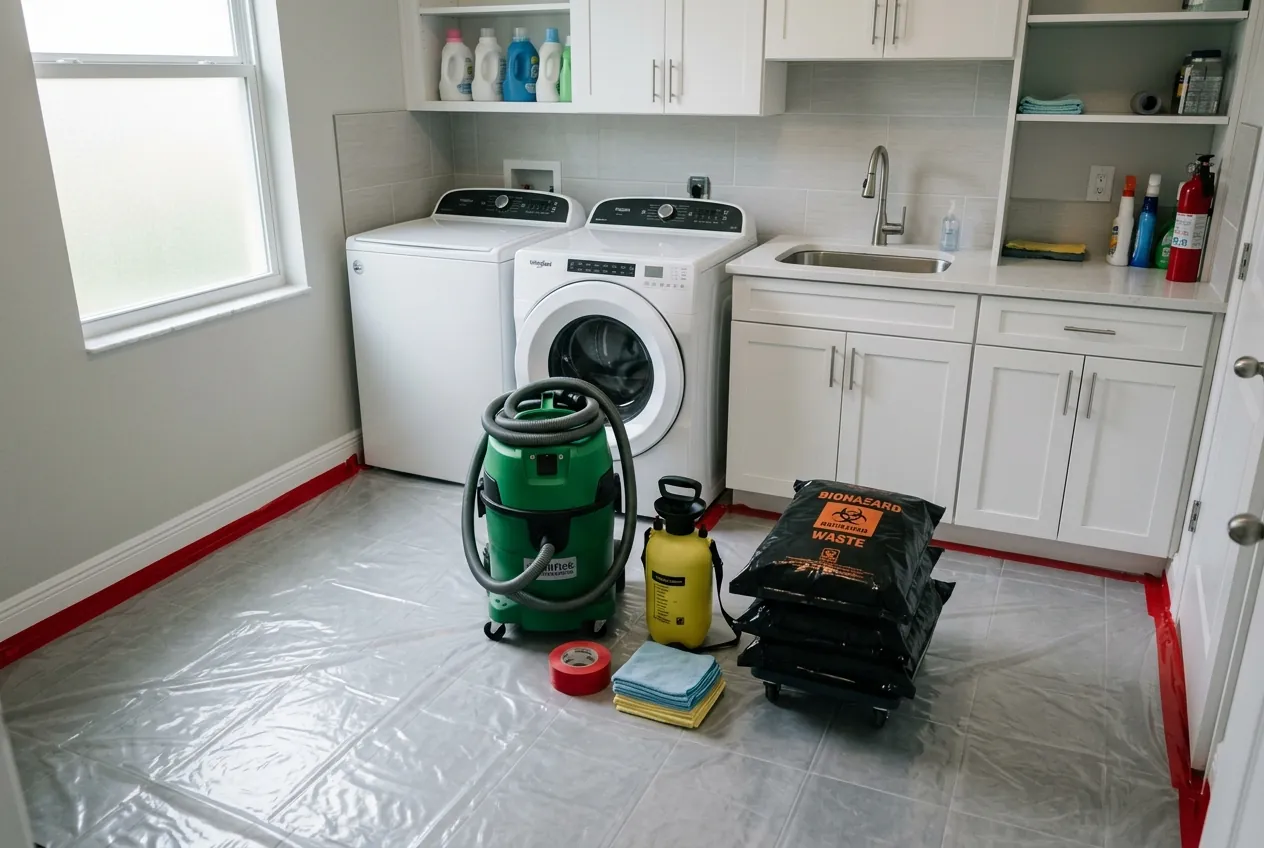
A water mitigation company gets the water out and dries the building. On a typical job, that means confirming the source is stopped, extracting standing water, and mapping where the water went with moisture meters and thermal imaging. Materials that can't be saved come out, such as saturated carpet pad and swollen baseboards, and drywall is cut where a wall cavity needs to dry. Then dehumidifiers and air movers go in, placed for the rooms and materials involved.
After that comes monitoring. Moisture is read every day, and the equipment comes out when the wet materials match the same materials in a dry part of the house, a benchmark called the dry standard. The work is documented along the way: photos before anything is removed, a moisture map, and daily drying records. Fixing the leak itself is a job for a plumber, roofer, or appliance technician.
What does water damage restoration include?
In the strict sense, restoration is the repair phase: putting the house back once it's dry. Depending on what was removed, that can mean new drywall, texture and paint, baseboards, flooring, and cabinets. It's construction work, handled by a general contractor or a restoration company with a rebuild crew.
Is water mitigation considered restoration? In everyday use, the terms overlap, and many companies, Sterling included, offer mitigation under the name "water damage restoration." In industry terms, mitigation is phase one, restoration is phase two, and different companies often handle each. Ask which phases an estimate covers, so you know whether rebuild is included or a separate contract.
Is water mitigation necessary?
If water soaked into drywall, flooring, cabinets, or a wall cavity, yes. A small spill on tile that you wiped up right away doesn't need a company. Water that sat, spread under flooring, or wicked up a wall has to be extracted and dried on purpose, and measured until it's done. The EPA is direct about the timing: "It is important to dry water-damaged areas and items within 24-48 hours to prevent mold growth." In a humid Florida house, that window is real.
Waiting has another cost: every day the materials keep soaking, the damage and the drying job both get bigger.
How long does water mitigation take?
Drying often takes several days, and it ends when the readings say dry, not on a fixed schedule. Extraction and removal happen first, as soon as the crew and equipment arrive. After that, the pace is set by how much water there was, how long it sat, which materials got wet, and whether wall cavities have to be opened. A leak caught within hours dries faster than a house that sat wet over a long weekend.
Restoration waits for the readings. Closing a wall over wet framing traps the moisture inside, which is how a water loss turns into a mold problem.
What to do next
Stop the water at the fixture valve or the main shutoff. If water reached outlets or light fixtures, stay clear and have the power to that area shut off. Photograph everything before anything is moved or thrown out. If you plan to file a claim, call your insurer, then get the drying started instead of waiting. When repairs begin, don't let anyone close up walls until the readings confirm dry.
Sterling handles the mitigation side: water extraction, drying, and cleanup from Vero Beach to Boca Raton, every day from 7 AM to midnight, following IICRC S500. We don't do structural repairs or rebuild, so a contractor handles that phase. We document the job with photos, moisture readings, and daily drying records that your contractor and your adjuster can both use.