Short answer
Drying a house after water damage often takes several days, but there's no fixed schedule: it's done when moisture meters show the wet materials match the same materials in a dry part of the house, not when they feel dry. Time depends on how much water, how long it sat, which materials got wet, humidity, and equipment.
Updated September 27, 2026
What decides how long drying takes?
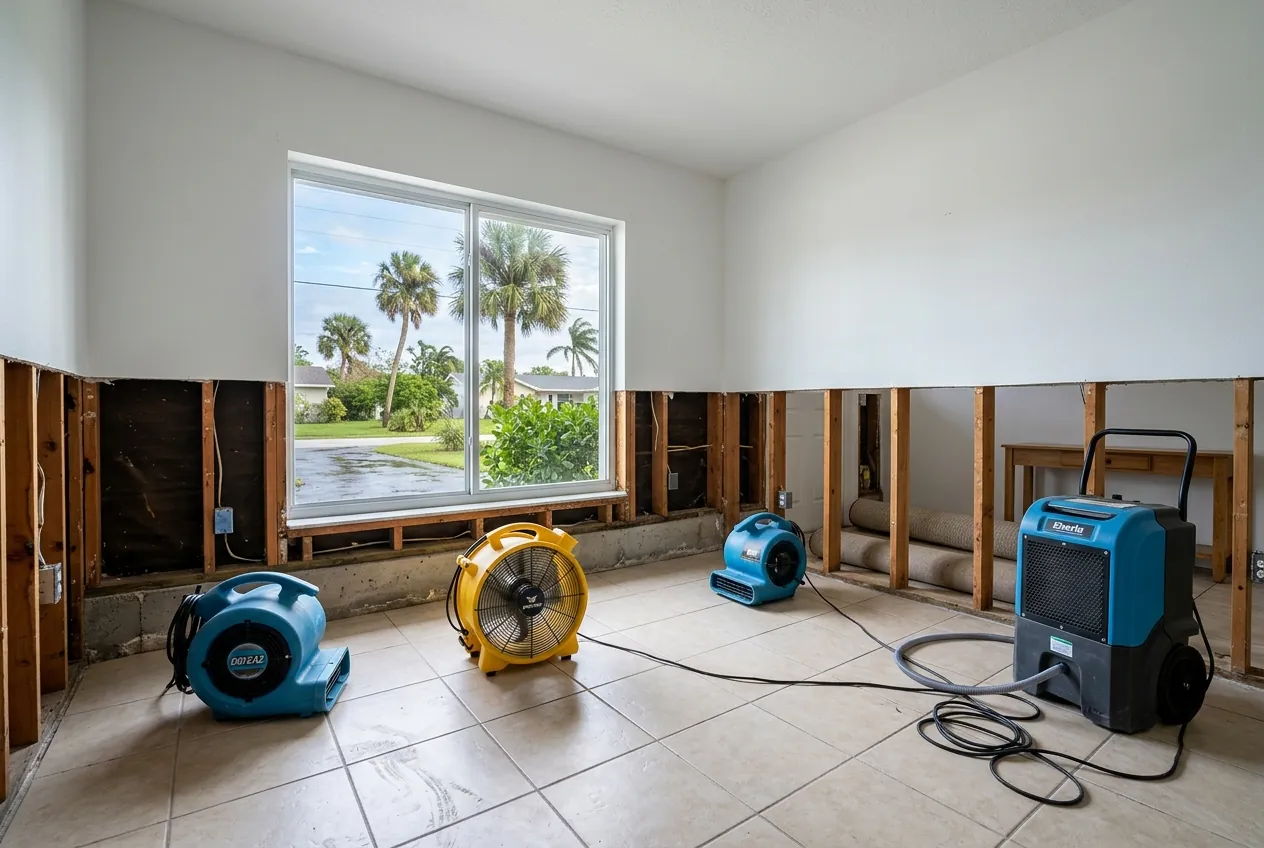
Five things set the timeline. The first is the materials. The IICRC S500 standard sorts water losses into Classes 1 to 4 by how much water was absorbed and how hard the materials are to dry, and Class 4 covers dense materials like hardwood, plaster, and concrete that need specialty drying. The second is how much water there was and how long it sat, because standing water keeps wicking up walls and spreading under flooring.
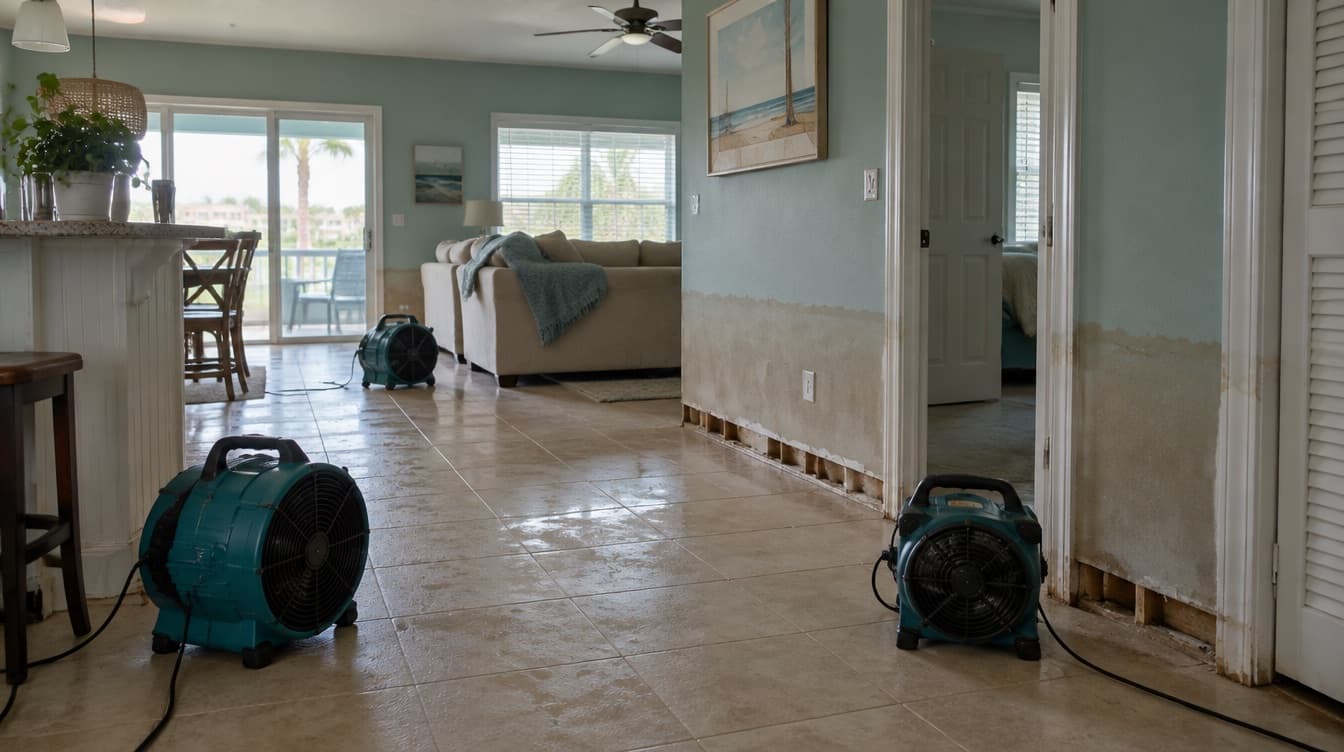
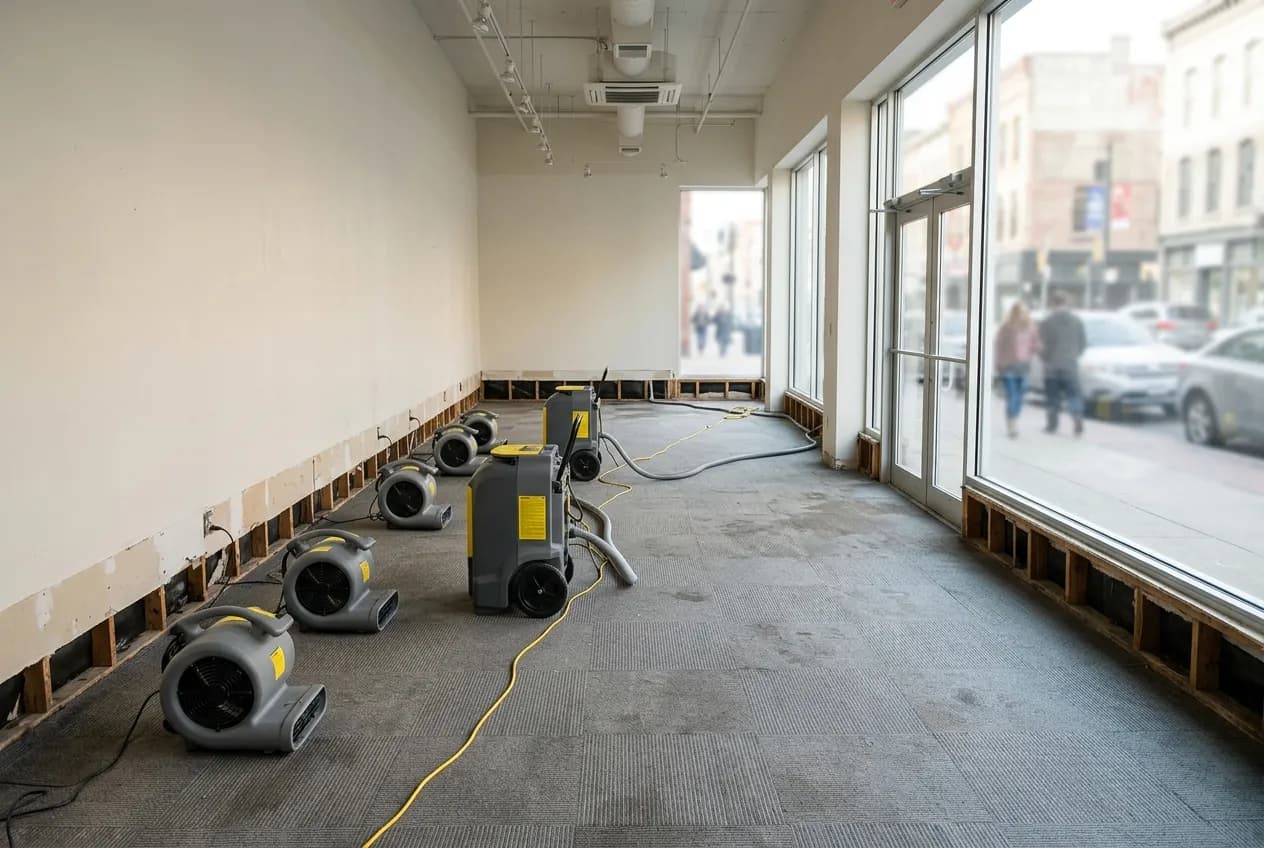
The third is humidity: materials only give up moisture to drier air, and Florida air is rarely dry. The fourth is access. A closed wall cavity with wet insulation inside dries very slowly, which is why baseboards are pulled or drywall is cut. The fifth is equipment: restoration-grade dehumidifiers and air movers, sized and placed for the rooms involved. In a slab-on-grade home, water trapped under flooring sits on concrete, which gives up moisture slowly.
Will wet drywall dry out on its own?
In a Florida house, usually not well enough. Drywall (sheetrock) wicks water above the visible waterline, paint slows evaporation from the face, and the back of the board sits in a closed wall cavity where the air barely moves. A room can feel dry while the bottom of the wall is still wet inside, and that hidden moisture is where mold tends to start.
How long does drywall take to dry? Lightly wet drywall with good airflow and dehumidification can dry in a matter of days. Drywall backed by wet insulation in a closed cavity may not dry until the wall is opened. Readings, not the calendar, tell you which one you have.
Will a ceiling leak dry on its own?
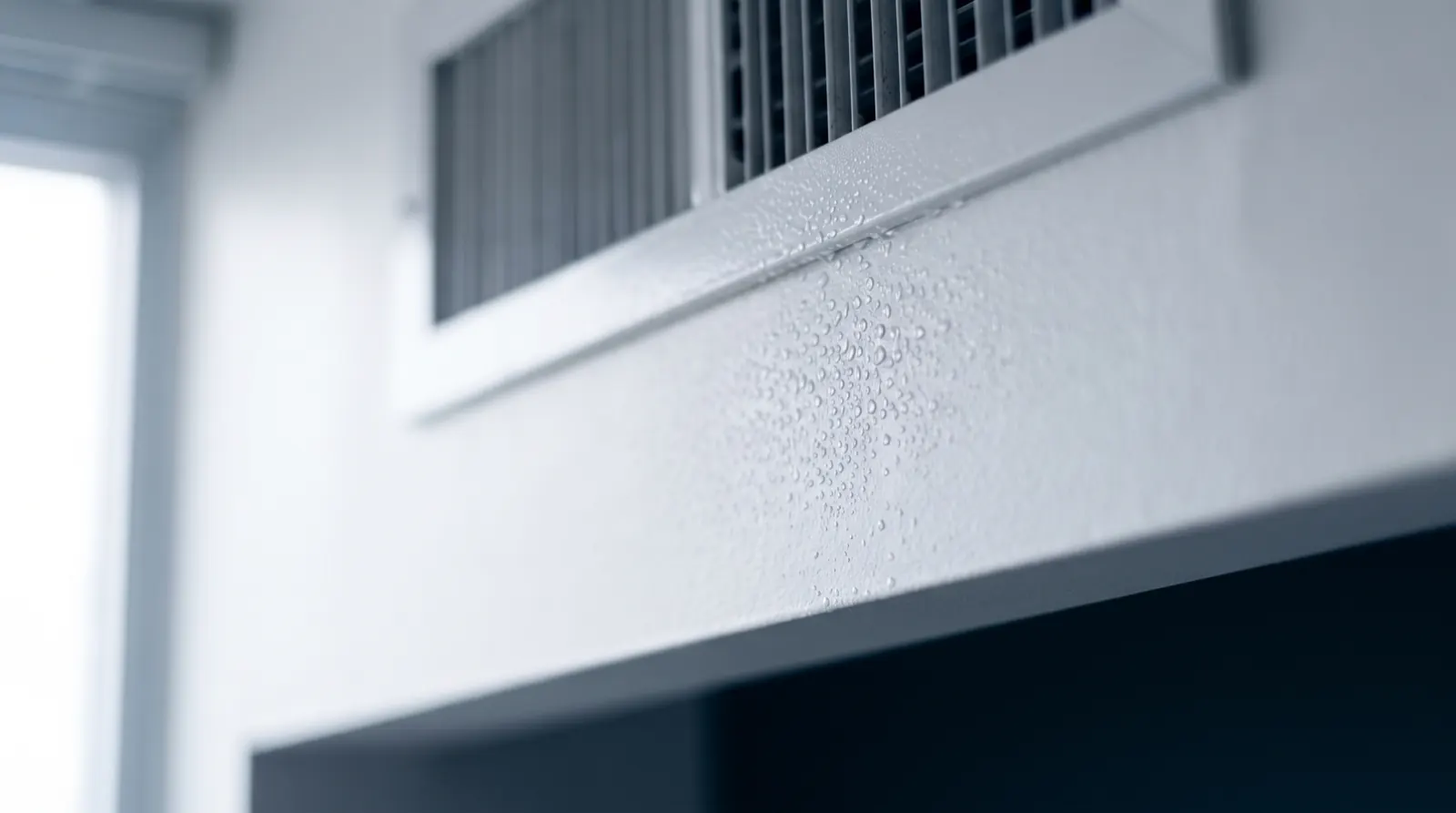
A small stain from a brief drip may, but you can't tell from below whether the drywall and insulation above it are still wet. In many Florida homes the ductwork, and sometimes the air handler, runs through the attic, so an AC condensate overflow or a roof leak soaks the insulation lying on the ceiling and holds water against the drywall. Check from the attic side or with a moisture meter before calling it done.
A sagging or bulging ceiling is a different situation. Saturated ceiling drywall can come down, so keep people out from under it and have it looked at the same day.
Will a dehumidifier help dry water damage?
Yes, but a household dehumidifier is usually too small for real water damage. Drying works as a pair: air movers lift moisture off wet surfaces into the air, and dehumidifiers pull it back out of the air. Restoration-grade LGR (low-grain refrigerant) dehumidifiers keep removing water even as the air gets drier, which is what lets wet materials keep giving up their moisture.
Household fans alone mostly push damp air around. Running the AC helps, but it wasn't built to dry a structure on its own, and opening windows usually backfires here, because Florida's outdoor air is often more humid than the air inside. Wet carpet follows the same logic: after hard extraction the carpet itself can often be dried, but a soaked pad holds water like a sponge and is frequently pulled so the floor underneath can dry.
How do you know when it's actually dry?
When the moisture readings match the dry standard, not when the surface feels dry. The dry standard (sometimes called the dry goal) is the reading of the same material in an unaffected part of the house. Wet areas are read against it every day with pin and pinless meters, and thermal imaging helps find wet spots behind finishes.
Don't close up walls, lay new flooring, or paint until the readings confirm dry. New drywall over wet framing, or paint over a damp stain, seals the moisture in and hides the evidence.
What to do next
The clock that matters most is how soon drying starts. The EPA's guidance: "It is important to dry water-damaged areas and items within 24-48 hours to prevent mold growth." Stop the water, photograph the damage, extract what you can, keep the windows closed and the AC running, and get professional drying started if water reached walls, cabinets, or the floor underneath.
Sterling answers water emergency calls every day from 7 AM to midnight across St. Lucie, Martin, Indian River, and Palm Beach counties. We extract, set commercial dehumidifiers and air movers, and read moisture every day until materials reach their dry standard, following IICRC S500. You get the photos, moisture map, and daily drying records.