Short answer
Mold can begin growing on wet building materials within about 24 to 48 hours under the right conditions, which is why the EPA advises drying water-damaged areas within that window. It's a window to dry, not a stopwatch: Florida warmth and humidity speed growth, and visible mold can show up later than it starts.
Updated September 27, 2026
What does the 24 to 48 hour rule mean?
It's a deadline for drying, not a countdown to mold. The EPA's guidance reads: "It is important to dry water-damaged areas and items within 24-48 hours to prevent mold growth." Drying within that window is the most reliable way to prevent growth. It doesn't mean mold appears at hour 49, and it doesn't mean nothing can happen sooner in a hot, humid house.
How quickly can mold grow?
Under the right conditions, growth can begin within that same 24 to 48 hours. Four things speed it up: warmth, humidity, food, and time. Florida supplies the first two most of the year. Paper-faced drywall, wood, and household dust supply the food. And the longer a material stays wet, the better the odds, which is why a slow leak nobody noticed is often worse than a burst pipe caught right away.
Visible growth can take longer to show up than it takes to start, and it often starts where nobody's looking: behind baseboards, on the back of drywall inside the wall cavity, under flooring, and beneath cabinets. How long does it take wet drywall to mold? There's no fixed number, but its paper facing makes it one of the first materials to grow mold when it stays wet.
Does water damage always mean mold?
No. Water damage that's dried quickly and thoroughly often never grows mold. A clean-water leak caught the same day, extracted, and dried until readings match unaffected materials is usually just a water event. What turns it into a mold problem is time: materials that stay wet, or that get closed up before they're dry.
Can water damage look like mold?
Yes, and the two are easy to confuse. A water stain is usually a tan or brown ring with a darker tide-mark edge where the water dried, and it's flat, part of the surface. Mold growth tends to look fuzzy, spotty, or slightly raised, and it can be black, green, white, gray, or other colors. A stain that keeps growing, or comes with a musty smell, points to moisture that's still there.
How can you prevent mold after a flood or leak?
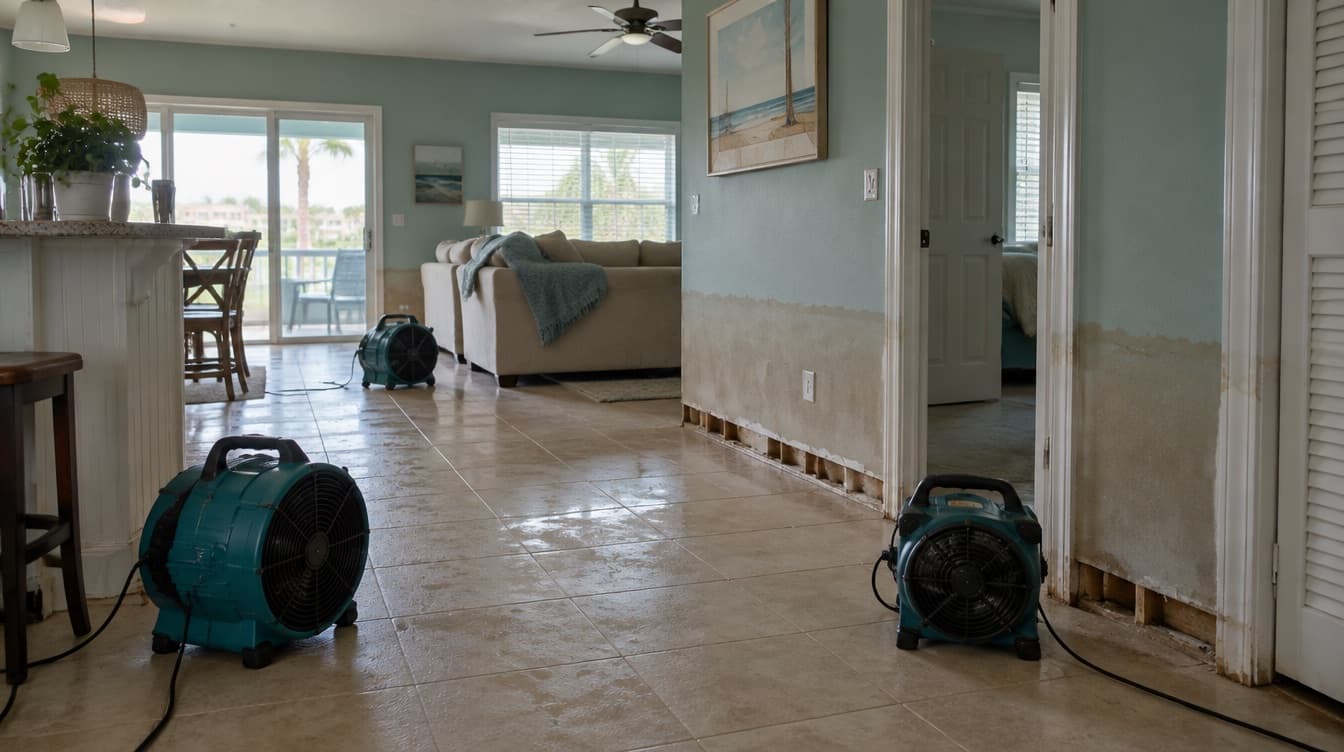
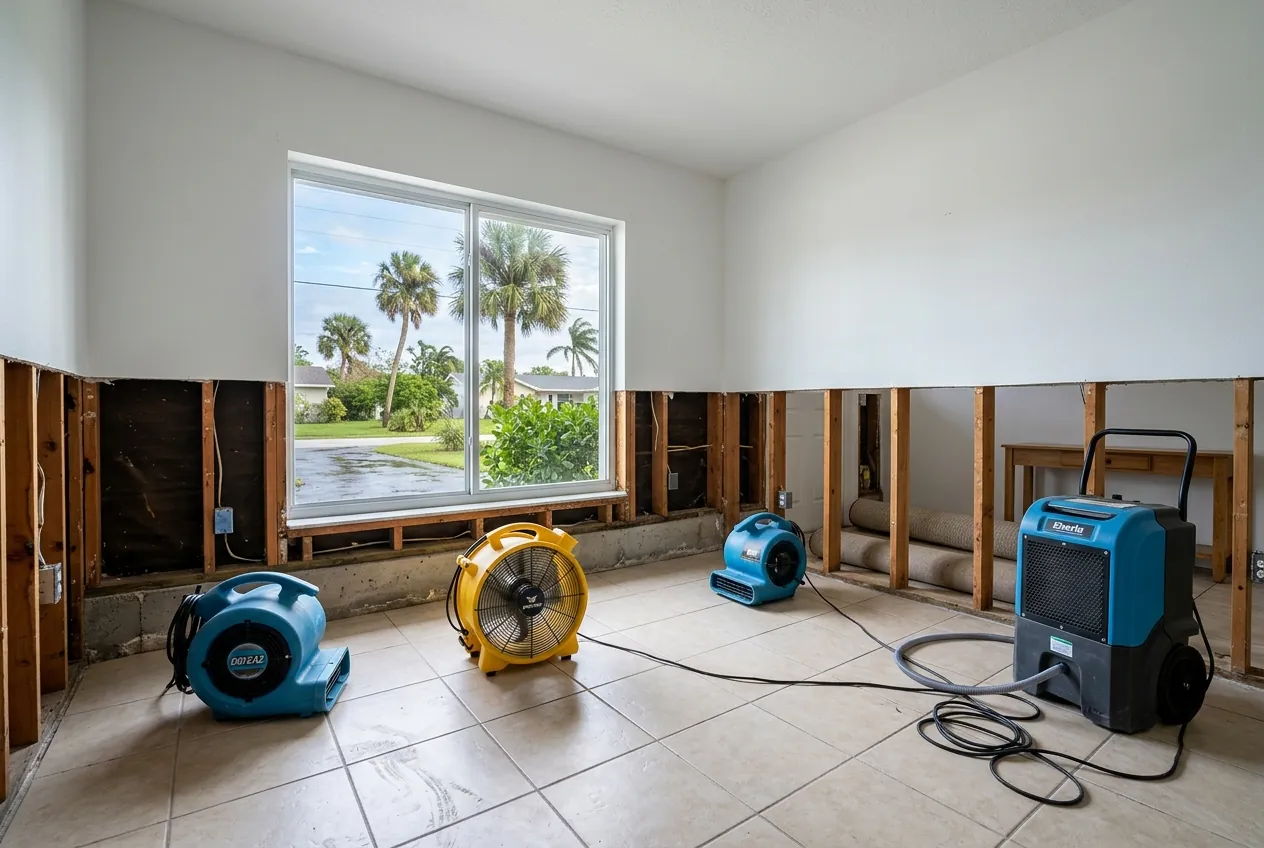
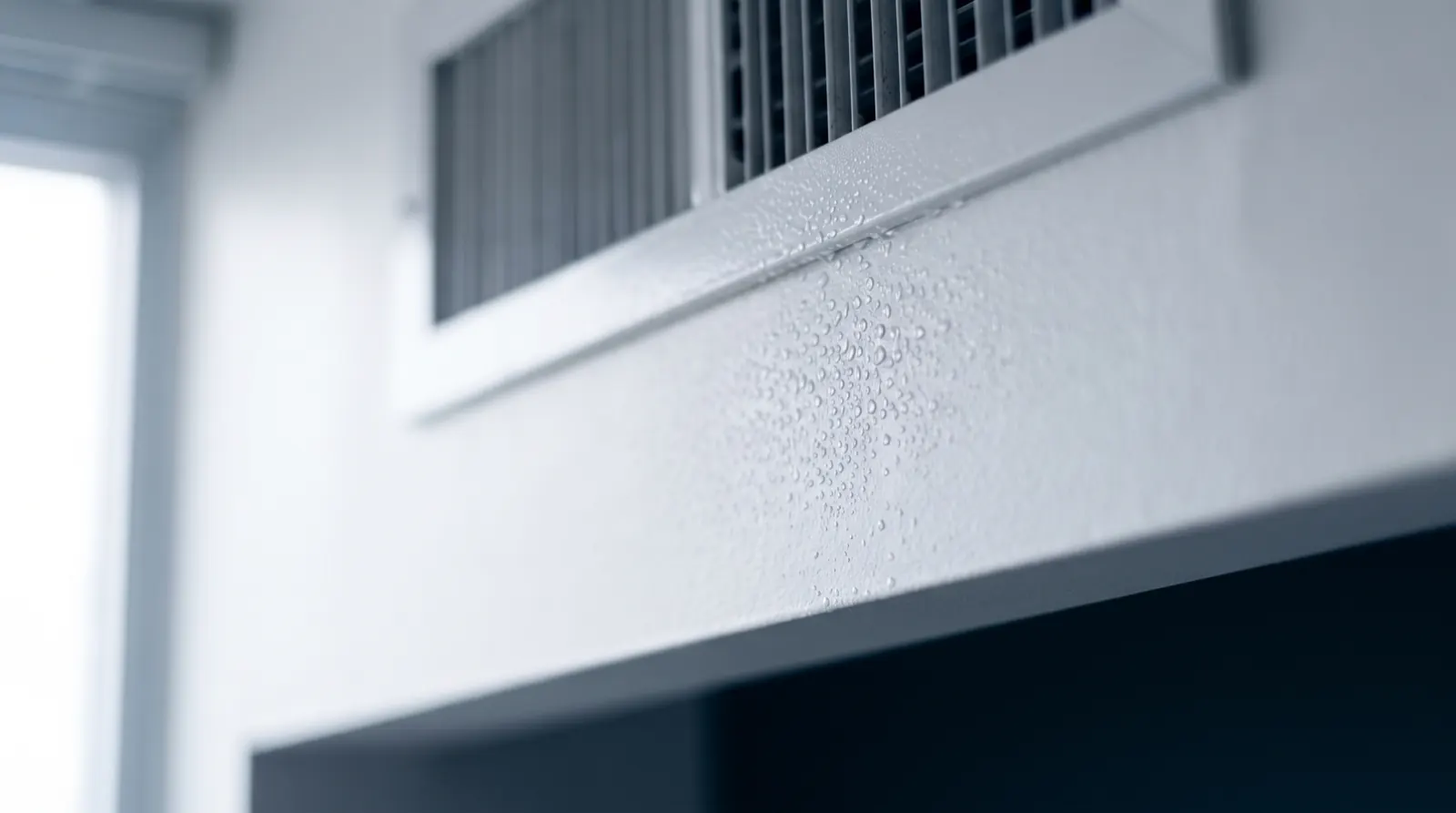
Get the water out and start drying the same day. Pull saturated carpet pad and anything soaked by sewage or floodwater. Keep the windows closed and the AC running, and add dehumidifiers, because Florida's outdoor air is often more humid than the air inside. The EPA's target: "If possible, keep indoor humidity below 60 percent (ideally between 30 and 50 percent) relative humidity."
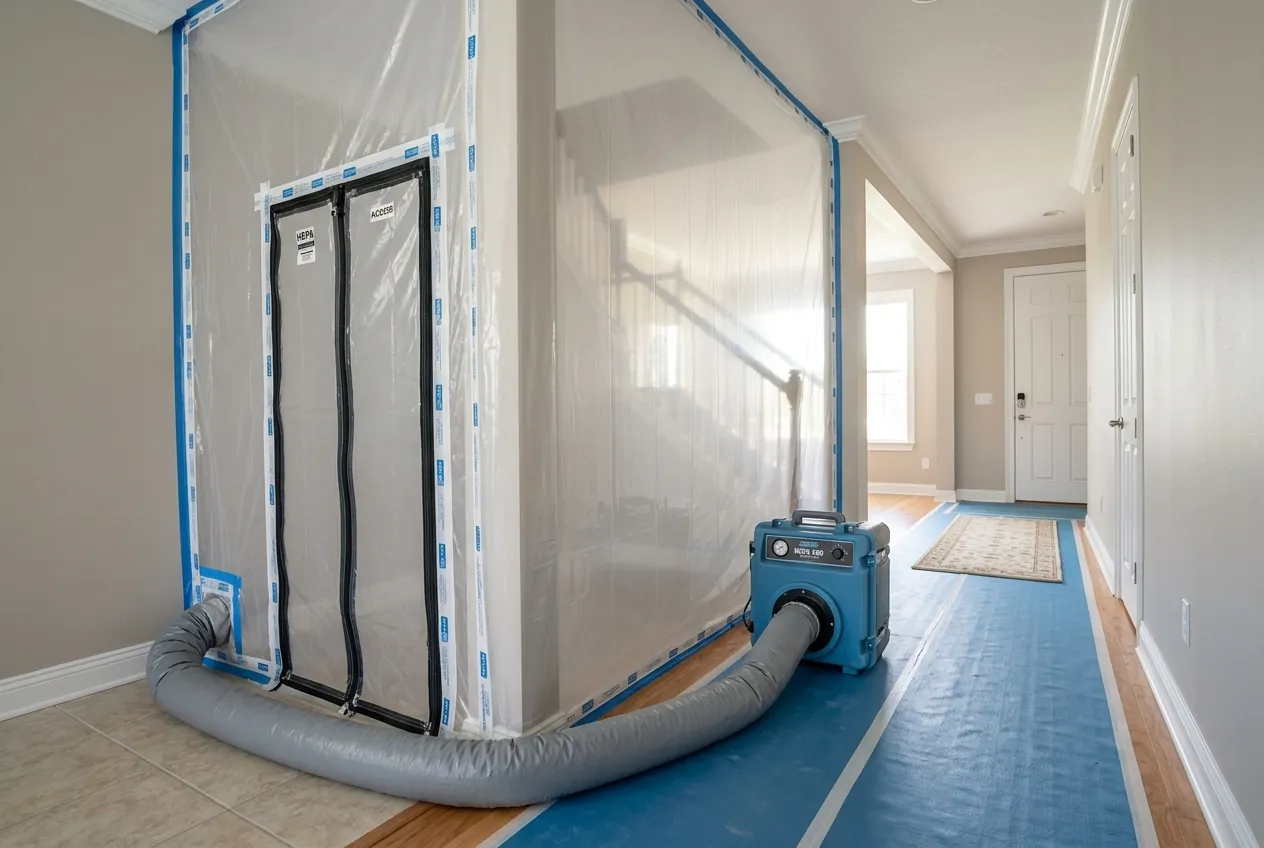
Measure instead of guessing, and don't close up walls or paint until readings confirm dry. Bleach and sprays are no substitute for drying: mold needs moisture, and taking the moisture away is what prevents it.
When should you get a mold inspection after water damage?
Get one when materials stayed wet for more than 48 hours, when you don't know how long the water was there (a slow leak, a vacation home, a condo unit above yours), when a musty smell shows up, or when spots appear on walls, ceilings, or cabinets. An inspection finds where the moisture went and whether growth has started, so any cleanup is scoped to what's actually there.
Sterling answers water emergency calls every day from 7 AM to midnight and also performs mold inspections. Drying isn't mold remediation, so we can dry out a home we're inspecting when active water can't wait. If mold growth needs removal, one rule applies: if we inspect your home, we can't be the ones who remediate it. Florida law bars it for 12 months.