Short answer
No: paint hides mold without removing it, and the growth and the moisture feeding it stay behind the paint. The EPA says not to paint or caulk moldy surfaces: clean up the mold and dry them first. Mold-resistant paint or primer belongs only on a clean, dry surface after the moisture source is fixed.
Updated September 27, 2026
Why can't you just paint over mold?
Because paint covers the surface, and mold isn't only on the surface. On drywall (sheetrock), wood, and other porous materials, growth reaches into the material. Paint seals over it, and if the moisture is still there, the growth can continue underneath. Stains often show through again, and paint can bubble or peel over a damp spot.
The EPA's guidance is plain: "Do not paint or caulk moldy surfaces. Clean up the mold and dry the surfaces before painting." Painting over mold also hides the evidence of whatever caused it, whether that's a leak, condensation, or high humidity.
Does Kilz get rid of mold?
No. Kilz and other stain-blocking primers are made to keep stains from bleeding through new paint. They cover mold staining; they don't remove the growth underneath.
Some primers and paints are sold as mold- or mildew-resistant. That describes how the new paint film resists growth, not a treatment for mold that's already in the wall. Those products are useful at the end of a job, on a surface that has been cleaned and dried, not as a way to skip the cleanup.
Can mold be encapsulated?
Yes, but only after the mold has been removed and the surface cleaned. Encapsulation means applying a coating to a cleaned, dry surface, often framing lumber or the underside of roof sheathing, as a professional finishing step. It's used on materials that stay in place, not on moldy drywall, which gets removed.
Encapsulation works as a final coat after cleaning, not as a substitute for it. A coating sprayed over active growth is just painting over mold with a more expensive product.
Can I paint over mold on a ceiling or wall?
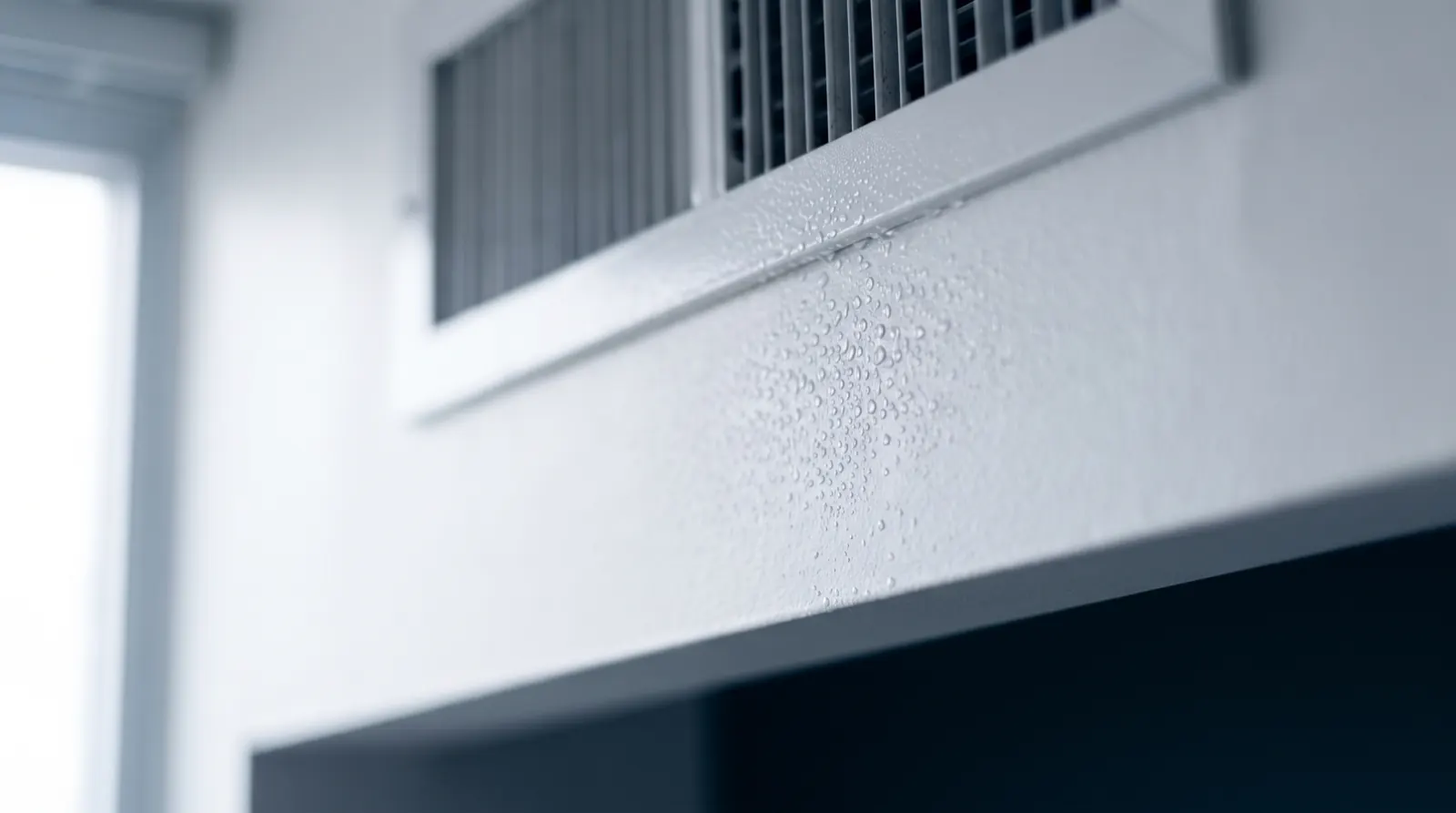
Not until the mold is cleaned up and the cause is fixed. Ceiling mold in Florida homes commonly traces to a roof leak, an AC problem such as a sweating duct or a clogged drain line, or a bathroom without enough ventilation. Paint over it while the source is active and the stain tends to come back.
Light mildew on a painted bathroom ceiling or wall can often be cleaned off. Moldy drywall isn't sealed or covered: the moldy section is cut out and replaced, and the new drywall is primed and painted like any other. Fix the source, let everything dry, then paint.
Is painting over mold a problem when you sell?
It can be. Florida sellers generally have to disclose known facts that materially affect a home's value and aren't readily observable to a buyer. Painting over mold you know about doesn't make it unknown, and covering it can turn a repair question into a disclosure dispute. A buyer's inspector with a moisture meter and a thermal camera may find the moisture anyway.
Records protect a seller better than paint does: what was found, what caused it, what was removed, and how it was cleared. This is general information, not legal advice; a Florida real estate attorney can tell you what applies to your sale.
What to do next
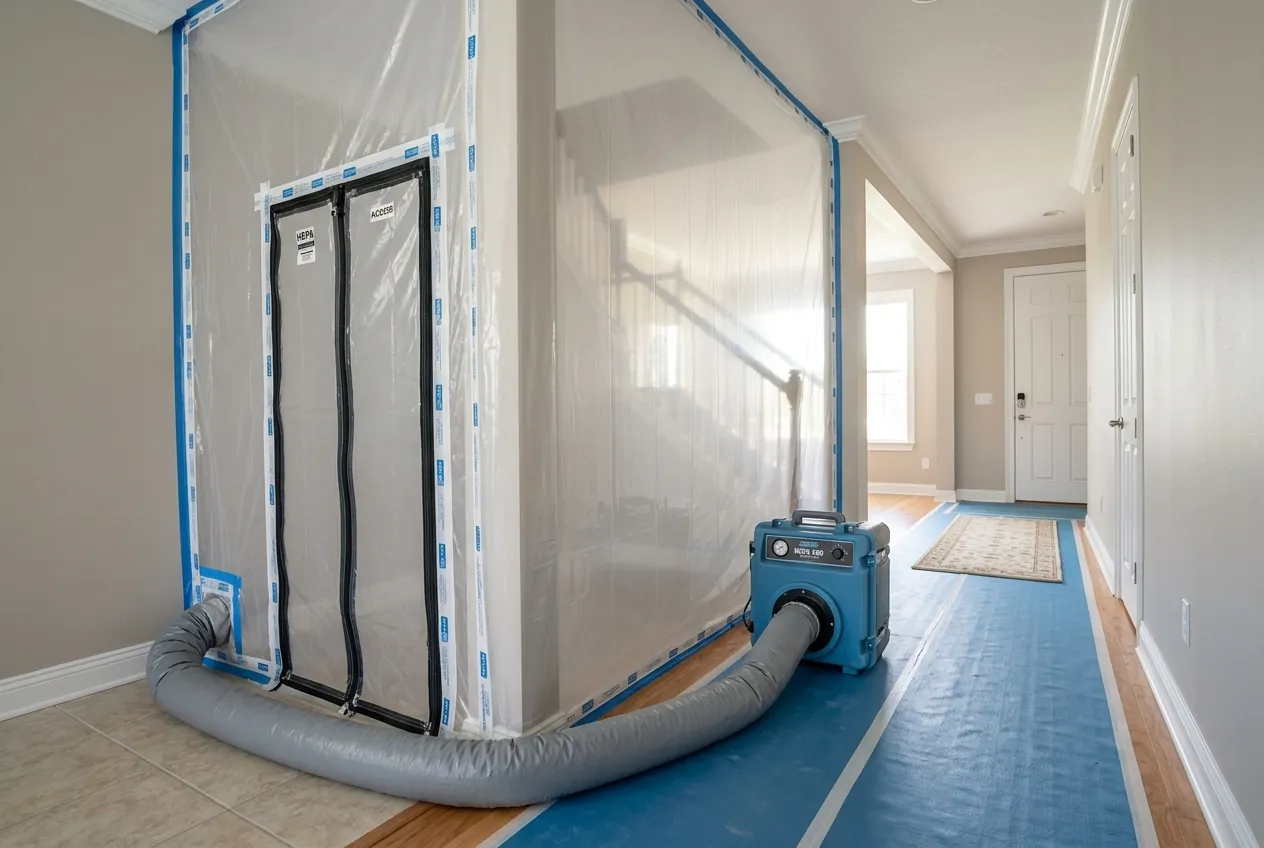
Find the source first: a leak, condensation, or humidity. Clean small areas on hard surfaces yourself, and have larger areas or moldy drywall removed. Prime and paint only after the surface is clean and dry and the moisture source is fixed. Repainting is part of the rebuild after clearance, not part of the cleanup.
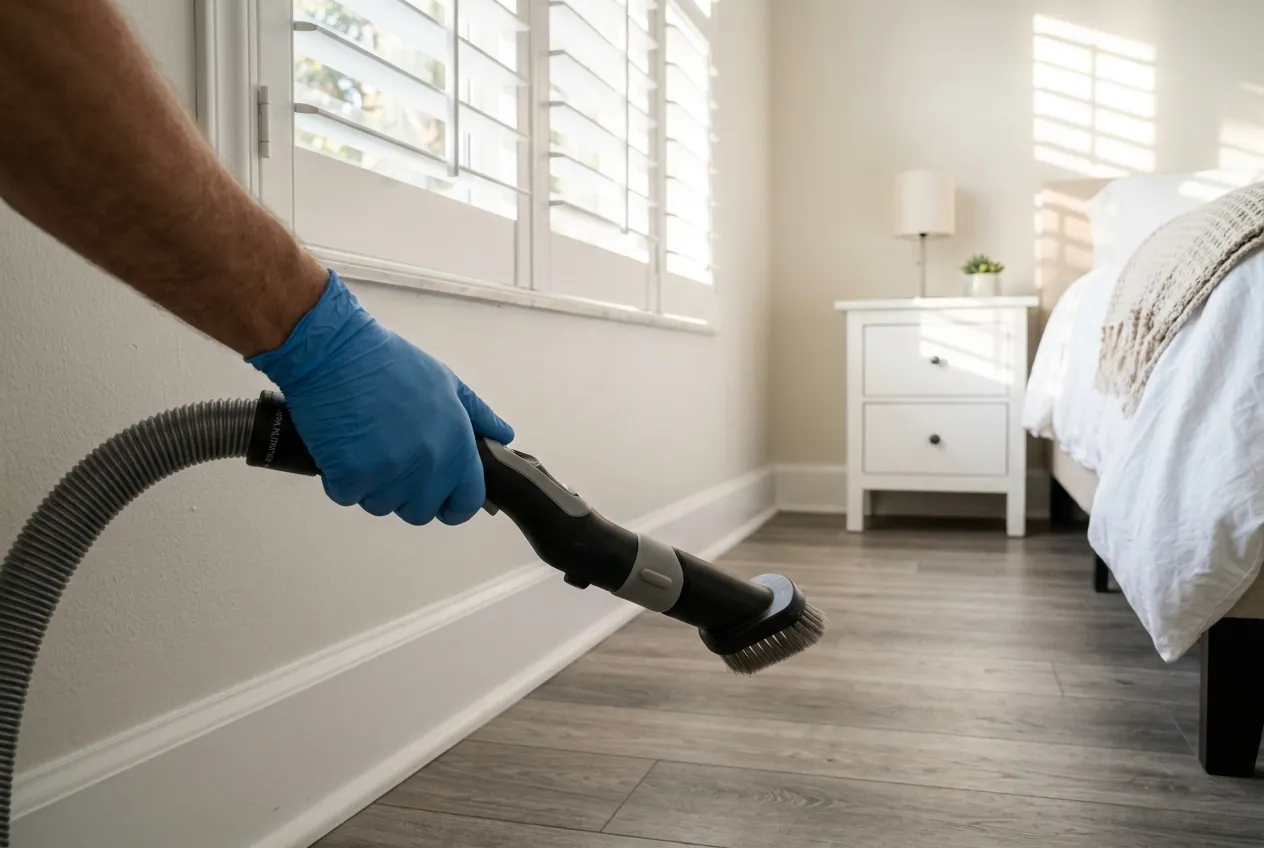
Sterling doesn't use paint, sprays, or sealants in place of removal. Where a sealant belongs, it goes on after removal and HEPA cleaning to IICRC S520. Every job starts with a free on-site estimate and a written, itemized quote, and when we remediate, clearance comes from an independent assessor because Florida law bars us from testing our own work.