Short answer
Call a licensed mold assessor when you don't know how much mold there is or where it's coming from, and a licensed mold remediator when growth is large and obvious. You can usually clean a small spot on a hard surface once the moisture is fixed. For an active leak, call a plumber, roofer, or AC technician first.
Updated September 27, 2026
First, stop the water and size up the mold
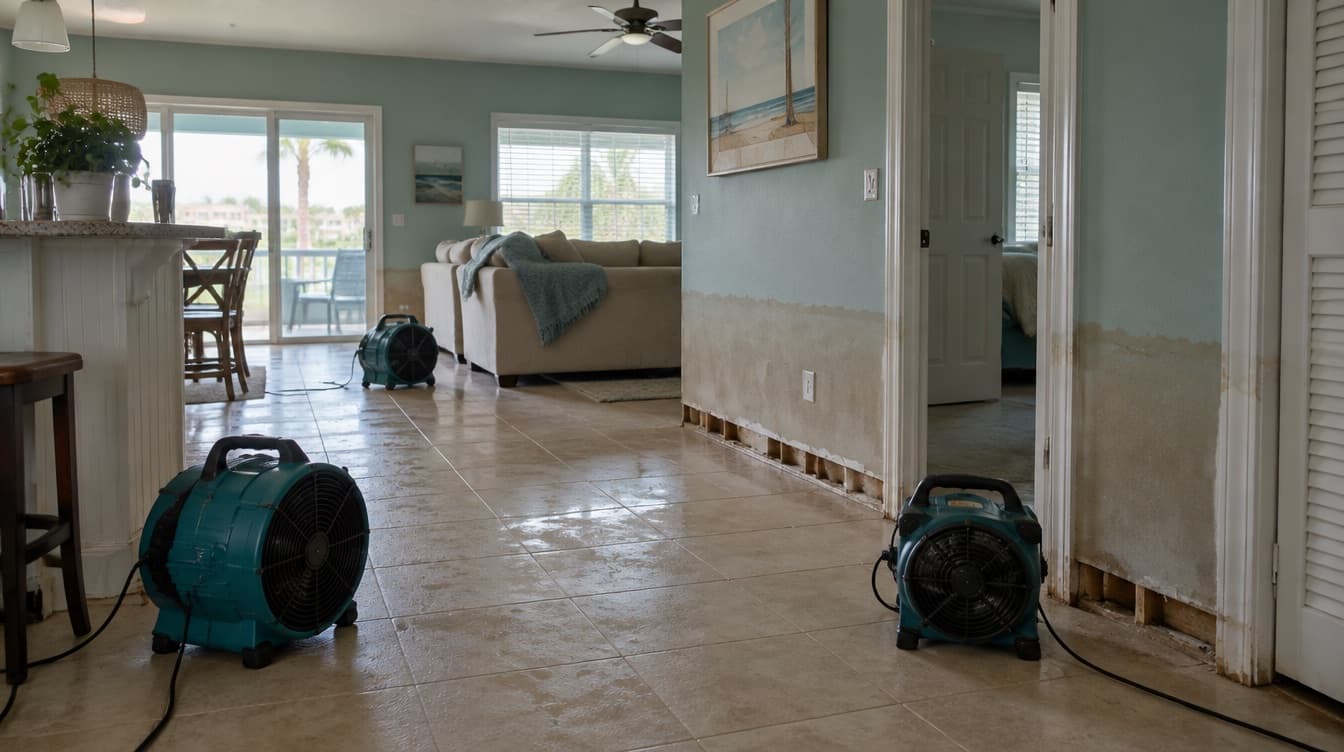
If water is still coming in, call the trade that stops it: a plumber for a pipe or supply line, a roofer for a roof leak, or an AC technician for a clogged condensate line or a leaking air handler. If floors, walls, or cabinets got wet, water extraction and drying come next. The EPA advises: "It is important to dry water-damaged areas and items within 24-48 hours to prevent mold growth."
Then look at the size. For a small spot on a hard surface, you may not need to call anyone: fix the moisture and clean it. The EPA's guidance is that an area under about 10 square feet (roughly 3 feet by 3 feet) can, in most cases, be handled yourself. People with asthma, allergies, or a weakened immune system, infants, and anyone with pregnancy concerns should ask their doctor before staying in or cleaning a moldy space.
Who tests for mold in a house?
A licensed mold assessor, the professional most people call a mold inspector. Call one when you don't know how far the mold goes, when there's a musty smell but no visible growth, after a leak or flood, when you're buying or selling, when there's a dispute with a landlord, contractor, or insurer, or when someone in the home has health concerns (talk to your doctor too).
Testing isn't always the first step. The EPA notes: "In most cases, if visible mold growth is present, sampling is unnecessary." A good inspection focuses on finding the moisture source and ends with clear next steps.
Who removes black mold?
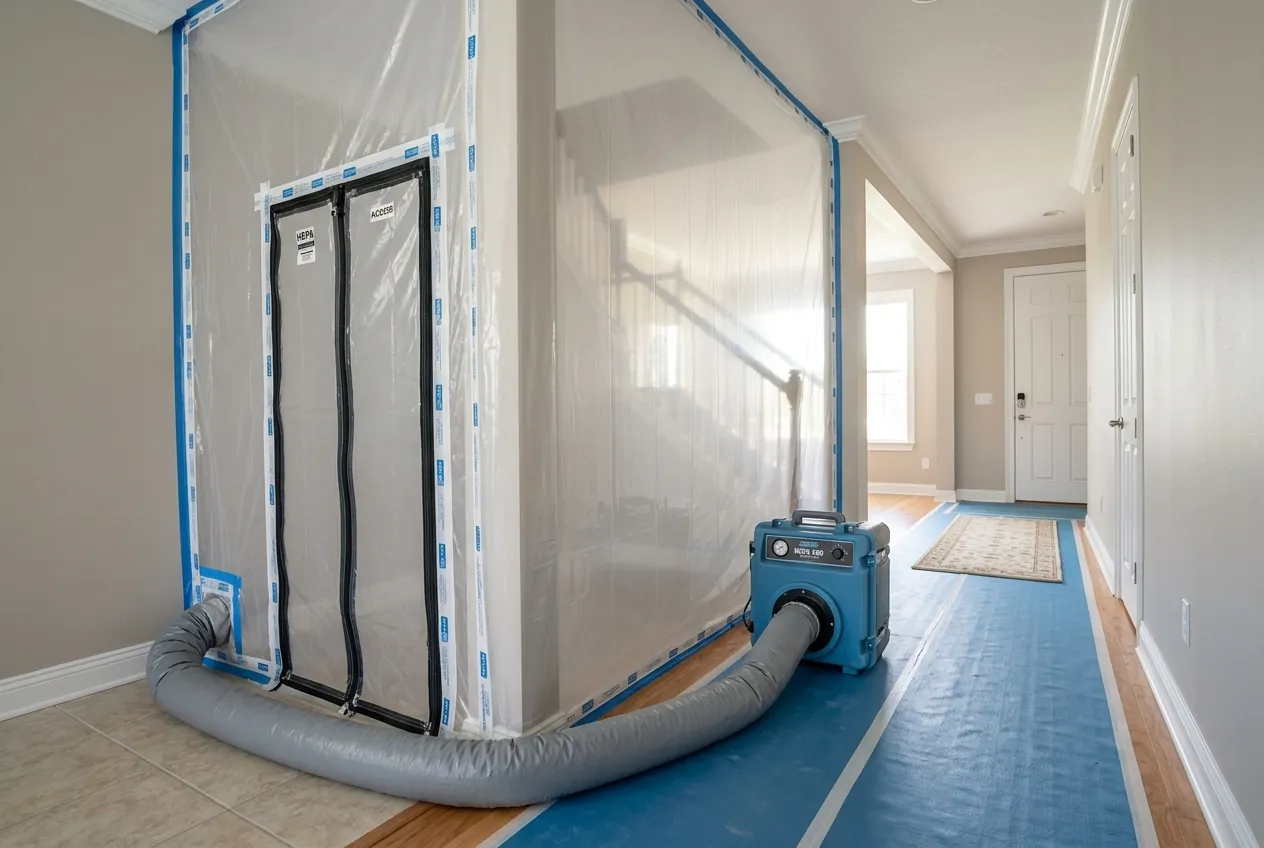
A licensed mold remediator, and the color doesn't change who you call. Large or clearly spreading growth, whatever its color, is remediation work, ideally done from an assessor's written protocol so the scope is set before anyone quotes it. In Florida, the assessor and the remediator on the same home must be different companies within 12 months (§ 468.8419(1)(d) and (2)(d)).
Mold on a ceiling or in the attic needs two calls: the trade that fixes the cause and the remediator who removes the growth. Ceiling spots often trace back to a roof leak, a plumbing leak above, or AC ducts sweating in the attic. Attic mold usually grows on the roof sheathing, fed by roof leaks, poor ventilation, or bath fans venting into the attic instead of outside.
Who do you call for mold in air ducts?
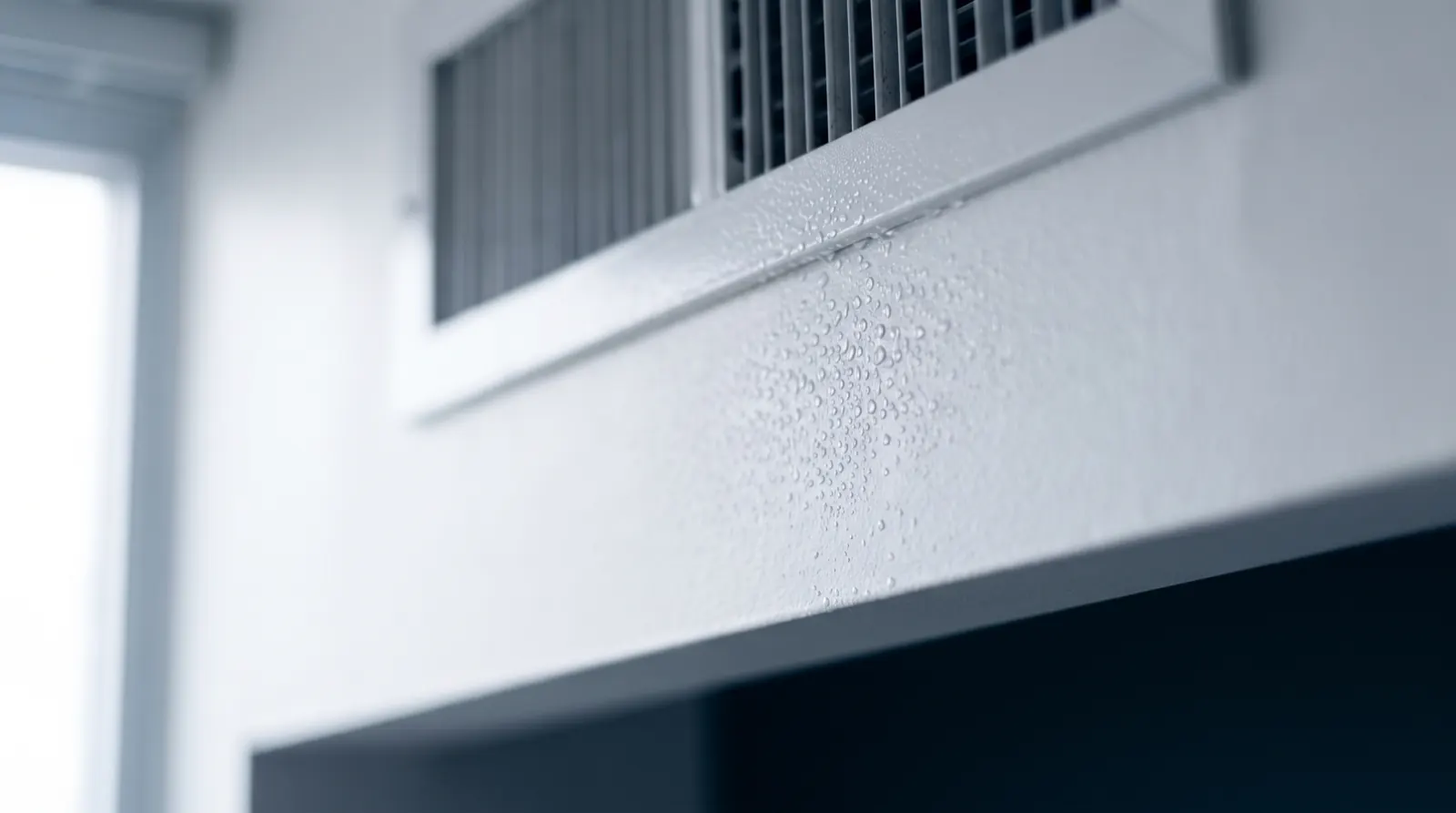
A mold remediator who handles HVAC systems, for the ducts and air handler, plus an HVAC contractor for equipment repairs like a clogged drain line, a dirty coil, or an oversized system that short-cycles. Both parts matter, because as the EPA puts it, "If the conditions causing the mold growth in the first place are not corrected, mold growth will recur." Mold that shows up only on supply vents is commonly condensation at the register, which is a humidity problem more than a duct problem.
Who do you contact about mold in a rental?
Your landlord or property manager, in writing, with photos, dates, and a description of any leak. Keep a copy, and report active leaks right away, since water damage gets worse with time. Your lease and Florida law set out who handles what; this is general information, not legal advice. If there's a disagreement about conditions, an assessment by a licensed mold assessor documents the facts.
What to do next
Match the call to what you're seeing: the trade for active water, drying if things got wet, an assessor when the extent or the source is unclear, and a licensed remediator for large growth. If you use both an assessor and a remediator, they need to be different companies for your home, and the remediator should tell you up front who will do clearance testing.
Sterling does mold inspections and testing, mold remediation, and water extraction and drying every day from 7 AM to midnight, but never both the inspection and the remediation on the same home within 12 months. If we inspect your home, we can't be the ones who remediate it. Florida law bars it for 12 months. Water extraction and drying aren't mold remediation, so if water needs to come out right away, we can still dry a home we're inspecting.
| What you're seeing | Who to call |
|---|---|
| Water still coming inThen water extraction and drying if materials got wet. | Plumber, roofer, or AC technician first |
| A small spot on a hard surfaceThe EPA's do-it-yourself guideline is under about 10 square feet. | Often no one: fix the moisture and clean it |
| Musty smell, no visible mold | Licensed mold assessor |
| Unknown extent, a past leak or flood, or a home sale | Licensed mold assessor |
| Large, obvious growthIdeally working from an assessor's written protocol. | Licensed mold remediator |
| Mold in the air ducts or air handlerPlus an HVAC contractor for equipment repairs. | Mold remediator for the ducts and air handler |
| RentingGeneral information, not legal advice. | Your landlord, in writing |
| Health concernsAn assessor can document the building side. | Your doctor |
In Florida, the assessor and the remediator on the same home must be different companies within 12 months (§ 468.8419(1)(d) and (2)(d)).