Short answer
Mold testing is worth it when the result will answer a real question or prove something to someone else: hidden mold behind a musty smell, documentation for a buyer, landlord, or insurer, or clearance after remediation. When mold is plainly visible, testing usually adds cost without changing the plan. DIY kits almost always grow something, so they prove little.
Updated September 27, 2026
Is mold testing necessary?
Not when you can already see the mold. The EPA says: “In most cases, if visible mold growth is present, sampling is unnecessary.” Visible growth already tells you there's a moisture problem to fix and material to clean or remove, and a lab report naming the species rarely changes that plan.
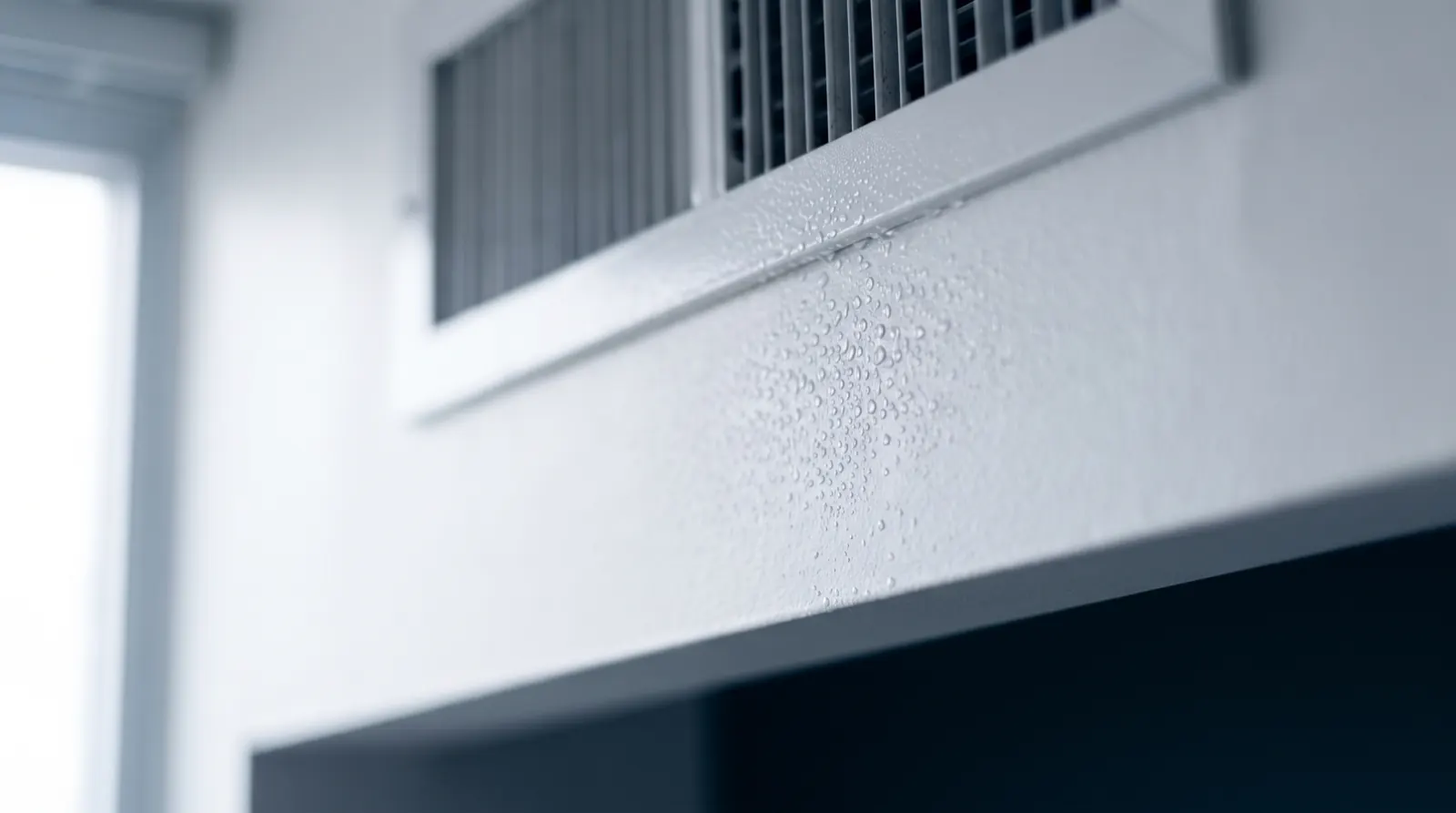
Testing earns its cost in four situations. First, when mold is suspected but hidden, such as a musty smell with nothing visible or a history of leaks behind finished walls. Second, when a result has to be proven to someone else: a buyer, a seller, a landlord, or an insurer. Third, for clearance after remediation, to confirm the work did what it was supposed to. Fourth, when you want to know whether the air inside differs from the air outside, which takes an indoor sample compared with an outdoor one taken the same day.
Is mold testing a scam?
No, but it can be sold badly. Testing gets called a scam when it's used to justify a cleanup the same company wants to sell, when a report lists indoor spore counts with no outdoor sample to compare them against, or when a DIY kit comes back positive, as it almost always will.
Florida law takes away the biggest incentive. A mold assessor may not “Perform or offer to perform any mold remediation to a structure on which the mold assessor or the mold assessor's company provided a mold assessment within the last 12 months” (§ 468.8419(1)(d)). Assessors also can't pay or accept referral fees with remediators (§ 468.8419(1)(f) and (g)), or take a job whose fee or conclusions are contingent on the outcome (§ 468.8419(1)(h)). The person testing your home can't be the one paid to clean it up.
Are home mold test kits accurate?
Not in any useful way. They accurately show that mold spores exist, which is true of almost any air, indoors or out. Most home kits are settle plates: a dish of growth medium left open so whatever lands on it can grow. Because spores are everywhere, the plate almost always grows something.
A plate can't measure concentration, because it doesn't sample a known volume of air, and it can't compare your indoor air with the air outside. It also can't find the moisture that mold needs. A positive kit tells you what was already true, and a clean one can't rule out a hidden leak.
Is mold testing necessary when buying a home?
Not automatically. During your inspection period, a mold inspection is the better first step: it looks for moisture, staining, and the conditions mold needs, and sampling is added when the inspection finds a reason or you need lab documentation to negotiate. A musty smell, fresh paint in odd places, or a history of leaks or flooding is a good reason.
More broadly, testing is usually required only when someone makes it a condition: a remediation protocol that calls for clearance sampling, a contract or lease, or a request from an insurer or attorney.
Where should you test for mold in your house?
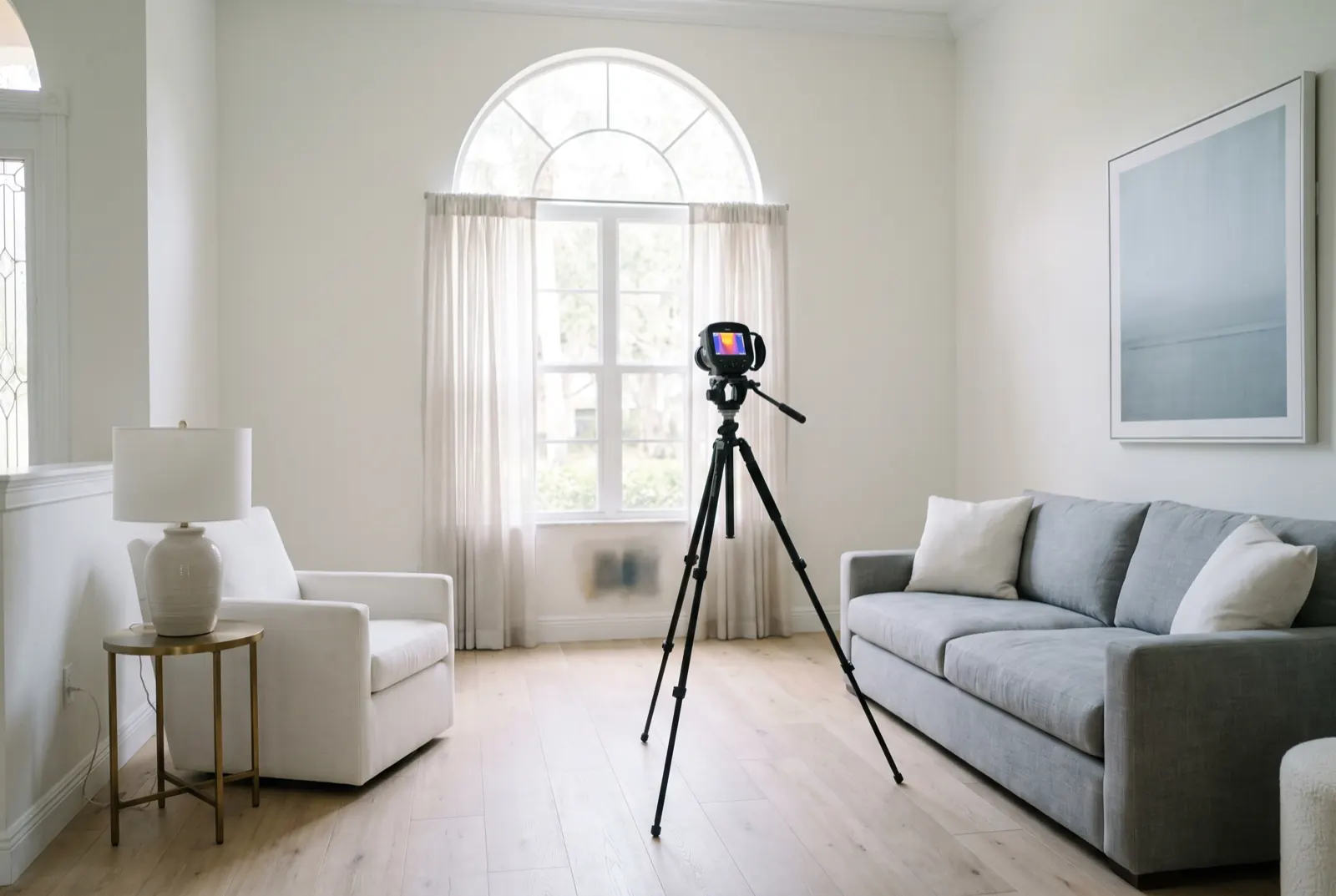
Where the question is. A good assessor inspects first, then samples the places the findings point to: the room with the smell, the wall with the high moisture reading, or the air handler. An air sample is read against an outdoor sample taken the same day, and a surface sample goes only on a specific stain that needs identifying.
That outdoor comparison matters because there are no federal limits for indoor mold spore counts. In Florida, where outdoor air carries plenty of spores for much of the year, an indoor number on its own can look alarming and mean little. That's also the honest answer on indoor air quality testing: it's worth it as part of an inspection, read against outdoor air, and not as a standalone number.
What should you ask before paying for a mold test?
Ask what question the test answers and what you'd do differently with each possible result. If no result would change your plan, skip the test and put the money toward the fix. Ask whether an outdoor sample is included and which lab analyzes the samples.
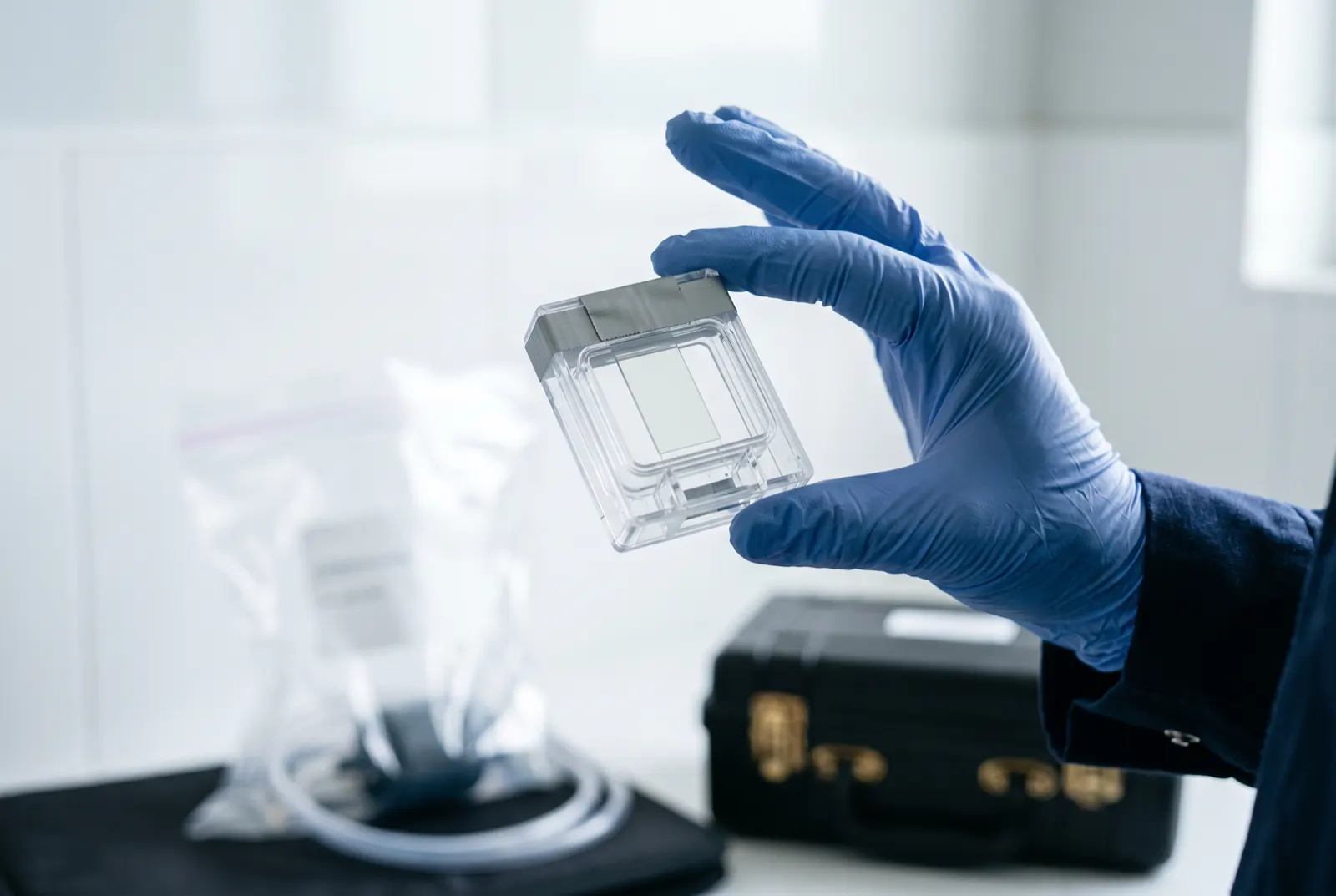
Sterling samples only when a result answers a real question, sends samples to an accredited third-party lab, and compares indoor air with an outdoor sample taken the same day. Sample costs are listed on our published inspection prices. If we inspect your home, we can't be the ones who remediate it. Florida law bars it for 12 months.
| Situation | Worth testing? |
|---|---|
| Visible mold with a known leak | Usually not: fix the source and remove the growth |
| Musty smell, nothing visible | Often, as part of an inspection |
| Buying or selling a home | When something points to mold or you need it documented |
| After remediationThe remediation protocol sets whether samples are part of clearance. | Usually, as independent clearance |
| DIY settle-plate kit | Rarely: spores are everywhere, so it grows something |
There are no federal limits for indoor mold spore counts, so air results are read against an outdoor sample taken the same day.