Short answer
Mold usually smells musty and earthy, like damp soil, wet socks, old books, or rotting wood. The odor comes from gases growing mold releases, called microbial volatile organic compounds (MVOCs). Not all growth smells strongly, and not every musty smell is mold, so a persistent odor with no visible source is worth tracing.
Updated September 27, 2026
What does musty smell like?
Musty is the heavy, stale, damp smell of a closet that stayed shut all summer, a towel left in the washer, or a box of old books that once got wet. Some people call it earthy, like wet soil or a pile of rotting leaves.
The smell comes from growing mold. As it feeds, it gives off gases called microbial volatile organic compounds (MVOCs), and your nose can pick them up before you see any growth. Not all mold smells, though. Small patches, growth sealed inside a wall, and growth that has dried out and gone dormant may give off little odor, and people's noses differ. No smell doesn't prove there's no mold, and a smell doesn't prove there is.
Can mold smell sweet, like urine, or like sewage?
Mold usually smells musty or earthy, so a strong urine or sewage smell usually has another source. Descriptions vary from person to person, and some people notice a sour or faintly sweet note in a moldy room, but the smell alone can't tell you what's growing.
Sewer gas smells like rotten eggs, not damp earth, so a sewage smell points to plumbing: a floor drain or unused shower whose trap has dried out, a loose toilet seal, or a cracked drain line. A urine or ammonia smell is more often pet urine soaked into carpet pad or subfloor, or a slow leak at a toilet's base. One safety note: natural gas and propane are given a rotten-egg smell on purpose, so if you have gas appliances and smell it, leave the house and call your gas company or 911 from outside.
Why do I keep smelling mold?
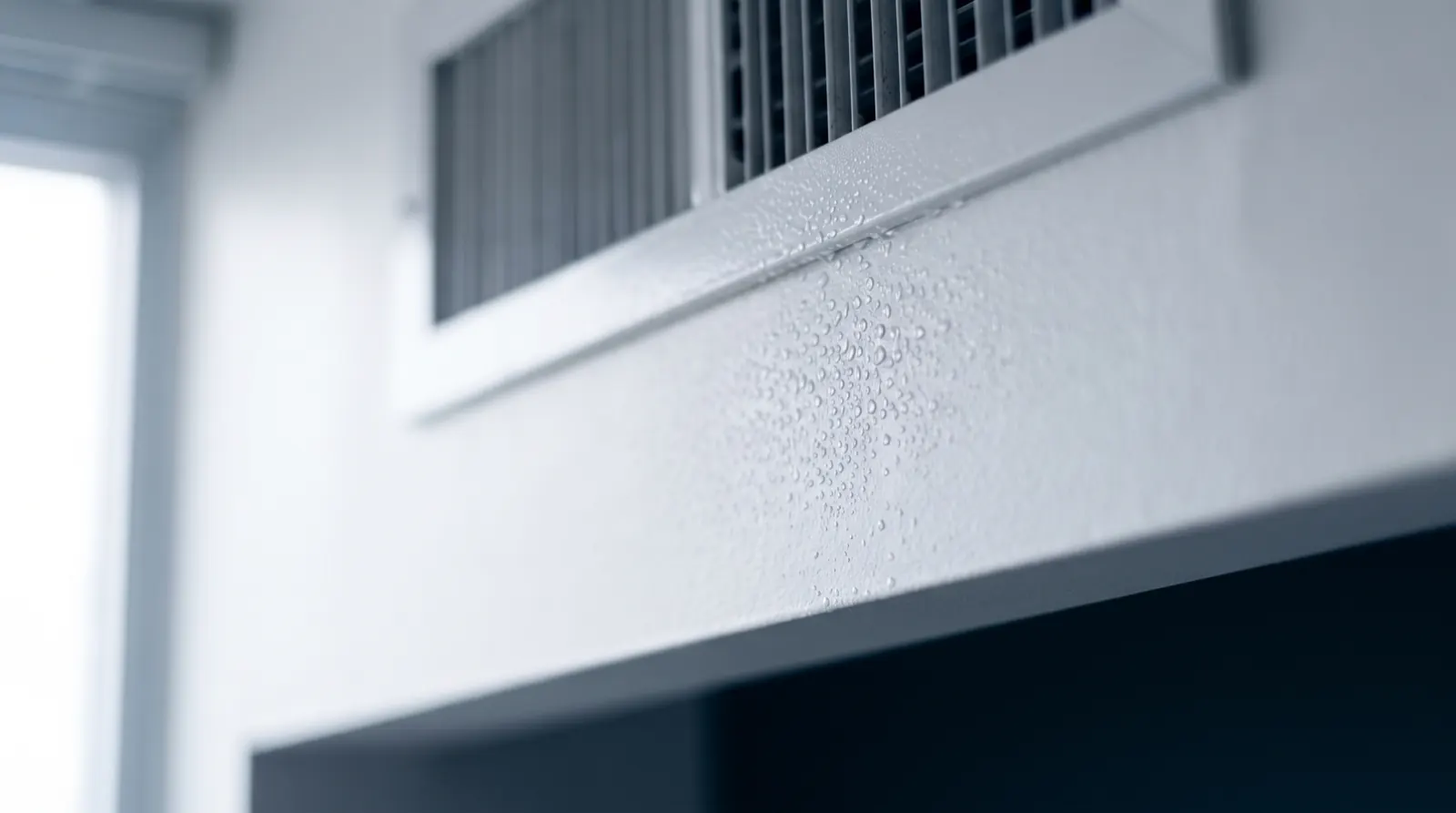
A musty smell that keeps coming back usually means something is still damp: a slow leak, wind-driven rain getting in through stucco or around windows, or indoor humidity that stays high. It often gets stronger when the house has been closed up, when the AC starts, or after heavy rain, and those timings are clues to where it's coming from.
Not every musty smell is mold. A dirty AC drain pan holding water, damp towels, laundry left in the washer, and a sink drain can all smell much the same. Rule those out first. If the smell survives that, something in the house is staying wet.
Can you smell mold in the walls?
Often, yes. A musty smell with no visible growth is a classic sign of mold hidden behind drywall (sheetrock), under cabinets, or beneath flooring. The smell tells you something is growing, but not exactly where or how much.
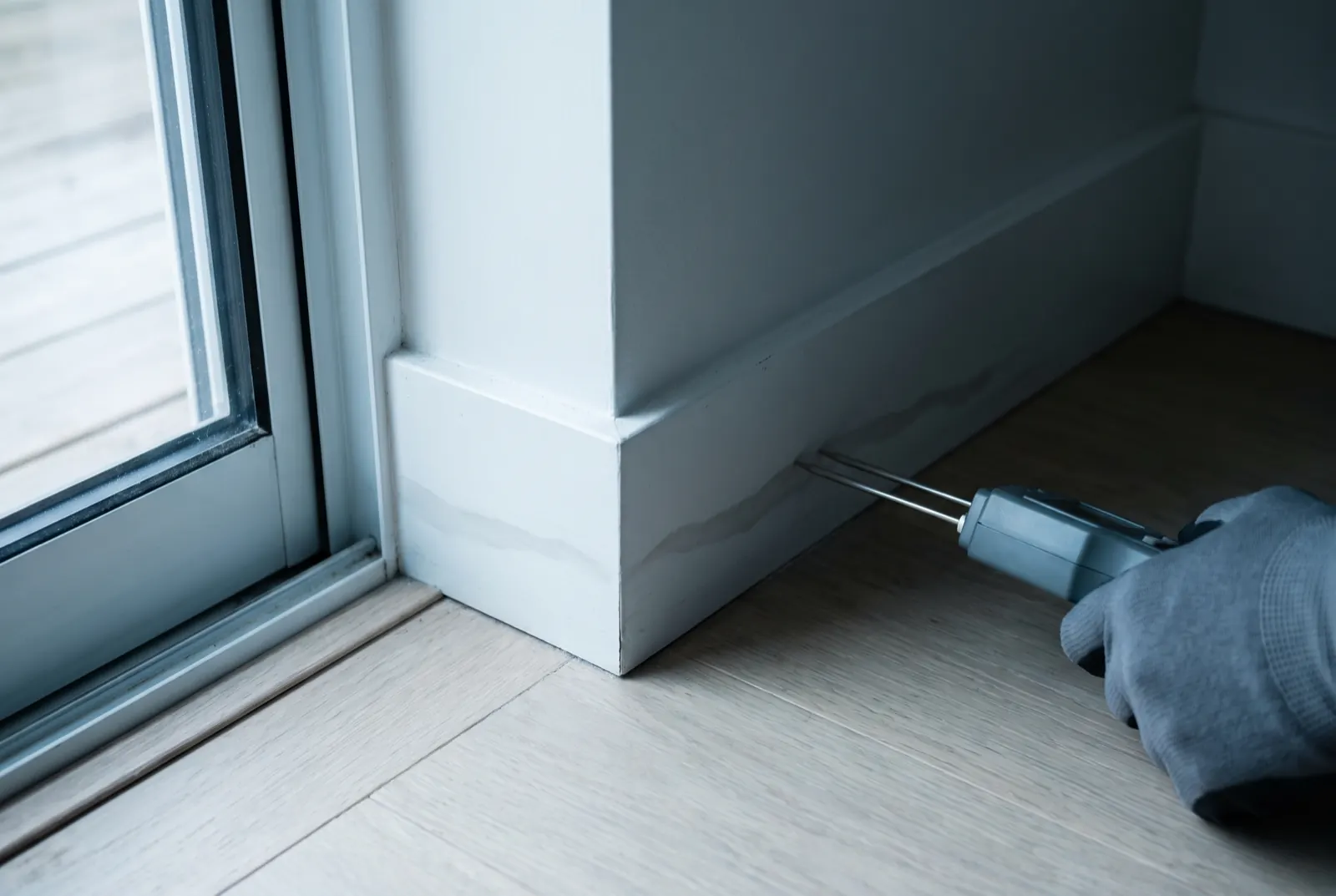
In Florida homes, the smell tends to hide in a few places: the AC closet and air handler, under kitchen and bathroom sinks, behind baseboards on exterior walls, in closets on exterior walls, and behind furniture pushed against an exterior wall, where still air lets dampness linger. Follow your nose, but don't open walls to chase it, because disturbing hidden growth can spread it.
Is smelling mold bad?
A musty smell means something in your home is damp enough to grow mold or bacteria, and that's worth finding. The smell alone can't tell you whether it's affecting anyone's health. Damp, moldy indoor spaces are associated with allergy and respiratory symptoms in some people, so medical questions belong with a doctor. Anyone with asthma, allergies, or a weakened immune system, anyone who is pregnant, and parents of infants should ask a doctor before staying in or cleaning a space that smells moldy.
Air fresheners and candles only cover the smell. The source is what needs fixing.
What should you do about a musty smell?
Start with the likely spots. Open the AC closet and look at the drain pan, check under sinks with a flashlight, and look for staining or swelling at baseboards on exterior walls. Put a hygrometer in the main living area. The EPA's guidance is to keep indoor humidity below 60 percent, so if yours runs higher, bring it down and see whether the smell fades.
If the smell stays and you can't find the source, that's a strong reason for a mold inspection. Sterling traces odors with moisture meters, thermal imaging, and a close look at the usual hiding spots, and samples only when a result would answer a real question. If we inspect your home, we can't be the ones who remediate it. Florida law bars it for 12 months, so the report goes to the licensed remediator you choose.
| What you smell | Where to look first |
|---|---|
| Musty, earthy, damp | Mold or mildew on something that stays wet |
| Musty when the AC starts | The air handler: coil, drain pan, and cabinet |
| Rotten eggsWith gas appliances, leave and call the gas company from outside. | Sewer gas from a dry drain trap, toilet seal, or drain line |
| Urine or ammonia | Pet urine in carpet pad or subfloor, or a toilet leak |
| Sour, like damp laundry | Wet towels, laundry left in the washer, or a sink drain |
A smell tells you where to look. Moisture readings and a close look confirm the source.